
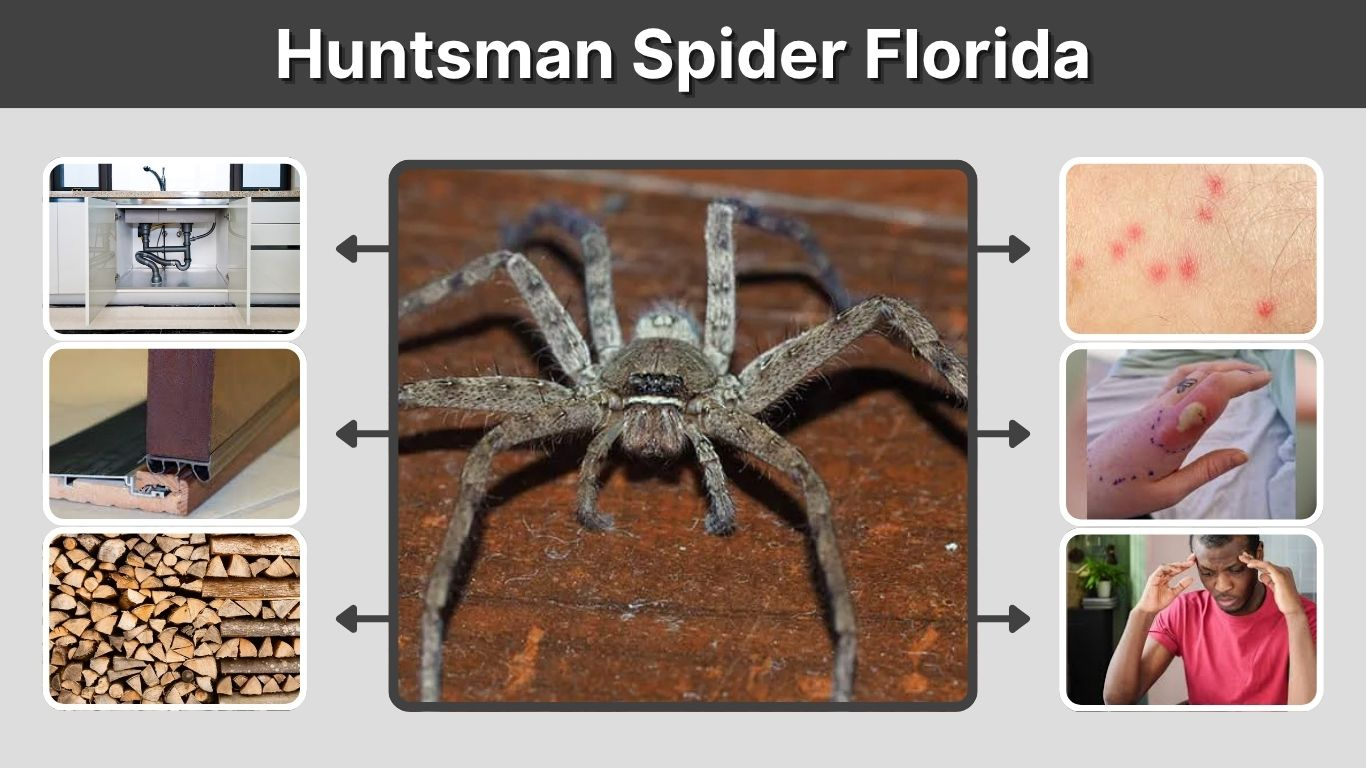
Huntsman spiders in Florida are large fast-moving spiders known for their wide leg span and crab-like appearance. Many people become alarmed when they spot one inside a garage, garden, or even a car because these spiders can appear enormous compared to common house spiders. Huntsman spiders are found mainly in warmer tropical areas of Florida and are often confused with wolf spiders or banana spiders. Although they look intimidating, most huntsman spiders are not considered dangerous to humans. Learning how to identify them helps reduce fear and confusion about these giant Florida spiders.
What Is a Huntsman Spider?
Huntsman spiders belong to the Sparassidae family and are famous for their flattened bodies and long sideways legs. Unlike web-building spiders, huntsman spiders actively hunt insects and move quickly across walls, trees, and outdoor surfaces.
Huntsman Spider Scientific Classification
Huntsman spiders are part of the Sparassidae family, which contains many large tropical spider species found around the world. The pantropical huntsman spider is one of the most common species associated with Florida.
Physical Appearance
Huntsman spiders have several unique features:
- Flattened body shape
- Long sideways legs
- Brown or gray coloring
- Hairy appearance
- Crab-like stance
- Wide leg span compared to body size
These features help them move rapidly across flat surfaces.
Why Huntsman Spiders Look So Large
Their thin body combined with extremely long legs creates the illusion of an even larger spider. Fast movement and sudden appearances inside homes also make them seem more frightening than they actually are.
Huntsman Spiders in Florida
Florida’s warm climate allows some huntsman spider species to survive and spread in tropical and subtropical regions. They are more common in southern and coastal areas where humidity remains high throughout the year.
Are Huntsman Spiders Native to Florida?
Many huntsman spiders found in Florida are believed to be introduced species rather than native spiders. Tropical shipping routes and imported goods may have helped them spread into the state over time.
Common Florida Huntsman Spider Locations
Florida huntsman spiders are often found in:
- South Florida
- Central Florida
- Coastal regions
- Gardens and sheds
- Garages and patios
- Palm trees and wood piles
Warm humid areas provide ideal conditions for these spiders.
Huntsman Spider in Homes and Cars
Huntsman spiders sometimes wander indoors while hunting insects or searching for shelter. They may hide behind furniture, inside storage boxes, or even inside parked vehicles.
Florida Huntsman Spider Size
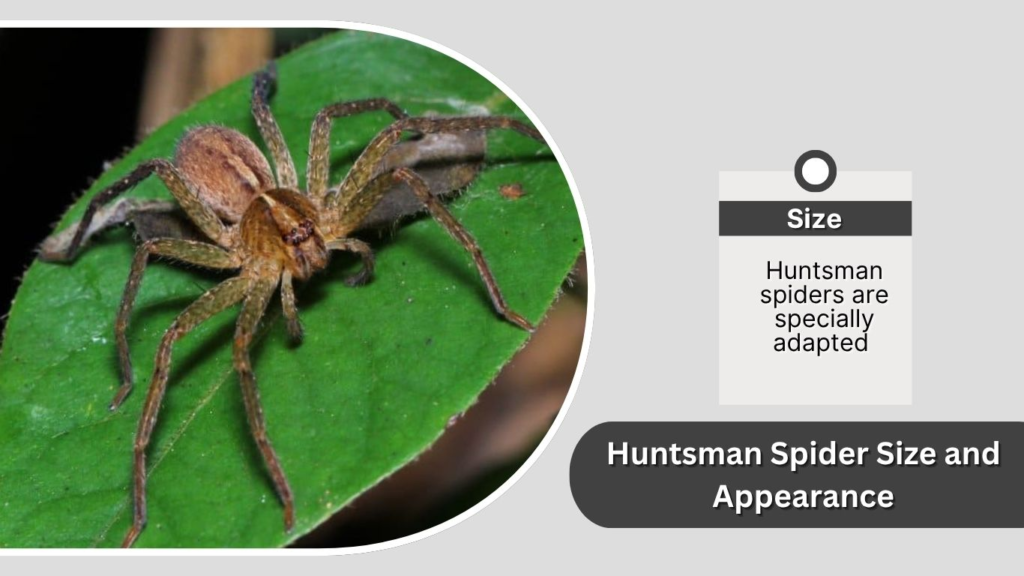
One reason huntsman spiders attract attention is their impressive size. Even smaller individuals often appear huge because of their long spread-out legs.
Average Body Size
Most Florida huntsman spiders have a body length of around one to two inches. Females are often slightly larger and heavier than males.
Florida Huntsman Spider Legspan
Their leg span can reach several inches across, making them one of the widest-looking spiders found in Florida homes and gardens.
Giant Huntsman Spider Florida Reports
Stories about giant huntsman spiders online are often exaggerated. However, large individuals can still look startling when seen crawling across walls or ceilings.
Baby Huntsman Spider Florida
Young huntsman spiders are much smaller but still display the same sideways leg posture and fast movement patterns as adults.
Florida Huntsman Spider vs Wolf Spider
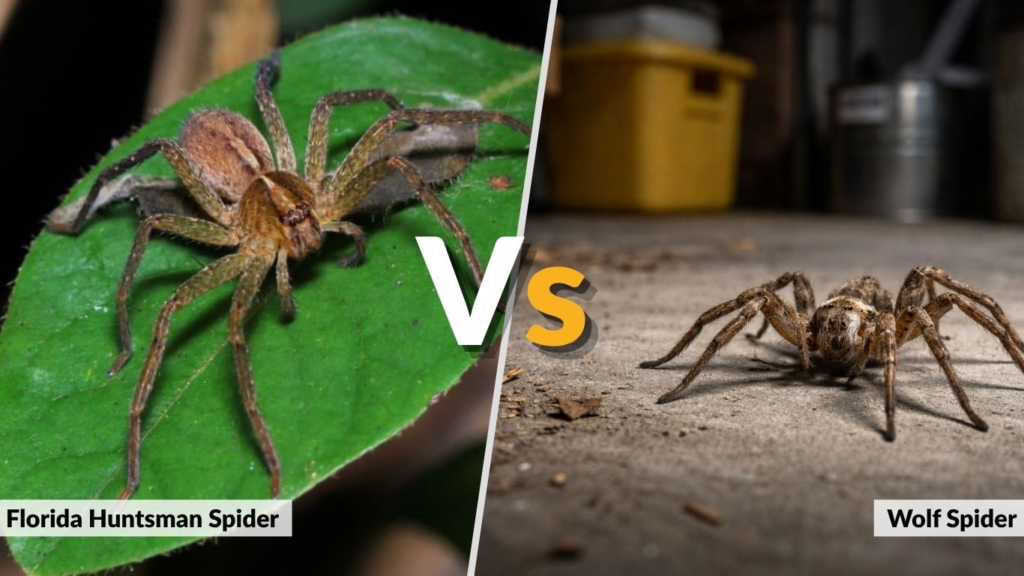
Many Florida residents confuse huntsman spiders with wolf spiders because both are large brown spiders that move quickly. However, there are important differences between the two species.
Huntsman vs Wolf Spider Appearance
| Feature | Huntsman Spider | Wolf Spider |
| Leg Position | Sideways crab-like | Forward and downward |
| Body Shape | Flat and wide | Thick and compact |
| Speed | Fast sideways runner | Fast ground runner |
| Eyes | Smaller grouped eyes | Large forward-facing eyes |
Huntsman Spider vs Banana Spider
Banana spiders build large webs and have bright yellow markings, while huntsman spiders are active hunters that rarely rely on webs for catching prey.
Huntsman Spider vs Brown Recluse
Brown recluse spiders are much smaller and have different body markings. Huntsman spiders are also less medically significant than brown recluse spiders.
Florida Huntsman Spider Bite
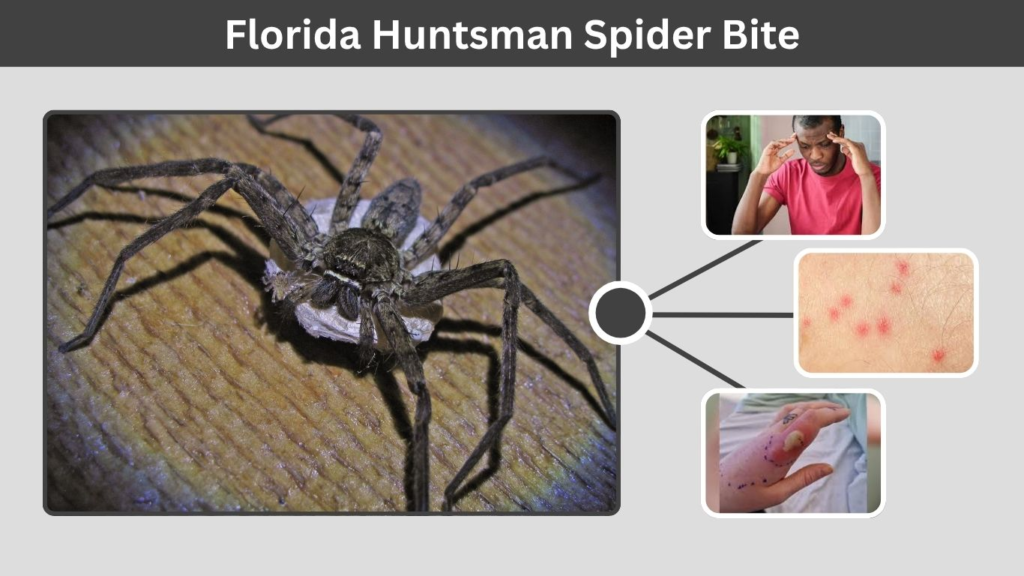
Although huntsman spiders are venomous like most spiders, their bites are usually mild and not considered dangerous to healthy adults.
Are Florida Huntsman Spiders Venomous?
Yes, huntsman spiders use venom to subdue insects and prey. However, their venom is not considered highly dangerous to humans.
Are Huntsman Spiders Dangerous?
Huntsman spiders usually avoid people and rarely bite unless trapped or threatened. Most bites cause only mild discomfort.
Huntsman Spider Bite Symptoms
Common bite symptoms include:
- Mild pain
- Redness
- Swelling
- Itching
- Local irritation
Severe reactions are rare but possible in sensitive individuals.
Huntsman Spider Behavior
Huntsman spiders are fast-moving nocturnal hunters that spend much of their time searching for insects rather than building webs.
Hunting Style
These spiders actively chase insects and other small prey. Their speed and strong legs make them effective nighttime hunters around homes and gardens.
Why Huntsman Spiders Run Sideways
Their crab-like sideways movement comes from the way their legs are angled outward from the body. This allows rapid movement across walls and flat surfaces.
Are Huntsman Spiders Aggressive?
Huntsman spiders are generally shy and defensive rather than aggressive. They usually try to escape instead of attacking humans.
Huntsman Spider Lifespan
Huntsman spiders can survive for several years in warm climates like Florida. Their lifespan depends on food availability, environmental conditions, and predation. Females often live longer than males because males usually die sooner after mating.
Average Lifespan in Florida
Most huntsman spiders in Florida may live between one and three years under favorable conditions. Warm temperatures and abundant insects help support healthy spider populations.
Growth and Molting Stages
Young huntsman spiders grow by shedding their outer exoskeleton multiple times. Each molt allows the spider to become larger and stronger before reaching adulthood.
Female vs Male Lifespan
Female huntsman spiders are generally larger and longer-lived than males. Males often spend more time wandering in search of mates, which increases their exposure to predators.
Huntsman Spider Habitat and Hiding Places
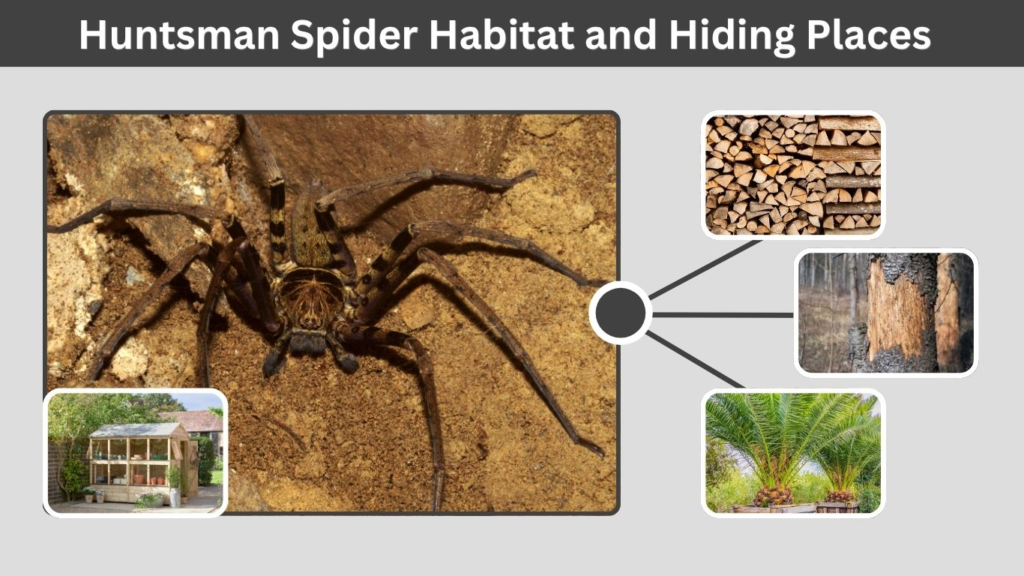
Florida huntsman spiders prefer warm sheltered locations where insects are plentiful. Their flattened bodies allow them to squeeze into narrow hiding spaces during the daytime.
Outdoor Habitats
Common outdoor hiding places include:
- Tree bark
- Palm trees
- Wood piles
- Garden sheds
- Fences and walls
- Under rocks and debris
These areas provide both shelter and access to insects.
Indoor Hiding Spots
Inside homes, huntsman spiders may hide behind furniture, curtains, storage boxes, or inside garages. Their nocturnal behavior means they are usually more active at night.
Why Huntsman Spiders Enter Homes
Huntsman spiders often enter buildings while hunting insects such as roaches and moths. Rainy weather and temperature changes may also push them indoors temporarily.
Florida Huntsman Spider Ecosystem Impact
Although many people fear large spiders, huntsman spiders play an important role in controlling insect populations throughout Florida ecosystems.
Natural Pest Control Benefits
Huntsman spiders help reduce pest insects by feeding on:
- Cockroaches
- Crickets
- Moths
- Beetles
- Other household insects
This hunting behavior can benefit gardens and homes naturally.
Potential Invasive Species Concerns
Some scientists consider certain huntsman species non-native to Florida. Introduced spiders may compete with native species for food and habitat resources.
Role in Florida Food Web
Huntsman spiders serve as both predators and prey in Florida ecosystems. Birds, reptiles, and other animals may feed on them while the spiders help control insect populations.
Common Myths About Huntsman Spiders
Large spiders often become the subject of exaggerated stories online. Many myths about huntsman spiders create unnecessary fear among homeowners.
“Giant Deadly Spider” Myths
Internet stories sometimes exaggerate huntsman spider size and danger levels. While these spiders look intimidating, they are not considered deadly to humans.
Huntsman Spider Florida vs Australia
Australian huntsman spiders are often larger than Florida species. Viral photos online may also use perspective tricks that make spiders appear much bigger than reality.
Can Huntsman Spiders Jump?
Huntsman spiders are known for running quickly, not jumping long distances. Their rapid movement often causes people to mistakenly believe they are jumping spiders.
How to Prevent Huntsman Spiders Around Homes
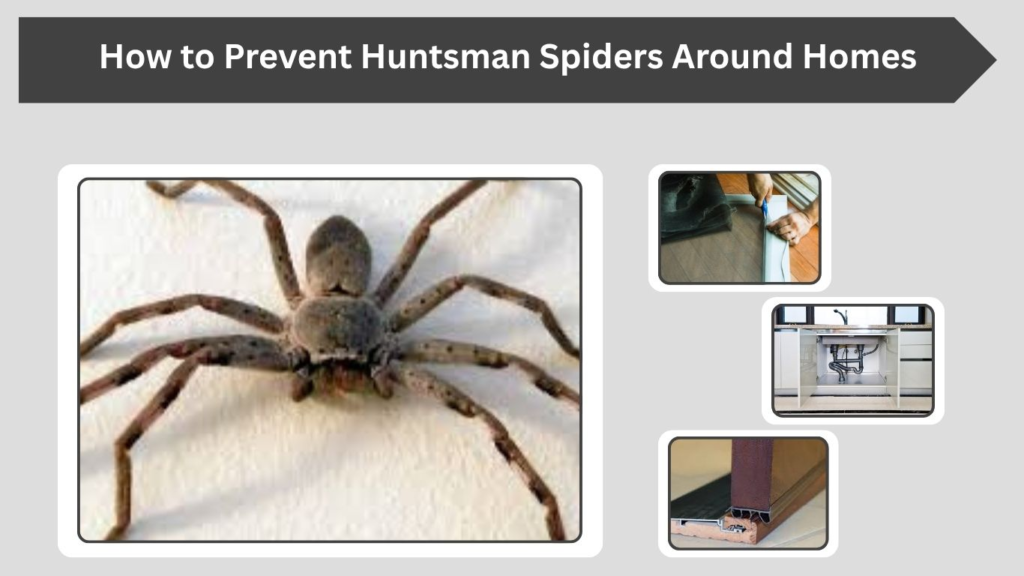
Most huntsman spiders wander indoors accidentally while searching for food or shelter. Reducing insect populations and sealing entry points can help lower spider activity around homes.
Sealing Entry Points
Helpful prevention steps include:
- Repair window screens
- Seal cracks and gaps
- Close openings around pipes
- Install door sweeps
- Reduce clutter near entrances
These changes make it harder for spiders to enter buildings.
Reducing Insect Prey
Since huntsman spiders hunt insects, reducing roaches, moths, and other pests may also reduce spider activity indoors.
Safe Spider Removal Methods
A glass container and stiff paper can safely capture and release huntsman spiders outdoors. Large infestations may require professional pest control assistance.
FAQs
Are huntsman spiders in Florida dangerous?
Most huntsman spiders in Florida are not dangerous to humans and usually avoid contact with people.
How big do huntsman spiders get in Florida?
Their body length is often around one to two inches, while the leg span may stretch several inches wide.
Are huntsman spiders poisonous or venomous?
Huntsman spiders are venomous because they use venom to hunt prey, but their venom is not considered highly dangerous to humans.
What is the difference between a wolf spider and a huntsman spider?
Huntsman spiders have flatter bodies and sideways legs, while wolf spiders are thicker and have more forward-facing legs and eyes.
Why do huntsman spiders enter homes and cars?
They usually enter homes or vehicles while searching for insects, shelter, or protection from weather changes.
