
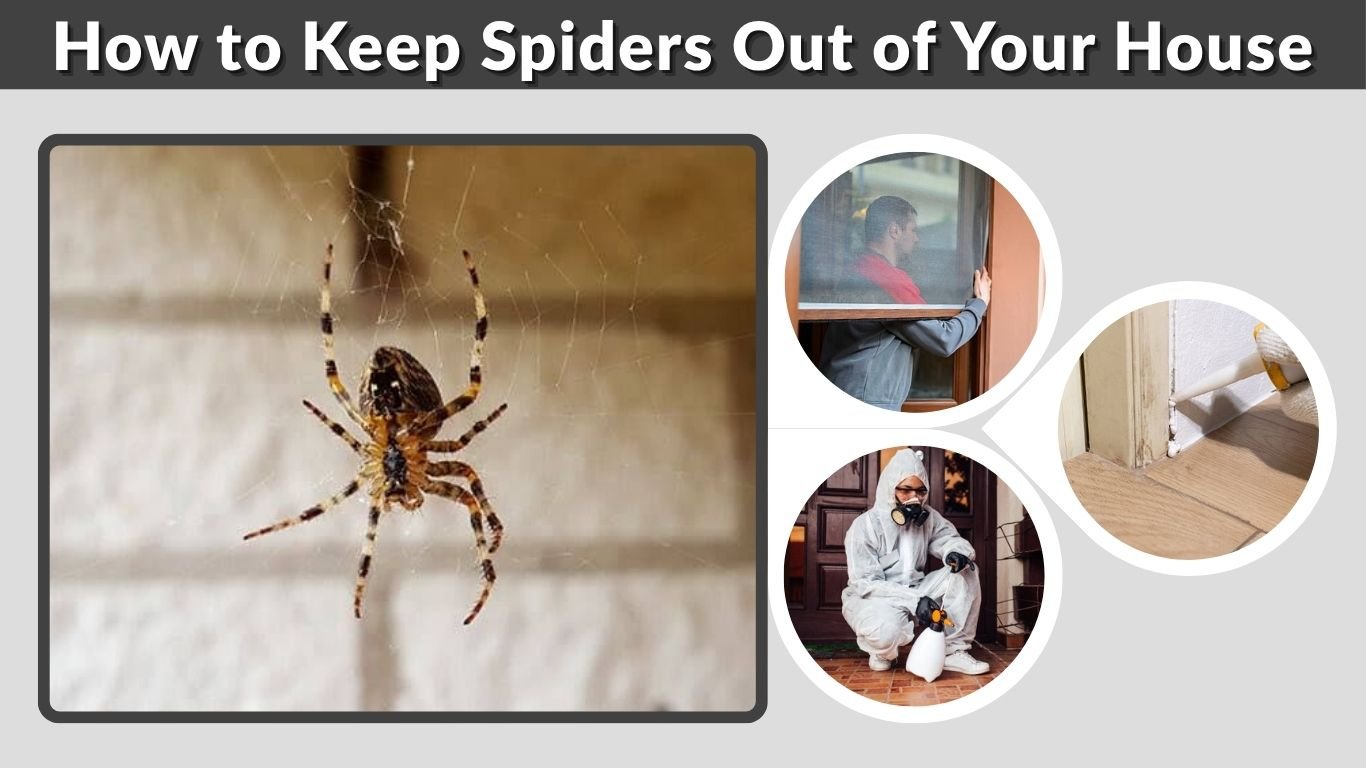
Spiders often enter homes searching for shelter, food, or suitable hiding places. While most household spiders are harmless, finding them in bedrooms, basements, and living spaces can be unpleasant. Learning how to keep spiders out of your house can help reduce unwanted encounters throughout the year. Simple preventive measures, such as sealing cracks, maintaining clean storage areas, and controlling household insects, can make a significant difference. This guide explains 10 practical ways to prevent spiders from entering, including natural methods and tips for specific spider species.
Why Do Spiders Keep Coming Into Your House?
Spiders may enter houses through small openings around doors, windows, foundations, and utility pipes. Some species accidentally wander indoors, while others establish themselves in quiet areas where they can find food and shelter.
Several conditions can encourage spider activity, including:
- Available food: Flies, moths, mosquitoes, and other insects attract spiders.
- Hidden spaces: Cluttered closets, basements, and storage rooms provide shelter.
- Entry points: Cracks, damaged screens, and gaps beneath doors allow spiders inside.
- Outdoor conditions: Vegetation, firewood, and debris close to exterior walls provide hiding places.
Understanding these conditions helps you choose effective preventive measures.
10 Best Ways to Keep Spiders Out of Your House
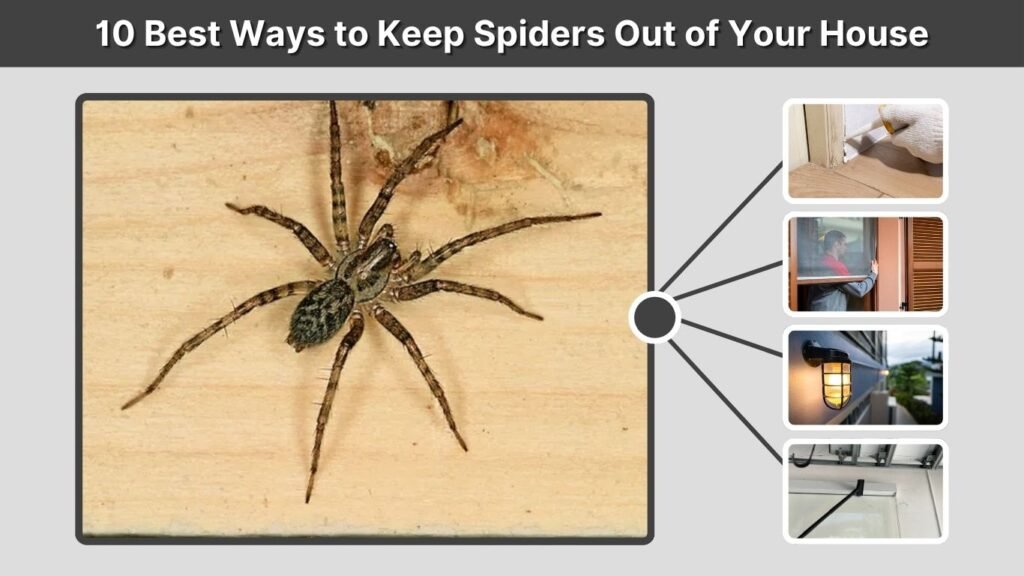
Keeping spiders outside requires a combination of regular maintenance, cleaning, and pest prevention. Rather than relying on spider sprays alone, focus on eliminating entry points and making indoor environments less attractive. The following methods can help reduce spider activity in different areas of your home.
1. Seal Cracks and Gaps Around Your House
Sealing entry points is one of the most effective ways to prevent spiders from entering.
Inspect foundations, exterior walls, window frames, and areas around plumbing pipes for visible gaps. Use suitable caulk to close small cracks and appropriate sealant for larger openings.
Pay special attention to basement windows and garage entrances because these areas frequently provide access for ground-dwelling spiders.
2. Install Door Sweeps and Repair Window Screens
Spiders can enter through damaged window screens and gaps beneath exterior doors.
Install properly fitted door sweeps, replace torn screens, and apply weatherstripping where needed. Check sliding doors and garage doors for openings that remain visible when closed.
These improvements also help keep ants, flies, mosquitoes, and other household insects outside.
3. Keep Storage Areas Clean and Organized
Spiders prefer undisturbed spaces where they can hide and build webs.
Regularly organize closets, garages, attics, and basements. Store seasonal clothing and household items in sealed plastic containers rather than open cardboard boxes.
Avoid leaving piles of clothes, newspapers, or unused materials on the floor. Keeping storage areas accessible makes inspections and cleaning easier.
4. Remove Vegetation and Debris Near Your House
Overgrown plants, fallen leaves, and woodpiles provide shelter for outdoor spiders.
Trim shrubs and branches touching exterior walls. Clear accumulated leaves, discarded materials, and unnecessary clutter from around the foundation.
Store firewood away from the house and inspect individual pieces before carrying them indoors. You do not need to eliminate beneficial spiders throughout your garden.
5. Adjust Outdoor Lighting
Outdoor lights attract flying insects, which may attract spiders looking for food.
Turn off unnecessary exterior lights at night and consider warm-colored or yellow-toned bulbs that attract fewer insects.
Where practical, position security lighting away from windows and doorways. This helps reduce insect activity immediately around common spider entry points.
6. Control Insects Inside Your House
Reducing household insects is an important part of long-term spider prevention.
Keep kitchen surfaces clean, store food in sealed containers, and empty garbage regularly. Repair leaking plumbing and prevent insects from entering through damaged screens.
If ants, flies, or cockroaches are present, identify and address the source of the infestation. Fewer available prey insects can make indoor areas less attractive to spiders.
7. Remove Spider Webs Regularly
Regular cleaning helps prevent web-building spiders from establishing themselves indoors.
Use a vacuum cleaner or soft broom to remove webs from ceiling corners, window frames, doorways, and storage areas.
Inspect sheltered locations for egg sacs and remove them carefully. Dispose of vacuum contents in a sealed bag when collecting spiders or egg sacs.
8. Inspect Items Before Bringing Them Inside
Spiders sometimes enter homes inside boxes, potted plants, firewood, and outdoor equipment.
Inspect packages and stored items before carrying them indoors. Check underneath plant pots and around outdoor furniture that has been sitting unused.
Shake out gardening gloves, shoes, and clothing stored in garages or sheds, particularly in regions where medically significant spiders occur.
9. Reduce Excess Moisture
Moisture problems can support insects that become food for spiders.
Fix leaking faucets and pipes, improve bathroom ventilation, and investigate persistently damp basement areas.
A dehumidifier may help in spaces with excessive humidity. Reducing moisture is especially useful when spider activity occurs alongside other household pests.
10. Use Sticky Traps to Monitor Spider Activity
Sticky traps can help identify areas where wandering spiders frequently travel.
Place them along baseboards, behind furniture, and near suspected entry points. Check traps regularly to determine whether spider activity is increasing or decreasing.
Keep traps inaccessible to pets and children. They should supplement cleaning and exclusion rather than replace those preventive measures.
How to Keep Spiders Out of Your House Naturally
Natural spider prevention works best when it focuses on physical barriers and habitat management. Sealing openings, removing clutter, controlling insects, and cleaning webs are effective nonchemical approaches.
Peppermint oil and chestnuts are sometimes recommended as natural spider repellents. Limited laboratory research suggests that they may deter certain species, but there is insufficient evidence that they reliably protect an entire house.
Vinegar and citrus sprays are also popular home remedies, although their preventive effectiveness is not well established. Essential oils may be harmful to pets, particularly cats, so avoid using them without considering household safety.
For dependable results, prioritize cleaning and exclusion rather than relying on scented repellents.
How to Keep Different Types of Spiders Out of Your House
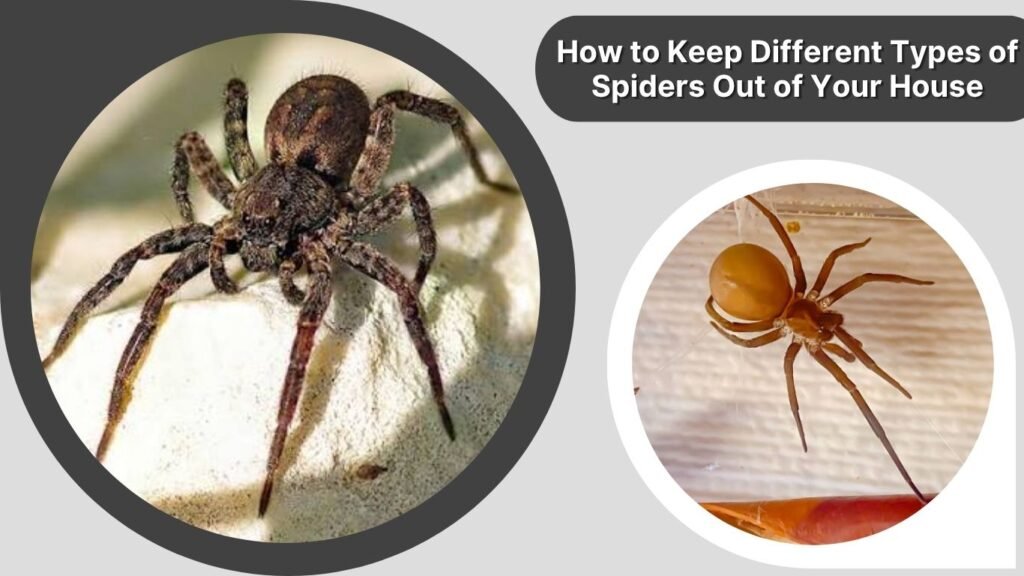
Different spiders have different behaviors and preferred habitats. Ground-hunting spiders may wander through doorways, while web-building species can settle around windows, storage areas, and sheltered corners. Identifying the type of spider can help you focus your prevention efforts.
How to Keep Wolf Spiders Out of Your House
Wolf spiders are active hunters that commonly live outdoors in grass, gardens, and beneath objects.
To prevent them from entering, install tight-fitting door sweeps, seal foundation cracks, and remove debris near exterior walls.
Keep garage entrances properly sealed and minimize insect activity close to your home. Wolf spiders do not build prey-catching webs, so removing webs alone will not prevent these wandering hunters.
How to Keep Brown Recluse Spiders Out of Your House
Brown recluse spiders are primarily established in parts of the south-central and midwestern United States. They prefer quiet, undisturbed spaces.
Keep storage areas organized and use tightly sealed containers for infrequently used belongings. Avoid leaving clothing and shoes on the floor.
In areas where brown recluses occur, move beds slightly away from walls and keep bedding from touching the floor. Wear gloves when handling stored materials.
If you suspect a brown recluse infestation, seek professional identification and pest management advice rather than attempting extensive treatment yourself.
How to Keep Black Widow and Jumping Spiders Out
Black widow spiders often occupy sheltered outdoor locations, including woodpiles, garages, and spaces beneath outdoor furniture.
Reduce debris, inspect stored materials, and seal openings that connect garages with living areas. Avoid reaching blindly into dark, undisturbed spaces.
Jumping spiders are generally harmless active hunters that may enter through windows and doors. Maintaining intact screens and reducing insects around windows can help limit their entry.
When Should You Call Professional Pest Control?
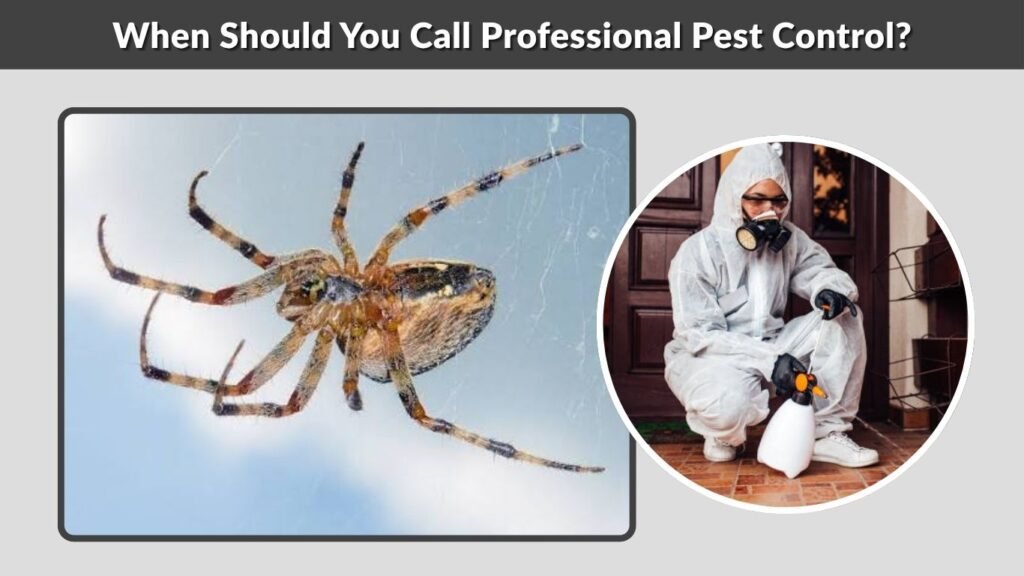
Occasional indoor spiders rarely require professional treatment. However, repeated sightings despite preventive measures may justify an inspection.
Professional assistance is particularly appropriate when black widows, brown recluses, or other potentially dangerous spiders are confirmed indoors.
Pesticides are usually unnecessary for occasional spiders, and general indoor spraying does not provide reliable long-term prevention. If treatment is required, use products labeled for the intended purpose and follow all safety instructions.
FAQs
What Is the Best Way to Keep Spiders Out of Your House?
Sealing cracks, repairing screens, installing door sweeps, and reducing household insects are among the most effective preventive methods. Regular cleaning also helps reduce hiding places.
What Smell Keeps Spiders Away?
Peppermint oil may repel certain spider species under laboratory conditions, but no particular scent is proven to keep all spiders out of a house.
How Do You Keep Spiders Out of Your Bedroom?
Seal gaps around bedroom windows, vacuum corners, reduce clutter beneath furniture, and inspect window screens. Avoid storing unused boxes and clothing on the floor.
Can You Completely Spider-Proof a House?
Completely preventing every spider from entering is unrealistic. However, maintaining physical barriers and reducing food sources and hiding places can substantially reduce indoor spider activity.
Do Conkers Really Keep Spiders Out of Your House?
Some research suggests that chestnuts can repel certain spiders in controlled experiments. However, placing conkers around a house has not been proven to provide reliable spider prevention.
