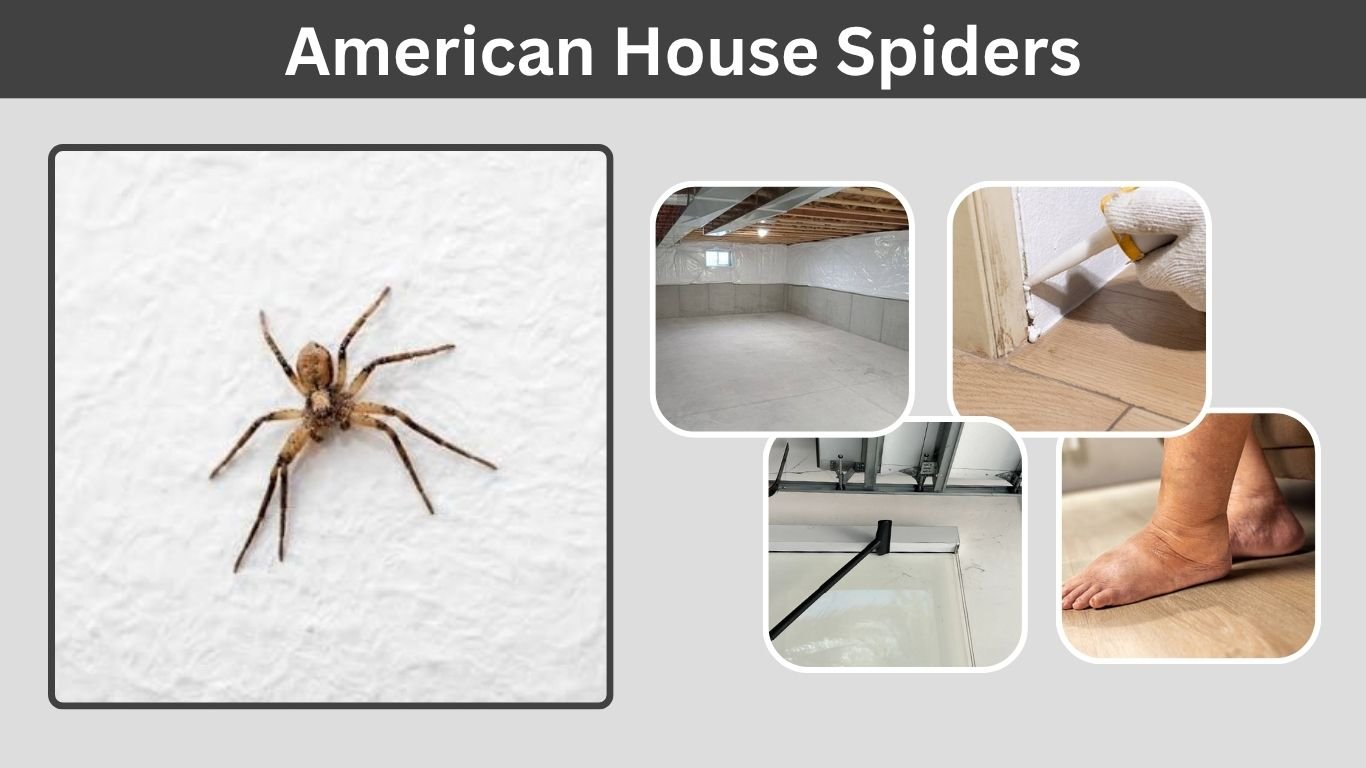
American house spiders are small, common spiders frequently found in homes, garages, basements, and outdoor structures across North America. Scientifically known as Parasteatoda tepidariorum, these spiders are recognized by their rounded abdomens, slender legs, and irregular cobwebs. Although their appearance may concern homeowners, American house spiders are generally harmless to humans and help control household insects. Understanding their identification, behavior, habitat, diet, and potential bites can help you decide whether to leave them alone or remove them safely.
What Are American House Spiders?
The American house spider (Parasteatoda tepidariorum), also called the common house spider, belongs to the family Theridiidae. This family includes cobweb-building spiders that capture insects using irregular silk webs.
American house spiders are widespread throughout the United States and other parts of North America. They commonly live near human structures because buildings provide sheltered web-building locations and access to insect prey.
Unlike wandering hunters, these spiders spend much of their time in webs, waiting for insects to become trapped. They are not typically aggressive toward humans and generally avoid unnecessary contact.
How to Identify American House Spiders
American house spiders have distinctive physical features that help distinguish them from other common North American house spiders. Their small bodies, rounded abdomens, and tangled webs make them relatively easy to recognize.
American House Spider Appearance
- Color: Yellowish-brown, gray, tan, or dark brown, often with mottled patterns.
- Body shape: Rounded or teardrop-shaped abdomen with a smaller front body section.
- Legs: Eight thin, moderately long legs, frequently marked with darker bands.
- Markings: Irregular spots, pale patches, or chevron-shaped patterns on the abdomen.
- Web: Messy, irregular cobwebs rather than organized circular webs.
Female American house spiders usually measure approximately 5–8 mm in body length, while males are generally smaller, around 4 mm. These measurements exclude their legs.
Unlike wolf spiders, which actively hunt insects, American house spiders usually remain in their webs. Their rounded abdomens may resemble those of widow spiders, but their mottled markings and other physical characteristics help distinguish them.
Where Do American House Spiders Live?
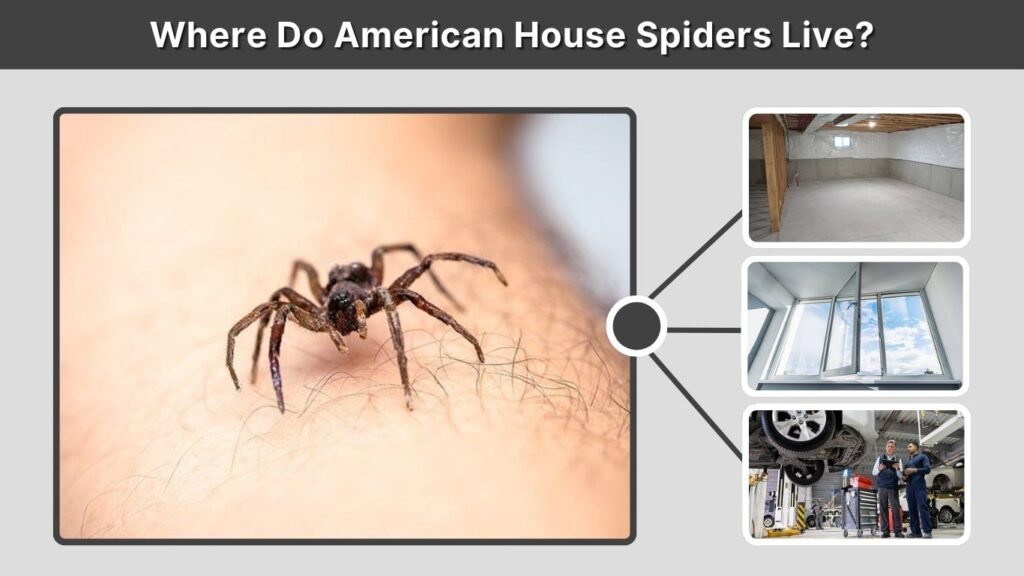
American house spiders prefer sheltered locations that provide protection from weather and regular access to insects. They are commonly found both indoors and around the exterior of buildings.
Typical hiding places include:
- Basement corners and crawl spaces.
- Window frames and ceiling corners.
- Garages, sheds, and storage rooms.
- Behind furniture and household appliances.
- Under decks, roof eaves, and outdoor structures.
These spiders frequently construct webs where walls, ceilings, or other surfaces meet. They may abandon older webs and build new ones nearby, creating noticeable cobweb accumulations.
Although more visible during warmer months, American house spiders can remain active inside buildings throughout the year.
Are American House Spiders Poisonous or Dangerous?
American house spiders are venomous but generally not dangerous to humans. Their venom helps immobilize small insects, but it is not considered medically significant under normal circumstances.
The terms poisonous and venomous have different meanings. Poisonous animals cause harm when eaten or touched, while venomous animals deliver toxins through bites or stings.
American house spiders use venom to capture prey. However, they rarely bite people, and serious reactions are exceptionally uncommon.
They are not considered dangerous in the same way as black widow or brown recluse spiders. Nevertheless, individuals with unusual reactions following a suspected spider bite should seek medical advice.
Do American House Spiders Bite Humans?
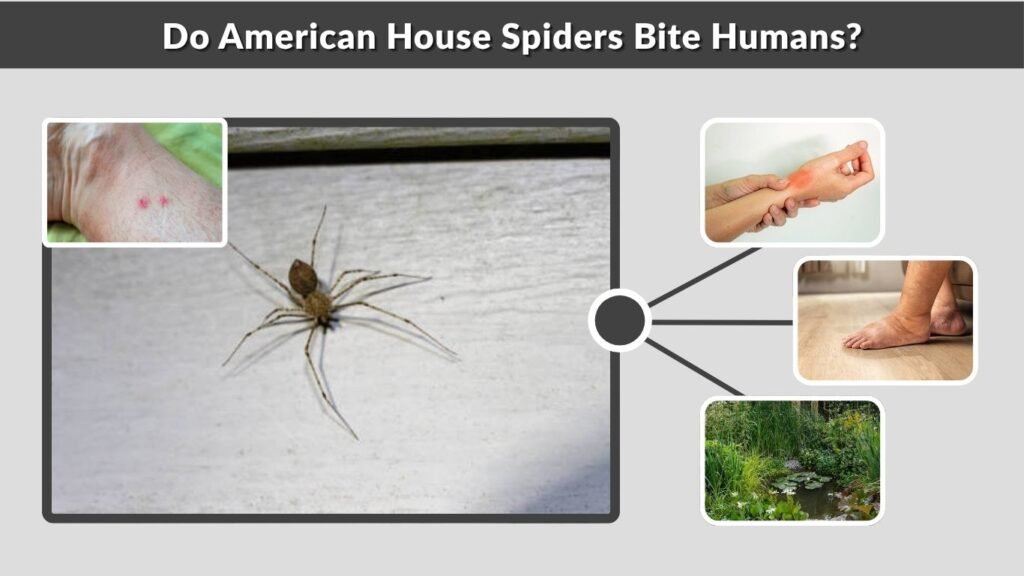
Yes, American house spiders can bite humans, but bites are uncommon. These spiders are generally shy and prefer retreating into their webs rather than confronting people.
A bite may occur if a spider becomes trapped against someone’s skin or is accidentally squeezed while handling household objects.
What Does an American House Spider Bite Look Like?
A suspected American house spider bite may produce mild symptoms, including:
- Slight redness around the affected area.
- Minor swelling or localized discomfort.
- Mild itching or skin irritation.
However, these symptoms are not specific to spider bites. Many skin conditions and other insect bites can look similar, so identification based on a skin mark alone is unreliable.
How to Treat an American House Spider Bite
If you suspect a minor bite, gently wash the area with soap and water. Apply a cool compress for approximately 15 minutes to reduce discomfort and swelling.
Avoid scratching the affected skin. Seek urgent medical attention if breathing difficulties, severe pain, rapidly spreading redness, or significant swelling develops, particularly when the spider has not been confidently identified.
What Do American House Spiders Eat?
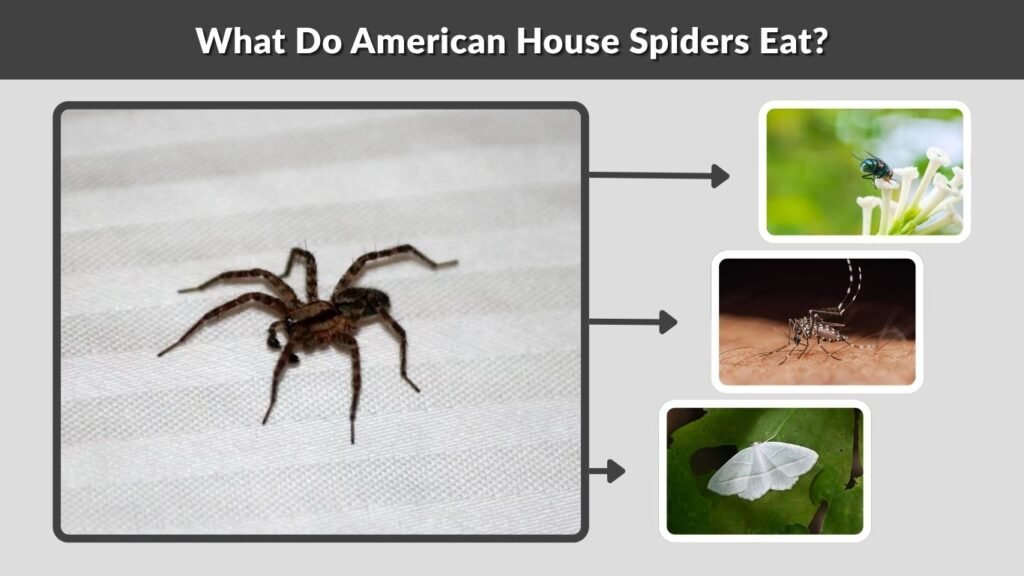
American house spiders are carnivorous predators that feed primarily on small insects and other arthropods. Their sticky, tangled webs allow them to capture prey without actively pursuing it.
Common prey includes:
- Flies and mosquitoes.
- Small moths and gnats.
- Ants and other crawling insects.
- Small cockroaches.
- Other spiders and arthropods.
When an insect becomes trapped, the spider approaches and uses silk and venom to subdue it. Digestive fluids help break down the prey before the spider consumes it.
This feeding behavior makes American house spiders beneficial predators that naturally reduce certain household pest populations.
How Long Do American House Spiders Live?
American house spiders can live for a year or longer after reaching maturity, although actual lifespan varies with environmental conditions, food availability, and other factors.
Their development begins inside an egg sac. After hatching, young spiders undergo several molts before reaching adulthood.
Female American house spiders may produce multiple light-brown, papery egg sacs within their webs. Each sac can contain numerous eggs, allowing populations to increase when conditions are favorable.
The young spiders eventually disperse and establish their own webs. Indoors, stable temperatures and available prey can support continued activity across different seasons.
Benefits of American House Spiders
Although homeowners often remove cobwebs, American house spiders provide useful pest-control benefits.
By feeding on flies, mosquitoes, cockroaches, and other small insects, they help limit some unwanted arthropods indoors. Their presence can also indicate that insect prey is available nearby.
Unlike termites or certain beetles, American house spiders do not eat wood or damage building materials. Their main inconvenience comes from accumulated webs and egg sacs.
For homeowners comfortable with spiders, leaving one undisturbed in an out-of-the-way location can provide some natural insect control.
How to Get Rid of American House Spiders
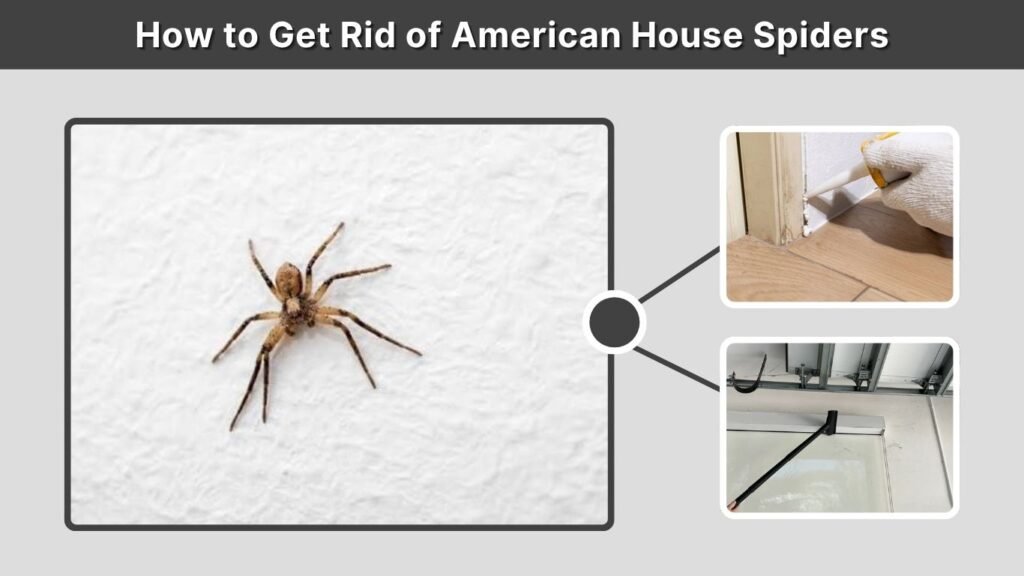
Removing American house spiders usually does not require chemical pesticides. Regular cleaning, limiting insects, and preventing entry are often effective ways to manage their numbers.
1. Remove Spiders and Cobwebs
Vacuum corners, ceiling edges, window frames, and other web-building locations. Remove old webs and egg sacs to discourage repeated web construction.
2. Seal Gaps and Cracks
Inspect windows, doors, foundation openings, and utility entry points. Seal small gaps using appropriate caulk or weatherstripping to reduce spider entry.
3. Reduce Household Insects
Keep food properly stored, clean crumbs, manage garbage, and repair damaged window screens. Reducing insect prey makes indoor spaces less attractive to spiders.
4. Keep Storage Areas Clean
Organize basements, closets, and garages. Avoid leaving unnecessary cardboard boxes and clutter in undisturbed corners.
5. Relocate Individual Spiders
If you prefer not to kill spiders, carefully capture one using a transparent container and stiff paper, then release it into a suitable sheltered outdoor location.
Consistent cleaning and exclusion are generally more sustainable than relying on insecticides alone.
FAQs
1. Are American house spiders aggressive?
No. American house spiders are generally non-aggressive and rarely bite humans. They normally remain in their webs and avoid unnecessary confrontation.
2. How big do American house spiders get?
Adult female American house spiders typically have a body length of 5–8 mm, while males are usually around 4 mm. Their legs make their overall appearance larger.
3. Can American house spiders jump?
American house spiders are not specialized jumping spiders. They mainly move by crawling along surfaces and silk threads, relying on webs to capture prey.
4. Are American house spiders harmful to pets?
American house spiders are not generally considered dangerous to household pets. However, consult a veterinarian if a pet develops concerning symptoms after contact with an unidentified spider.
5. Why are there so many American house spiders in my house?
Numerous spiders may indicate abundant insect prey, accessible entry points, and suitable sheltered locations. Removing webs, reducing clutter, and controlling insects can help lower their numbers.
