
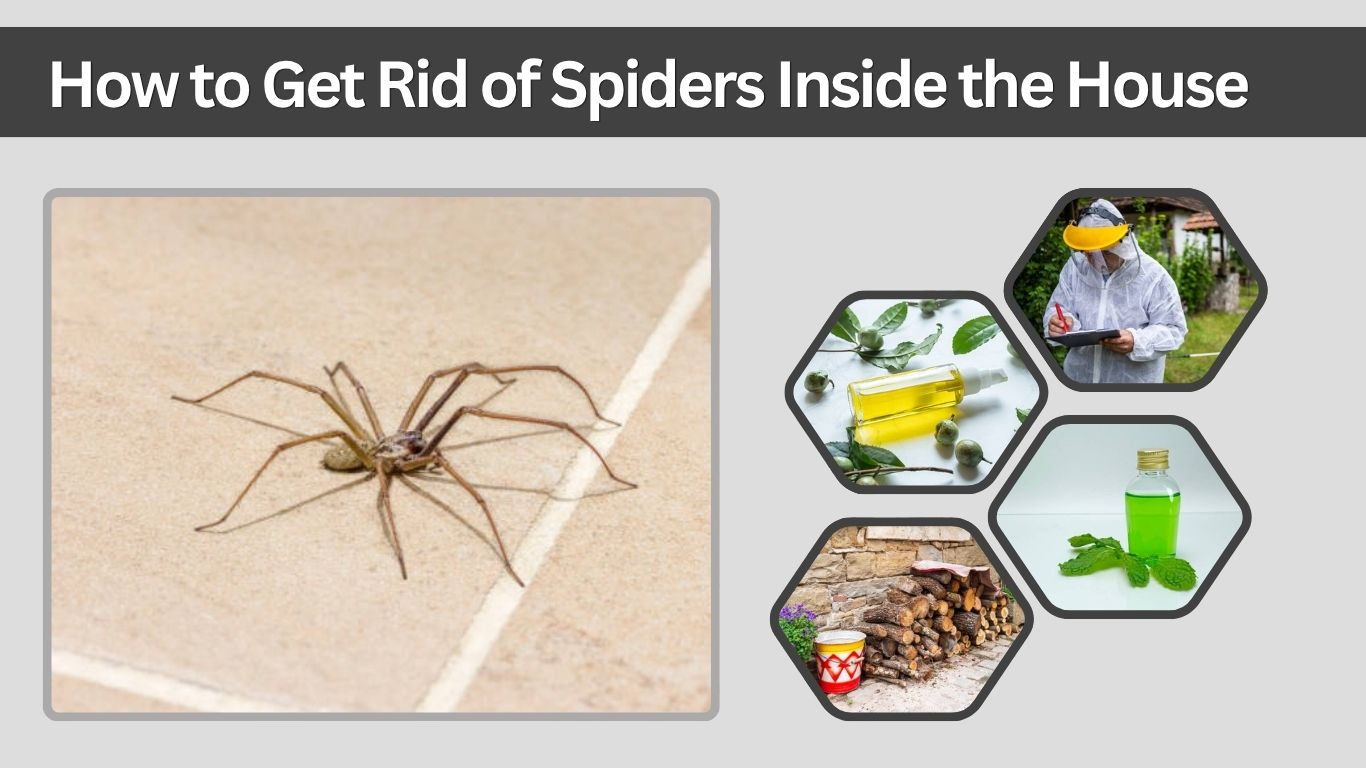
Spiders inside the house can be unsettling, especially when they appear in corners, ceilings, or hidden spaces. While most spiders are harmless and even help control other insects, their presence can still make your home feel uncomfortable. The good news is that you don’t need harsh chemicals or complicated methods to deal with them. With the right approach, you can both remove existing spiders and prevent new ones from coming in. In this guide, you’ll discover seven practical and effective ways to keep your home spider-free for good.
1. Keep Your Home Clean and Clutter-Free

A clean and organized home is one of the most effective ways to prevent spiders from settling in. Spiders are attracted to dark, undisturbed areas where they can hide and find food. By reducing clutter and maintaining cleanliness, you remove both their shelter and their food source, making your home far less inviting.
Remove Clutter from Key Areas
Spiders love hiding in piles of unused items, especially in basements, attics, and storage rooms. Old boxes, stacks of clothes, and rarely used items create perfect hiding spots. Keeping these areas organized and minimizing unnecessary items helps eliminate places where spiders can live undisturbed.
Regular Dusting and Vacuuming
Routine cleaning plays a big role in spider control. Dusting corners, ceilings, and behind furniture removes webs and egg sacs, while vacuuming helps get rid of insects that spiders feed on. Consistent cleaning disrupts their habitat and discourages them from returning.
Cleaning Checklist to Prevent Spiders
- Vacuum corners, ceilings, and under furniture weekly
- Declutter storage spaces regularly
- Dispose of unused cardboard boxes
- Clean behind appliances and furniture
- Keep closets neat and well-organized
2. Seal Entry Points Around the House
Spiders often enter homes through tiny cracks and openings that are easy to overlook. Sealing these entry points is a simple yet powerful way to stop spiders before they even get inside. By blocking their access, you create a strong first line of defense against infestations.
Identify Common Entry Points
Spiders can slip through small gaps around windows, doors, vents, and even utility lines. Cracks in walls, loose window frames, and damaged screens are also common entry spots. Carefully inspecting these areas helps you find and fix the problem early.
How to Seal Cracks and Gaps
Once you locate entry points, sealing them properly is essential. Use caulk for small cracks, install weather stripping around doors and windows, and repair or replace damaged screens. These fixes not only keep spiders out but also improve energy efficiency.
Materials You Can Use for Sealing
- Silicone caulk for small cracks and gaps
- Weather stripping for doors and windows
- Door sweeps to block bottom gaps
- Mesh screens for vents and windows
- Expanding foam for larger openings
3. Use Natural Spider Repellents

Natural repellents are a safe and effective way to keep spiders away without using harsh chemicals. Many strong scents disrupt spiders’ senses, making your home an unwelcoming environment for them while remaining safe for your family and pets.
Essential Oils That Repel Spiders
Certain essential oils, such as peppermint, tea tree, and eucalyptus, are known to repel spiders. These oils have strong scents that spiders dislike, and when used regularly, they can help keep spiders from entering or staying in your home.
DIY Natural Spray Recipe
You can easily make a homemade spider repellent spray by mixing a few drops of essential oil with water and a small amount of dish soap. Spray it around windows, doors, corners, and other areas where spiders are commonly seen.
Best Natural Repellents to Try
- Peppermint oil mixed with water
- Vinegar and water solution
- Citrus peels placed in corners
- Tea tree oil spray
- Eucalyptus oil mixture
4. Reduce Outdoor Lighting Attraction
Outdoor lighting can unintentionally attract spiders by drawing in insects, which are their main food source. When insects gather around lights, spiders follow to hunt them. By adjusting your lighting strategy, you can reduce insect activity and make your home less appealing to spiders.
Why Lights Attract Spiders
Bright lights attract flying insects at night, creating an easy feeding ground for spiders. The more insects around your home, the higher the chance spiders will settle nearby.
Switch to Yellow or Sodium Lights
Certain types of bulbs, like yellow or sodium vapor lights, attract fewer insects compared to standard white lights. Switching to these options can significantly reduce spider activity.
Tips to Manage Outdoor Lighting
- Use motion sensor lights instead of constant lighting
- Turn off unnecessary lights at night
- Place lights away from doors and windows
- Install bug-repelling bulbs
- Keep curtains or blinds closed after dark
5. Maintain Proper Ventilation and Humidity
Spiders prefer damp, dark environments where they can thrive undisturbed. Controlling humidity and improving airflow in your home makes it less suitable for them to live and reproduce.
How Humidity Attracts Spiders
Moist areas like bathrooms, basements, and kitchens attract insects, which in turn attract spiders. High humidity also creates ideal conditions for spiders to settle comfortably.
Use Dehumidifiers and Ventilation
Using dehumidifiers and ensuring proper ventilation helps keep indoor air dry. Exhaust fans in bathrooms and kitchens are especially useful for reducing moisture levels.
Ways to Reduce Moisture at Home
- Use exhaust fans in bathrooms and kitchens
- Fix leaks and water issues quickly
- Run a dehumidifier in damp areas
- Improve airflow with fans or open windows
- Avoid drying clothes indoors excessively
6. Keep Outdoor Areas Well-Maintained

The condition of your home’s exterior plays a major role in preventing spiders from coming inside. Overgrown plants, debris, and poorly managed storage create perfect environments for spiders to live and eventually move indoors.
Trim Plants and Bushes Near the House
Plants and bushes that touch your walls act like bridges for spiders to enter your home. Keeping vegetation trimmed and away from the structure reduces their access points.
Manage Firewood and Storage
Firewood, unused furniture, and storage items kept close to the house can harbor spiders. Moving these items farther away and keeping them organized helps minimize spider habitats.
Outdoor Maintenance Tips
- Trim bushes and tree branches regularly
- Keep firewood stored away from the house
- Clean gutters to remove debris
- Clear leaves and organic waste
- Use sealed containers for outdoor storage
7. Use Safe Chemical or Professional Solutions

If spider problems become severe, stronger solutions may be necessary. Using safe chemical treatments or hiring professionals can effectively eliminate infestations while ensuring long-term control.
When to Use Insecticides
Insecticides are useful when natural methods are not enough. They can quickly reduce spider populations, especially in heavily infested areas.
Choosing Safe Spider Control Products
Look for products labeled as safe for indoor use and low in toxicity. Eco-friendly options are available that minimize harm to people and pets while still being effective.
Professional Pest Control Options
- Hire licensed pest control experts
- Ask for eco-friendly treatment options
- Schedule routine inspections
- Use targeted treatments for specific spider types
- Follow all safety instructions carefully
FAQs
How do I get rid of spiders quickly?
To remove spiders quickly, start by vacuuming visible spiders, webs, and egg sacs. Follow up with a natural repellent like peppermint spray around entry points. Combining immediate removal with prevention steps, such as sealing gaps and cleaning, ensures spiders don’t return soon after.
What attracts spiders into the house?
Spiders are mainly attracted by food sources (other insects), dark hiding spots, and moisture. Cluttered areas, bright outdoor lights, and small entry gaps also make it easier for them to enter and stay inside your home.
Are natural repellents really effective against spiders?
Yes, natural repellents like peppermint oil, vinegar, and citrus can be effective when used consistently. While they may not kill spiders instantly, they create an environment that spiders avoid, helping prevent them from settling in your home.
Is it safe to use chemical sprays indoors?
Chemical sprays can be safe if used according to instructions, but it’s best to choose low-toxicity or eco-friendly options. Always keep them away from children and pets, and consider natural methods first before using stronger treatments.
How can I prevent spiders from coming back?
Preventing spiders requires ongoing effort. Keep your home clean, seal all entry points, reduce moisture, and use repellents regularly. Maintaining outdoor areas and minimizing insect activity will also help keep spiders away long-term.
