
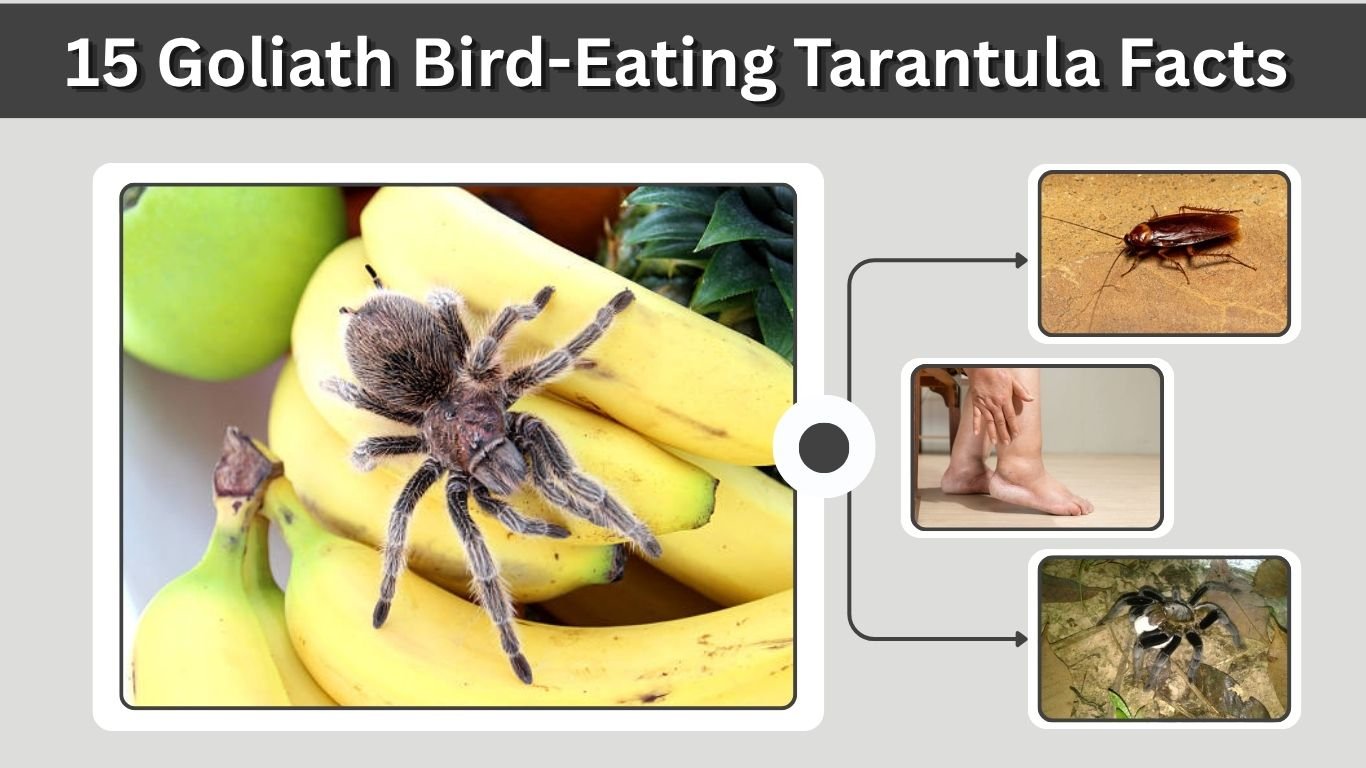
The Goliath bird-eating tarantula (Theraphosa blondi) is famous for its enormous body, powerful fangs and unusual defense mechanisms. Native to the tropical rainforests of northern South America, it is one of the most impressive spiders alive. Despite its frightening appearance and dramatic name, it does not normally hunt birds or pose a deadly threat to humans. Here are 15 fascinating Goliath bird-eating tarantula facts covering its size, habitat, diet, behavior, venom and reproduction.
| Quick fact | Details |
| Scientific name | Theraphosa blondi |
| Family | Theraphosidae |
| Maximum leg span | About 11–12 inches |
| Maximum weight | Approximately 6 ounces |
| Main habitat | Northern South American rainforest |
| Female lifespan | Up to about 20 years |
| Male lifespan | Approximately 3–6 years |
1. It Is the World’s Largest Tarantula
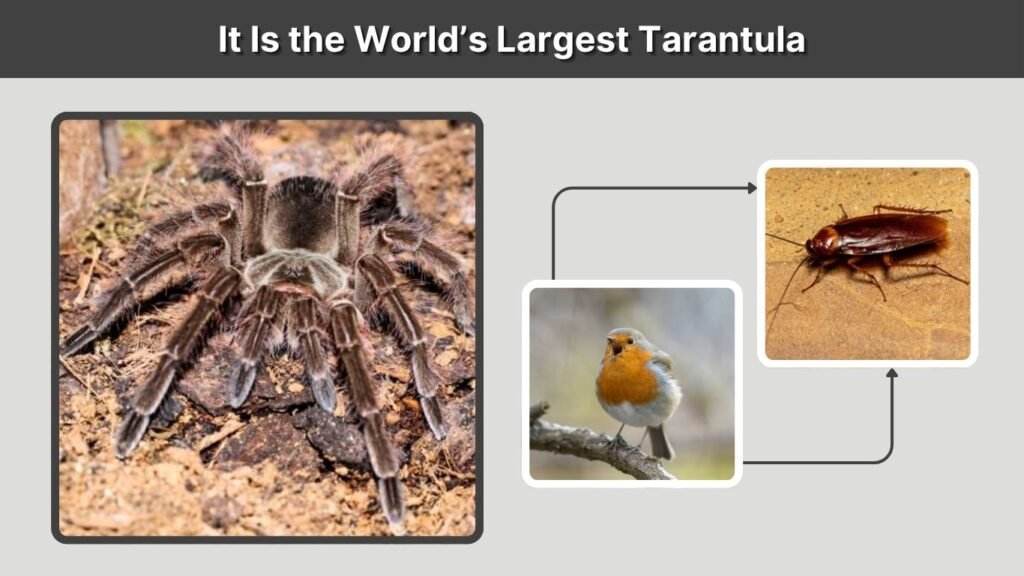
The Goliath bird-eating tarantula is generally recognized as the world’s largest tarantula by body size and mass. Its body can measure approximately 4.75 inches long, while its legs may span around 11–12 inches. Large specimens can weigh approximately six ounces, making them much heavier than most other spiders.
2. It Is Not the Longest-Legged Spider
Although it is exceptionally heavy and bulky, the Goliath birdeater does not necessarily have the longest legs of any spider. Some huntsman spiders can achieve a wider leg span. The Goliath birdeater earns its reputation through its combination of substantial body length, heavy weight and thick, muscular legs.
3. It Rarely Eats Birds
The name “bird-eating tarantula” is somewhat misleading because birds are not a regular part of its diet. The name developed partly from an old illustration depicting a large South American spider eating a hummingbird. A Goliath birdeater is capable of overpowering a small bird, but such events are unusual.
4. Insects Make Up Most of Its Diet
Most Goliath bird-eating tarantulas feed primarily on insects and other invertebrates. Their diet may include cockroaches, beetles, worms and other large arthropods. When the opportunity arises, they may also capture frogs, lizards, rodents and other animals small enough to overpower.
5. It Lives in Northern South America
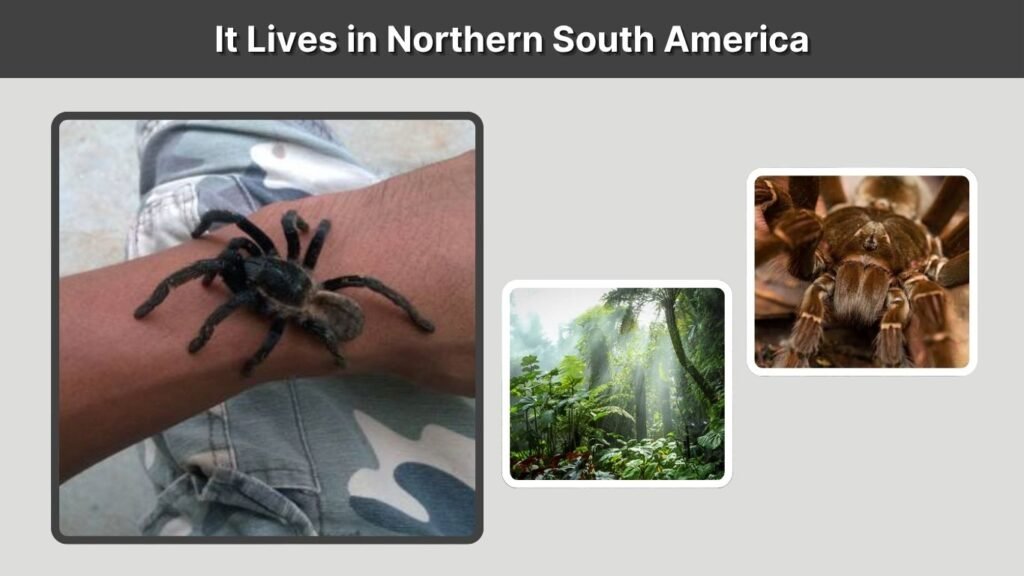
The Goliath bird-eating tarantula inhabits rainforest regions in Venezuela, Guyana, Suriname, French Guiana and northern Brazil. These areas provide the warm temperatures, high humidity, moist soil and abundant prey needed by this large terrestrial spider.
6. It Spends Much of Its Life in a Burrow
Unlike web-building spiders that construct traps between trees, the Goliath birdeater lives mainly on the ground. It shelters in silk-lined burrows beneath roots, rocks and forest debris. It may occupy an existing burrow or modify a suitable underground space for protection.
7. It Hunts Mostly at Night
The Goliath bird-eating tarantula is primarily nocturnal. It usually remains sheltered during daylight and becomes more active after dark. Rather than catching prey in a traditional web, it waits near its burrow or moves across the forest floor until it detects a potential meal.
8. It Has Poor Eyesight
Despite having eight eyes, the Goliath birdeater cannot see particularly well. It depends heavily on sensitive hairs covering its legs and body. These hairs detect movements and vibrations in the ground and air, helping the spider recognize nearby prey, predators and potential mates.
9. It Can Produce a Loud Hissing Sound
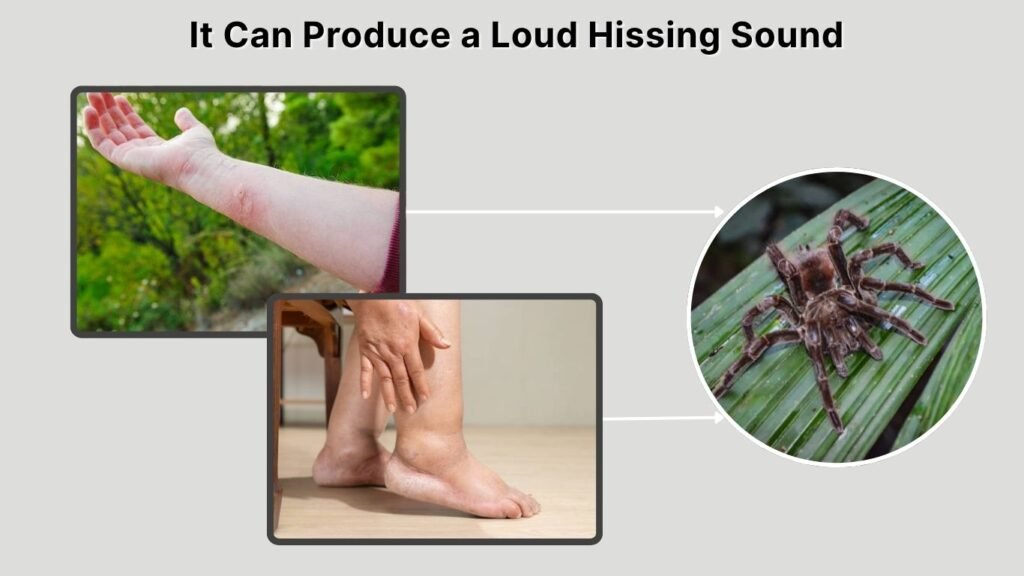
When threatened, the tarantula can rub specialized bristles on its legs together to create a hissing noise through a process called stridulation. According to the Smithsonian, the sound may be audible from as far as 15 feet away. It serves as a warning before the spider uses stronger defensive measures.
10. It Throws Irritating Hairs at Attackers
The Goliath birdeater possesses defensive hairs known as urticating hairs. When danger approaches, it can rub or kick these tiny barbed hairs from its abdomen toward the attacker. Contact may cause considerable irritation, especially when the hairs reach the eyes, nose, mouth or exposed skin.
11. Its Fangs Strike Downward
Like other tarantulas, the Goliath birdeater has fangs that move downward rather than working against each other like pincers. The fangs inject venom into prey and help hold it securely. Because the spider cannot chew or swallow solid pieces, digestive fluids liquefy the prey’s tissues before feeding.
12. Its Venom Is Not Usually Deadly to Humans
The Goliath bird-eating tarantula is venomous, but its venom is not considered lethal to a healthy human under ordinary circumstances. A bite may cause pain comparable to a wasp sting, along with swelling or discomfort. Its large fangs can also produce a significant puncture wound, so the spider should never be handled carelessly.
13. Females Live Much Longer Than Males
Female Goliath birdeaters may live for approximately 15–20 years under favorable conditions. Males generally survive for only three to six years and often die within months after mating. This lifespan difference is common among many tarantula species.
14. Females Can Produce Up to 200 Eggs
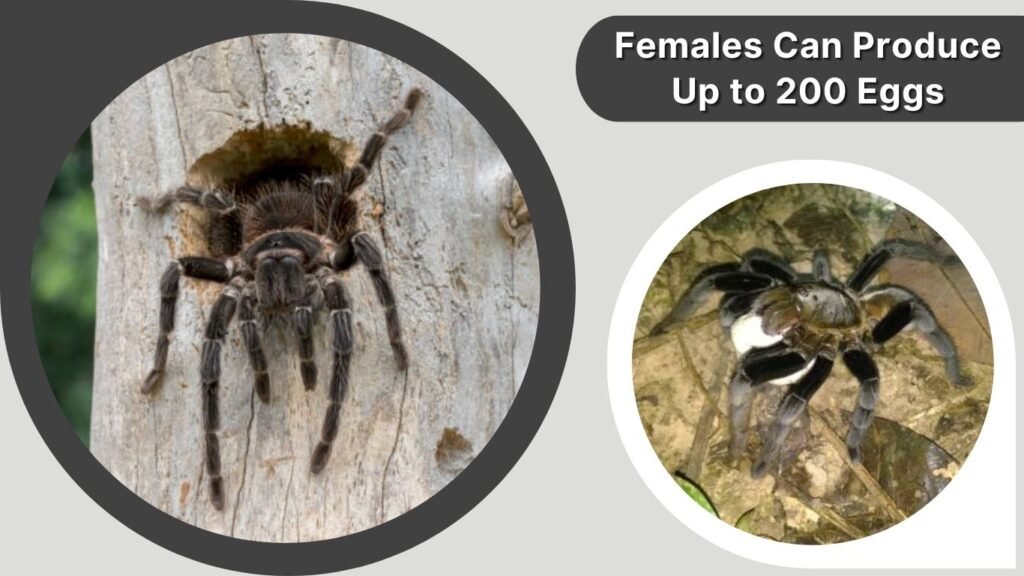
Following mating, the female creates a thick web and deposits approximately 50–200 eggs. She wraps them into a large protective egg sac and may carry it with her. A successful sac can contain around 70 developing spiderlings, although the number varies.
15. It Must Molt to Grow
The Goliath bird-eating tarantula has a rigid external skeleton that cannot expand continuously. To grow, it periodically sheds its old exoskeleton through molting. Young spiderlings may molt five or six times during their first year, while mature individuals molt less frequently. They generally require around two to three years to reach maturity.
FAQs
Is the Goliath bird-eating tarantula dangerous?
It can bite and release highly irritating hairs, but its venom is not normally fatal to humans. A bite can still be painful, and the large fangs may cause a deep wound. People should avoid touching or provoking wild specimens.
How big can a Goliath birdeater become?
Its body can grow to approximately 4.75 inches long, while its complete leg span may approach 11–12 inches. Large individuals can weigh around six ounces, although most specimens do not reach the maximum reported measurements.
Does the Goliath birdeater make a web?
It produces silk but does not build an aerial web to trap flying insects. Instead, it uses silk to line its underground burrow, create reproductive structures and protect its egg sac. It captures prey by ambushing or actively overpowering it.
What animals eat Goliath bird-eating tarantulas?
Potential predators include larger mammals, reptiles and specialized tarantula-hunting wasps. The spider protects itself by hiding inside its burrow, producing a warning hiss, displaying its fangs and releasing irritating urticating hairs.
Can a Goliath bird-eating tarantula be kept as a pet?
Experienced tarantula keepers sometimes maintain this species, but it is unsuitable for casual handling or inexperienced owners. Its large fangs, defensive hairs, moisture requirements and considerable adult size make safe housing and maintenance more demanding than with many beginner tarantulas.
