
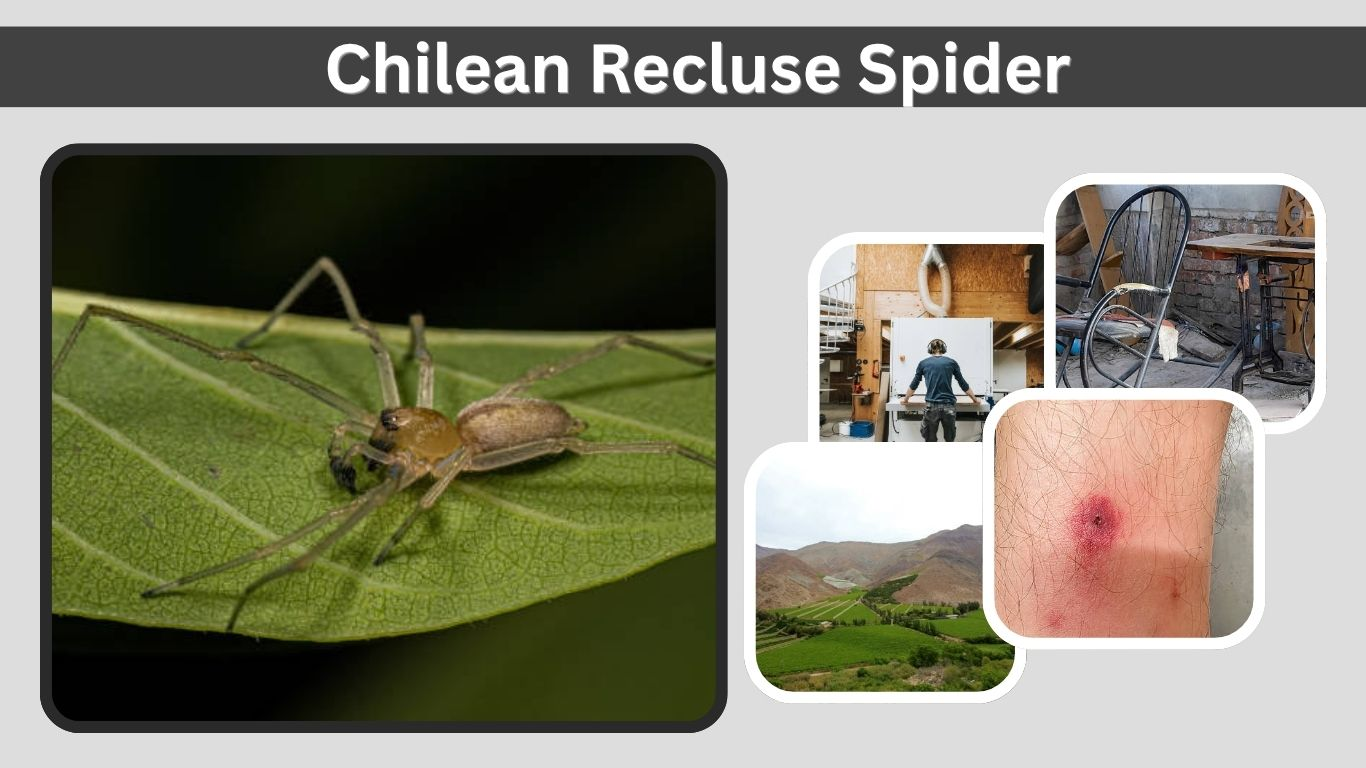
The Chilean recluse spider is considered one of the most medically significant recluse spiders in the world because of its highly toxic venom and potentially dangerous bite. Native to South America, this spider has gained global attention due to reports of painful bites, skin damage, and rare fatal reactions. Although it is closely related to the brown recluse spider, the Chilean recluse is generally regarded as more venomous. Learning how to identify this spider, understand its behavior, recognize bite symptoms, and know where it lives can help reduce fear and improve safety.
What Is the Chilean Recluse Spider?
The Chilean recluse spider, scientifically known as Loxosceles laeta, belongs to the recluse spider family. It is mainly found in South America, especially in Chile, Peru, and nearby regions. This spider prefers quiet indoor spaces where it can hide during the day and hunt at night.
The Chilean recluse is often compared to the brown recluse spider because both species share a violin-shaped marking on the body and possess necrotic venom. However, the Chilean recluse is generally larger and considered more dangerous.
Key Facts About the Chilean Recluse Spider
- Scientific name is Loxosceles laeta
- Native to South America
- Known for medically significant venom
- Usually active at night
- Prefers dark hidden indoor spaces
Why the Chilean Recluse Spider Is Feared
The fear surrounding the Chilean recluse spider mainly comes from its venom. In severe cases, bites may cause skin necrosis, blistering, fever, and tissue damage. Although serious complications are uncommon, the spider has developed a dangerous reputation because of the severity of some reported bites.
Despite this reputation, the spider is naturally shy and avoids human interaction whenever possible.
What Does a Chilean Recluse Spider Look Like?
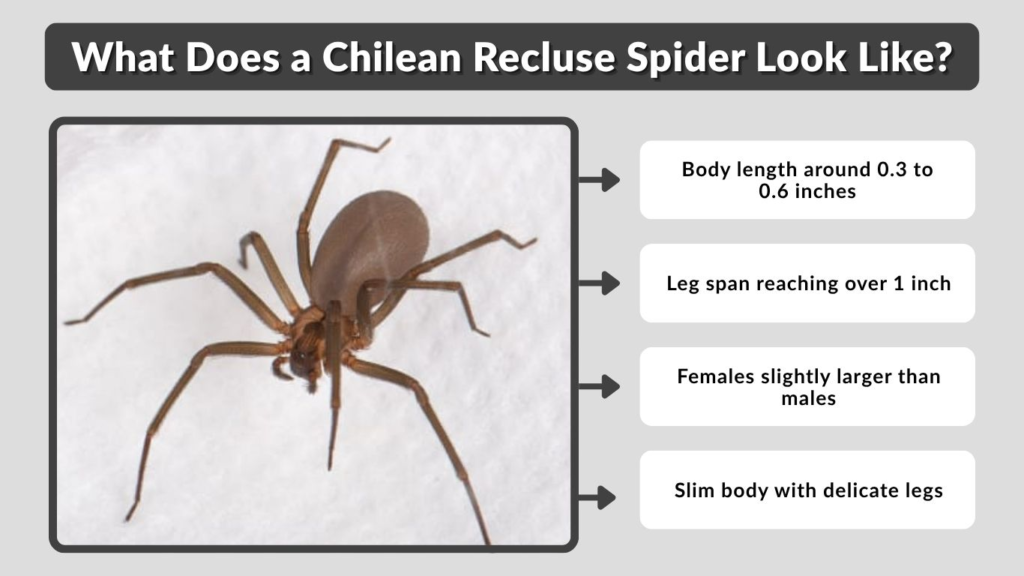
The Chilean recluse spider has a light brown to dark brown body with long thin legs and a small violin-shaped marking near the head region. Unlike many common house spiders, it has a smooth appearance without noticeable patterns or heavy hair.
Female Chilean recluse spiders are usually larger than males and may survive longer in stable indoor environments.
Chilean Recluse Spider Size
Adult Chilean recluse spiders are relatively small compared to many large hunting spiders, but their long legs make them appear bigger.
Typical size characteristics include:
- Body length around 0.3 to 0.6 inches
- Leg span reaching over 1 inch
- Females slightly larger than males
- Slim body with delicate legs
Male vs Female Chilean Recluse Spider
Male and female Chilean recluse spiders share similar coloring and markings, though females are often more robust in shape.
- Females usually live longer
- Males are slimmer and more active
- Females produce egg sacs
- Both sexes possess venom
Many online searches focus on young male Chilean recluse spider pictures because juvenile spiders can look slightly different from mature adults.
Chilean Recluse Spider vs Brown Recluse
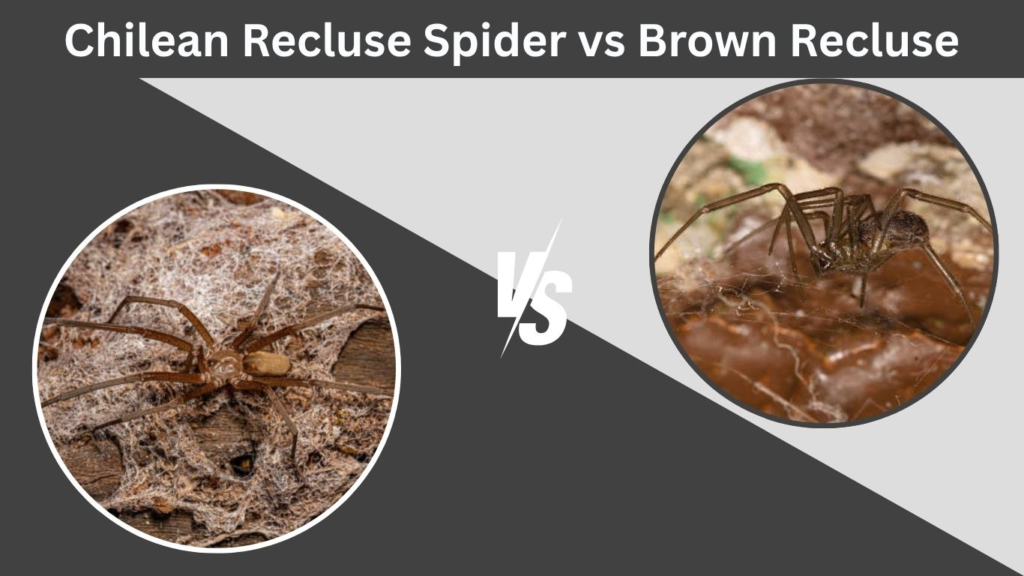
The Chilean recluse spider and brown recluse spider are closely related species, but important differences exist between them. While both spiders possess medically important venom, the Chilean recluse is considered more toxic overall.
The brown recluse is far more common in the United States, while the Chilean recluse is mostly associated with South America and isolated imported populations elsewhere.
Main Differences Between Chilean and Brown Recluse Spiders
| Feature | Chilean Recluse | Brown Recluse |
| Scientific Name | Loxosceles laeta | Loxosceles reclusa |
| Venom Strength | Stronger | Moderate |
| Main Range | South America | United States |
| Average Size | Slightly larger | Slightly smaller |
| Medical Risk | Higher | Lower |
Why Identification Matters
Many spider bites are incorrectly blamed on recluse spiders. Correct identification is important because medical treatment may vary depending on the actual species involved.
In some cases, harmless house spiders are mistaken for Chilean recluse spiders because of similar brown coloring and body shape.
Is the Chilean Recluse Spider Dangerous?
The Chilean recluse spider is considered dangerous because of its venom, but serious bites remain relatively rare. Most spiders bite only when trapped against the skin or disturbed accidentally inside clothing, bedding, or storage areas.
The spider is not naturally aggressive and prefers hiding rather than attacking humans. Most bites happen when people unknowingly press against the spider.
Can a Chilean Recluse Spider Kill You?
Fatal bites are extremely uncommon, but severe medical complications are possible in rare situations. Children, elderly individuals, and people with certain health conditions may face higher risks from serious venom reactions.
Potential severe effects include:
- Extensive tissue damage
- Fever and chills
- Nausea
- Blood complications
- Organ stress in rare cases
Prompt medical care greatly improves outcomes after a suspected Chilean recluse spider bite.
Chilean Recluse Spider Bite Symptoms
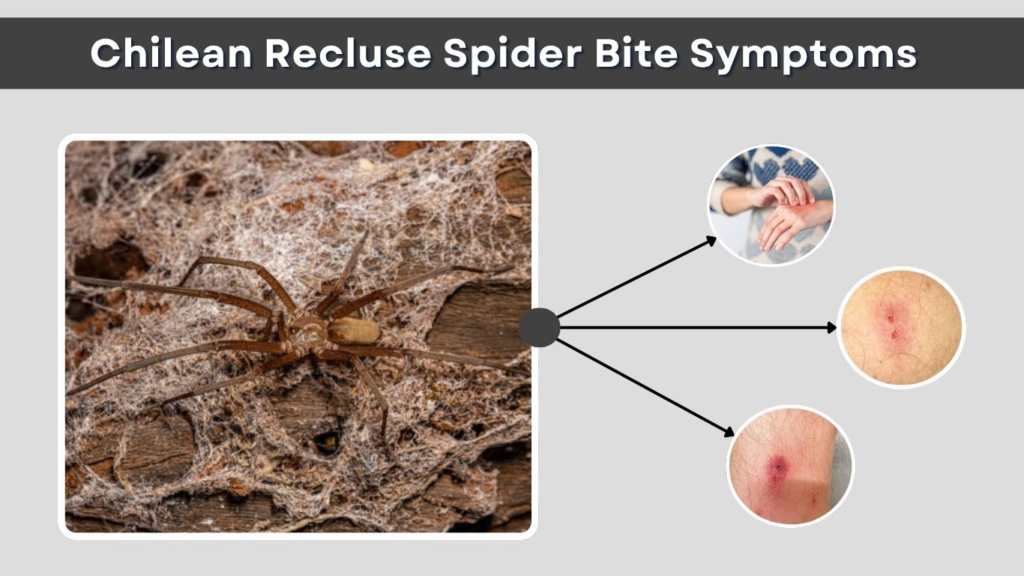
Symptoms from a Chilean recluse spider bite may vary from mild irritation to serious tissue injury. Some bites initially feel painless, while others create immediate burning sensations.
As venom spreads, symptoms may worsen over several hours or days depending on the amount of venom injected and the individual’s reaction.
Common Symptoms of a Bite
- Burning or stinging pain
- Redness around the bite
- Swelling and blister formation
- Skin discoloration
- Fever or fatigue
Chilean Recluse Spider Bite Blister
One of the most recognized symptoms is blister formation near the bite site. In severe cases, the skin may darken and develop necrotic tissue damage. Healing can sometimes take weeks or even months depending on the severity of the bite.
Chilean Recluse Spider Bite Treatment
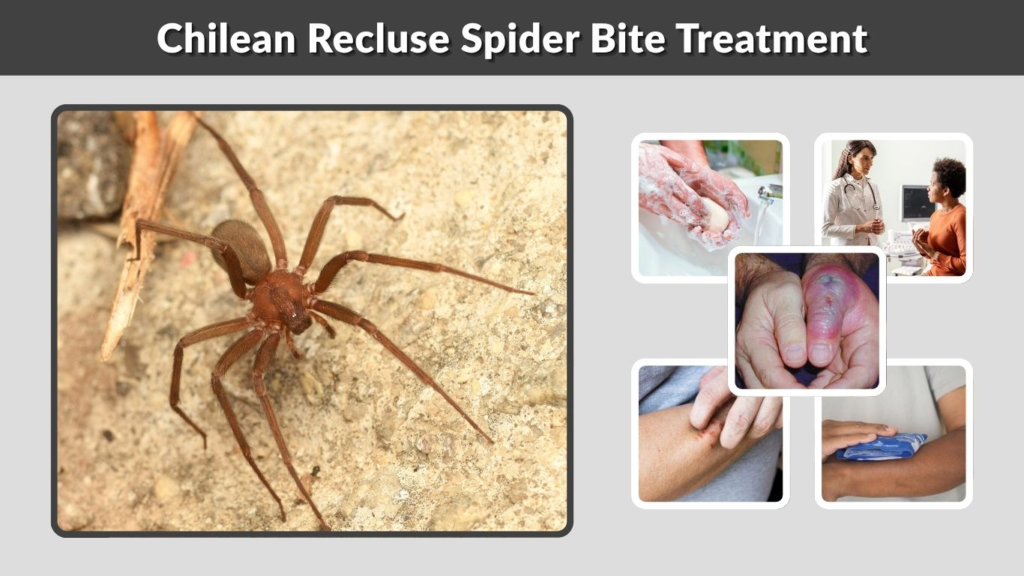
Proper treatment after a Chilean recluse spider bite is important because symptoms may become more severe over time. Even mild bites should be monitored carefully for changes in skin condition or overall health.
Medical professionals may recommend different treatments depending on the severity of the bite, the amount of tissue damage, and the patient’s symptoms. Early medical attention can reduce complications and improve recovery outcomes.
Immediate First Aid Steps
If a Chilean recluse spider bite is suspected, the following actions are commonly recommended:
- Wash the bite area with soap and water
- Apply a cold compress to reduce swelling
- Keep the affected area elevated
- Avoid scratching or squeezing the wound
- Seek medical advice if symptoms worsen
When Medical Treatment Is Needed
Some bites require professional medical care, especially if serious symptoms develop. Warning signs include spreading skin damage, severe pain, fever, or signs of infection.
Doctors may provide:
- Pain management
- Wound care treatment
- Antibiotics if infection develops
- Monitoring for tissue damage
- Hospitalization in severe cases
Recovery times vary widely. Mild bites may heal within days, while severe necrotic wounds can take much longer.
Where Do Chilean Recluse Spiders Live?
The Chilean recluse spider prefers warm environments with quiet hiding places. In its native range, it commonly lives inside homes, storage spaces, garages, and dark corners where human activity is limited.
This spider is nocturnal and spends much of the daytime hidden in cracks, closets, furniture, or behind boxes. At night, it emerges to hunt insects and other small prey.
Common Chilean Recluse Spider Habitats
- Closets and storage rooms
- Basements and attics
- Behind furniture
- Inside shoes or clothing
- Cardboard boxes and cluttered spaces
What Does the Chilean Recluse Spider Eat?
The Chilean recluse spider feeds mainly on insects and other small arthropods. It hunts at night and relies on venom rather than webs to subdue prey quickly.
Common prey includes:
- Cockroaches
- Flies
- Crickets
- Small spiders
- Moths
Although it creates silk retreats for hiding and egg protection, the Chilean recluse does not build large capture webs like orb-weaving spiders.
Chilean Recluse Spider Range and Map
The Chilean recluse spider is native to South America, especially Chile, Peru, Ecuador, and parts of Argentina. Over time, isolated populations have reportedly appeared in other countries through transportation and shipping activity.
Because these spiders can hide inside boxes, furniture, and cargo, accidental movement into new regions occasionally occurs.
Chilean Recluse Spider in the United States
Reports of Chilean recluse spiders in the United States are uncommon but have occasionally been linked to isolated infestations or imported specimens.
Areas mentioned in reports include:
- California
- Florida
- Massachusetts
- Southern coastal regions
Most sightings in the United States involve single introduced spiders rather than large established populations.
Chilean Recluse Spider in California
California receives significant attention in online searches because imported Chilean recluse spiders have occasionally been discovered in apartments, warehouses, or shipping materials.
Cities commonly associated with reports include:
- Los Angeles
- San Diego
- Santa Barbara
However, experts note that many California spider sightings are misidentified harmless species rather than actual Chilean recluse spiders.
Are Chilean Recluse Spiders Aggressive?
Despite their dangerous reputation, Chilean recluse spiders are naturally shy and reclusive. They prefer avoiding people and usually bite only when trapped or threatened accidentally.
Most bites occur when a spider becomes pressed against the skin inside clothing, bedding, towels, or shoes. The spider does not actively hunt humans or attack without reason.
Understanding this behavior helps reduce unnecessary fear. The spider’s medical importance comes from its venom rather than aggressive behavior.
How to Prevent Chilean Recluse Spider Infestations
Preventing Chilean recluse spiders mainly involves reducing hiding places and limiting insect activity inside buildings. Clean, organized spaces are less attractive to recluse spiders.
Simple prevention habits can significantly reduce the chance of accidental encounters indoors.
Prevention Tips for Homes
- Reduce indoor clutter
- Seal cracks and wall openings
- Shake out shoes and clothing
- Store boxes off the floor
- Use gloves when handling stored items
Professional Pest Control
In areas with confirmed infestations, professional pest control services may be necessary. Specialists can inspect hiding places, identify spider activity, and apply targeted treatments safely.
Avoid attempting large-scale infestations without professional guidance, especially when venomous spiders are involved.
FAQs
How dangerous is a Chilean recluse spider bite?
A Chilean recluse spider bite can be medically serious because the venom may cause tissue damage and other health complications. Most bites are not fatal, but severe reactions can occur, especially without proper medical treatment.
Are Chilean recluse spiders found in California?
Isolated Chilean recluse spider sightings and infestations have occasionally been reported in California, particularly in imported goods or buildings. However, confirmed populations are rare, and many suspected sightings are actually harmless brown spiders.
What does a Chilean recluse spider bite look like?
A bite may begin as a small red area with mild pain or burning. Over time, some bites develop blisters, swelling, darkened skin, or tissue damage depending on the amount of venom and the individual’s reaction.
Can a Chilean recluse spider kill you?
Fatalities from Chilean recluse spider bites are extremely rare, but severe medical complications are possible in some cases. Young children, elderly individuals, and people with underlying health conditions may face greater risks.
How can you identify a Chilean recluse spider?
The Chilean recluse spider usually has a light to dark brown body, long thin legs, and a violin-shaped marking near the head area. It prefers dark indoor hiding places and is most active during nighttime hours.
