
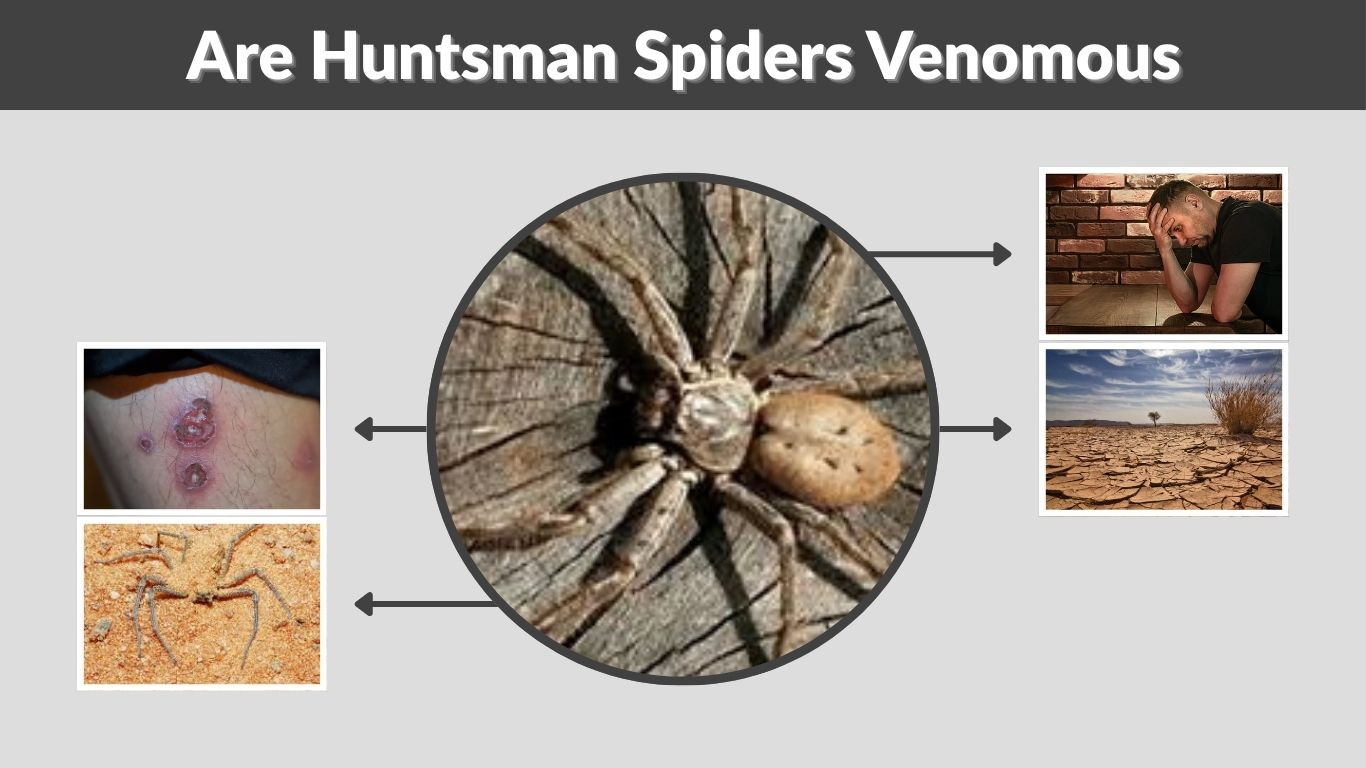
Huntsman spiders are famous for their large size, fast movement, and scary appearance. Many people wonder whether these giant spiders are dangerous or deadly because they often appear inside homes, garages, and even cars. Although huntsman spiders do have venom, they are usually not considered harmful to humans. Their bites are rare and normally cause only mild symptoms in most people.
Understanding huntsman spider venom can help reduce fear and clear up common myths. In this guide, you will learn whether huntsman spiders are venomous, how strong their venom really is, what happens if they bite, and whether they can harm pets like cats and dogs.
What Is a Huntsman Spider?
Huntsman spiders are large hunting spiders known for their flat bodies and long legs. They do not build webs to catch prey. Instead, they actively hunt insects at night and move very quickly across walls, trees, and floors. Their speed and size often frighten people, but these spiders usually avoid human contact whenever possible.
Huntsman Spider Identification
- Large flat body with long legs
- Legs spread sideways like a crab
- Usually brown, gray, or tan in color
- Fast-moving hunter spider
- Can grow several inches wide
- Often found on walls, tree bark, or ceilings
Where Huntsman Spiders Live
Huntsman spiders live in warm regions around the world. They are especially common in Australia, Asia, Africa, and tropical parts of the Americas. Some species also live in Florida and other humid areas. They prefer forests, gardens, sheds, and homes where insects are easy to find.
Why Huntsman Spiders Enter Homes
Huntsman spiders usually enter homes while searching for food or shelter. Indoor lights attract insects, which then attract spiders. These spiders also like cool hiding places behind furniture, curtains, and storage boxes. During hot or rainy weather, they may move indoors more often.
Are Huntsman Spiders Venomous?
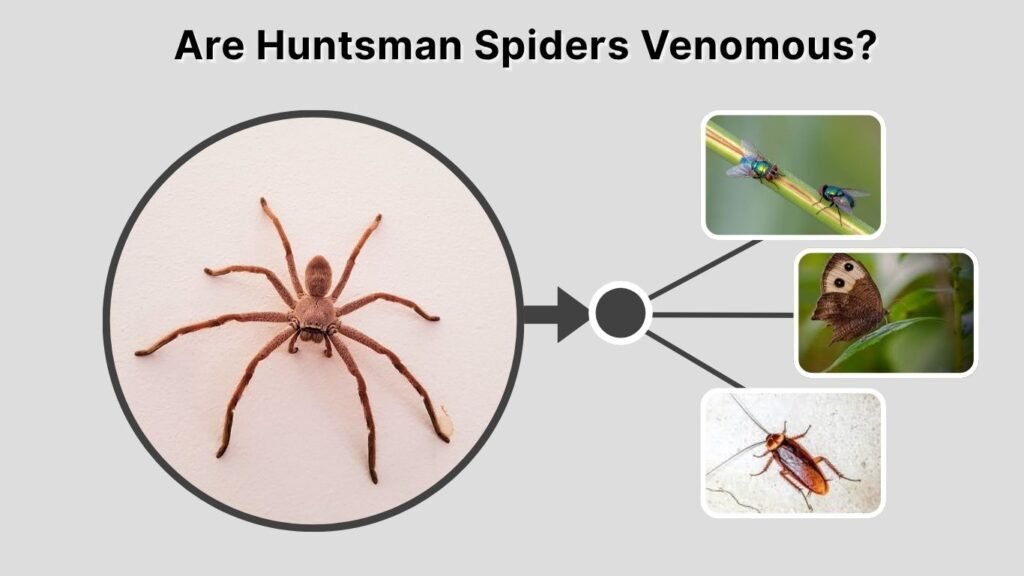
Huntsman spiders do have venom, just like most spiders. They use venom to paralyze insects and other small prey before eating them. However, their venom is considered mild compared to dangerous spiders such as funnel-web spiders or black widows. Most huntsman spider bites are not medically serious for healthy adults.
Do Huntsman Spiders Have Venom?
Yes, huntsman spiders produce venom in glands connected to their fangs. The venom helps them hunt insects like cockroaches, moths, flies, and crickets. Without venom, these spiders would have difficulty controlling fast-moving prey in the wild.
Although the venom works well on insects, it is much less harmful to humans. Most people experience only temporary discomfort after a bite. Severe reactions are very uncommon and usually involve allergies or infections rather than venom toxicity itself.
How Venomous Is a Huntsman Spider?
Huntsman spider venom is generally mild. Their bites can cause pain, redness, swelling, and itching, but serious medical problems are rare. Many experts compare the bite to a mild bee sting. The venom is not known to cause tissue damage or deadly complications in normal cases.
The spider’s large size often makes people believe its venom is extremely dangerous. In reality, huntsman spiders depend more on speed and hunting skill than strong venom. They usually bite only when trapped, threatened, or accidentally touched.
Huntsman Spider Venom Level Compared to Other Spiders
- Less dangerous than funnel-web spiders
- Weaker venom than black widow spiders
- Similar bite severity to wolf spiders
- Not considered medically significant
- Rarely causes severe symptoms in humans
Are Huntsman Spider Bites Dangerous?
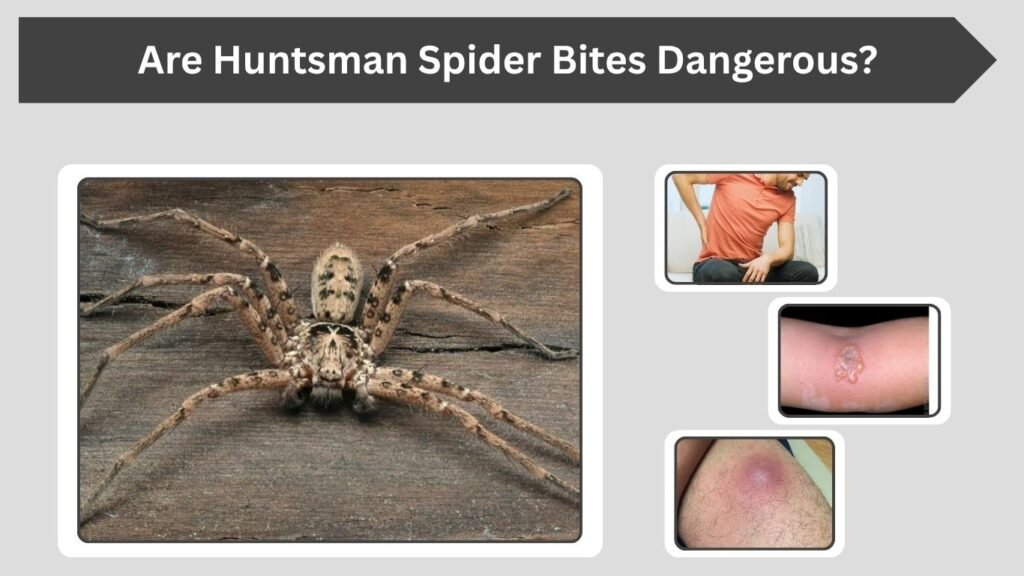
Huntsman spider bites can be painful, but they are rarely dangerous. Most bites happen when someone accidentally presses against the spider while moving furniture, gardening, or handling objects where the spider is hiding. Huntsman spiders normally try to escape instead of attacking humans.
Symptoms of a Huntsman Spider Bite
- Mild to moderate pain
- Redness around the bite
- Slight swelling
- Itching or irritation
- Temporary nausea in some people
- Mild headache or discomfort
When Should You See a Doctor?
Medical attention may be necessary if symptoms become severe or unusual. People with allergies may react more strongly to bites than others. Children, elderly people, and individuals with weak immune systems should also be more careful after any spider bite.
If swelling spreads quickly, breathing becomes difficult, or the bite area shows signs of infection, professional medical advice is important. Most huntsman spider bites heal within a few days without special treatment.
Do Huntsman Spiders Attack Humans?
Huntsman spiders are shy and defensive rather than aggressive. They usually run away when disturbed and prefer hiding instead of fighting. Even large huntsman spiders rarely bite unless they feel trapped or threatened. Their quick movements often make them appear aggressive, but they are mainly trying to escape danger.
Are Australian Huntsman Spiders Dangerous?
Australian huntsman spiders are among the most famous spiders in the world because of their large size and sudden appearances inside homes and cars. Many people assume they are deadly, but most Australian huntsman species are not considered dangerous to humans. Their venom is mild, and serious bite reactions are extremely rare in healthy adults.
Common Australian Huntsman Spider Species
- Badge huntsman spider
- Brown huntsman spider
- Green huntsman spider
- Giant huntsman spider
- Tropical huntsman spider
- Flat huntsman spider
Giant Huntsman Spider Venom Facts
The giant huntsman spider is known for its huge leg span, which can reach over 10 inches in some cases. Despite its size, its venom is not considered highly toxic to humans. Most bites result in mild pain and swelling rather than dangerous medical problems.
People often fear giant huntsman spiders because they move very quickly and appear intimidating. However, they usually avoid human contact and prefer escaping instead of biting. Their large body size does not automatically mean they have stronger venom than smaller spiders.
Why Australians Usually Leave Huntsman Spiders Alone
In many Australian homes, huntsman spiders are tolerated because they help control insect populations. They eat cockroaches, flies, moths, and other household pests that people do not want indoors. Some homeowners even consider them helpful natural pest controllers.
Unlike aggressive spider species, huntsman spiders rarely defend territory or chase humans. They spend most of their time hiding quietly during the day and hunting insects at night. Because of this behavior, many Australians simply move them outside instead of killing them.
Huntsman Spider Venom and Pets
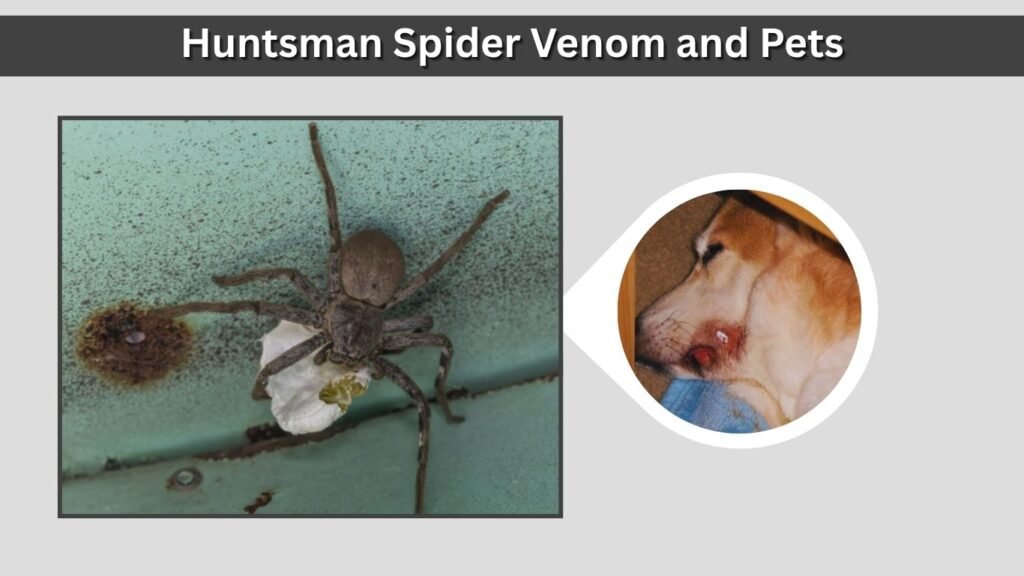
Many pet owners worry about whether huntsman spider venom can harm cats or dogs. In most cases, huntsman spider bites are not deadly to pets, but they can still cause pain, swelling, and temporary discomfort. Small pets may react more strongly because of their body size.
Are Huntsman Spiders Venomous to Dogs?
Dogs are naturally curious and may try to sniff, paw at, or bite spiders they find indoors. If a huntsman spider bites a dog, the symptoms are usually mild and short-term. Common signs may include swelling, drooling, whining, or licking the bite area.
Most dogs recover quickly without serious problems. However, if the dog becomes weak, has trouble breathing, or shows severe swelling, a veterinarian should be contacted immediately. Allergic reactions are uncommon but still possible.
Are Huntsman Spiders Venomous to Cats?
Cats sometimes hunt spiders and may receive bites while playing with them. Huntsman spider venom usually causes only mild irritation in cats. A bitten cat may become restless, avoid touching the area, or temporarily lose appetite.
Serious complications are rare, but pet owners should still observe their cat carefully after any spider bite. If unusual behavior continues for several hours, veterinary care may help prevent complications or infection.
What to Do If a Pet Is Bitten
- Keep the pet calm and relaxed
- Watch for swelling or breathing problems
- Prevent scratching or licking the bite
- Offer clean water and rest
- Contact a veterinarian if symptoms worsen
Common Myths About Huntsman Spider Venom
Huntsman spiders are surrounded by many internet myths and exaggerated stories. Their large size and fast movement often make people assume they are deadly predators. In reality, most information about huntsman spider venom is far less frightening than popular rumors suggest.
Myth: Huntsman Spiders Are Deadly
This is one of the most common myths. Huntsman spiders are venomous, but their venom is not considered deadly to healthy humans. Most bites cause only mild symptoms that disappear within a short time.
Myth: Huntsman Spiders Chase Humans
Huntsman spiders do not hunt people. They may run quickly toward a person by accident while trying to escape danger. Their fast movement is defensive behavior, not aggression.
Myth: Bigger Huntsman Spiders Have Stronger Venom
Spider size does not always determine venom strength. Large huntsman spiders may look terrifying, but many smaller spider species actually possess much more dangerous venom.
How to Avoid Huntsman Spider Bites
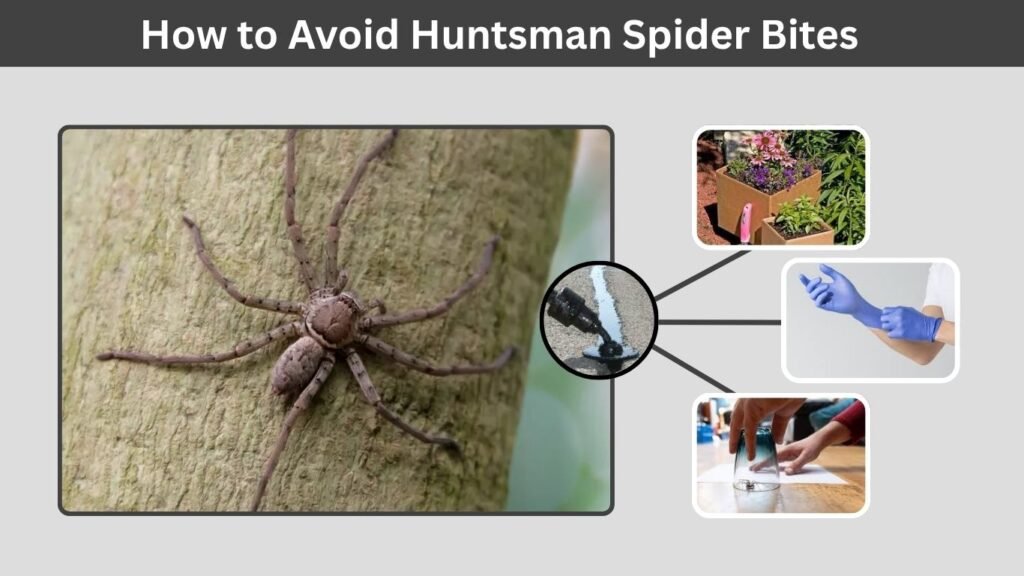
The best way to avoid huntsman spider bites is to avoid direct contact with them. These spiders are not naturally aggressive, so simple precautions usually prevent problems. Keeping homes clean and reducing insect activity can also discourage spiders from staying indoors.
Safe Ways to Remove Huntsman Spiders
- Use a container and cardboard method
- Wear gloves if necessary
- Avoid grabbing the spider directly
- Release it outdoors away from the home
- Stay calm and move slowly
Preventing Huntsman Spiders Indoors
Sealing cracks, cleaning storage areas, and reducing insects inside the home can make houses less attractive to huntsman spiders. Window screens and door seals may also help stop them from entering during warm weather.
FAQs
Are huntsman spiders poisonous or venomous?
Huntsman spiders are venomous, not poisonous. They use venom to hunt and paralyze insects before eating them. Their venom is usually mild for humans and rarely causes serious medical problems. Most bites only lead to temporary pain, redness, or swelling that disappears after a short time.
Can a huntsman spider bite kill a human?
There are no well-known cases of huntsman spider bites causing death in healthy humans. Their venom is considered low risk compared to dangerous spiders like funnel-webs or black widows. While bites can be painful, severe reactions are uncommon and usually related to allergies or infections.
Are giant huntsman spiders more venomous?
Giant huntsman spiders look more frightening because of their huge size, but they are not significantly more venomous than smaller huntsman species. Their appearance often causes fear, yet their venom is still considered mild and not medically dangerous to most people.
Are huntsman spiders dangerous to cats and dogs?
Huntsman spider bites are usually not deadly to cats or dogs, but they may cause swelling, pain, or temporary discomfort. Small pets can react more strongly than larger animals. Pet owners should monitor symptoms carefully and contact a veterinarian if breathing problems or severe swelling appear.
Why do huntsman spiders come into houses?
Huntsman spiders enter homes mainly to search for insects and shelter. Indoor lights attract prey like flies and cockroaches, which then attract spiders. They also seek cool, hidden spaces behind furniture, curtains, and storage boxes, especially during hot or rainy weather.
