
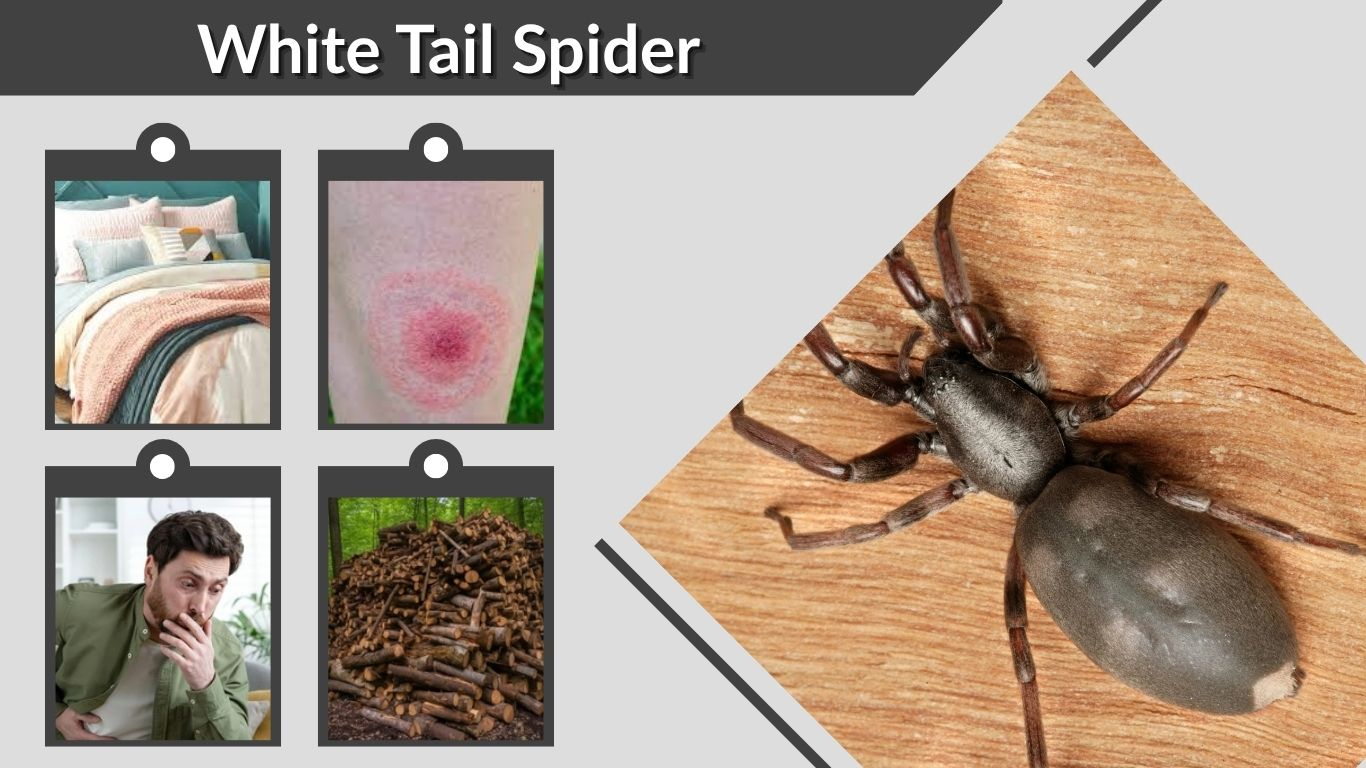
White tail spiders are common in Australia and New Zealand and are often feared because of stories about painful bites and skin damage. These fast-moving spiders are recognized by the pale tip on the end of their dark abdomen. Although many people believe white tail spider bites are highly dangerous, research shows that most bites cause only mild to moderate symptoms. Learning how to identify white tail spiders, understand bite symptoms, and use proper treatment can help reduce fear and improve safety around homes and gardens.
White tail spiders are hunting spiders that usually enter houses searching for other spiders to eat. They are active at night and may hide in clothing, bedding, garages, and dark corners. While bites can be painful, severe complications are uncommon in most healthy adults.
What Is a White Tail Spider?
White tail spiders are venomous hunting spiders found mainly in Australia and New Zealand. They belong to the Lampona genus and are known for the pale white mark at the tip of the abdomen. Unlike web-building spiders, white tail spiders actively hunt prey and move quickly through homes and gardens during the night.
Scientific Classification
White tail spiders belong to:
- Family: Lamponidae
- Genus: Lampona
- Hunting spider group
- Nocturnal spider species
- Venomous arachnids
Why It Is Called a White Tail Spider
The spider gets its name from the small white or pale gray spot located at the end of its dark abdomen. This marking helps distinguish it from many other black or brown spiders.
White Tail Spider Species
The two best-known species are Lampona cylindrata and Lampona murina. Both species are commonly found around homes and outdoor areas.
Are White Tail Spiders Venomous?
Yes, white tail spiders are venomous. Their venom is used to subdue prey, especially other spiders. Most bites in humans cause pain, redness, and irritation rather than severe illness.
What Does a White Tail Spider Look Like?
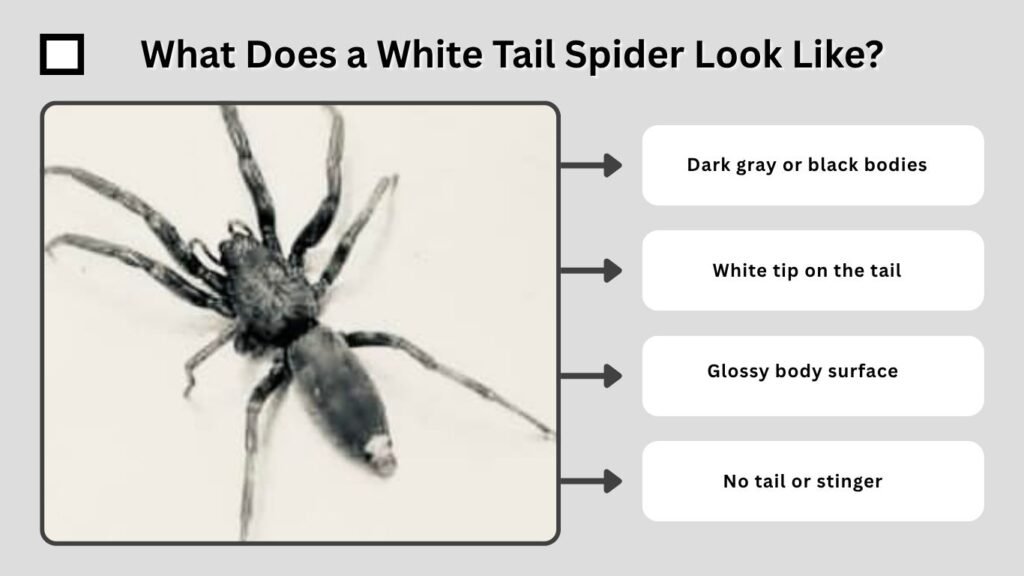
White tail spiders have a long, cylindrical body and smooth legs that allow them to move quickly. Their appearance can vary slightly depending on age and species, but the white tip on the abdomen is the most recognizable feature.
Common Identification Features
White tail spiders usually have:
- Dark gray or black bodies
- White tip on the tail
- Long slender legs
- Glossy body surface
- Fast-moving behavior
White Tail Spider Size
Adult white tail spiders commonly grow between 1 and 2 centimeters long. Females are often slightly larger than males.
Male vs Female White Tail Spider
Female white tail spiders tend to have broader abdomens and larger bodies. Males are usually thinner and smaller in appearance.
Juvenile White Tail Spider Appearance
Young white tail spiders are lighter in color and may show pale markings before developing darker adult coloration.
Where White Tail Spiders Live
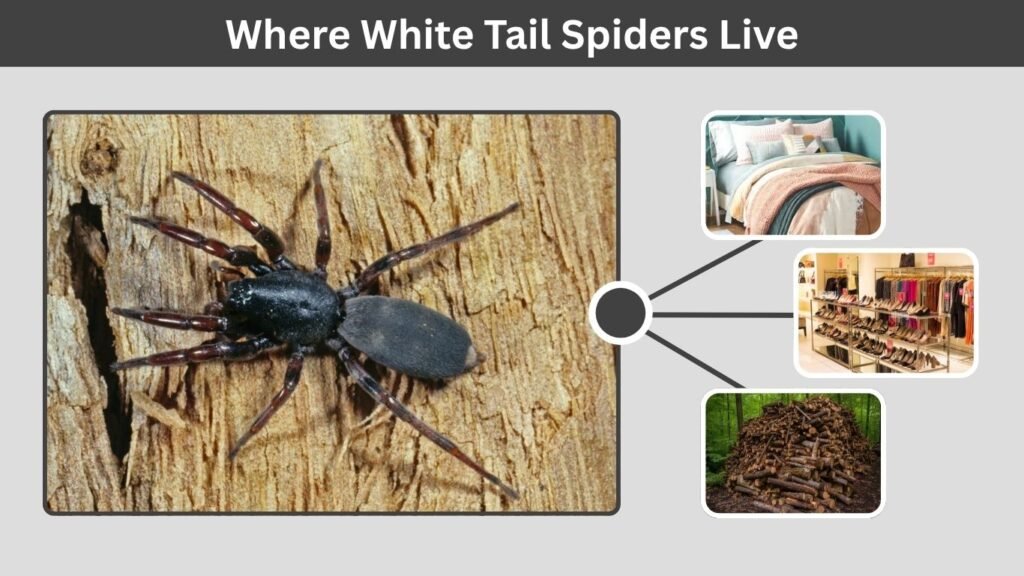
White tail spiders prefer cool, sheltered areas where they can hunt other spiders. They often move indoors at night and hide in dark spaces during the day. Homes with many insects or spiders may attract white tail spiders looking for food.
White Tail Spiders in Australia
White tail spiders are common throughout many parts of Australia, especially in urban areas, gardens, and suburban homes.
White Tail Spiders in New Zealand
These spiders are also widespread in New Zealand, where they are commonly found in houses and outdoor storage spaces.
Common Hiding Places
White tail spiders may hide in:
- Bedding and blankets
- Shoes and clothing
- Garages and sheds
- Wood piles
- Garden areas
- Behind furniture
White Tail Spider Locations Around the House
Indoors, they often stay near walls, ceilings, and dark corners where insects and smaller spiders gather.
White Tail Spider Behavior
White tail spiders are active hunters rather than web builders. They travel through homes and outdoor spaces at night searching for prey. Their quick movement sometimes causes people to think they are aggressive, but these spiders usually avoid humans when possible.
Are White Tail Spiders Aggressive?
White tail spiders are not naturally aggressive toward people. Most bites happen when the spider becomes trapped in clothing, towels, or bedding.
What White Tail Spiders Eat
Their diet commonly includes:
- House spiders
- Daddy longlegs spiders
- Small insects
- Beetles
- Cockroaches
Hunting and Web Habits
Unlike many spiders, white tail spiders do not build large capture webs. They wander at night searching for prey and use venom to subdue other spiders quickly.
White Tail Spider Bite Overview
White tail spider bites are often surrounded by myths and exaggerated fears. While the bites can be painful, most cases do not cause serious skin damage or life-threatening illness. Understanding the real effects of the bite helps separate facts from misinformation.
What Happens When a White Tail Spider Bites You?
A bite usually causes immediate stinging pain followed by redness and swelling. Some people may also develop itching or mild blistering around the area.
Is a White Tail Spider Bite Dangerous?
Most white tail spider bites are not medically dangerous. Symptoms are generally mild to moderate and improve with simple treatment and proper wound care.
Can a White Tail Spider Kill You?
There are no confirmed modern deaths directly caused by white tail spider bites. Severe reactions are extremely rare in healthy adults.
What Does a White Tail Spider Bite Look Like?
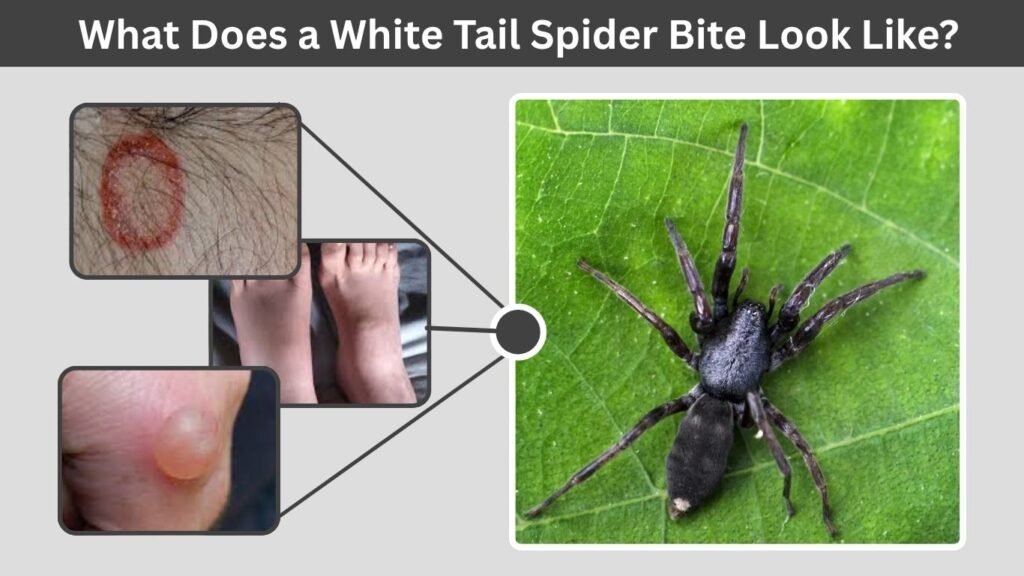
A white tail spider bite can look different from person to person. Some bites produce only mild redness, while others may develop swelling or blistering. Many people become worried because internet photos often show severe wounds, but most confirmed bites remain small and heal without major complications.
Day 1 White Tail Spider Bite
During the first day, the bite may appear as a small red bump with mild swelling. Pain and itching often begin within a few hours after the bite occurs.
Early Stages of a White Tail Spider Bite
Early symptoms may include warmth around the bite area, tenderness, and slight irritation. Some people notice a rash or a small blister forming nearby.
Bite Rash, Blister, and Swelling
Possible bite reactions include:
- Red circular rash
- Small blister
- Mild swelling
- Itching sensation
- Localized pain
- Skin irritation
White Tail Spider Bite Pictures and Photos
Many online photos show severe skin infections that may not actually be caused by white tail spiders. Proper medical diagnosis is important before assuming the spider caused major skin damage.
White Tail Spider Bite Symptoms
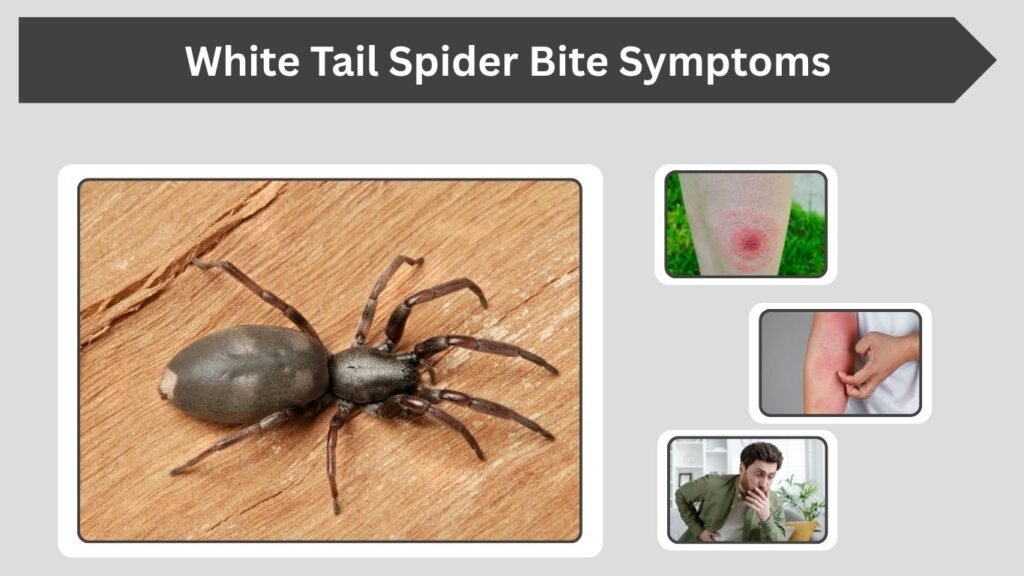
Symptoms from a white tail spider bite are usually localized near the bite area. Most people recover without serious medical problems, although discomfort may continue for several days in some cases.
Common Symptoms
Typical symptoms include:
- Redness
- Pain and burning
- Swelling
- Itching
- Mild nausea
- Small blistering
Infected White Tail Spider Bite
Infections can happen if the bite area is scratched excessively or not cleaned properly. Bacterial infection is often responsible for worsening wounds rather than the venom itself.
White Tail Spider Bite Necrosis Claims
For many years, white tail spiders were blamed for skin necrosis, which is the death of skin tissue. However, scientific studies have not found strong evidence that their venom directly causes severe necrotic ulcers in most cases.
Bite Reaction Timeline
Pain and swelling usually improve within a few days. Mild irritation may continue longer depending on the person’s skin sensitivity and wound care.
White Tail Spider Bite Treatment
Most white tail spider bites can be treated at home with simple first aid. Medical attention may be needed if symptoms worsen or signs of infection appear. Keeping the bite area clean is important for preventing complications.
First Aid for a White Tail Spider Bite
Helpful first aid steps include:
- Wash the bite with soap and water
- Apply a cold pack
- Keep the area clean
- Avoid scratching the wound
- Monitor symptoms carefully
How Doctors Treat White Tail Spider Bites
Doctors may recommend pain relief medicine, antihistamines, or antibiotics if infection develops. Severe allergic reactions are rare but require urgent medical care.
Antibiotics and Infection Care
If swelling, pus, or spreading redness appears, a bacterial infection may be present. Antibiotics may then be prescribed to control the infection.
When To Go to the Hospital
Hospital care may be needed if the person experiences severe pain, fever, spreading infection, or allergic symptoms such as difficulty breathing.
White Tail Spider Bites in Pets
Dogs and pets may occasionally be bitten by white tail spiders while exploring garages, gardens, or storage areas. Most pet bites are mild, but veterinary care may still be important if symptoms become severe.
Dog White Tail Spider Bite Symptoms
Dogs may show:
- Limping
- Swelling
- Excessive licking
- Whining or discomfort
- Red irritated skin
Veterinary Treatment for Pets
Veterinarians may clean the wound, provide pain relief, and monitor the animal for infection or allergic reactions.
Are White Tail Spider Bites Dangerous for Dogs?
Most dogs recover well after treatment, but smaller pets may be more sensitive to venom and pain.
Preventing Spider Bites in Pets
Keeping pet bedding clean and reducing clutter around homes can help lower the risk of spider encounters.
White Tail Spider Facts
White tail spiders are fascinating predators that play a role in controlling other spider populations. Their unusual hunting style and ability to enter homes at night make them one of the most recognized spiders in Australia and New Zealand.
Amazing White Tail Spider Facts
Interesting facts include:
- They hunt other spiders
- They are active at night
- Females are larger than males
- They move very quickly
- They often enter homes searching for prey
Largest White Tail Spider Reports
Some unusually large white tail spiders have been reported in Australia, though many online stories exaggerate their actual size.
White Tail Spider Nest and Egg Sacs
Female white tail spiders protect egg sacs in hidden locations such as cracks, garages, and sheltered corners.
How Long White Tail Spiders Live
White tail spiders may live for several years depending on environmental conditions and food availability.
How To Prevent White Tail Spiders
Preventing white tail spiders around the home mainly involves reducing hiding spots and controlling insect populations. Clean indoor spaces and regular inspections can help keep these spiders away.
Home Prevention Tips
Helpful prevention methods include:
- Shake out clothing and shoes
- Reduce indoor clutter
- Seal cracks and gaps
- Remove other spiders
- Clean dark corners regularly
Keeping White Tail Spiders Out of Bedrooms
Wash bedding frequently and avoid leaving clothes or towels on the floor where spiders may hide during the night.
Outdoor Prevention Methods
Removing wood piles, trimming vegetation, and keeping storage areas clean may reduce outdoor spider activity near homes.
FAQs
Are white tail spiders poisonous?
White tail spiders are venomous, but their bites usually cause only mild to moderate symptoms such as redness, pain, and swelling.
What does a white tail spider bite look like?
The bite often appears as a small red bump with swelling or mild blistering. Some bites may itch or develop a rash.
Can a white tail spider kill you?
There are no confirmed modern deaths caused directly by white tail spider bites. Severe reactions are extremely uncommon.
How do you treat a white tail spider bite?
Wash the area, apply a cold pack, keep the wound clean, and seek medical advice if symptoms worsen or signs of infection appear.
Where are white tail spiders commonly found?
White tail spiders are commonly found in Australia and New Zealand inside homes, garages, gardens, clothing, and bedding.
