
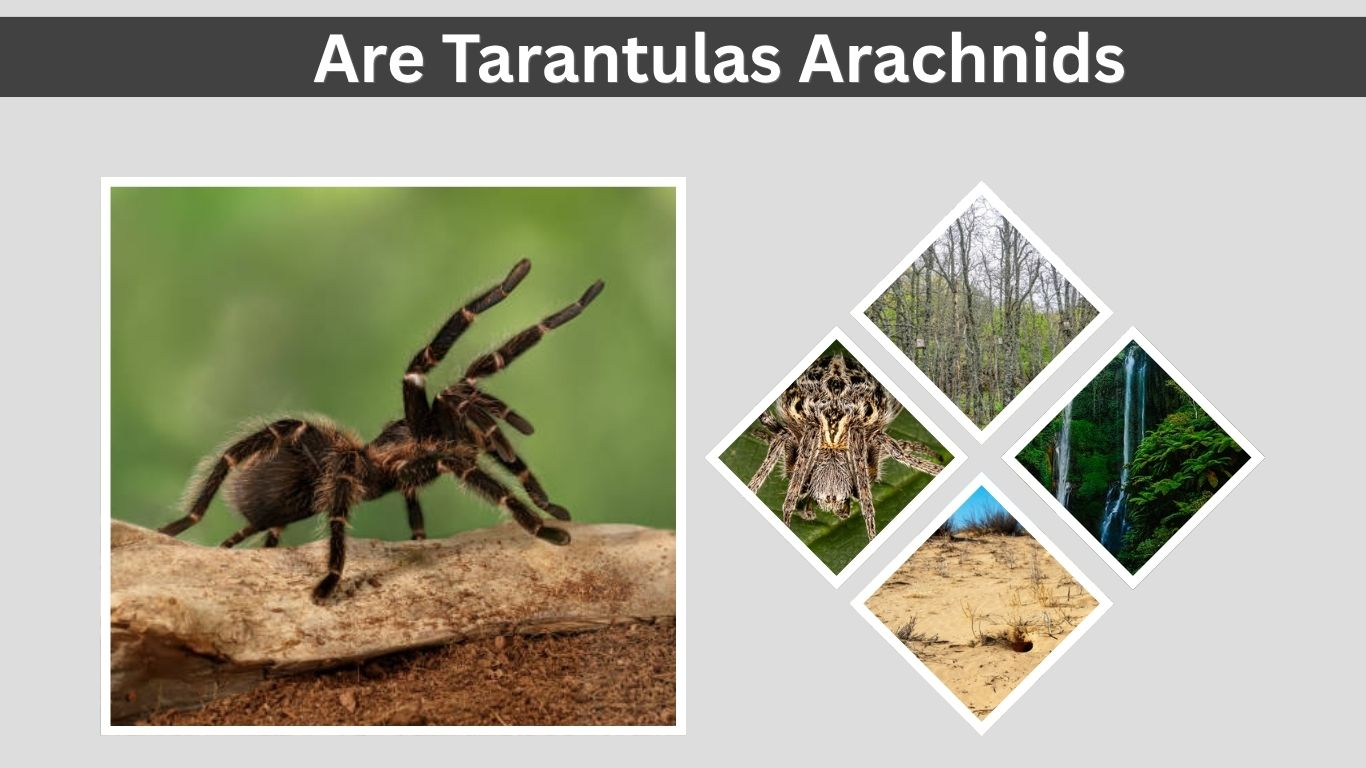
Tarantulas often spark curiosity because of their size, appearance, and reputation. Many people wonder whether they are insects, spiders, or something entirely different. Understanding their classification helps clear up confusion and reveals how they fit into the natural world. This guide explains what tarantulas are, why they are considered arachnids, and how they differ from other creatures like insects or reptiles. By the end, you will have a clear and accurate understanding of tarantulas and their place in the animal kingdom.
What Is a Tarantula?

Tarantulas are large, hairy spiders that belong to a specific family within the spider group. They are known for their slow movements and distinctive appearance, which often makes them stand out compared to smaller spiders. Found mostly in warm climates, tarantulas live in a variety of environments, from deserts to tropical forests. Their unique features and behaviors make them one of the most recognizable arachnids in the world.
Basic Characteristics of Tarantulas
- Large body size compared to most spiders
- Covered in fine hairs, sometimes used for defense
- Equipped with fangs that deliver venom
- Typically slow-moving and non-aggressive
Is a Tarantula an Arachnid?
A tarantula is indeed an arachnid, which means it belongs to a class of animals known for having eight legs and no antennae. Arachnids include creatures such as spiders, scorpions, ticks, and mites. This classification is based on physical traits and biological structure rather than appearance alone. Understanding this category helps explain why tarantulas are grouped with spiders rather than insects or other animals.
Key Features of Arachnids
- Eight legs instead of six
- Two main body segments
- No wings or antennae
- External skeleton made of chitin
Is a Tarantula a Spider or an Arachnid?
This question often causes confusion, but the answer is simple once you understand biological classification. A tarantula is both a spider and an arachnid at the same time. “Arachnid” is the broader category, while “spider” is a subgroup within it. Tarantulas belong specifically to the spider order, which places them under the arachnid class. This layered classification helps scientists organize and study different types of animals more effectively.
Understanding the Classification
- Arachnid is the class that includes several types of animals
- Spider is an order within the arachnid class
- Tarantula is a family within the spider order
Arachnid vs Insect vs Other Animals

Many people mistakenly think tarantulas are insects or even reptiles, but they are very different from both. These differences come from their anatomy, development, and evolutionary background. Comparing these groups makes it easier to understand where tarantulas truly belong and why they are classified as arachnids rather than anything else.
Arachnids Compared to Other Groups
- Arachnids have eight legs, while insects have six
- Insects often have wings, but arachnids do not
- Crustaceans usually live in water, unlike most arachnids
- Reptiles have backbones, while arachnids do not
Physical Features of Tarantulas
Tarantulas have several physical traits that clearly identify them as arachnids. Their bodies are divided into two main sections and supported by an external skeleton. They also possess specialized mouthparts and defensive features that help them survive in different environments. These characteristics are essential for hunting, protection, and adaptation.
Unique Adaptations
Tarantulas are covered in tiny hairs that can serve as a defense mechanism. Some species can release these hairs to irritate predators. They also have strong fangs capable of subduing prey, along with venom that helps them feed efficiently. Despite their intimidating appearance, these features are mainly used for survival rather than aggression.
Habitat and Distribution of Tarantulas

Tarantulas are found in many parts of the world, especially in regions with warm climates. They adapt to different environments by either living underground or in trees, depending on the species. Their habitats provide protection from predators and suitable conditions for hunting.
Where Tarantulas Live
- Tropical rainforests with high humidity
- Dry deserts with burrow systems
- Grasslands and scrub areas
- Tree-based habitats for arboreal species
What Do Tarantulas Eat?
Tarantulas are carnivorous predators that rely on stealth and patience to capture their prey. Instead of actively chasing food, they typically wait and ambush unsuspecting animals. Their diet mainly consists of small creatures, and they use their fangs and venom to immobilize prey before consuming it. This feeding behavior is essential for their survival and plays an important role in maintaining ecological balance.
Common Foods in a Tarantula’s Diet
- Insects such as crickets, beetles, and grasshoppers
- Other spiders and small invertebrates
- Occasionally small vertebrates like lizards or frogs
Are Tarantulas Dangerous to Humans?
Tarantulas often appear frightening, but they are generally not dangerous to humans. Most species have mild venom that causes effects similar to a bee sting. They are not aggressive and prefer to avoid confrontation whenever possible. Bites are rare and usually occur only when the animal feels threatened or provoked. Understanding their behavior helps reduce unnecessary fear.
Myths and Facts About Tarantulas
- Myth: Tarantulas are deadly to humans
- Fact: Their venom is usually mild
- Myth: They attack people frequently
- Fact: They prefer to hide or escape
Popular Types of Tarantulas
There are many different species of tarantulas, each with unique colors, sizes, and behaviors. Some are known for their striking appearance, while others are popular as pets due to their calm nature. Learning about these species helps highlight the diversity within this group of arachnids.
Well-Known Tarantula Species
- Blue tarantula known for its vivid coloration
- Chilean rose tarantula popular among beginners
- Goliath birdeater, one of the largest spiders in the world
Tarantula vs Arachnid – Key Differences

The terms “tarantula” and “arachnid” are sometimes used interchangeably, but they do not mean the same thing. An arachnid is a broad category that includes many types of animals, while a tarantula is just one specific group within that category. Recognizing this difference helps avoid confusion and improves understanding of biological classification.
How They Differ
A tarantula is a specific type of spider with distinct traits like a large body and hairy appearance. An arachnid, on the other hand, is a wider class that includes spiders, scorpions, ticks, and mites. This means all tarantulas are arachnids, but not all arachnids are tarantulas.
Keeping Tarantulas as Pets
Tarantulas have become increasingly popular as exotic pets due to their low maintenance and fascinating behavior. They require specific care conditions, including proper housing, temperature, and feeding routines. While they are not interactive pets, they can be interesting to observe and are suitable for experienced and beginner keepers alike.
Basic Care Requirements
- Secure enclosure with proper ventilation
- Controlled temperature and humidity
- Regular feeding schedule with live prey
- Minimal handling to reduce stress
Tarantulas in Culture and Media
Tarantulas have appeared in myths, stories, and modern entertainment for many years. They are often portrayed as mysterious or dangerous creatures, though these portrayals are usually exaggerated. In reality, they play important roles in nature and are far less threatening than commonly believed. Their unique appearance makes them a popular subject in films, games, and artwork.
Representation in Media
Tarantulas are frequently used in movies to create suspense or fear, while in other forms of media they may symbolize mystery or power. In some fictional works, they inspire hybrid characters or creatures, reflecting their striking and unusual features.
FAQs
Is a tarantula an insect or an arachnid?
A tarantula is an arachnid, not an insect. Arachnids have eight legs and two body segments, while insects have six legs and three body segments. This difference clearly places tarantulas in the arachnid class alongside spiders and scorpions.
Are tarantulas real spiders?
Yes, tarantulas are true spiders. They belong to the order Araneae, which includes all spider species. Although they are larger and hairier than many spiders, they share the same essential characteristics and biological classification.
Can tarantulas harm humans?
Tarantulas are generally harmless to humans. Their venom is mild and rarely causes serious reactions. They are more likely to avoid humans than attack, and bites usually happen only when they feel threatened.
What makes tarantulas different from other arachnids?
Tarantulas are larger and often covered in noticeable hairs, unlike many other arachnids. They are also part of the spider group, while other arachnids like scorpions or ticks have different body structures and behaviors.
Where do tarantulas live?
Tarantulas live in warm regions around the world, including tropical forests, deserts, and grasslands. Some species live in burrows underground, while others prefer trees, depending on their environment and adaptations.
