
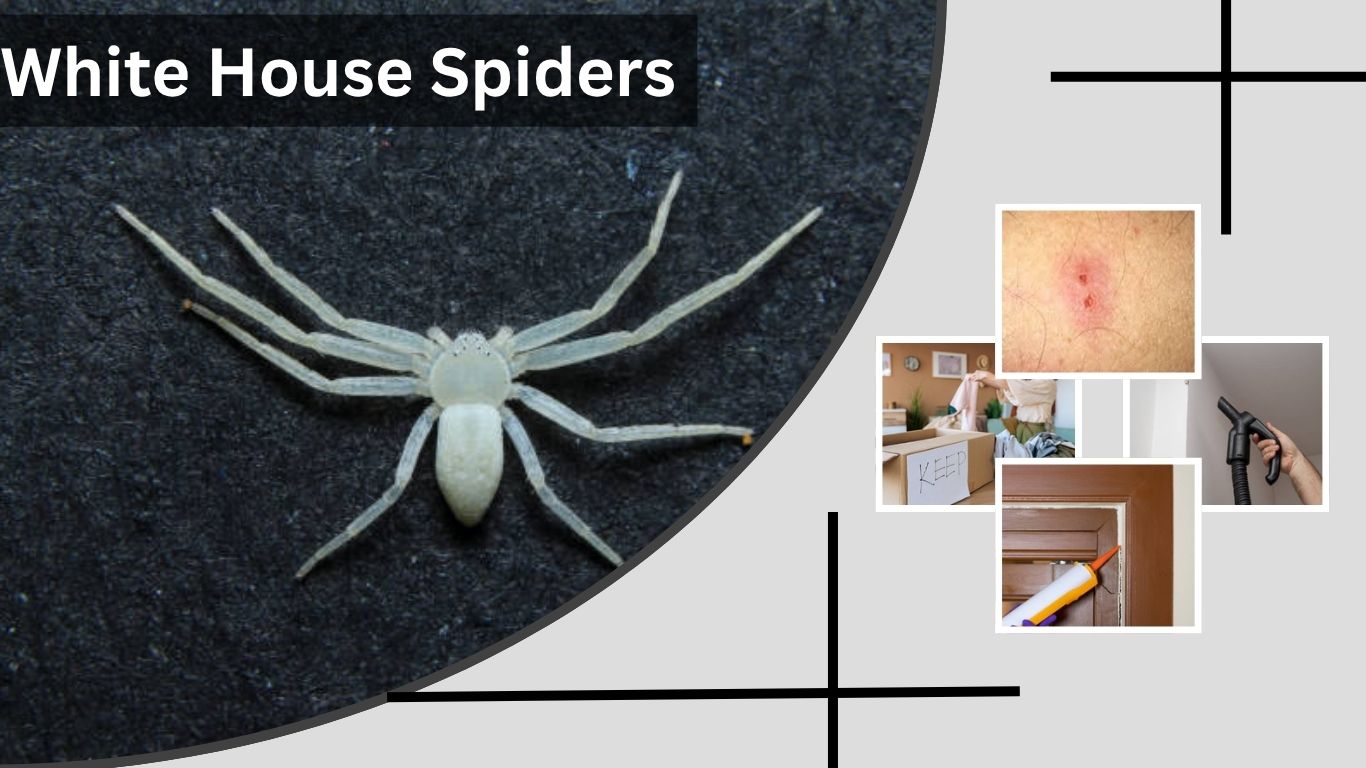
White spiders found in houses often surprise people because they look unusual compared to common brown or black spiders. In reality, most “white house spiders” are simply pale or light-colored species that appear white due to lighting or age. From tiny white spiders to black-and-white patterned ones, these spiders are usually harmless. Many people notice them on walls, ceilings, or near windows, especially at night. Understanding their types, behavior, and risks can help reduce fear and make identification much easier.
What Is a White House Spider?
White house spiders are not a single species but a group of spiders that appear pale, transparent, or lightly colored indoors. Lighting, surface reflection, and age can make spiders look white, leading to confusion when identifying them inside homes.
Why Do Spiders Appear White?
Spiders may look white due to their natural pale body, especially in species like sac spiders. Indoor lighting and light-colored walls can also reflect onto their bodies, making even brown spiders appear white or clear.
Common Names People Use
- tiny white house spider
- small white spider in house
- white spider in house
Are They Different From Normal House Spiders?
Most white spiders are simply variations of common house spiders. They are not a separate category but part of the same indoor spider population, just with lighter colouring or different markings.
Common Types of White Spiders in Houses

Several spider species commonly appear white or pale indoors. These include both tiny spiders and slightly larger ones, depending on the environment and lighting conditions.
Yellow Sac Spider (Pale Indoor Spider)
The yellow sac spider is one of the most common pale spiders found indoors. It has a light yellow or almost white body and is often seen on walls or ceilings at night. Unlike web-building spiders, it actively hunts insects, making it more noticeable.
Money Spider (Tiny White Spider)
Money spiders are extremely small and often appear as tiny white or pale dots moving slowly on walls. They are harmless and commonly found indoors, especially in quiet corners. Many people mistake them for dust particles.
Cellar Spider (Clear or Light Appearance)
Cellar spiders have long legs and small bodies that can appear white or transparent under indoor lighting. They are usually found hanging upside down in corners and are often confused with long-legged house spiders.
How to Identify a White Spider in Your House

Identifying a white spider can be simple if you focus on a few key features. These spiders vary in size, shape, and markings, which can help you understand what species you are seeing.
Key Identification Features
- Body colour (white, pale yellow, or transparent)
- Size (tiny, small, or medium)
- Markings such as spots or stripes
- Leg length and thickness
- Web type or absence of a web
Common Misidentifications
- Dust particles moving due to air flow
- Spider mites, which are much smaller
- Baby spiders that have not developed colour yet
Why Are There White Spiders in My House?
White spiders appear in homes for the same reasons as other house spiders. They are not attracted specifically to people but to the environment inside homes.
Main Reasons
Spiders enter houses in search of food, warmth, and shelter. If your home has insects like flies or mosquitoes, it becomes an ideal place for spiders to stay. Small gaps around windows, doors, and walls also allow easy entry.
Seasonal changes play a role as well. During colder months, spiders move indoors to find stable temperatures. At night, when insects are more active, spiders become easier to spot on walls and ceilings.
Black and White House Spiders Explained
Not all white spiders are fully white. Many house spiders have black and white patterns, which can make identification confusing for people.
Common Variations
- black spider with white spots
- black and white striped spider
- house spider with white markings
These spiders are often jumping spiders or similar species with bold patterns. Their markings help them blend into surfaces or attract prey, and they are commonly seen moving actively during the day.
Are White House Spiders Dangerous?

Most white house spiders are harmless and do not pose any real threat to humans. Their presence may be unsettling, but they are generally beneficial in controlling insect populations indoors.
Bite Risk and Safety
Bites from white spiders are extremely rare and usually happen only if the spider is handled or trapped. Even then, the effects are mild, such as slight redness or irritation. There is no significant risk from these spiders in typical household situations.
In general, white spiders are not dangerous and should not be a cause for concern. They are simply part of the natural indoor ecosystem and help reduce unwanted insects.
What Does a White Spider in the House Mean?
White spiders appearing indoors often raise curiosity, with some people wondering if there is a deeper meaning behind the sighting. In most cases, their presence is completely natural and linked to environmental factors rather than symbolism or unusual events.
Natural vs Belief-Based Meaning
Scientifically, a white spider in your house simply means conditions are suitable for insects, which attract spiders. Some people associate spiders with luck or change, but there is no proven meaning. Their appearance is usually random and related to food availability.
How to Get Rid of White Spiders in Your House

White spiders can be managed easily with simple home maintenance. Since they enter homes for food and shelter, reducing these factors can significantly lower their presence indoors without needing harsh chemicals or complicated solutions.
Prevention and Control
- Keep your home clean and free of clutter
- Vacuum corners, ceilings, and behind furniture regularly
- Seal cracks and gaps around windows and doors
- Reduce indoor insects by managing lights and food sources
- Remove webs as soon as they appear
These steps help make your home less attractive to spiders over time.
White Spider vs Other House Spiders
White spiders differ from other house spiders mainly in colour and visibility. While brown and black spiders are more common, white or pale spiders stand out more against indoor surfaces, making them easier to notice.
Key Differences
White spiders are usually smaller and lighter in colour compared to large house spiders. They often appear more delicate and may not build obvious webs. In contrast, darker spiders tend to have stronger markings and are easier to identify as typical house species.
FAQs
What is a tiny white spider in my house?
A tiny white spider is often a money spider or a young spider that has not fully developed its colour. These spiders are very common indoors and are completely harmless, often appearing as small moving dots on walls or ceilings.
Are white spiders common indoors?
Yes, white or pale spiders are quite common in houses. They are usually small and go unnoticed most of the time. Their light colour makes them more visible against walls, which is why people notice them more than darker spiders.
Can white spiders bite humans?
White spiders can bite, but it is extremely rare. Most bites happen only if the spider is handled. Even then, the effects are mild and not dangerous, usually limited to slight irritation or redness.
Why does the spider look clear or white?
Some spiders naturally have pale or translucent bodies. Indoor lighting and light-coloured walls can also reflect onto them, making them appear white or clear even if they are slightly yellow or grey.
What is a black spider with white spots in my house?
A black spider with white spots is usually a jumping spider or a similar patterned species. These spiders are active hunters, harmless to humans, and often seen moving around walls or windows during the day.
