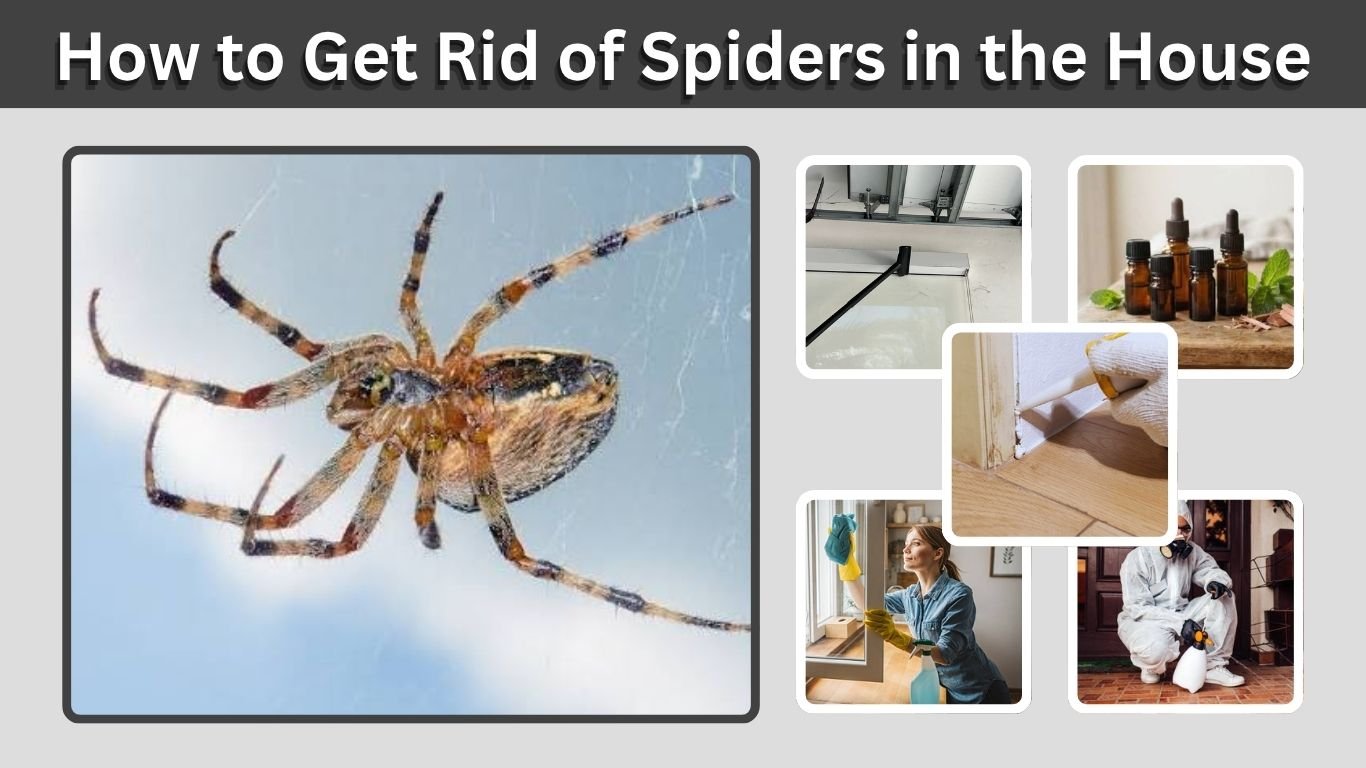
Spiders are common household visitors, especially in dark corners, basements, closets, and storage areas. Although most house spiders are harmless, finding them indoors can be uncomfortable. If you’re wondering how to get rid of spiders in the house, several simple methods can help. Regular vacuuming, removing spider webs, sealing entry points, and reducing household insects are among the most effective solutions. This guide explains 10 practical ways to remove spiders, control them naturally, and prevent them from returning without relying heavily on chemical pesticides.
How to Get Rid of Spiders in the House Fast
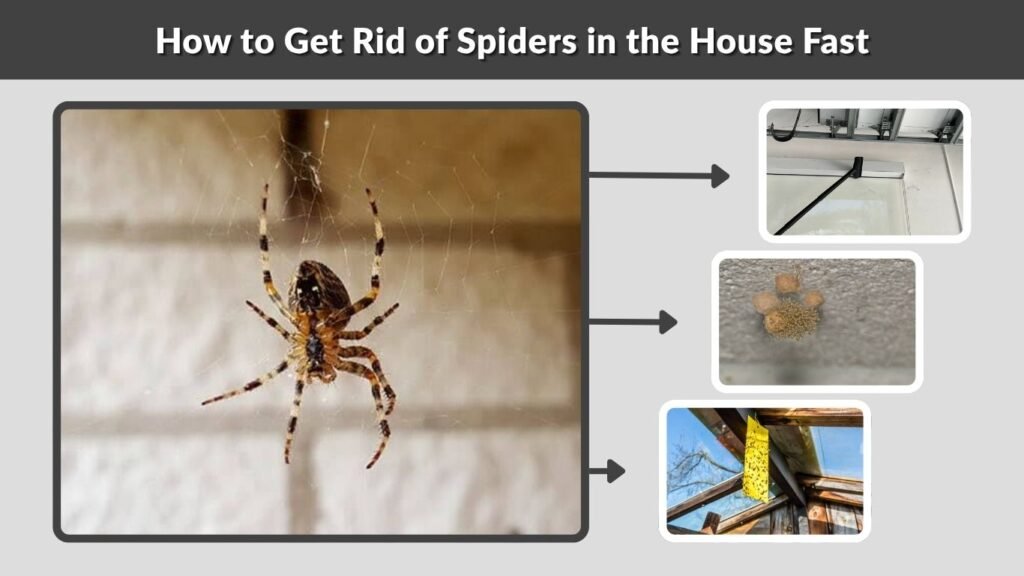
The fastest way to get rid of spiders in the house is to remove existing spiders, webs, and egg sacs while targeting their hiding places. Vacuuming and physical removal provide immediate results, whereas prevention helps reduce future activity. The following methods work particularly well for common household spiders.
1. Vacuum Spiders and Their Webs
Vacuuming is one of the easiest ways to remove spiders quickly. Use a vacuum cleaner with a hose attachment to reach ceiling corners, window frames, baseboards, and areas behind furniture.
Pay particular attention to basements, closets, and other undisturbed spaces where spiders hide. Vacuuming can also remove small insects that provide food for spiders.
After cleaning, empty the vacuum contents into a sealed bag and dispose of them outside. Repeat the process regularly to prevent webs from accumulating.
2. Remove Spider Egg Sacs
Spider egg sacs can contain numerous developing spiderlings, so removing them helps prevent a sudden increase in tiny spiders.
Look for small silk-covered sacs attached to webs, furniture, ceiling corners, or storage boxes. Carefully vacuum them along with the surrounding webbing.
Dispose of the vacuum contents in a sealed bag outdoors. Avoid touching unidentified spiders or egg sacs with bare hands, particularly if potentially dangerous species occur in your area.
3. Catch and Relocate Individual Spiders
For occasional spiders, catching and relocating them is an effective chemical-free solution.
Place a clear container over the spider and gently slide a stiff piece of paper underneath. Carry the container outside and release the spider in a sheltered area.
This method works particularly well for jumping spiders and other isolated visitors. Avoid handling unfamiliar spiders directly.
4. Use Spider Sticky Traps
Sticky traps can help capture ground-dwelling spiders, including wolf spiders, and reveal where they are most active.
Place traps along baseboards, behind furniture, and near suspected entry points. Check them regularly and replace them when necessary.
Keep sticky traps away from children and pets. Remember that they work best as monitoring and supplemental control tools rather than as a complete solution.
How to Get Rid of Spiders in the House Naturally
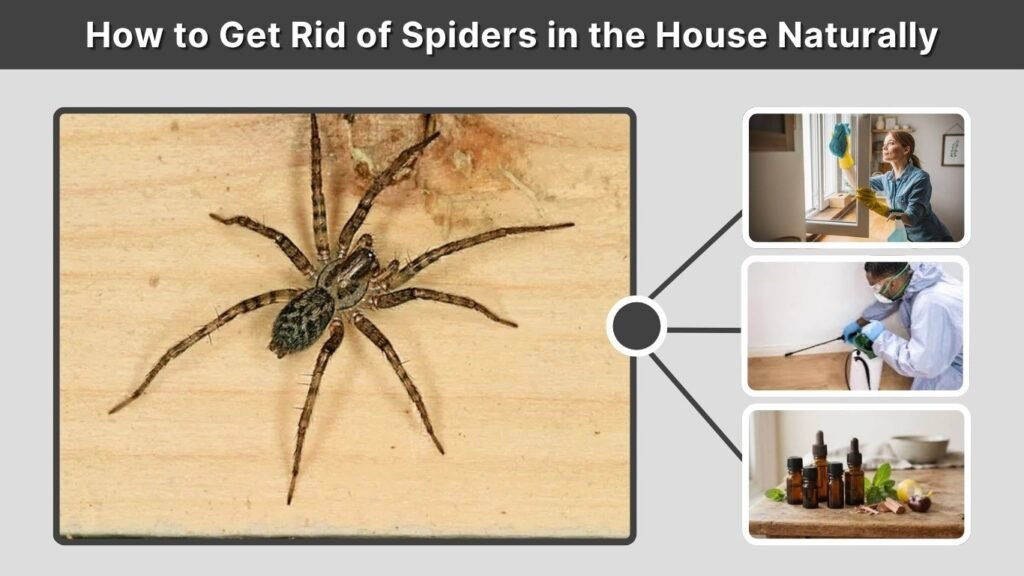
Natural spider control focuses on making indoor spaces less attractive to spiders. Removing their food supply, reducing clutter, and maintaining clean living areas are more dependable than relying on homemade repellents alone. These approaches also reduce the need for chemical treatments around household surfaces.
5. Eliminate Other Household Insects
Spiders enter or remain in homes where they can find insects to eat. Flies, mosquitoes, moths, and other small pests provide food for many spider species.
Keep kitchen counters clean, store food securely, and dispose of garbage regularly. Repair window screens and address insect infestations promptly.
Reducing insects makes your home less favorable for spiders and can gradually decrease their numbers.
6. Keep Your House Clean and Clutter-Free
Spiders often hide in cardboard boxes, piles of clothing, unused furniture, and undisturbed corners.
Organize storage areas and replace loosely packed cardboard boxes with containers that have secure lids. Vacuum beneath beds, behind cabinets, and around basement shelving.
Clean frequently used rooms regularly, but remember that spiders can appear even in well-maintained homes. Cleaning helps reduce hiding places rather than guaranteeing complete removal.
7. Reduce Moisture and Humidity
Damp basements, bathrooms, and crawl spaces may support the small insects that attract spiders.
Repair leaking pipes, improve ventilation, and consider using a dehumidifier in persistently damp areas. Remove standing water and investigate ongoing moisture problems.
Lowering excess humidity can help make these areas less favorable for insects and the spiders that feed on them.
8. Understand Natural Spider Repellents
Peppermint oil and chestnuts are frequently suggested as natural spider repellents. Some laboratory research has found that these substances deter certain spider species, but their effectiveness varies.
There is not enough evidence to rely on peppermint oil, vinegar, citrus sprays, or chestnuts to control an entire household spider problem.
Essential oils can also pose risks to pets, especially cats. Physical removal, cleaning, and sealing entry points remain more reliable options.
How to Keep Spiders from Coming Into Your House
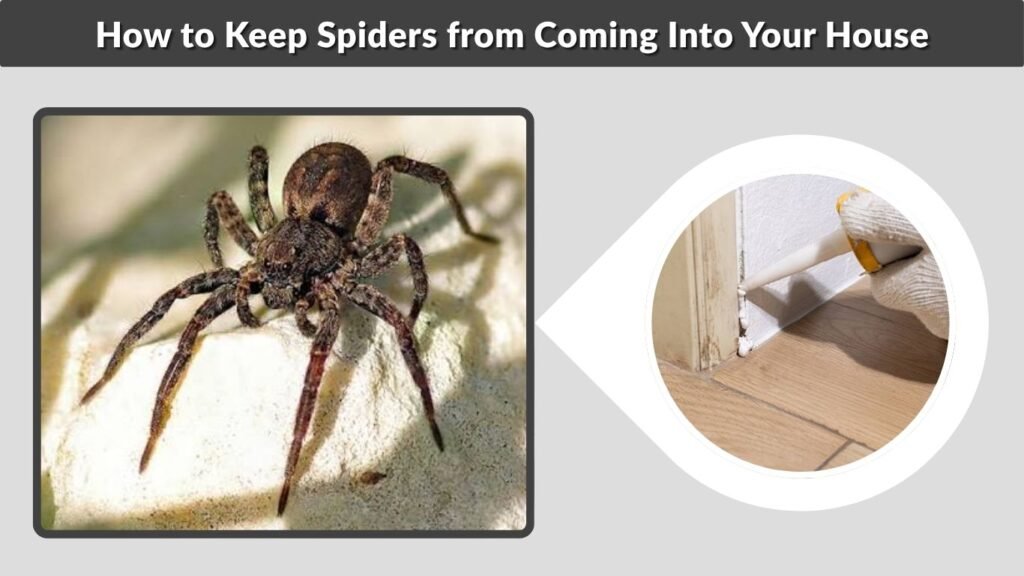
Preventing spiders from entering is essential for long-term control. Even after removing existing spiders, new ones may enter through damaged screens, gaps around doors, or cracks in exterior walls. A few simple home maintenance improvements can significantly reduce these opportunities.
9. Seal Cracks, Windows, and Doors
Inspect your house for small openings around windows, exterior doors, foundations, and utility pipes.
Use suitable caulk to seal cracks, install weatherstripping, and replace damaged door sweeps. Repair torn window screens and make sure they fit securely.
Pay attention to basement windows, garage doors, and other openings close to ground level. These areas can provide entry points for wandering spiders.
10. Maintain the Outdoor Area
Outdoor conditions can influence how frequently spiders enter your home.
Trim shrubs and tree branches that touch exterior walls. Move firewood, fallen leaves, and unnecessary storage materials away from the foundation.
Outdoor lights attract flying insects, which can attract spiders. Consider using warmer, yellow-toned outdoor lights that attract fewer insects, and position lights away from entrances when practical.
How to Get Rid of Different Types of House Spiders
Different spider species have different habits, so the most effective removal technique depends partly on the spider involved. Some spiders build webs in undisturbed corners, while others actively hunt across floors and walls. Understanding these differences can help you choose a suitable control method.
How to Get Rid of Wolf Spiders in the House
Wolf spiders are active hunters that commonly wander across floors instead of catching prey in webs.
Remove individual spiders with a container or vacuum, place monitoring traps along baseboards, and seal gaps beneath exterior doors.
Reduce clutter in garages and basements, where these spiders may find shelter. Repeated sightings can indicate an exterior entry point that needs repair.
How to Get Rid of Small or Baby Spiders in the House
Finding many tiny spiders together may indicate that an egg sac has recently hatched.
Vacuum the spiderlings and inspect nearby corners, furniture, and storage areas for additional egg sacs. Empty the vacuum outdoors afterward.
Continue checking the area over the following days. A sudden appearance of spiderlings does not necessarily mean there is an established infestation.
How to Get Rid of Cellar Spiders and Sac Spiders
Cellar spiders typically build loose, irregular webs in ceiling corners and other quiet areas. Removing their webs and reducing nearby insects can help control them.
Sac spiders often hide inside small silken retreats, sometimes near wall and ceiling junctions.
Vacuum accessible retreats and inspect behind furniture and around window frames. Avoid handling unfamiliar spiders directly.
Should You Use Spider Spray or Call Pest Control?
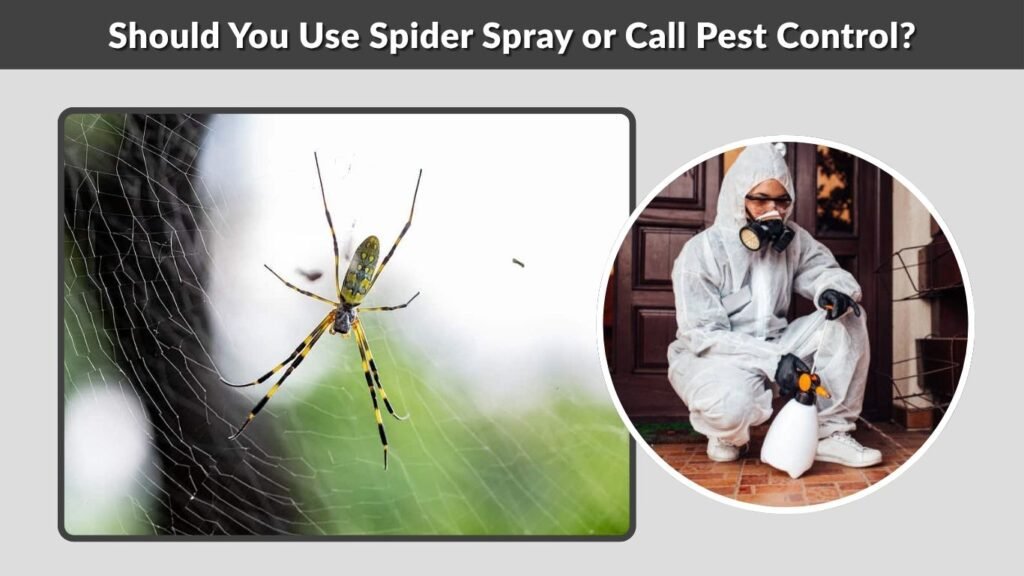
Most household spider problems can be managed without pesticides. Regular cleaning, trapping, insect reduction, and entry-point sealing are usually better first steps.
Spider sprays may provide temporary control, but spraying alone rarely prevents new spiders from appearing. Indoor foggers are generally ineffective against spiders hiding inside protected cracks and crevices.
If chemical control is necessary, choose a product specifically labeled for spiders and the intended application area. Follow all label instructions and keep children and pets away as directed.
Consider hiring a qualified pest control professional when spiders repeatedly appear despite preventive measures, or when potentially medically significant species are found. Professional identification can help determine whether treatment is necessary.
FAQs
What Is the Fastest Way to Get Rid of Spiders in the House?
Vacuuming spiders, removing webs and egg sacs, and clearing hiding places are among the fastest methods. Seal entry points afterward to reduce new arrivals.
How Can I Get Rid of Spiders Naturally?
Start by vacuuming regularly, reducing clutter, controlling household insects, and repairing cracks around doors and windows. These methods provide more dependable results than most homemade repellents.
Why Do I Keep Finding Spiders in My House?
Spiders may enter through small openings or remain indoors where they find insects, moisture, and shelter. Frequent sightings can also occur during seasonal spider activity.
Does Peppermint Oil Really Keep Spiders Away?
Some studies suggest peppermint oil can repel certain spider species under controlled conditions. However, it is not a proven whole-house solution, and essential oils can be unsafe around pets.
How Do I Permanently Keep Spiders Out of My House?
Completely eliminating every spider is unrealistic, but sealing entry points, removing indoor insects, cleaning regularly, and maintaining outdoor vegetation can substantially reduce spider activity over time.
