
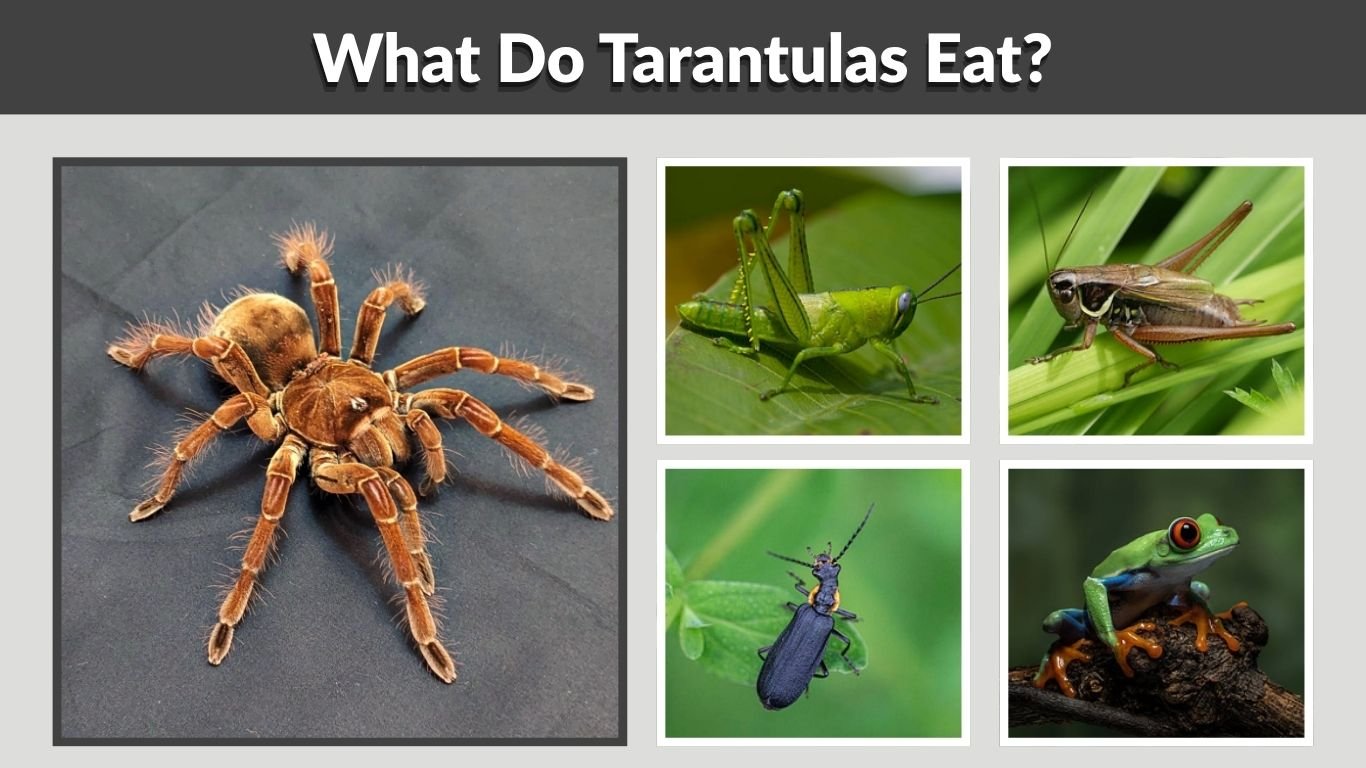
Tarantulas are large, hairy spiders known for their patient hunting style and surprisingly varied diet. Most tarantulas are carnivores that eat insects and other small animals they can overpower. Instead of chewing food, they inject venom and digestive fluids into their prey, turning the inside into liquid before feeding. Their exact diet depends on their species, size, habitat, and age. Wild tarantulas may eat whatever suitable prey comes close, while pet tarantulas are usually fed safe, commercially raised insects. Here are 10 common foods tarantulas love to eat.
Quick Overview of a Tarantula’s Diet
Tarantulas are opportunistic predators. This means they usually do not search over long distances for food. They wait inside or near their burrows until prey comes within striking range. Ground-dwelling species commonly catch insects walking across the soil, while tree-dwelling tarantulas may hunt insects on branches, bark, and leaves.
| Food | Common in the Wild? | Suitable for Pet Tarantulas? |
|---|---|---|
| Crickets | Yes | Yes |
| Cockroaches | Yes | Yes |
| Grasshoppers | Yes | Sometimes |
| Mealworms | Occasionally | Yes |
| Superworms | Occasionally | Yes |
| Beetles | Yes | Sometimes |
| Moths | Yes | Sometimes |
| Flies | Yes | Yes |
| Small spiders | Yes | Not recommended |
| Small vertebrates | Occasionally | Usually not recommended |
1. Crickets
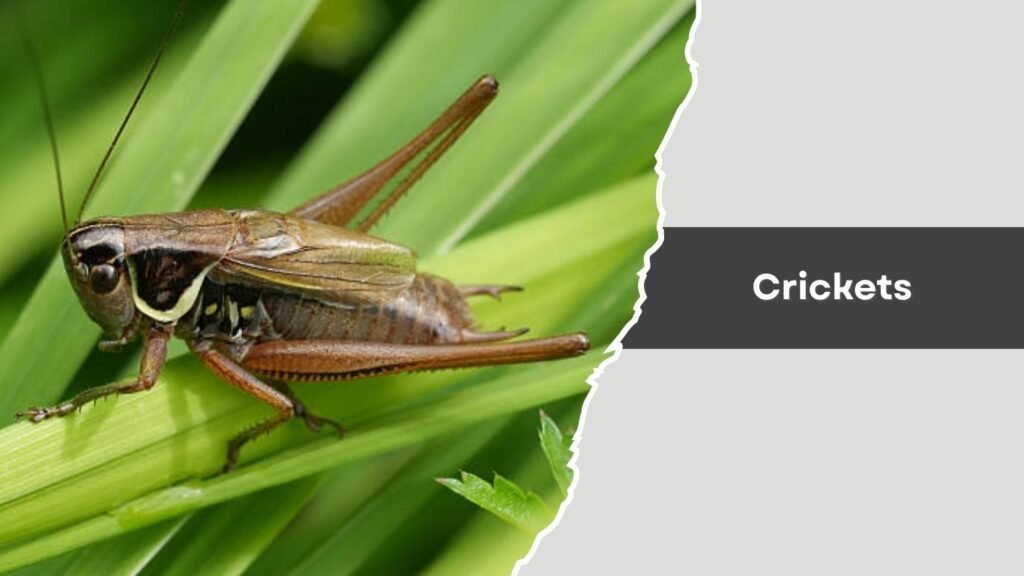
Crickets are among the most common foods eaten by both wild and captive tarantulas. Their movement attracts the spider’s attention, making them easy for a tarantula to detect and capture. Pet owners often use house crickets or banded crickets because they are widely available and come in several sizes.
Why Tarantulas Like Crickets
Crickets move frequently and create vibrations across the ground. Tarantulas are highly sensitive to these vibrations and can quickly locate a cricket that enters their enclosure or approaches their burrow.
A tarantula usually pounces on the cricket, holds it with its powerful fangs, and injects venom. It then carries the prey to a secure feeding spot.
Feeding Crickets Safely
Choose crickets that are smaller than the tarantula’s body length. Large crickets may stress or injure young spiders. Any cricket that remains uneaten for approximately 24 hours should be removed, especially when the tarantula is preparing to molt.
2. Cockroaches
Cockroaches are another nutritious and popular food for tarantulas. In the wild, tarantulas may encounter many types of roaches beneath logs, stones, leaf litter, and loose soil.
Captive tarantulas are often fed dubia roaches, red runner roaches, or other commercially raised feeder species.
Nutritional Benefits
Roaches contain useful protein and generally have a better meat-to-shell ratio than some other feeder insects. They also survive longer than crickets and usually produce less odor.
Why Roaches Make Good Feeders
Roaches move enough to trigger a hunting response but are often less aggressive than crickets. However, some species quickly burrow into the substrate. Owners may need to place the roach near the tarantula or lightly crush part of it for very young slings.
Never feed a pet tarantula cockroaches caught in kitchens, drains, or outdoor areas. Wild roaches may carry pesticides, parasites, or harmful chemicals.
3. Grasshoppers
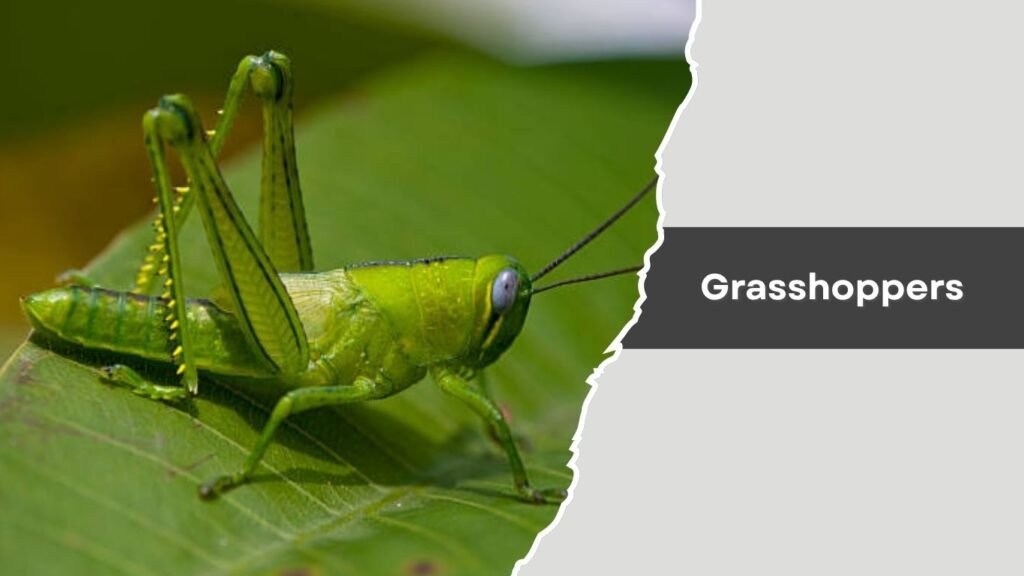
Wild tarantulas sometimes eat grasshoppers, particularly in grasslands, scrublands, and warm open habitats. Grasshoppers can provide a substantial meal because many species have thick bodies and strong muscles.
How Tarantulas Catch Them
A tarantula may wait near vegetation, a burrow entrance, or a trail used by insects. When a grasshopper comes close enough, the spider attacks suddenly and holds the prey tightly until it stops struggling.
Are Grasshoppers Safe for Pets?
Captive-bred grasshoppers may be offered to larger tarantulas, but wild-caught ones are risky. They may have been exposed to pesticides or may carry parasites. Grasshoppers also have powerful legs that could disturb or injure a small tarantula.
Choose prey of an appropriate size and remove it if the tarantula shows no interest.
4. Mealworms
Mealworms are the larvae of darkling beetles. They are commonly sold as food for reptiles, birds, fish, and invertebrates. Many tarantulas readily accept them.
Why Tarantulas Eat Mealworms
Mealworms wiggle strongly when placed near a tarantula, helping trigger the spider’s feeding response. They are also inexpensive, easy to store, and available in different sizes.
Important Feeding Precautions
Mealworms can quickly dig beneath the substrate. Once hidden, they may later transform into beetles or disturb a molting tarantula. To prevent this, owners can lightly crush the worm’s head before placing it in the enclosure.
Mealworms contain more fat and a harder outer shell than some feeders. They are best used as part of a varied diet rather than as the only food.
5. Superworms
Superworms resemble large mealworms, but they are the larvae of a different beetle species. They are active, strong, and suitable mainly for medium or large tarantulas.
Benefits of Superworms
Their large size makes them a substantial meal. They are also easy to purchase and can remain alive for a long time when stored correctly.
Possible Risks
Superworms have strong jaws and may bite when threatened. They can also burrow into the substrate. Because of this, they should not be left unattended with a tarantula, particularly one that is weak, young, or close to molting.
Pre-killed superworms can be offered to tarantula slings and species that are reluctant to attack live prey.
6. Beetles
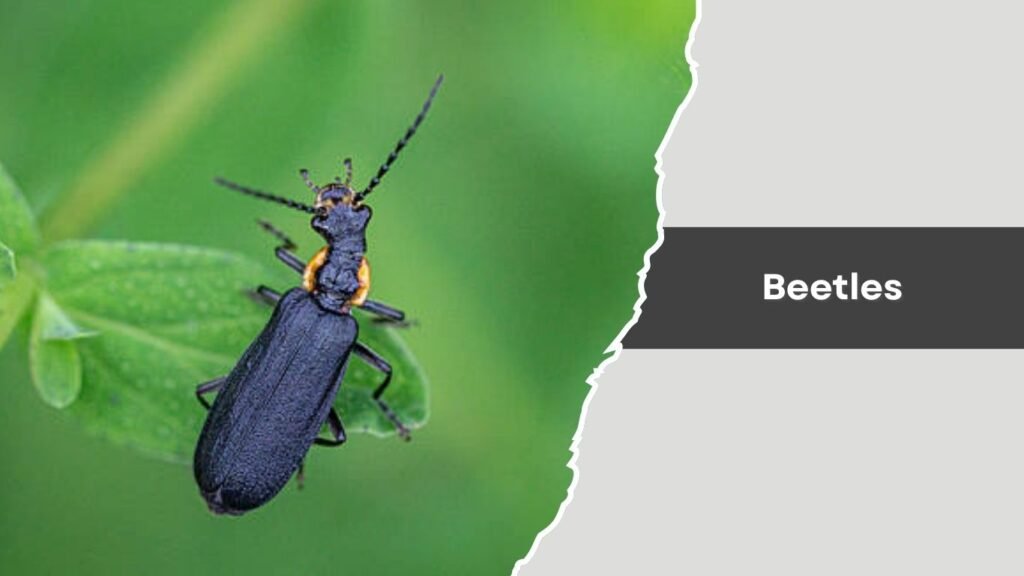
Tarantulas living in forests, deserts, and grasslands may eat small beetles. Beetles are abundant in many habitats and often walk along the ground at night, when many tarantulas are most active.
Types of Beetles Eaten
Depending on their size, tarantulas may capture darkling beetles, ground beetles, small scarab beetles, and other soft or moderately armored species.
Challenges of Eating Beetles
Some beetles have extremely hard shells, defensive chemicals, sharp body parts, or strong jaws. These defenses can make them difficult or unpleasant for a tarantula to eat.
For pet tarantulas, commercially raised beetle larvae are generally safer than adult wild beetles. Avoid brightly colored or unknown beetles because their coloration may warn predators that they contain irritating or toxic chemicals.
7. Moths
Moths are common prey for arboreal tarantulas that live in trees, shrubs, and forest plants. Ground-dwelling species may also catch moths that land near their burrows.
Why Moths Attract Tarantulas
Their fluttering movement creates vibrations that a tarantula can detect. Soft-bodied moths are also relatively easy for a spider to pierce and digest.
Moths for Captive Tarantulas
Some owners offer captive-raised wax moths or other feeder moths as occasional enrichment. Flying prey encourages the tarantula to use natural hunting behaviors, especially in taller enclosures designed for arboreal species.
Wild moths should be avoided because they may have contacted pesticides. Some moth species also contain defensive chemicals acquired during the caterpillar stage.
8. Flies
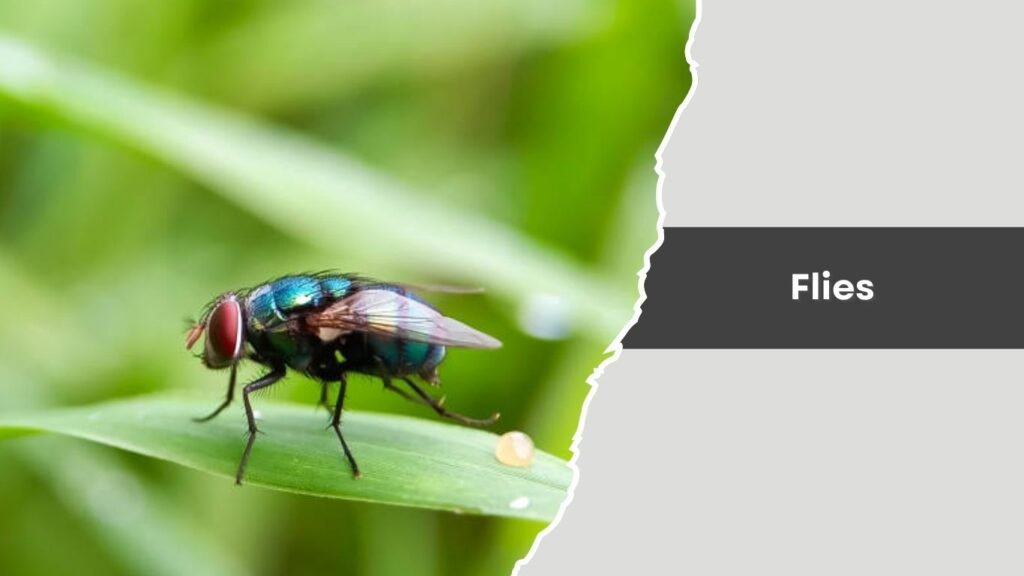
Flies and fly larvae can be useful foods, particularly for young tarantulas. Fruit flies are commonly fed to tiny slings that are too small to handle crickets or roaches.
Suitable Types of Flies
Common feeder options include:
- Flightless fruit flies
- Housefly larvae
- Bluebottle fly larvae
- Captive-raised adult flies
Feeding Young Tarantulas
Tiny tarantulas may catch flightless fruit flies or feed on pre-killed larvae. Because slings are small and delicate, prey should not be much larger than the spider’s abdomen.
Adult flies can be difficult to contain, but they may provide useful hunting enrichment. Always ensure the feeder insects come from a clean, reliable source.
9. Other Spiders
Tarantulas may eat smaller spiders when the opportunity arises. This behavior is more likely when food is limited or when another spider enters the tarantula’s territory.
Do Tarantulas Eat Other Tarantulas?
Yes, cannibalism can occur. A larger tarantula may attack a smaller member of its own species. Females may also attack males before, during, or after mating, although this does not happen in every encounter.
Why Spiders Should Be Housed Separately
Most tarantulas are solitary and should be kept alone. Housing two together can lead to stress, injury, or cannibalism. A few species may tolerate communal living under specialized conditions, but this should only be attempted by experienced keepers.
Wild spiders should not be offered as feeders because they could carry parasites, venom, or pesticide residues.
10. Small Vertebrates

Large tarantulas are sometimes capable of eating small vertebrates. These may include tiny lizards, frogs, snakes, rodents, or young birds. However, such meals are much less common than dramatic photographs and videos may suggest.
Do Tarantulas Regularly Eat Birds?
Despite the name “bird-eating tarantula,” birds are not a normal everyday food. Large tarantulas mainly eat insects and other invertebrates. A small bird may occasionally be taken if it is vulnerable and comes within reach, but such events are unusual.
Should Pet Tarantulas Eat Mice?
Feeding mice or other vertebrates is generally unnecessary. They can injure the spider, create a mess, and introduce bacteria into the enclosure. Insects provide sufficient nutrition for most captive tarantulas.
Occasional vertebrate predation in the wild shows what a large tarantula can overpower, not what it needs as a regular meal.
How Tarantulas Eat Their Food
Tarantulas cannot chew and swallow solid pieces in the same way mammals do. After capturing prey, the spider uses its fangs to inject venom. The venom helps immobilize the animal, while digestive fluids begin breaking down its tissues.
The tarantula may wrap, crush, or rotate the prey while feeding. Once the internal tissues become liquid, the spider sucks up the nutrients through its mouth. A small, dry ball of indigestible material may remain afterward.
How Often Do Tarantulas Eat?
Feeding frequency depends on age, species, temperature, and meal size.
Young tarantulas generally eat more frequently because they are growing quickly. Many slings can be fed once or twice each week. Juveniles may eat approximately once a week, while healthy adults may only need food every one or two weeks.
Some adult tarantulas refuse food for weeks or even months. This can be normal, especially before molting. Fresh water should still be available at all times.
Foods You Should Not Give a Pet Tarantula
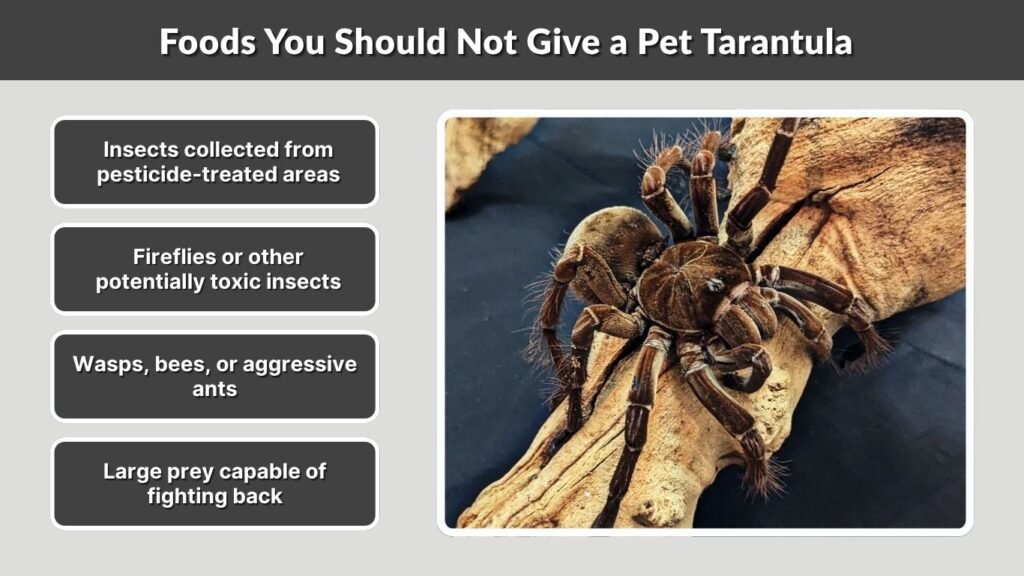
Not every small animal is safe to use as food. Avoid offering prey that may injure, poison, or infect the spider.
Do not feed:
- Insects collected from pesticide-treated areas
- Fireflies or other potentially toxic insects
- Wasps, bees, or aggressive ants
- Large prey capable of fighting back
- Decomposing insects
- Seasoned or cooked human food
- Meat from a kitchen
- Wild rodents, frogs, or lizards
Commercially raised feeder insects are safer because their history and diet are easier to control.
FAQs
Do tarantulas eat every day?
No. Most tarantulas do not need daily meals. Young spiders may eat once or twice a week, while adults often eat less frequently. Overfeeding can lead to an overly large abdomen, which may be vulnerable to injury. Feeding frequency should depend on the spider’s age, condition, and species.
Can tarantulas eat fruit or vegetables?
Tarantulas are carnivores and do not normally eat fruit or vegetables. They obtain nutrients and moisture from animal prey. However, feeder insects can be given nutritious vegetables before being offered to the tarantula. This process, called gut-loading, improves the feeder’s nutritional value.
Why is my tarantula not eating?
A tarantula may refuse food because it is preparing to molt, has recently eaten, is stressed, or is experiencing unsuitable enclosure conditions. Appetite also commonly decreases during cooler periods. Remove uneaten prey and make sure the spider has fresh water, proper ventilation, and suitable temperature and humidity.
Can a tarantula eat prey bigger than itself?
Large tarantulas can sometimes overpower surprisingly big prey, but offering oversized food is risky. The prey may fight back and injure the spider. A safer rule is to choose a feeder no larger than the tarantula’s body or slightly smaller than the abdomen for young spiders.
Do tarantulas drink water?
Yes. Tarantulas need access to clean water even though they receive some moisture from prey. Captive tarantulas should have a shallow water dish appropriate for their size. The dish should be cleaned and refilled regularly. Sponges are unnecessary and may collect bacteria or mold.
