
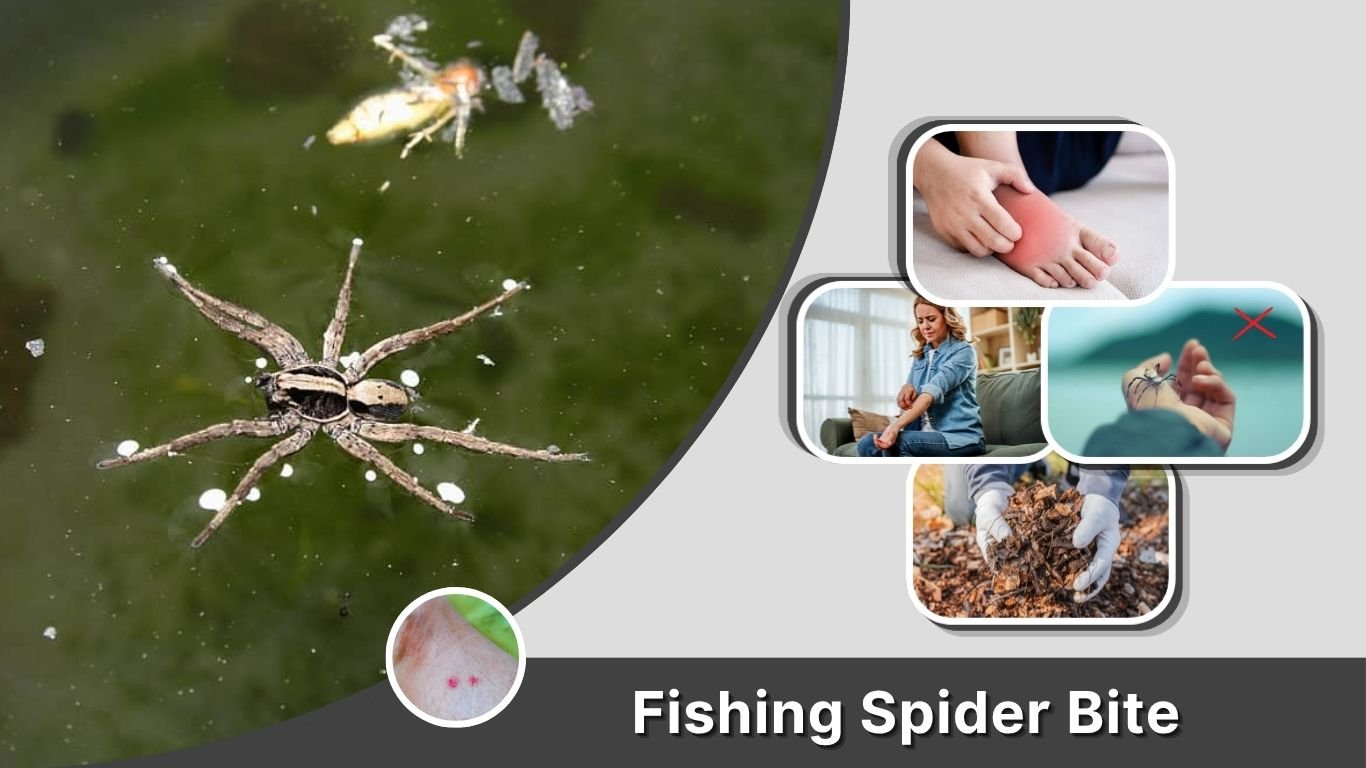
Fishing Spider Bite: Symptoms, Pictures, Risk & Treatment
A fishing spider bite can look alarming because these spiders are large, fast, and often found around water, docks, basements, and wooded areas. However, fishing … Read More
A fishing spider bite can look alarming because these spiders are large, fast, and often found around water, docks, basements, and wooded areas. However, fishing … Read More
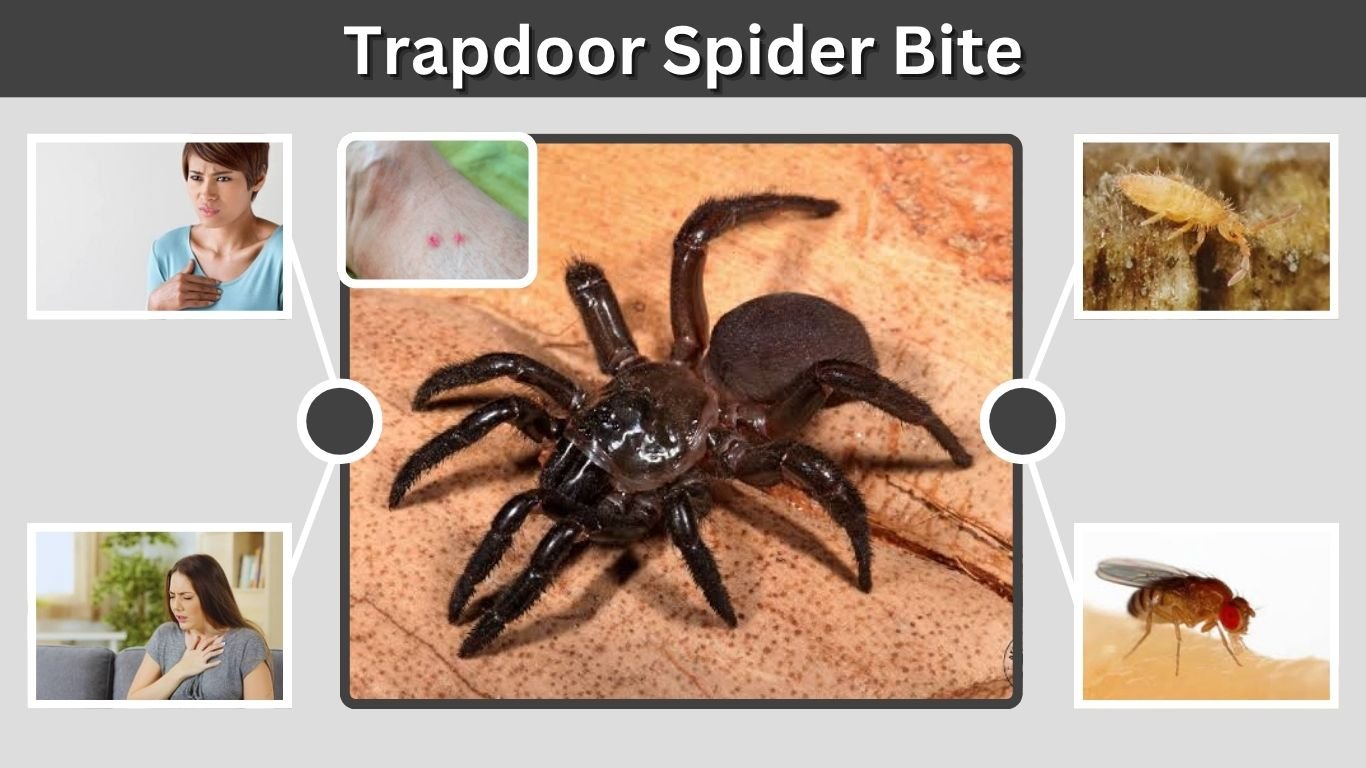
A trapdoor spider bite can be painful, but bites from typical trapdoor spiders are not generally considered dangerous to humans. Most documented cases involve temporary … Read More
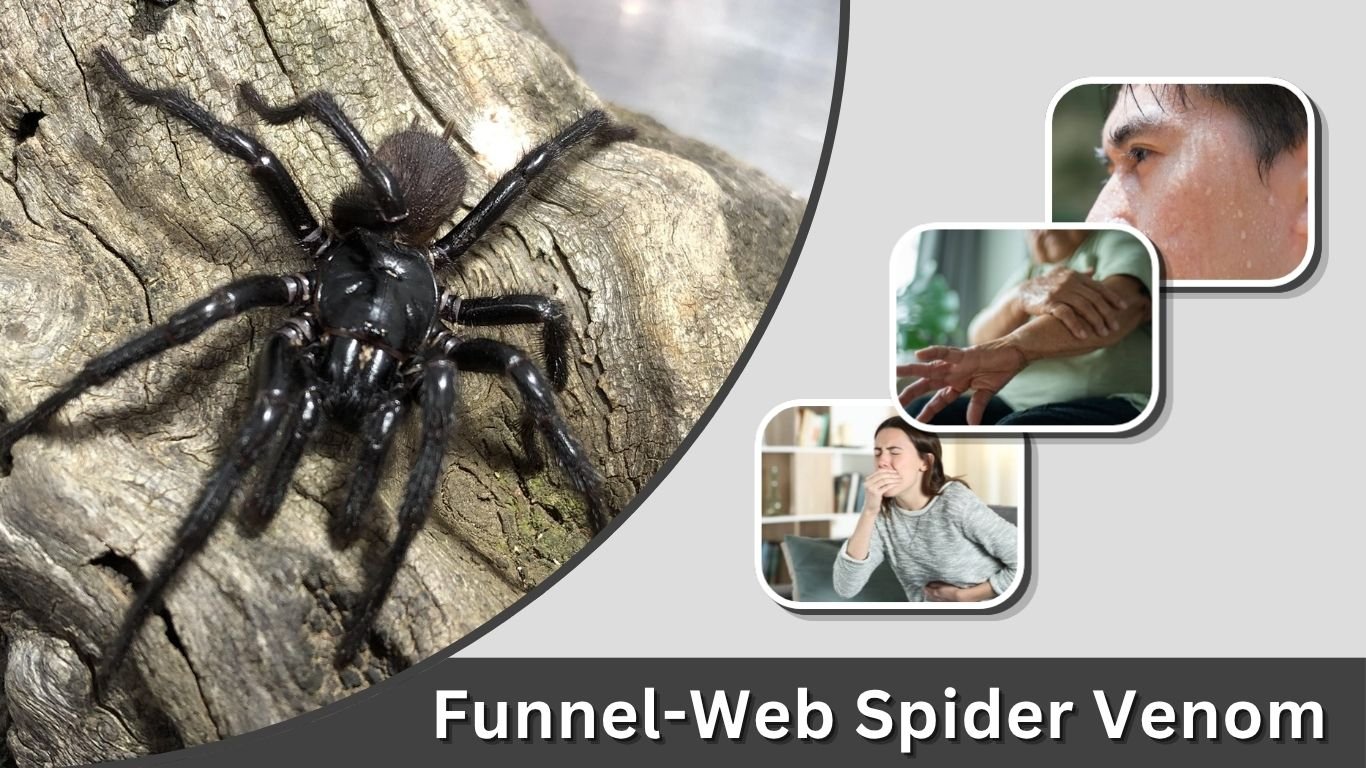
Funnel-web spider venom is among the most medically significant spider venoms in the world, especially that of the Sydney funnel-web spider. These spiders produce powerful … Read More
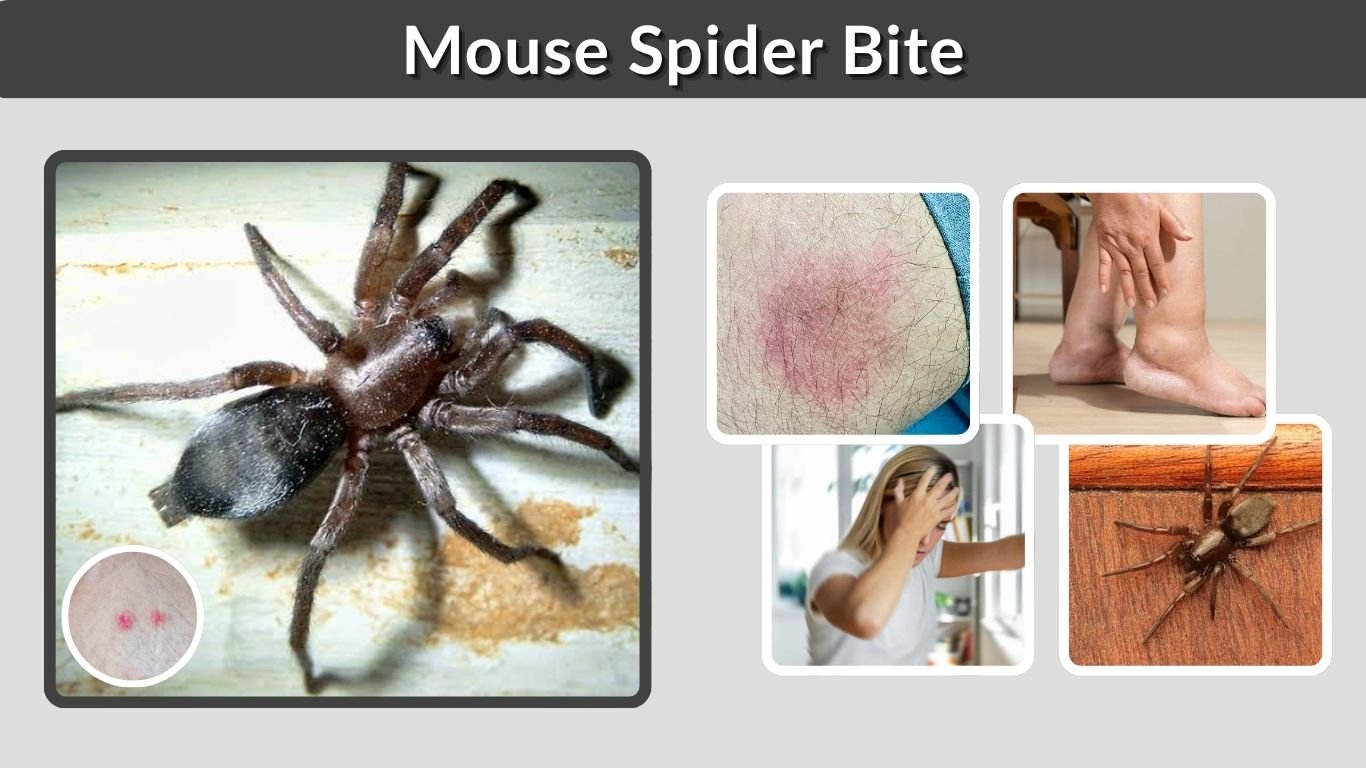
A mouse spider bite can range from localized pain and swelling to, in rare cases, more serious neurological symptoms. The level of danger depends heavily … Read More
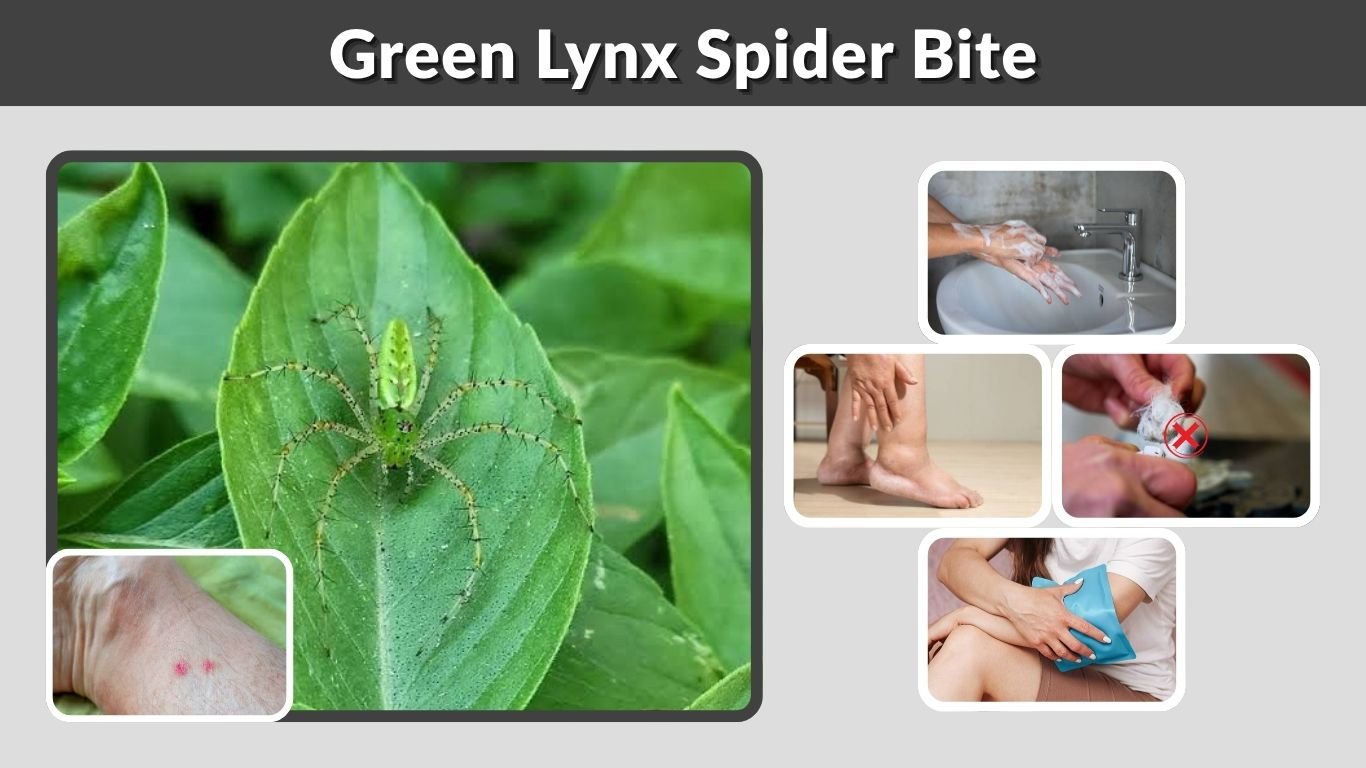
A green lynx spider bite is uncommon, but it can happen when the spider feels trapped, handled, or threatened. Green lynx spiders are venomous hunters, … Read More
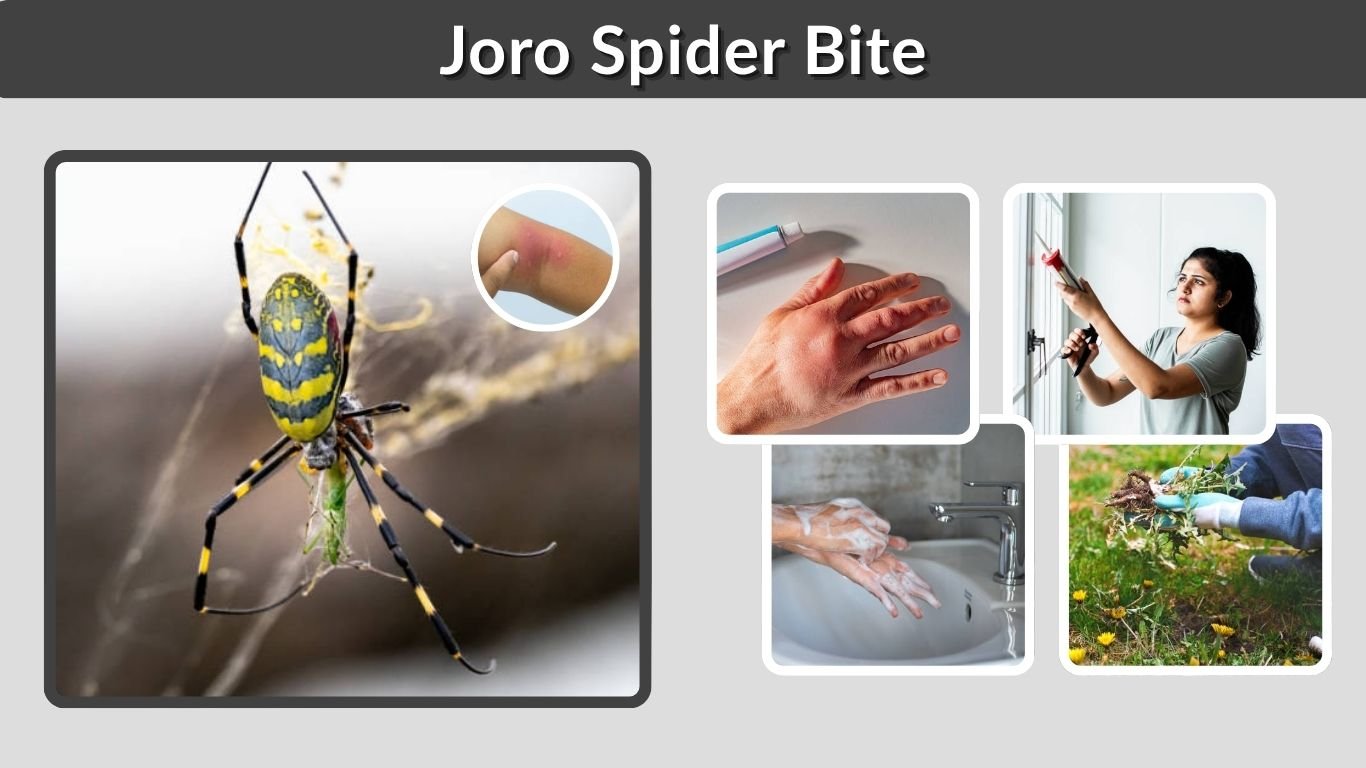
A Joro spider bite is possible, but it is uncommon. Despite their large size and bright yellow-and-black coloring, Joro spiders are generally docile and usually … Read More
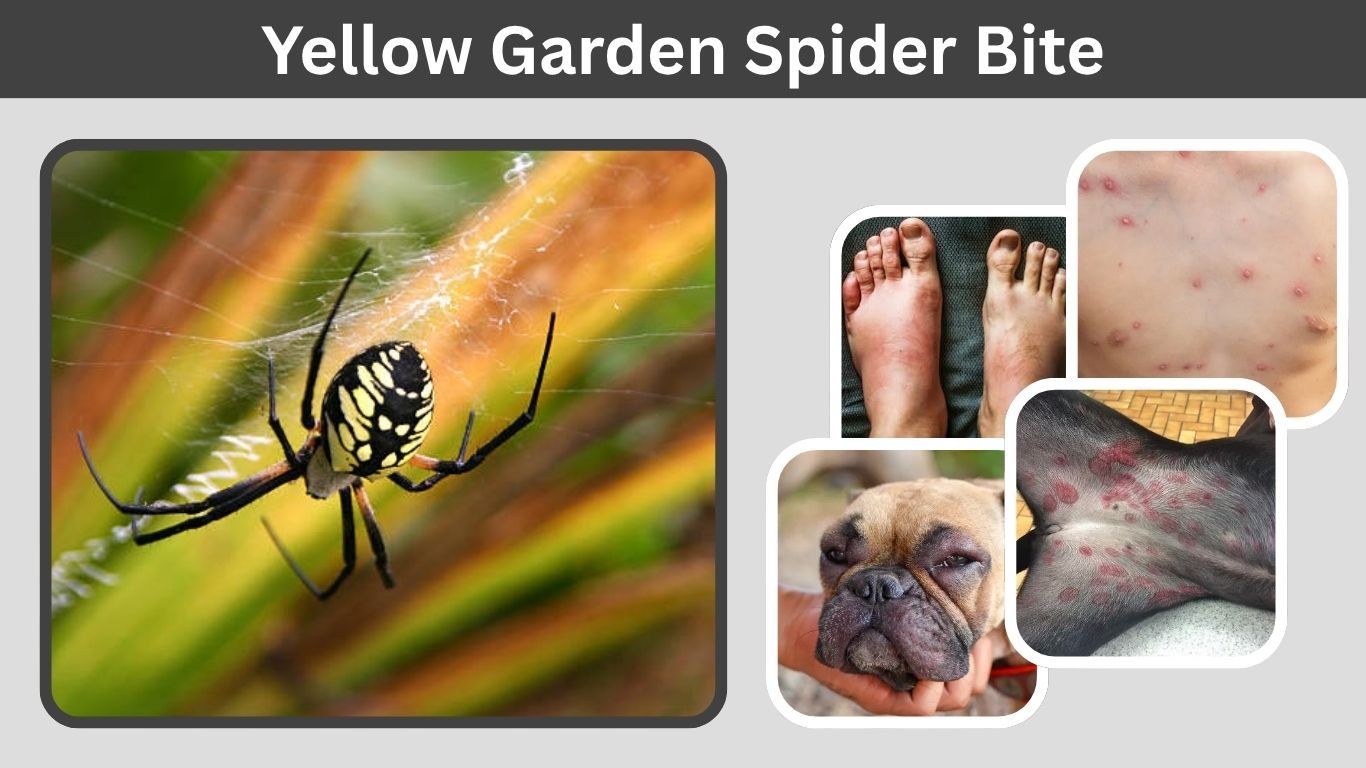
A yellow garden spider bite is possible, but it is extremely uncommon. The yellow garden spider, scientifically known as Argiope aurantia, is a large black-and-yellow … Read More
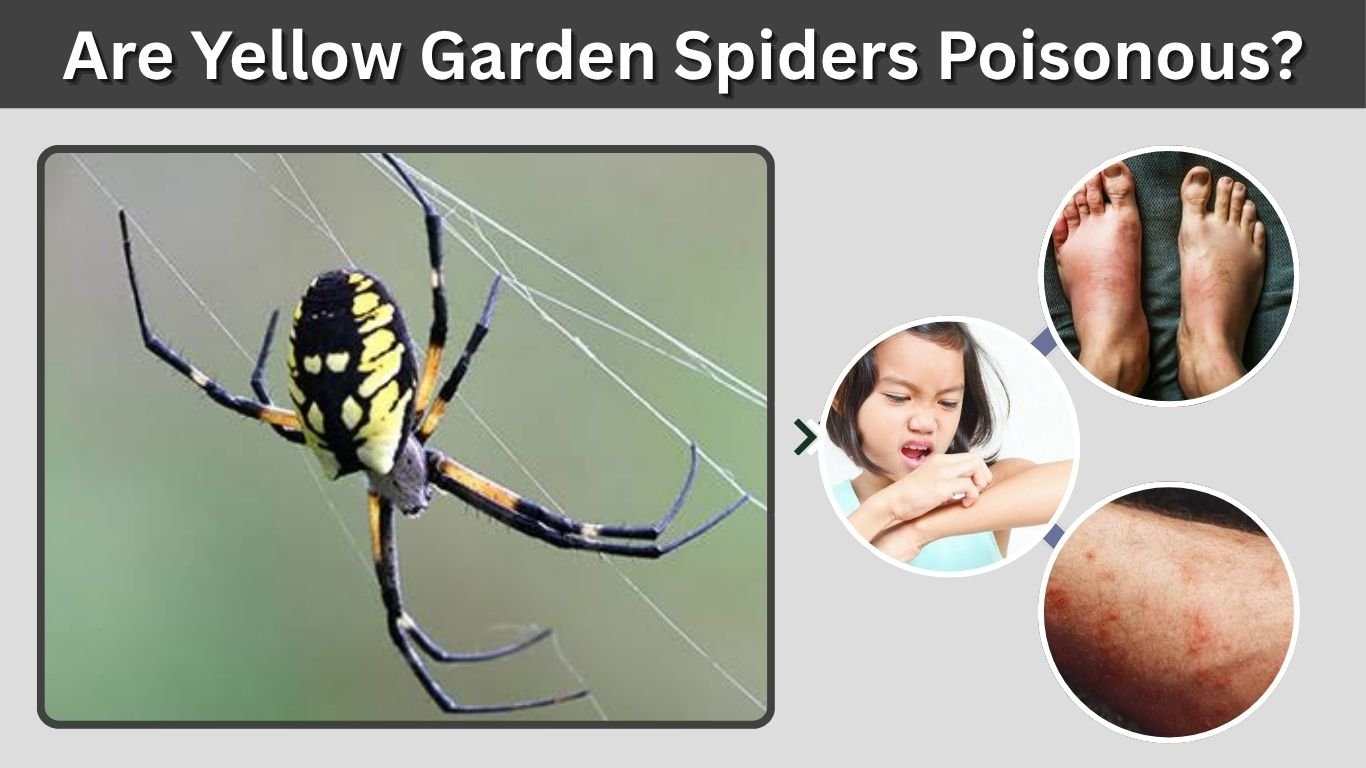
Yellow garden spiders are large orb-weavers recognized by their striking black-and-yellow bodies and zigzag-decorated webs. Their appearance can be alarming, especially when a full-grown female … Read More
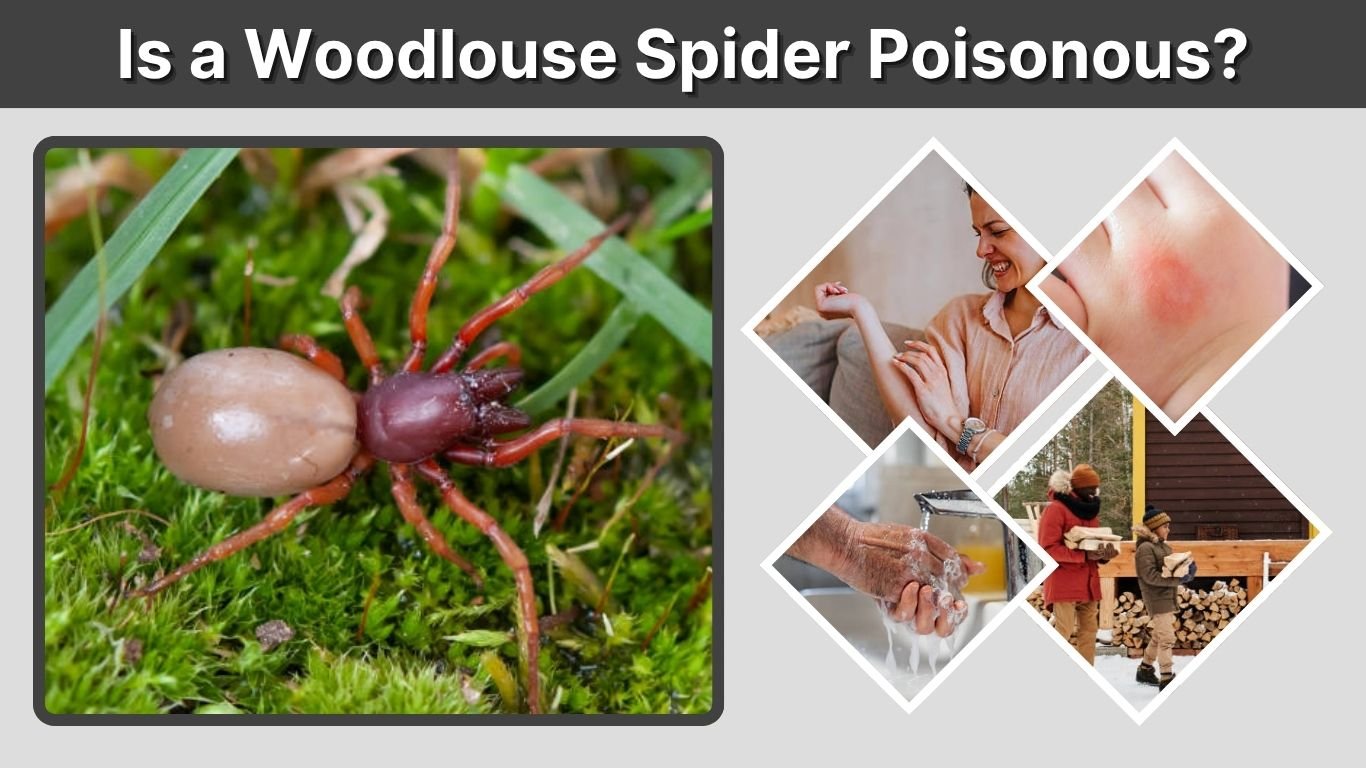
The woodlouse spider has a reddish body, pale abdomen, and unusually large fangs, giving it a threatening appearance. However, it is not poisonous. It is … Read More
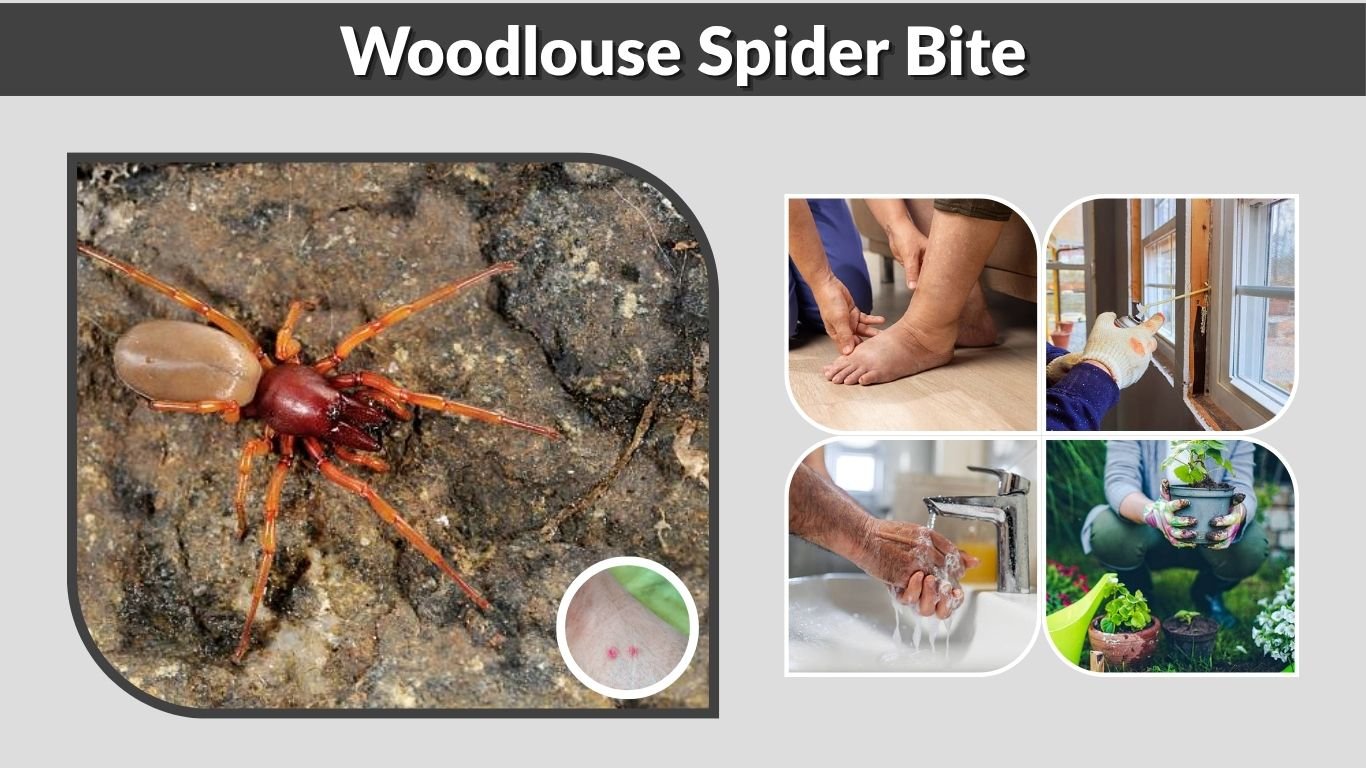
A woodlouse spider bite may look alarming because this reddish spider has unusually large fangs. However, verified bites from the woodlouse hunter, Dysdera crocata, have … Read More