
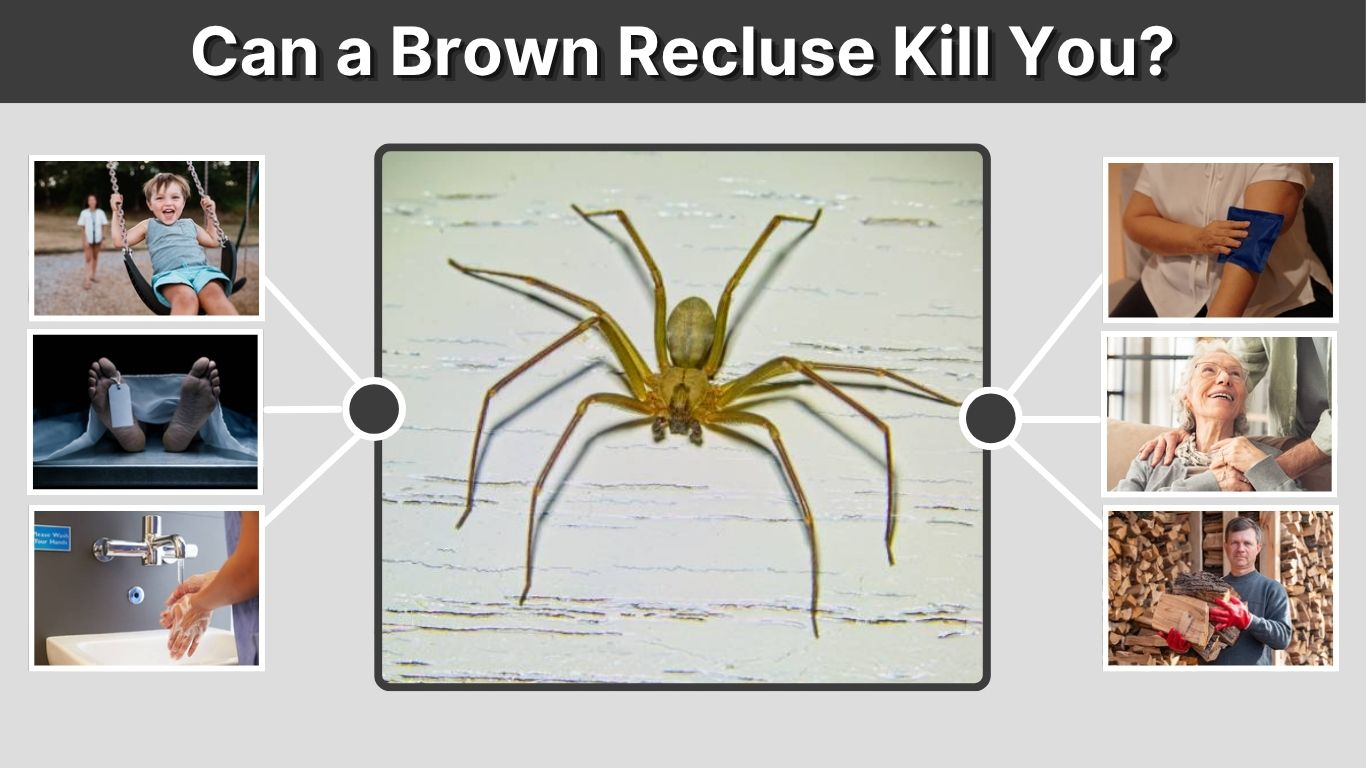
A brown recluse bite can be scary because this spider has venom that may damage skin and, in rare cases, cause serious body-wide illness. However, most brown recluse bites do not kill people. The real danger is not usually instant death, but delayed treatment, severe tissue damage, infection, or rare systemic reactions such as hemolysis. Understanding the warning signs helps you know when a bite is minor and when it needs urgent medical care.
Can a Brown Recluse Kill You?
A brown recluse can kill a person in extremely rare cases, but death from a brown recluse bite is not common. Most bites cause local pain, redness, itching, swelling, or a sore that heals over time. Severe reactions are more likely in children, older adults, and people who develop systemic loxoscelism, a body-wide reaction to recluse venom. MedlinePlus notes that children may have more serious reactions, and rare symptoms can involve serious complications beyond the bite area.
Why Fatal Cases Are Rare
Brown recluse spiders are venomous, but they are not aggressive hunters of people. They usually bite when trapped against skin, such as inside clothing, bedding, shoes, or storage boxes. Many bites are mild because the spider may inject little venom or none at all. Cleveland Clinic also notes that most spider bites rarely cause serious problems, though brown recluse bites can be more serious than ordinary spider bites.
When a Bite Becomes Dangerous
A bite becomes dangerous when venom causes expanding tissue injury, severe pain, fever, nausea, weakness, dark urine, yellowing skin, or signs of blood destruction. Severe systemic loxoscelism can cause hemolysis, coagulopathy, kidney problems, and, in the most severe cases, death. A clinical review in PMC describes systemic loxoscelism as rare but potentially capable of causing widespread hemolysis, coagulation problems, and death.
How Fast Can a Brown Recluse Kill You?
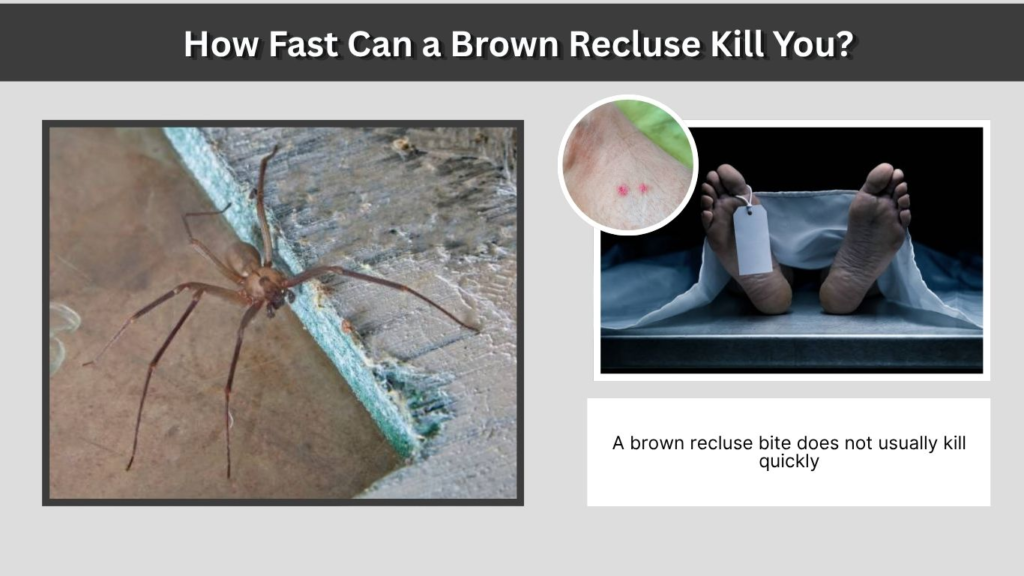
A brown recluse bite does not usually kill quickly. In fact, many people do not even feel the bite at first. Pain often develops over the next few hours, and skin damage may worsen over several days. StatPearls reports that the initial bite may be painless, with pain increasing over the following two to eight hours.
Typical Bite Timeline
| Time After Bite | Possible Symptoms |
| Immediately | No pain, mild sting, or small red mark |
| 2–8 hours | Increasing pain, itching, redness, swelling |
| 24–72 hours | Blistering, purple color, worsening sore, possible ulcer |
| Several days | Tissue death, fever, nausea, weakness, or systemic symptoms in severe cases |
| Weeks | Slow wound healing; some bites may leave a scar |
A serious bite usually worsens gradually rather than causing sudden death. Mayo Clinic notes that most spider bites heal on their own in about a week, while recluse bites may take longer and can sometimes leave a scar.
Why “How Fast” Is the Wrong Question
The better question is: “Is the bite getting worse?” A brown recluse bite needs medical attention if pain increases, the wound expands, the center turns dark, or body-wide symptoms appear. Death, when it occurs, is usually linked to severe complications rather than the bite acting like a fast poison.
What Makes Brown Recluse Venom Dangerous?
Brown recluse venom is medically important because it can damage tissue and trigger inflammation. The venom may cause a condition called loxoscelism. Cutaneous loxoscelism affects the skin, while systemic loxoscelism affects the whole body.
Local Tissue Damage
The most recognized brown recluse complication is skin necrosis, meaning tissue death. The bite area may become painful, blistered, purple, black, or ulcerated. Poison Control explains that severe symptoms can develop over a few days as venom damages surrounding tissue, and necrosis may appear as blackened ulcerated tissue.
Systemic Loxoscelism
Systemic loxoscelism is rare but more dangerous. It may cause fever, chills, nausea, weakness, muscle aches, headache, dark urine, anemia, or kidney stress. Research on brown recluse envenomation has linked severe cases with hemolysis, which means destruction of red blood cells.
Secondary Infection
A bite wound can also become infected, especially if it is scratched, left dirty, or treated with unsafe home remedies. Some wounds blamed on brown recluse bites are actually bacterial skin infections, including abscesses. This is one reason a worsening “spider bite” should be evaluated by a healthcare provider rather than diagnosed at home.
Who Is Most at Risk From a Brown Recluse Bite?
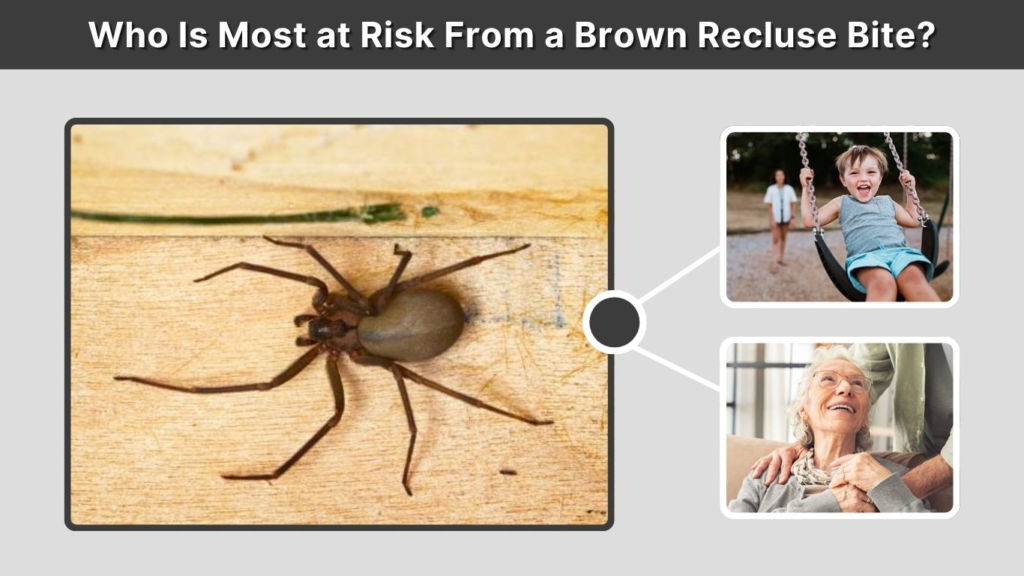
Most healthy adults recover from brown recluse bites, but some people face higher risks. Severe reactions are not always predictable, so symptoms matter more than fear alone.
Higher-Risk Groups
- Children, because their smaller body size may make systemic reactions more serious
- Older adults, especially with other health problems
- People with weakened immune systems
- Anyone with fever, dark urine, spreading rash, or rapidly worsening pain
- Anyone with a bite on the face, neck, or near a joint
- People who delay care after a wound becomes dark, blistered, or infected
Children deserve special attention because systemic reactions may be more severe in pediatric cases. StatPearls notes that systemic reactions in children can be more severe than in adults.
Brown Recluse Bite Symptoms: Mild vs Serious
Not every brown recluse bite looks dramatic. Some are mild, while others worsen slowly. Knowing the difference can prevent panic and help you act early.
| Mild or Common Symptoms | Serious Warning Signs |
| Small red bump | Rapidly expanding redness |
| Mild swelling | Severe or increasing pain |
| Itching or burning | Purple, black, or ulcerated center |
| Tenderness | Fever, chills, nausea, sweating |
| Small blister | Dark urine, weakness, yellow skin |
| Slow-healing sore | Trouble breathing or fainting |
MedlinePlus lists possible symptoms such as chills, itching, fever, nausea, sweating, and a reddish or purplish circle around the bite, with a large ulcer sometimes developing at the bite area.
What Should You Do After a Brown Recluse Bite?
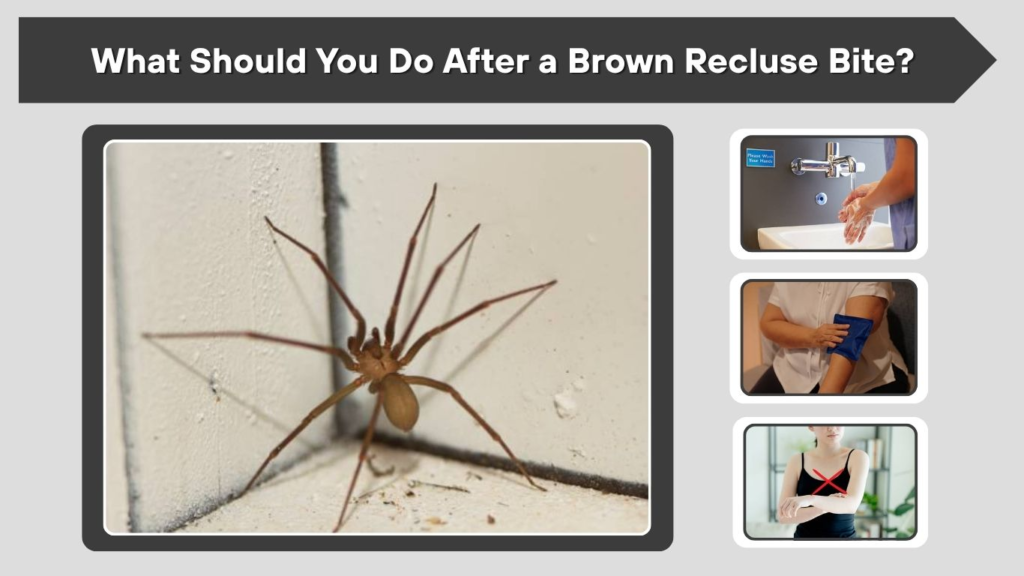
If you think a brown recluse bit you, stay calm and start basic first aid. Do not cut the wound, squeeze it, burn it, or try to remove venom. These methods can make tissue damage worse.
First Aid Steps
- Wash the bite area with soap and water.
- Apply a cold cloth or wrapped ice pack to reduce swelling.
- Elevate the bite area if possible.
- Avoid scratching the wound.
- Take a clear photo of the bite to track changes.
- Safely capture or photograph the spider only if you can do so without another bite.
- Call Poison Control or a healthcare provider if symptoms worsen.
The CDC/NIOSH recommends washing the bite area, applying cold, elevating the bite if possible, avoiding venom removal attempts, and seeking professional medical attention after a suspected venomous spider bite.
When to Seek Emergency Care
Get urgent medical help if the person bitten is a child, if the wound is rapidly worsening, or if there are body-wide symptoms such as fever, vomiting, severe weakness, dark urine, fainting, breathing trouble, or spreading rash. These signs may indicate a serious reaction or infection.
Can a Baby Brown Recluse Kill You?
A baby brown recluse is unlikely to kill you, but it should not be handled. Young brown recluse spiders can still have venom, but fatal outcomes remain extremely rare. The bigger issue is whether the bite causes a serious reaction. A small spider does not automatically mean a harmless bite, and a large spider does not automatically mean a deadly bite.
Many people also misidentify small brown spiders as brown recluses. The brown recluse is native mainly to the south-central and Midwestern United States, and it is widely over-reported outside its range. University of Kentucky Entomology notes that brown recluse spiders are rare outside their native range and often less common than people believe.
Can You Kill a Brown Recluse Spider?
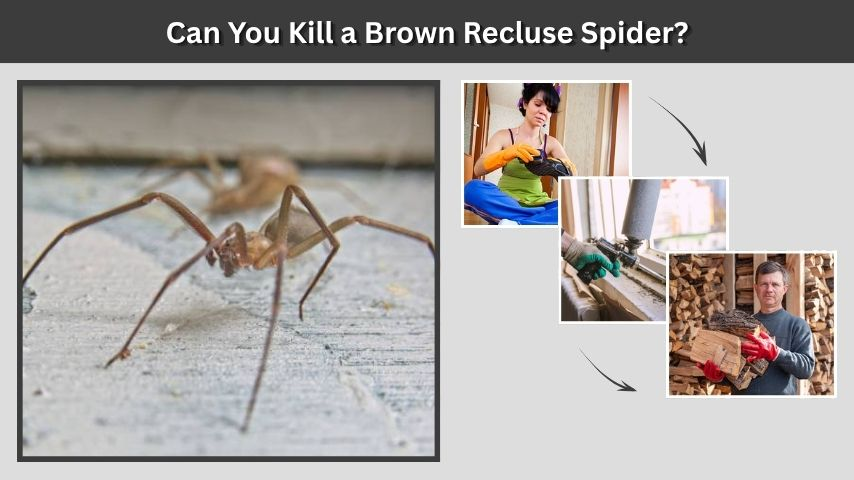
Yes, you can kill a brown recluse spider, but the safer goal is prevention and control. Smashing one spider may not solve the problem if there are more hiding in cluttered storage areas, basements, garages, closets, or cardboard boxes.
Safer Control Tips
- Shake out shoes, gloves, and clothing before use.
- Move beds away from walls and avoid bed skirts touching the floor.
- Reduce clutter in closets, garages, basements, and storage rooms.
- Store items in sealed plastic bins instead of cardboard boxes.
- Seal cracks, gaps, and entry points around the home.
- Use sticky traps in low-traffic corners to monitor spider activity.
- Wear gloves when moving firewood, old boxes, or stored items.
Brown recluse spiders prefer quiet, sheltered places. Penn State Extension notes that in their normal range, they may live under rocks, boards, dead tree bark, and logs, and indoors they may use undisturbed hiding spots.
Why Brown Recluse Bites Are Often Misdiagnosed
Many skin problems look like spider bites. Boils, MRSA infections, allergic reactions, tick bites, bed bug bites, chemical burns, and other wounds can be mistaken for brown recluse bites. This matters because the wrong diagnosis may delay the right treatment.
A true brown recluse diagnosis is stronger when the spider was seen biting, captured, and identified by an expert. Colorado State University Extension notes that many brown spiders are misidentified as brown recluses and that eye arrangement—three pairs of eyes—is one of the quickest ways to confirm a recluse spider.
FAQs
Can a brown recluse bite kill a healthy adult?
It is possible but extremely rare. Most healthy adults recover, although some bites can cause painful wounds, scarring, or serious systemic symptoms. Seek medical care if the bite worsens or causes fever, nausea, weakness, dark urine, or spreading discoloration.
How long after a brown recluse bite do symptoms appear?
Pain and burning often develop within two to eight hours. Skin damage may worsen over the next one to three days, and severe wounds can take weeks to heal. A bite that keeps expanding or turns dark should be checked by a medical professional.
What does a deadly brown recluse reaction look like?
A dangerous reaction may include fever, chills, vomiting, severe weakness, dark urine, yellowing skin, widespread rash, fainting, or signs of kidney problems. These symptoms may suggest systemic loxoscelism or another serious condition and need urgent care.
Should I go to the hospital for a brown recluse bite?
Go to the hospital or urgent care if symptoms are severe, the wound is spreading quickly, the person bitten is a child, or body-wide symptoms appear. Mild bites may only need first aid and monitoring, but worsening symptoms should not be ignored.
Are brown recluse spiders aggressive?
No. Brown recluse spiders are called “recluse” because they hide and avoid people. Bites usually happen when the spider is trapped against skin in clothing, bedding, shoes, or stored items. Prevention focuses on reducing clutter and checking items before use.
