
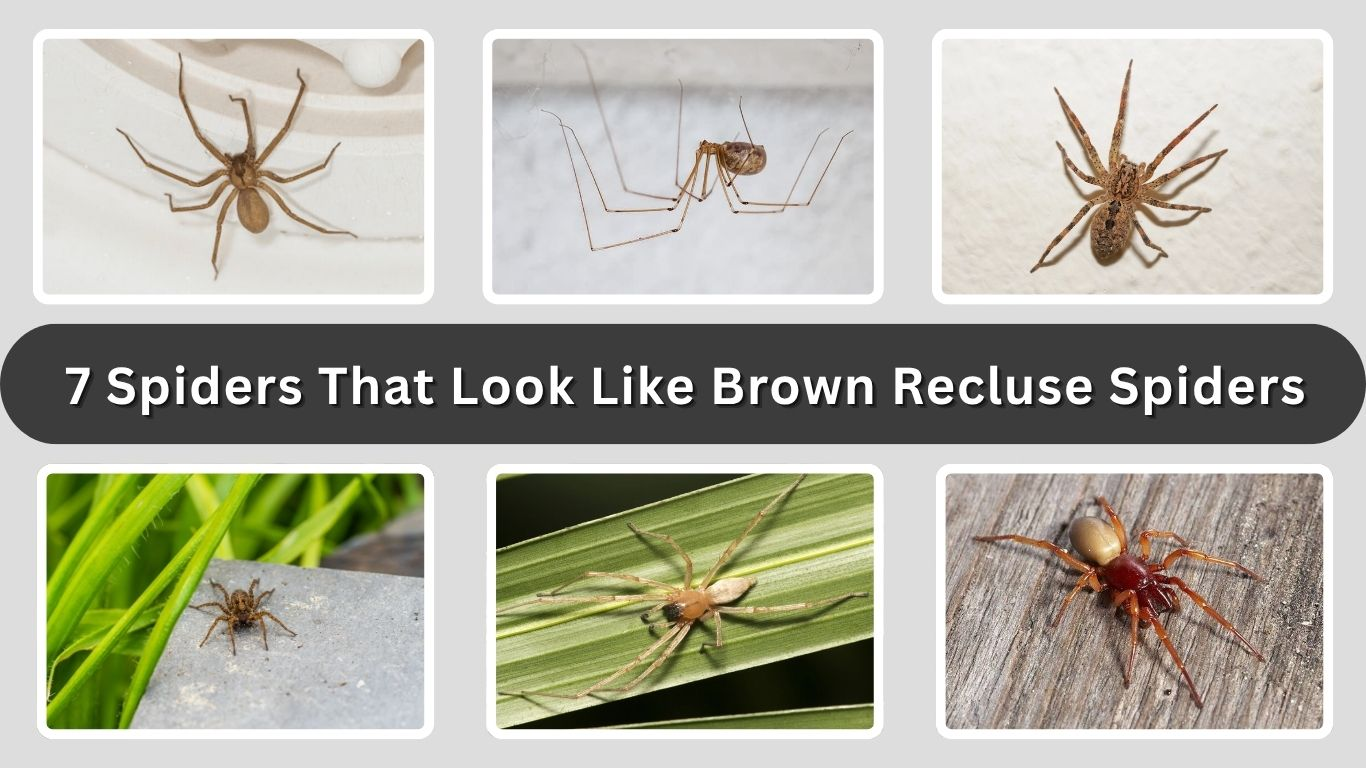
Many brown spiders are mistaken for brown recluse spiders because they share similar colors, body shapes, or hiding habits. This can cause unnecessary fear, especially when a spider is found inside a home, garage, basement, or storage room. However, not every brown spider is dangerous, and many look-alikes are harmless or only mildly concerning. Learning the key differences can help you identify them more confidently. In this guide, we’ll cover seven spiders that look like brown recluse spiders, including their appearance, behavior, habitat, and how risky they really are to humans.
1. Southern House Spider
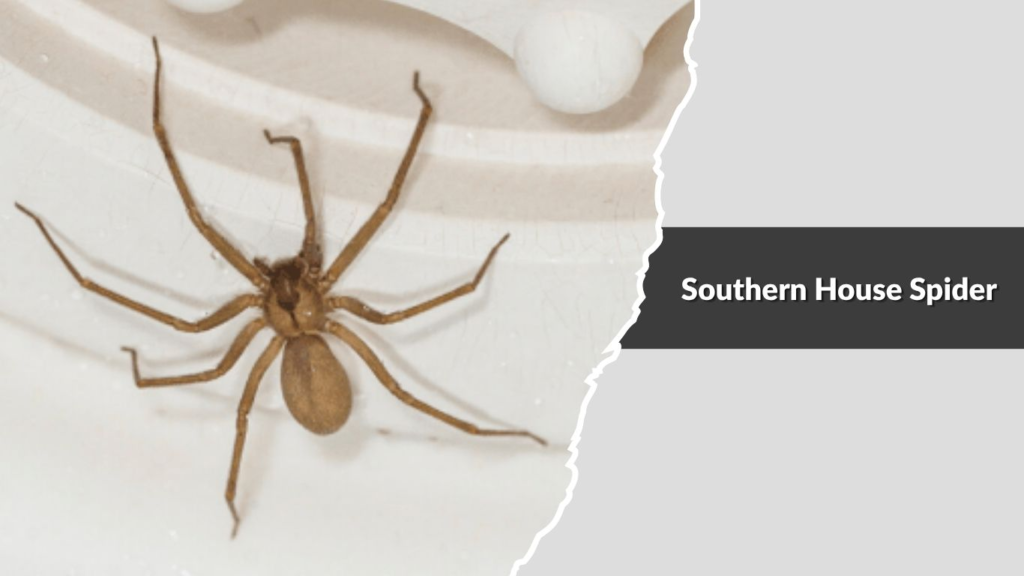
The southern house spider is one of the most common spiders mistaken for a brown recluse, especially the male. It has a brown body, long legs, and a similar overall shape, which can confuse homeowners. However, it is not the same spider and is not considered as medically dangerous as a true brown recluse.
Identification
- Usually brown, gray, or dark brown in color
- Male spiders are slimmer and look more like brown recluses
- Females are darker, heavier-bodied, and more velvety-looking
- Has eight eyes, while a brown recluse has six eyes arranged in three pairs
- Lacks the clear violin-shaped marking found on many brown recluses
- Often has long, thin legs and extended mouthparts in males
Why It Looks Like a Brown Recluse
The male southern house spider is the one most often confused with a brown recluse. Its body is plain brown, its legs are long, and it does not have bright patterns that make identification easy. From a distance, it may appear similar to a recluse spider. However, brown recluse spiders usually have a more distinct violin-shaped mark and a unique six-eye pattern, while southern house spiders have eight eyes clustered together.
Habitat and Behavior
Southern house spiders are often found around homes, sheds, garages, barns, and dark corners. They may build messy-looking webs in cracks, walls, window frames, and storage areas. Unlike brown recluses, they are more web-associated and usually stay close to their hiding spots. They prefer quiet places where insects are available as food.
Is the Southern House Spider Dangerous?
The southern house spider may look intimidating, but it is not considered highly dangerous to people. It can bite if handled or trapped, but bites are usually not serious. The main problem is misidentification. Many people panic when they see one because they think it is a brown recluse. Careful checking of the eye pattern, body shape, and markings can help separate the two.
2. Hobo Spider
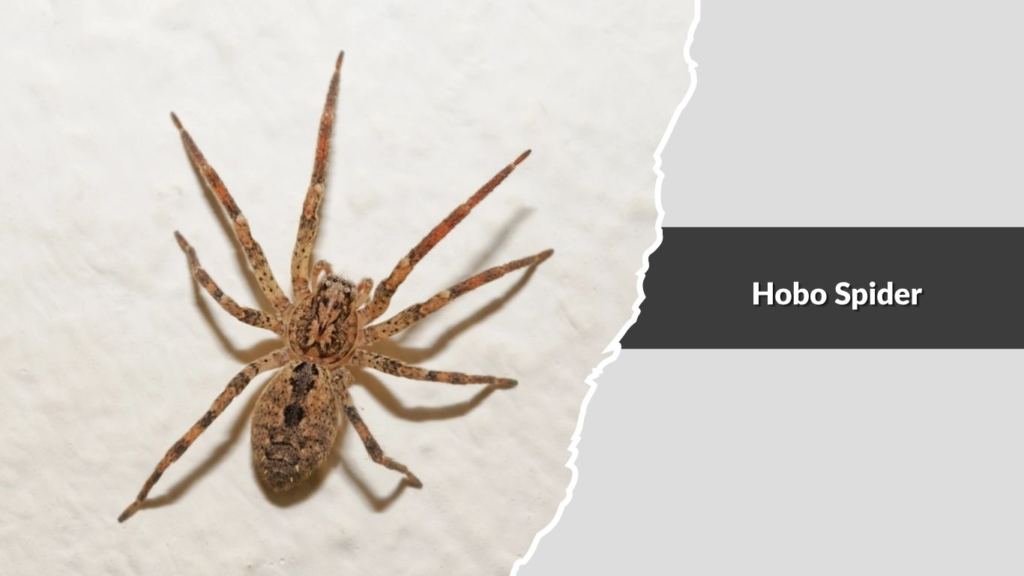
The hobo spider is another spider that people often confuse with the brown recluse. It has a brown body, long legs, and a plain appearance, which makes it easy to misidentify at first glance. However, hobo spiders and brown recluses are different species, and they also have different body markings, web habits, and natural ranges.
Identification
- Usually light brown to medium brown in color
- Has a narrow body with long legs
- Often has a patterned abdomen, unlike the smoother-looking brown recluse
- Does not have the clear violin-shaped marking on the back
- Has eight eyes, while brown recluse spiders have six eyes
- Builds funnel-shaped webs in corners, cracks, and low-traffic areas
Why It Looks Like a Brown Recluse
The hobo spider looks like a brown recluse because both spiders can appear brown, thin-legged, and plain from a distance. Many people see a brown spider indoors and quickly assume it is a recluse. The confusion becomes stronger because hobo spiders often hide in basements, garages, and storage spaces, similar to places where brown recluses may be found. The abdomen pattern is one of the better clues. Hobo spiders usually have markings on the abdomen, while brown recluses tend to look more uniform.
Habitat and Behavior
Hobo spiders are often found near ground level, especially in basements, window wells, crawl spaces, sheds, and garages. They are funnel-web spiders, meaning they build sheet-like webs that narrow into a retreat tunnel. They wait inside the web and rush out when insects touch the silk. Unlike wandering hunting spiders, they are strongly linked to their web structure.
Is the Hobo Spider Dangerous?
The hobo spider has had a scary reputation in the past, but its danger to humans is often debated and may be exaggerated. A bite can cause redness, swelling, or irritation, but it is not usually considered as medically serious as a confirmed brown recluse bite. The biggest issue is mistaken identity, especially in areas where brown recluses are uncommon.
3. Wolf Spider
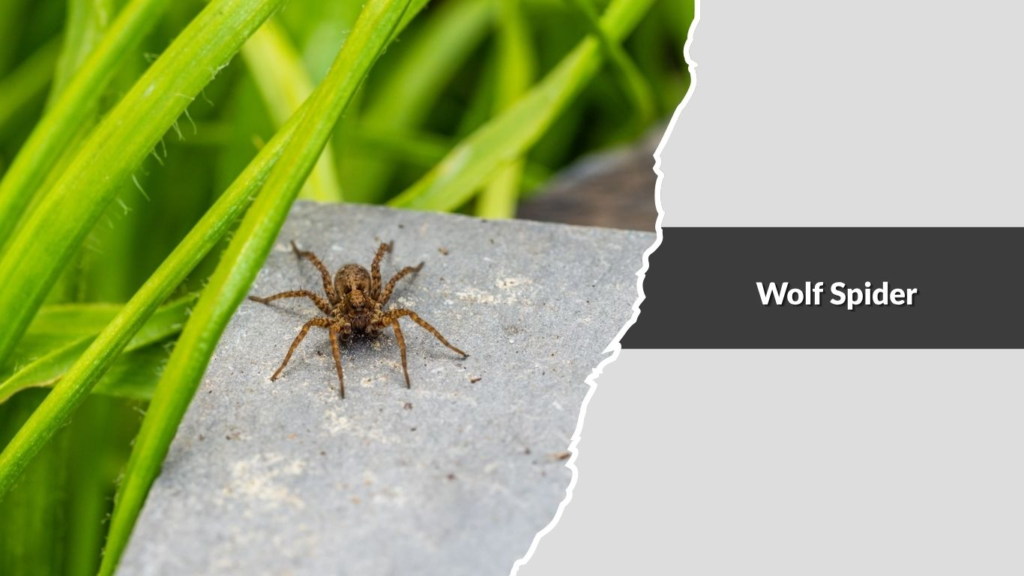
The wolf spider is a common brown spider that is often mistaken for a brown recluse. It can be large, fast-moving, and hairy, which makes it look scary to many homeowners. However, wolf spiders are not brown recluses. They have different markings, hunting habits, and body features that make them easier to identify when viewed closely.
Identification
- Usually brown, gray, tan, or dark brown in color
- Often has stripes or markings on the body
- Hairy body and legs, unlike the smoother brown recluse
- Has eight eyes arranged in a noticeable pattern
- Usually larger and stronger-looking than a brown recluse
- Does not have the violin-shaped mark on the back
- Often runs quickly across floors, walls, or outdoor ground
Why It Looks Like a Brown Recluse
Wolf spiders look like brown recluses mainly because of their brown color and indoor appearance. When one runs across a floor, people may only notice a quick brown shape and assume it is dangerous. However, wolf spiders usually have more visible patterns, thicker legs, and a hairier body. Brown recluses are smoother, more plain-looking, and have six eyes instead of eight. A wolf spider also has a more robust body, while a brown recluse tends to look slimmer.
Habitat and Behavior
Wolf spiders are active hunters. They do not depend on webs to catch prey. Instead, they chase insects on the ground, in grass, leaf litter, gardens, basements, garages, and sometimes inside homes. They may enter houses while searching for food or shelter, especially during seasonal changes. Their fast movement can alarm people, but it is part of their hunting behavior.
Is the Wolf Spider Dangerous?
Wolf spiders can bite if handled, squeezed, or trapped, but they are not considered highly dangerous to humans. A bite may cause mild pain, redness, or swelling, similar to a bee sting for some people. They are actually helpful because they eat insects and other small pests. The main concern is confusing them with brown recluses and reacting with unnecessary fear.
4. Cellar Spider
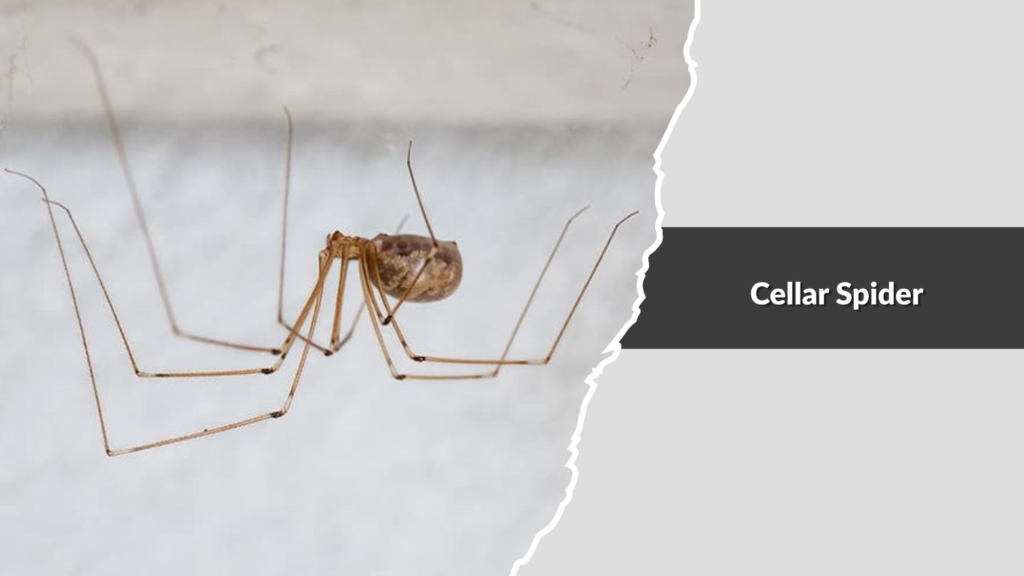
The cellar spider is another spider that can be mistaken for a brown recluse, especially by people who notice its brownish body in dark indoor areas. However, cellar spiders are much thinner, have extremely long legs, and are usually found hanging in messy webs. They are common in homes and are not considered dangerous to humans.
Identification
- Has a very small, narrow body
- Legs are extremely long and thin
- Body color may be pale brown, gray, or tan
- Often hangs upside down in loose, messy webs
- Has eight eyes, unlike the brown recluse’s six eyes
- Does not have a violin-shaped mark on the back
- Sometimes called a “daddy longlegs spider”
Why It Looks Like a Brown Recluse
A cellar spider may look like a brown recluse because it can have a light brown or tan body and is often found indoors. When seen quickly in a basement, closet, garage, or corner, it may be mistaken for a dangerous brown spider. The biggest difference is leg length. Cellar spiders have very long, delicate legs that make their body look tiny. Brown recluses have longer legs than many spiders, but they do not have the extremely thin, stretched-out look of a cellar spider.
Habitat and Behavior
Cellar spiders prefer quiet, dark, and damp places. They are commonly found in basements, crawl spaces, sheds, garages, bathrooms, and ceiling corners. Unlike brown recluses, cellar spiders usually stay in their webs. When disturbed, they may shake or vibrate rapidly in the web as a defense behavior. They feed on small insects and other spiders, which makes them useful in controlling household pests.
Is the Cellar Spider Dangerous?
The cellar spider is not considered dangerous to people. It may look unpleasant to some homeowners, but it is usually harmless. Bites are very rare and are not known to cause serious medical problems. The main concern is confusion with brown recluse spiders. Checking the long legs, tiny body, web-building habit, and lack of violin marking can help identify it correctly.
5. Yellow Sac Spider
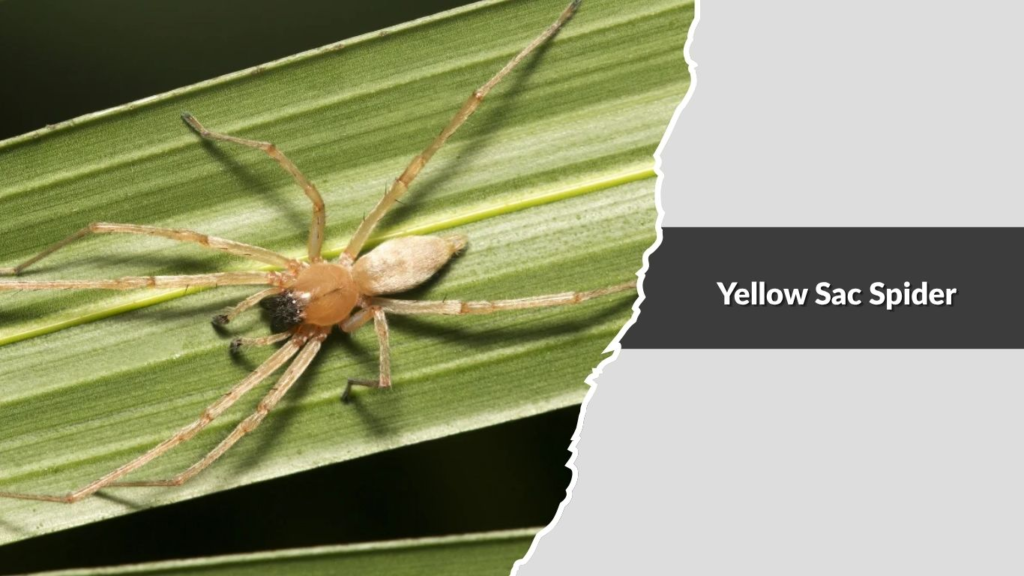
The yellow sac spider is a small, pale spider that people sometimes confuse with a brown recluse. Its body can look light brown, yellowish, or tan, and it may appear indoors on walls, ceilings, or corners. Although it can bite, it is not the same as a brown recluse and does not usually cause the same level of tissue damage.
Identification
- Usually pale yellow, cream, tan, or light brown
- Small body with long, thin legs
- Front legs may look slightly longer than the others
- Abdomen is usually plain, without bold markings
- Does not have a violin-shaped mark on the back
- Has eight eyes, while a brown recluse has six eyes
- Often hides in small silk sacs during the day
Why It Looks Like a Brown Recluse
The yellow sac spider can look like a brown recluse because both spiders may appear plain, pale, and lightly colored. In dim indoor lighting, a yellow sac spider may look tan or brown instead of yellow. This can make people worry when they see one on a wall or near bedding. However, yellow sac spiders are usually smaller and lighter than brown recluses. They also lack the recluse’s violin-shaped marking and six-eye pattern.
Habitat and Behavior
Yellow sac spiders are active hunters and do not build large prey-catching webs. Instead, they create small silk sacs in corners, behind furniture, along ceilings, or inside folded items where they rest during the day. At night, they come out to search for insects. They may enter homes while looking for warmth, shelter, or food, especially around windows, wall edges, and storage areas.
Is the Yellow Sac Spider Dangerous?
The yellow sac spider can bite if it is trapped against the skin, such as in clothing or bedding. A bite may cause mild pain, redness, swelling, itching, or a burning feeling. Some bites may form a small sore, but serious medical problems are uncommon. It is usually not considered as dangerous as a brown recluse. Still, any bite that becomes very painful, infected, or slow to heal should be checked by a healthcare professional.
6. Barn Funnel Weaver
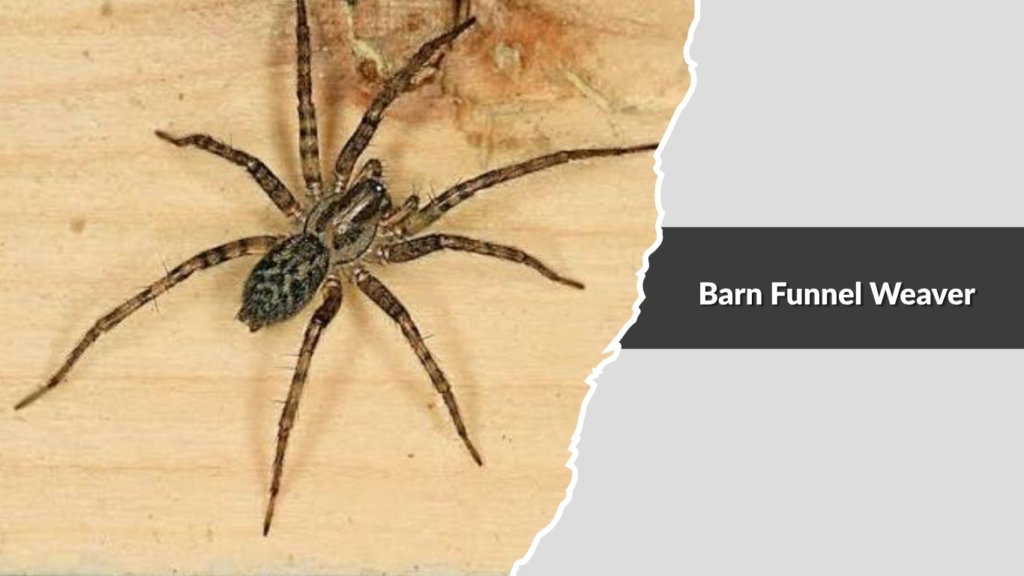
The barn funnel weaver is a brown spider that can easily be confused with a brown recluse, especially when it is seen indoors or around storage areas. Its color, size, and quick movement may make people nervous. However, this spider is different from a brown recluse and is usually linked to funnel-shaped webs rather than hidden wandering behavior.
Identification
- Usually brown, tan, or grayish-brown in color
- Has a patterned abdomen with darker markings
- Body is often more striped or mottled than a brown recluse
- Has eight eyes, while a brown recluse has six eyes
- Does not have a clear violin-shaped mark on the back
- Builds flat, sheet-like webs with a funnel retreat
- Often found near windows, barns, sheds, garages, and corners
Why It Looks Like a Brown Recluse
The barn funnel weaver looks like a brown recluse mainly because of its brown body and indoor hiding spots. When people see a fast brown spider near a wall, basement, or garage, they may assume it is a recluse. However, barn funnel weavers usually have more visible body patterns. A brown recluse often looks smoother and more uniform, with a violin-like marking behind the head. The web is also a useful clue, because brown recluses do not make the same obvious funnel-shaped webs.
Habitat and Behavior
Barn funnel weavers are commonly found in barns, sheds, garages, window frames, basements, and outdoor structures. They build funnel webs where they wait for insects. When prey touches the web, the spider quickly rushes out from the narrow retreat. Unlike brown recluses, which often hide in clutter and hunt at night, barn funnel weavers are usually found close to their webs.
Is the Barn Funnel Weaver Dangerous?
The barn funnel weaver is not considered dangerous to humans. It may bite if handled or pressed against skin, but serious reactions are uncommon. Most encounters happen because the spider has built a web near a doorway, window, or storage area. Its scary appearance often causes more concern than the actual risk.
7. Woodlouse Spider
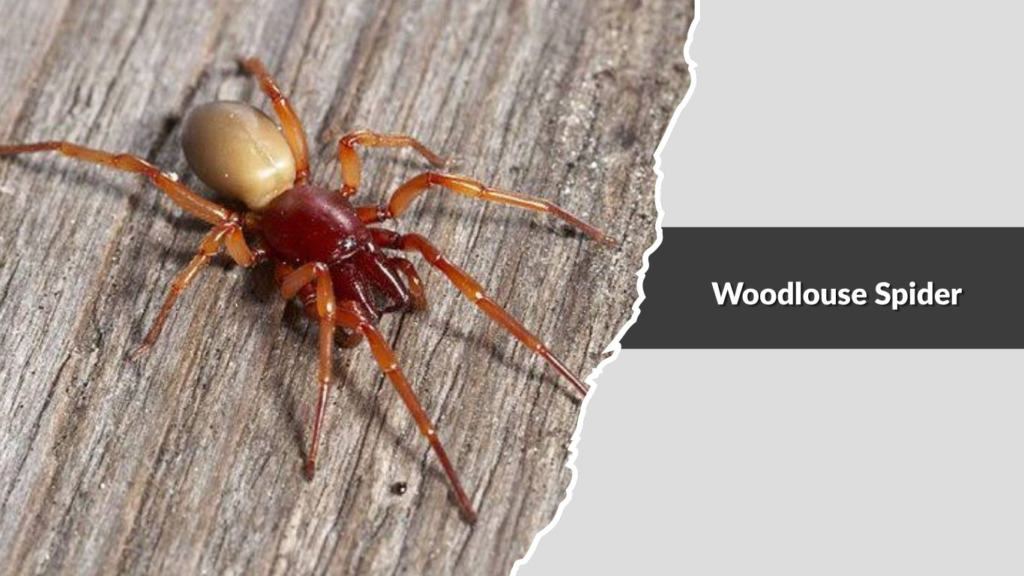
The woodlouse spider is a reddish-brown spider that some people mistake for a brown recluse because of its plain body color and indoor hiding habits. However, it has a very different appearance when viewed closely. Its reddish front body, pale abdomen, and large jaws make it easier to separate from a true brown recluse.
Identification
- Has a reddish-brown head and front body
- Abdomen is usually pale gray, cream, or tan
- Legs are orange, red-brown, or light brown
- Has large, noticeable jaws or fangs
- Does not have a violin-shaped mark on the back
- Body looks smoother and shinier than many house spiders
- Often found under rocks, logs, leaf litter, and damp objects
Why It Looks Like a Brown Recluse
The woodlouse spider may look like a brown recluse because it is often brownish, plain-colored, and found in quiet hidden spaces. When seen quickly indoors, especially in a basement, bathroom, or storage area, it may be mistaken for a dangerous recluse. However, the color pattern is different. A brown recluse is usually more evenly tan or brown, while a woodlouse spider has a reddish front section and a lighter abdomen. Its large jaws are also much more noticeable than those of a brown recluse.
Habitat and Behavior
Woodlouse spiders prefer damp places where their favorite prey, woodlice or pill bugs, are common. They may hide under stones, mulch, logs, flowerpots, boards, and leaf litter. Indoors, they may appear in basements, bathrooms, garages, or ground-level rooms. They are active hunters and do not build large webs to catch prey.
Is the Woodlouse Spider Dangerous?
The woodlouse spider can bite if handled or trapped against skin. Because it has large jaws, the bite may feel painful, but it is not considered as dangerous as a brown recluse bite. Most bites cause temporary pain, redness, or mild swelling. The spider’s frightening appearance often creates more fear than the actual medical risk.
FAQs
Are all brown spiders brown recluses?
No, not all brown spiders are brown recluses. Many harmless or less dangerous spiders have brown bodies, including wolf spiders, southern house spiders, barn funnel weavers, and cellar spiders. A true brown recluse usually has six eyes arranged in three pairs and may have a violin-shaped mark behind the head.
What spider is most commonly mistaken for a brown recluse?
The southern house spider is one of the most commonly mistaken spiders, especially the male. It has a brown body, long legs, and a plain appearance that can look similar to a brown recluse from a distance. However, it has eight eyes and does not have the same recluse eye pattern.
How can I tell if a spider is not a brown recluse?
Look for clues such as visible stripes, a hairy body, very long thin legs, funnel webs, or eight eyes. Brown recluses are usually plain brown, smooth-looking, and have six eyes. If the spider has strong body patterns or lives in an obvious web, it may be another type of spider.
Are spiders that look like brown recluses dangerous?
Most spiders that look like brown recluses are not highly dangerous to humans. Some, like yellow sac spiders or woodlouse spiders, can bite if trapped or handled, but serious reactions are uncommon. Still, any bite that becomes very painful, swollen, infected, or slow to heal should be checked by a medical professional.
Why do people misidentify brown recluse spiders?
People often misidentify brown recluse spiders because many common house spiders are brown, fast-moving, and found in dark places. Fear also plays a role. When someone sees a brown spider indoors, they may quickly assume it is dangerous without checking eye pattern, body markings, web behavior, or location.
