
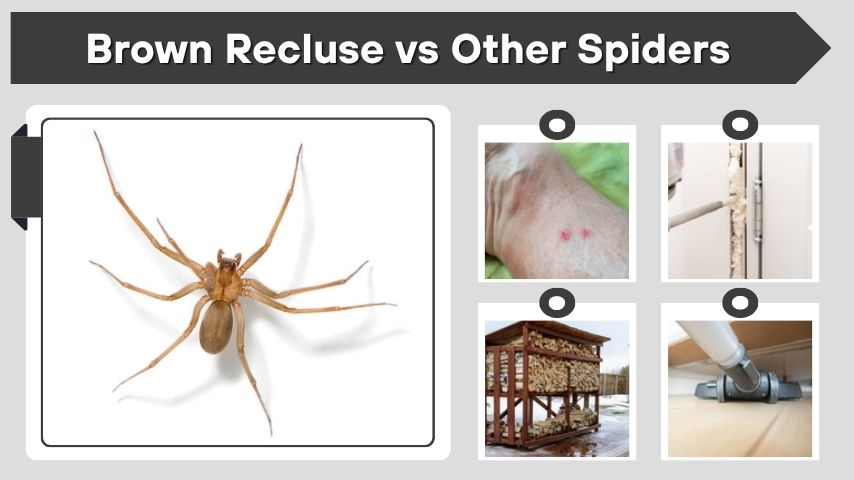
Brown recluse spiders are often confused with wolf spiders, house spiders, cellar spiders, hobo spiders, yellow sac spiders, and black widows. Many people see a brown spider indoors and immediately fear it is a brown recluse, but most brown spiders are harmless or less medically serious. The key is to compare body shape, markings, eyes, web style, habitat, and bite symptoms before making a judgment.
Brown Recluse vs Other Spiders: Quick Overview
Brown recluse spiders have a strong reputation because their bites can sometimes cause skin damage. However, they are shy spiders and are frequently misidentified. Many common house spiders share a brown color, but they do not have the same eye pattern, body structure, or bite risk.
Main Differences at a Glance
A true brown recluse is usually plain brown, has a violin-shaped marking on the upper body, and has six eyes arranged in three pairs. Most other spiders have eight eyes, more visible patterns, hairy legs, or different web habits.
| Spider Compared | Main Difference from Brown Recluse | Bite Risk |
|---|---|---|
| Wolf spider | Hairier, larger, patterned body | Usually mild |
| Cellar spider | Very long thin legs, tiny body | Harmless to humans |
| House spider | Builds messy corner webs | Usually mild |
| Hobo spider | Patterned body, funnel web | Often misidentified |
| Black widow | Shiny black body, red hourglass | Medically important |
| Yellow sac spider | Pale yellow body, no violin mark | Usually mild to moderate |
| Grass spider | Funnel web, striped body | Usually mild |
| Woodlouse spider | Reddish body, large fangs | Painful but usually not serious |
Keyword demand often focuses on comparisons like “brown recluse vs wolf spider,” “brown recluse vs house spider,” “cellar spider vs brown recluse,” and “hobo spider vs brown recluse,” which shows that identification is the main search intent behind this topic.
How to Identify a Brown Recluse Spider
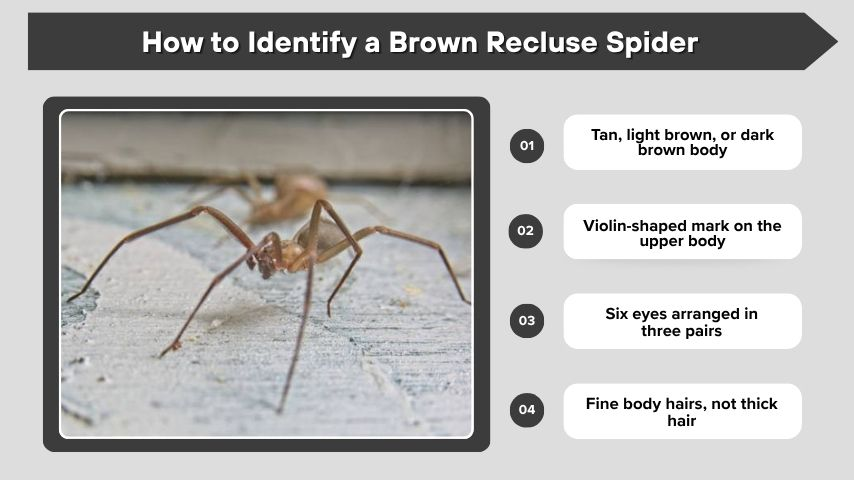
A brown recluse is a small to medium spider with a plain, smooth-looking body. It is not usually hairy, striped, or bulky. Its most famous feature is the violin-shaped marking on the cephalothorax, but that mark alone is not enough for perfect identification.
Key Identification Features
Brown recluse spiders are secretive and usually active at night. They prefer dark, dry, quiet spaces where they can hide without being disturbed.
Important signs include:
- Tan, light brown, or dark brown body
- Violin-shaped mark on the upper body
- Six eyes arranged in three pairs
- Plain legs without strong bands or stripes
- Fine body hairs, not thick hair
- Small, flat-looking body shape
- Hides in closets, boxes, shoes, basements, and garages
- Builds small irregular retreat webs, not large prey-catching webs
The eye pattern is one of the best clues. Most spiders have eight eyes, but brown recluse spiders have six. However, the eyes are small, so you may need a clear photo or magnifying glass to confirm them.
Brown Recluse vs Wolf Spider
Wolf spiders are among the most common spiders mistaken for brown recluse spiders. They are brown, fast, and often enter homes, garages, and basements. However, they look very different when compared closely.
Appearance and Behavior
Wolf spiders are usually larger, hairier, and more patterned than brown recluse spiders. They have strong legs, visible eyes, and a more rugged body. Brown recluse spiders look smoother and plainer.
| Feature | Brown Recluse | Wolf Spider |
|---|---|---|
| Body texture | Smooth, plain | Hairy and rugged |
| Eye pattern | 6 small eyes | 8 eyes, 2 large front eyes |
| Marking | Violin-shaped mark | Stripes or mottled patterns |
| Movement | Secretive, hides often | Fast hunter in open spaces |
| Web | Small retreat web | Does not use web to catch prey |
| Common area | Boxes, closets, basements | Floors, lawns, gardens, garages |
Wolf spiders may look scarier because they are larger, but their bites are usually less concerning than brown recluse bites. They often help control insects and are not aggressive toward people.
Brown Recluse vs House Spider
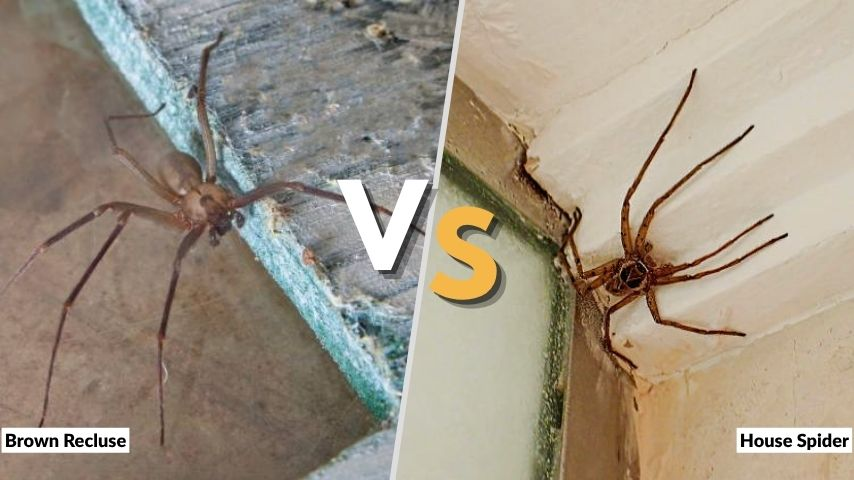
Common house spiders are often found in corners, windows, ceilings, and storage spaces. They are usually harmless and build messy webs to catch insects. Brown recluse spiders behave differently because they do not usually sit in visible corner webs.
Main House Spider Differences
House spiders often have rounder abdomens and may show more patterns. Brown recluse spiders are flatter, plainer, and more hidden. If the spider is sitting in a visible web in the corner of a room, it is less likely to be a brown recluse.
Common house spiders are more likely to stay near their webs. Brown recluses move at night and hide during the day. You may find them in shoes, folded clothes, cardboard boxes, or behind stored items.
Brown Recluse vs Cellar Spider
Cellar spiders are also called daddy longlegs spiders. They are easy to recognize because they have extremely long, thin legs and small bodies. They often hang upside down in loose webs in basements, bathrooms, garages, and corners.
How to Tell Them Apart
A cellar spider does not look thick-bodied like a brown recluse. Its legs are much longer and more delicate. It also stays in webs more often, while a brown recluse hides in tight spaces.
Cellar spiders are not dangerous to humans. In fact, they may help reduce other small insects and spiders indoors. If you see a long-legged spider hanging in a corner web, it is probably a cellar spider, not a brown recluse.
Brown Recluse vs Hobo Spider
Hobo spiders are brown spiders that can be confused with brown recluses. They often build funnel-shaped webs near the ground, in basements, window wells, garages, and outdoor cracks. Their body patterns are usually more visible than those of brown recluse spiders.
Hobo Spider Identification
A hobo spider usually has patterned markings on the abdomen and does not have a true violin mark. Its web is also different. Hobo spiders build funnel webs, while brown recluse spiders make small irregular retreat webs.
Brown recluse spiders are usually plainer and have six eyes. Hobo spiders have eight eyes and are more connected to funnel-style web areas. If you see a brown spider sitting near a funnel web, it may be a hobo spider or grass spider rather than a brown recluse.
Brown Recluse vs Black Widow
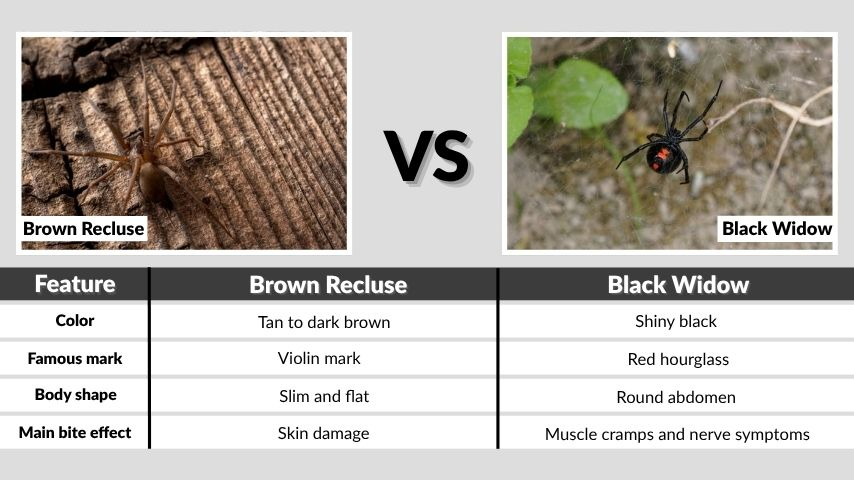
Brown recluse and black widow spiders are both medically important, but they are not difficult to separate by appearance. A brown recluse is brown and plain. A black widow is usually shiny black with a round abdomen and a red hourglass marking underneath.
Bite and Venom Difference
Brown recluse venom is more associated with local skin injury. A bite may become red, blistered, dark, or slow healing in some cases. Black widow venom affects the nervous system more often and may cause muscle cramps, sweating, nausea, and strong pain.
| Feature | Brown Recluse | Black Widow |
|---|---|---|
| Color | Tan to dark brown | Shiny black |
| Famous mark | Violin mark | Red hourglass |
| Body shape | Slim and flat | Round abdomen |
| Main bite effect | Skin damage | Muscle cramps and nerve symptoms |
| Web | Hidden retreat web | Messy cobweb |
| Risk level | Medically important | Medically important |
Both spiders should be treated with caution. If you suspect a bite from either one and symptoms worsen, seek medical help quickly.
Brown Recluse vs Yellow Sac Spider
Yellow sac spiders are small, pale yellow to light tan spiders. They are sometimes blamed for bites because they wander indoors and may hide in corners, ceilings, curtains, or bedding. Their color may cause confusion with young or pale brown recluse spiders.
Key Differences
Yellow sac spiders do not have a violin marking. Their bodies are usually lighter and more yellowish. They also make small silk sacs where they rest during the day, often in upper corners or wall-ceiling joints.
A yellow sac spider bite may cause mild pain, redness, or swelling, but it is usually not as concerning as a serious brown recluse bite. Still, any bite that worsens, spreads, or becomes infected-looking should be checked by a medical professional.
Brown Recluse vs Grass Spider
Grass spiders are fast brown spiders that build funnel-shaped webs in grass, shrubs, window wells, and around foundations. They are often mistaken for brown recluse spiders because they can enter homes and have brown coloring.
Web and Body Differences
Grass spiders usually have long spinnerets at the back of the abdomen and striped patterns on the body. Brown recluse spiders do not have long visible spinnerets or strong body stripes.
If the spider is sitting near a sheet-like funnel web, it is probably a grass spider or similar funnel weaver. Brown recluse spiders are more likely to hide under objects, inside boxes, or in quiet indoor spaces.
Brown Recluse vs Woodlouse Spider
Woodlouse spiders look very different from brown recluse spiders once you know what to check. They often have a reddish-orange cephalothorax, pale abdomen, and large forward-facing fangs. They hunt woodlice and are commonly found in damp outdoor areas, under logs, rocks, and debris.
Appearance and Bite Risk
A woodlouse spider may look alarming because of its large fangs. However, it is not the same as a brown recluse. Its color contrast, body shape, and hunting style are different.
A woodlouse spider bite can be painful, but it is usually not medically serious for most people. Brown recluse bites are more concerning because of the possibility of tissue damage.
Brown Recluse vs Daddy Longlegs
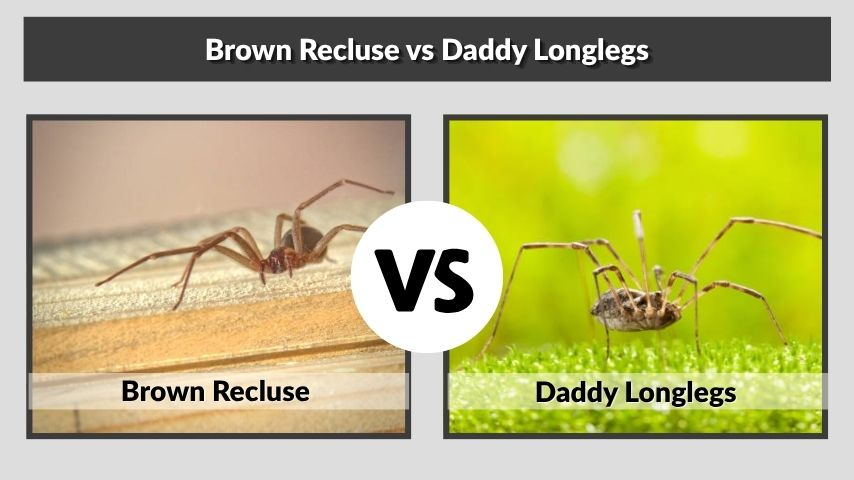
The term “daddy longlegs” can refer to different animals, but many people use it for cellar spiders. These spiders have tiny bodies and very long legs. They are commonly found hanging in webs inside homes.
Easy Identification
Daddy longlegs or cellar spiders do not have the body shape of a brown recluse. They are much more delicate-looking and usually stay in webs. Brown recluse spiders have shorter, stronger legs compared with cellar spiders and hide more often in objects or storage areas.
Daddy longlegs are not a serious bite concern. Brown recluse spiders require more caution, especially in areas where they are known to live.
Brown Recluse vs Southern House Spider
Southern house spiders can look very similar to brown recluse spiders, especially the males. Male southern house spiders are brown, long-legged, and often mistaken for recluse spiders. This is a common identification problem in southern regions.
How to Separate Them
The brown recluse has a more uniform body and six eyes. Southern house spiders have eight eyes and may appear darker or more robust. They are also often associated with crevices and webbing around buildings.
Because the difference can be hard to see, a clear close-up photo may be needed. If you are unsure, avoid touching the spider and use a jar, vacuum, or sticky trap for safe removal.
Brown Recluse vs Brown Widow
Brown widows are related to black widows but are usually lighter brown, tan, or grayish with patterned legs. They may have an orange or yellowish hourglass marking under the abdomen. Because they are brown, people sometimes compare them with brown recluse spiders.
Brown Widow Differences
A brown widow has a rounded abdomen and widow-like body shape. A brown recluse has a flatter, slimmer body and violin mark. Brown widows also build messy cobwebs, while brown recluse spiders hide in quiet areas.
Brown widow bites are usually less severe than black widow bites, but they can still cause discomfort. The body shape and web style help separate them from brown recluse spiders.
Brown Recluse Bite vs Other Spider Bites
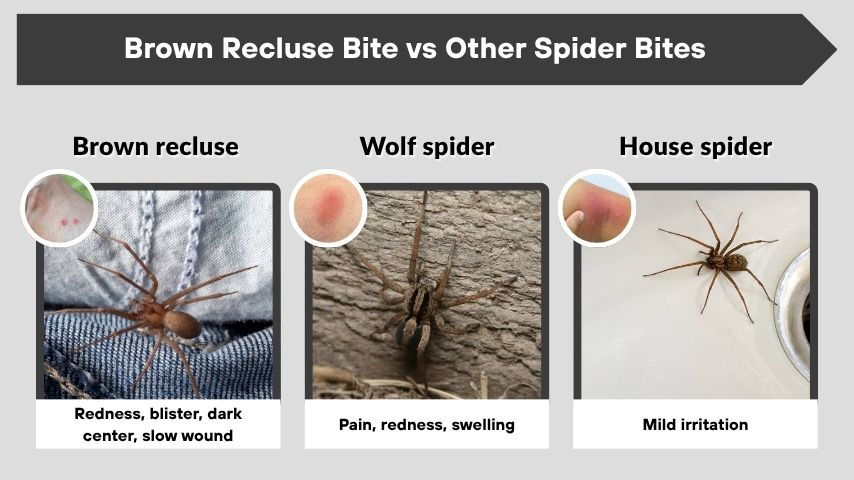
Bite identification is difficult because many skin problems look like spider bites. Infections, allergic reactions, flea bites, tick bites, and mosquito bites may all create redness and swelling. You should not assume a skin sore is from a brown recluse unless the spider was seen or captured.
Bite Comparison Table
| Bite Type | Common Symptoms | Main Concern |
|---|---|---|
| Brown recluse | Redness, blister, dark center, slow wound | Tissue damage |
| Wolf spider | Pain, redness, swelling | Usually mild |
| House spider | Mild irritation | Low risk |
| Black widow | Muscle cramps, sweating, nausea | Nervous system symptoms |
| Yellow sac spider | Redness, burning, swelling | Usually moderate irritation |
| Woodlouse spider | Sharp pain, redness | Painful but usually not serious |
Seek medical help if a bite becomes very painful, spreads, turns dark, produces fever, forms an open sore, or shows signs of infection. Children, older adults, and people with weak immune systems should be more careful.
Where Brown Recluse Spiders Hide Compared with Others
Brown recluse spiders prefer dry, dark, quiet places. They are more likely to hide in stored items than to sit in open webs. Other spiders may be easier to notice because they build visible webs or run openly across floors.
Common Hiding Spots
Brown recluse spiders may hide in:
- Cardboard boxes
- Shoes and boots
- Folded clothes
- Closets and drawers
- Basements and attics
- Garages and sheds
- Behind furniture
- Under stored items
- Wall cracks and baseboards
Wolf spiders are more often found on floors, lawns, and gardens. Cellar spiders hang in webs. Black widows stay near messy webs in garages, sheds, and woodpiles. Grass spiders stay near funnel webs. These behavior differences are very helpful for identification.
How to Prevent Brown Recluse and Other Spiders
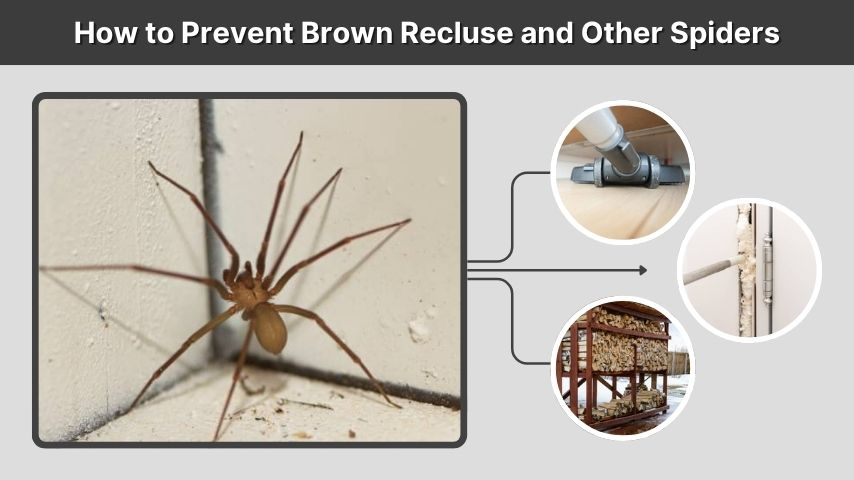
The best way to prevent spider problems is to reduce hiding places and insect prey. Spiders enter homes when they find shelter, food, and safe hiding spots. Cleaning and sealing are more effective than simply killing one spider.
Prevention Checklist
Use these steps to reduce spider activity:
- Remove clutter from basements, closets, attics, and garages
- Replace cardboard boxes with sealed plastic bins
- Vacuum corners, baseboards, and under furniture
- Shake out shoes, clothes, towels, and gloves
- Keep beds away from walls
- Seal gaps around doors, windows, pipes, and foundations
- Install door sweeps
- Repair torn window screens
- Store firewood away from the house
- Remove leaf litter and outdoor debris near walls
- Use sticky traps along walls and storage areas
- Reduce insects inside the home
If you repeatedly find suspected brown recluse spiders, call a licensed pest control professional. Professional identification is helpful because many brown spiders are misidentified.
FAQs
How do I know if a spider is a brown recluse?
Look for a plain brown body, violin-shaped marking, six eyes in three pairs, and plain legs without strong bands. Brown recluse spiders usually hide in dark storage areas and avoid open spaces. If the spider is hairy, striped, or sitting in a large web, it may be another species.
What spider is most often mistaken for a brown recluse?
Wolf spiders, southern house spiders, hobo spiders, cellar spiders, and common house spiders are often mistaken for brown recluses. Wolf spiders are especially common look-alikes because they are brown and fast-moving, but they are usually hairier, larger, and more patterned.
Is a brown recluse more dangerous than a wolf spider?
Yes, a brown recluse is generally more medically important than a wolf spider. Brown recluse bites can sometimes cause skin damage and slow-healing wounds. Wolf spider bites are usually mild and may cause temporary pain, redness, or swelling.
Can a house spider look like a brown recluse?
Yes, many house spiders are brown and can look similar at first. However, most house spiders have eight eyes, different body patterns, and visible web habits. A brown recluse is plainer, has six eyes, and usually hides in dark, undisturbed areas.
Should I go to the doctor for a suspected brown recluse bite?
Yes, seek medical care if the bite becomes painful, dark, blistered, swollen, infected-looking, or forms an open sore. Also get help if you develop fever, nausea, severe pain, or spreading redness. Do not cut the wound or try to remove venom yourself.
