
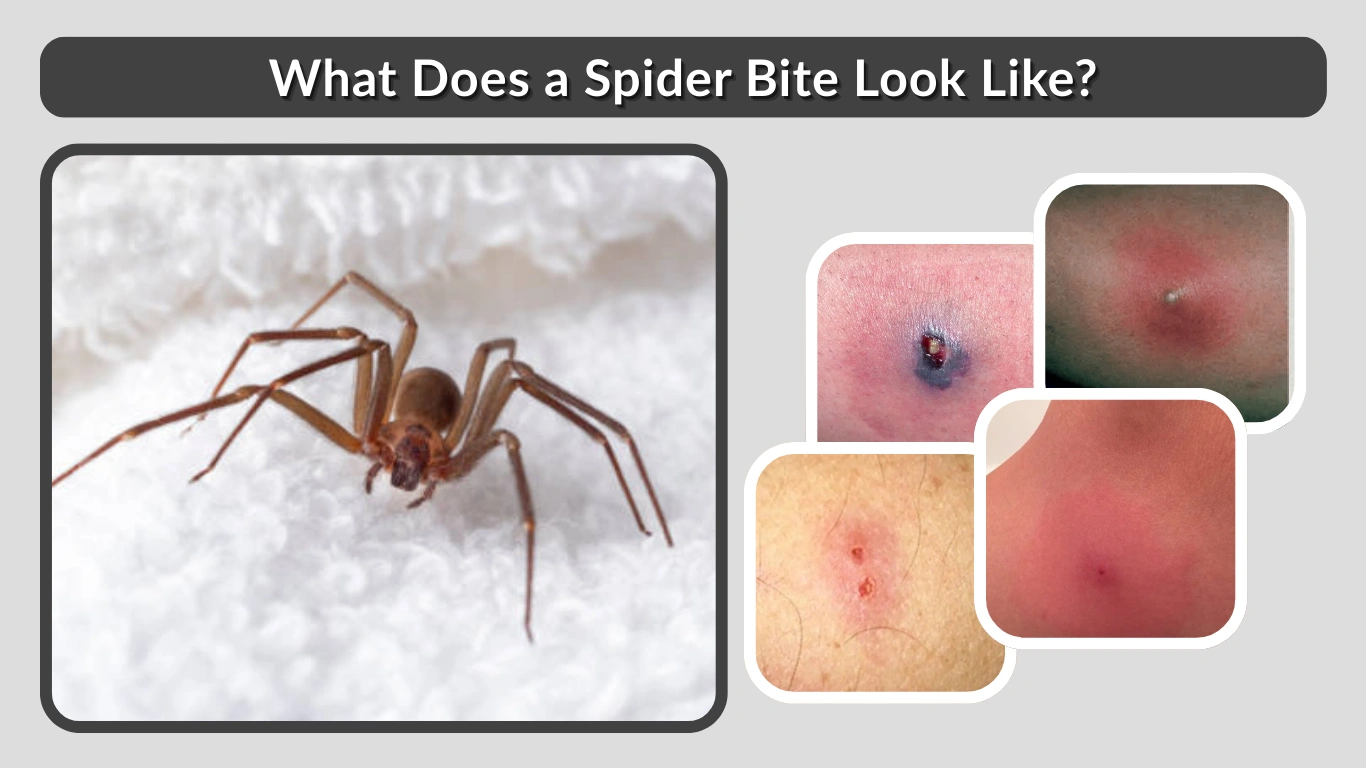
Spider bites are often misunderstood because many skin reactions look similar to mosquito bites, ant stings, pimples, or allergic rashes. In most cases, people never even realize they were bitten by a spider. However, some spider bites develop noticeable visual changes over time. They may start as small red bumps, then become swollen, blistered, or darkened. Understanding what a spider bite looks like at different stages can help you recognize potential risks and know when medical care is necessary.
What a Spider Bite Looks Like in General
A typical spider bite usually appears as a small, red, raised bump on the skin. It may look very similar to a mosquito bite at first, often with mild swelling and light redness around the area. Some people notice a burning or stinging sensation shortly after being bitten, while others feel nothing at all.
In many cases, spider bites remain mild and heal within a few days. The skin may feel firm or slightly tender, and the redness usually stays localized. However, not all spider bites look the same. The appearance can change depending on the spider species, the amount of venom injected, and how your body reacts.
As time passes, a spider bite may become more noticeable. Some develop a pale or darker center, others form small blisters, and more serious bites can lead to bruising or open sores. Because these visual signs overlap with many skin conditions, spider bites are frequently misidentified.
Why Spider Bites Are Often Misidentified
Spider bites are commonly confused with other insect bites or skin problems because their early appearance is not unique. Mosquitoes, fleas, bed bugs, mites, and ants all cause red, itchy bumps that can closely resemble mild spider bites.
Skin infections, allergic reactions, ingrown hairs, and clogged pores can also produce swollen or painful spots that look like bites. In many situations, no spider is ever seen, which makes true identification difficult. Doctors often diagnose spider bites based on how the wound changes over time rather than how it looks at one moment.
Another reason spider bites are misidentified is that most spiders cannot pierce human skin effectively. True spider bites are less common than people believe. When they do occur, the progression of symptoms—such as blistering, discoloration, or tissue breakdown—often provides clearer clues than the initial red bump.
Identification: Common Visual Signs of a Spider Bite

Spider bites often share several visible features. While not all bites show every sign, these are the most commonly reported appearances.
- Small red or pink raised bump
- Two tiny puncture marks at the center
- Mild to moderate swelling
- Warmth around the bite area
- Blister or fluid-filled bubble
- Pale, purple, or darkened center
- Expanding redness around the wound
- Ulcer-like open sore in severe cases
These signs may appear within hours or develop gradually over several days, depending on the type of spider and the skin reaction.
Spider Bite Appearance by Time Stages

First 24 Hours (Early Stage Look)
In the first few hours, a spider bite often looks like a small red spot or bump. The skin may feel slightly painful, itchy, or warm. Some bites develop a firm center, while others remain soft and swollen. A faint pale dot or tiny puncture mark may be visible at the center.
During this early stage, most spider bites remain mild. Swelling is usually limited, and the skin color stays pink or red. Many bites stop progressing after this point and slowly fade over the next few days.
After 2–3 Days (Developing Stage)
If the bite continues to react, the appearance may change. The red area can spread outward, and the center may darken or become bruised. Blisters sometimes form, especially with more venomous spider bites.
The skin may feel tighter, more painful, or increasingly tender. Some bites develop a bullseye-like pattern, with a pale center and darker outer ring. At this stage, people often begin to worry because the bite no longer resembles a simple insect bite.
After 4–7 Days (Advanced Stage)
In more serious cases, the bite may begin to break down. Blisters can rupture, forming open sores. The surrounding skin may turn purple, blue, or black, indicating tissue damage. Scabbing and crusting are common as the body attempts to heal.
Mild spider bites usually improve by this time, showing reduced redness and shrinking swelling. Severe bites, however, may continue to enlarge, deepen, or ooze fluid and can take weeks to heal.
Mild vs Severe Spider Bite Appearance
Mild spider bites typically stay small, red, and slightly swollen. They may itch or sting briefly and then gradually fade without leaving marks. The skin remains intact, and healing is usually quick.
Severe spider bites look very different. They may blister, darken, or form deep sores. The area can become intensely painful, and the surrounding skin may spread or bruise. Some dangerous bites lead to tissue death, creating black scabs or ulcers that heal slowly and may leave scars.
The biggest visual difference is progression. Mild bites improve, while severe bites worsen over time.
Identification: Spider Bite Symptoms That Appear on the Skin

Spider bites often produce skin-level symptoms that change the way the area looks and feels.
- Burning or stinging sensation
- Itching and tenderness
- Firm or hardened skin
- Blister or pus formation
- Expanding redness
- Skin turning purple, blue, or black
- Crusting, scabbing, or skin breakdown
These skin changes help distinguish harmless reactions from bites that may require medical attention.
What Do Dangerous Spider Bites Look Like?
Brown Recluse Bite Appearance
A brown recluse spider bite often begins as a small, pale or red mark. Within hours to days, it may develop a blister and a darker center. The skin around the bite can turn blue, purple, or black as tissue damage occurs. In more serious cases, the bite becomes an open ulcer with a thick scab, which may take weeks or months to fully heal.
Black Widow Bite Appearance
Black widow bites usually leave only a small red spot or mild swelling at the bite site. Unlike brown recluse bites, they often cause limited skin damage. However, severe internal symptoms can follow, including muscle cramps, abdominal pain, sweating, and nausea. The visual mark may appear minor even when the reaction is medically serious.
Signs a Bite Is Becoming Medically Serious
A spider bite may be dangerous if the skin begins to rapidly darken, blister extensively, or break down into open sores. Spreading redness, deep ulcers, or blackened tissue indicate severe reactions. When these visual changes are combined with fever, chills, or muscle pain, immediate medical care is essential.
Spider Bite vs Other Insect Bites (How They Look Different)

Spider Bite vs Mosquito Bite
Mosquito bites are usually soft, itchy, and fade quickly. Spider bites tend to be firmer, more painful, and slower to heal. Spider bites may blister or darken, while mosquito bites rarely change color dramatically.
Spider Bite vs Bed Bug Bite
Bed bug bites often appear in clusters or straight lines and are extremely itchy. Spider bites are usually single, isolated marks and are more painful than itchy. The presence of blistering or a dark center is more typical of spider bites.
Spider Bite vs Ant or Flea Bite
Ant bites often form small pustules, while flea bites commonly appear around ankles in groups. Spider bites are usually solitary and may develop deeper skin changes, such as bruising or blistering, which are uncommon with ants or fleas.
Identification: Infected Spider Bite Appearance
When bacteria enter a spider bite wound, the appearance can change dramatically.
- Yellow or green discharge
- Rapidly increasing swelling
- Skin that feels hot to the touch
- Red streaks spreading outward
- Strong or foul odor
- Thick scabs with worsening pain
- Fever alongside skin breakdown
An infected bite often looks worse instead of better after several days.
What a Healing Spider Bite Looks Like
As a spider bite heals, redness slowly fades, swelling decreases, and the skin begins to return to its normal color. Mild bites may simply disappear without leaving marks. Moderate bites may scab over and itch during healing. Severe bites can leave dark patches, thin scars, or slight depressions where skin tissue was damaged.
Healing time varies widely. Simple bites may heal within days, while necrotic bites may require weeks or medical treatment to fully recover.
When to Seek Medical Help for a Spider Bite
Medical care should be considered if a bite rapidly worsens, forms deep ulcers, or turns black or purple. Severe pain, fever, muscle cramps, spreading redness, or discharge are warning signs. Children, elderly individuals, and people with weakened immune systems should seek help sooner, even if the bite initially appears mild.
FAQs
What does a normal spider bite look like?
A normal spider bite usually appears as a small red bump with mild swelling and tenderness. It may resemble a mosquito bite or pimple and sometimes shows a tiny pale center. Most mild spider bites fade within a few days and do not blister or cause skin breakdown.
What does a brown recluse spider bite look like?
A brown recluse bite often starts as a pale or red spot, then develops a blister and darkened center. Over several days, the skin may bruise, turn purple, or break down into an open sore. This progressive change in appearance is a key sign of recluse bites.
How can you tell a spider bite from other insect bites?
Spider bites are usually single, firm, and painful rather than itchy. Many insect bites appear in clusters and itch intensely. Spider bites may develop blistering, discoloration, or two tiny puncture marks, and they often change appearance over time instead of fading quickly.
What does an infected spider bite look like?
An infected spider bite often becomes increasingly red, swollen, and hot. Pus, thick scabs, or yellow discharge may appear. Red streaks spreading from the bite, worsening pain, or fever suggest infection and require prompt medical evaluation.
Do spider bites always leave scars?
Most mild spider bites heal completely without scarring. However, bites that cause tissue damage, open ulcers, or infection can leave dark marks or permanent scars. Early care and avoiding scratching greatly reduce the risk of long-term skin changes.
