
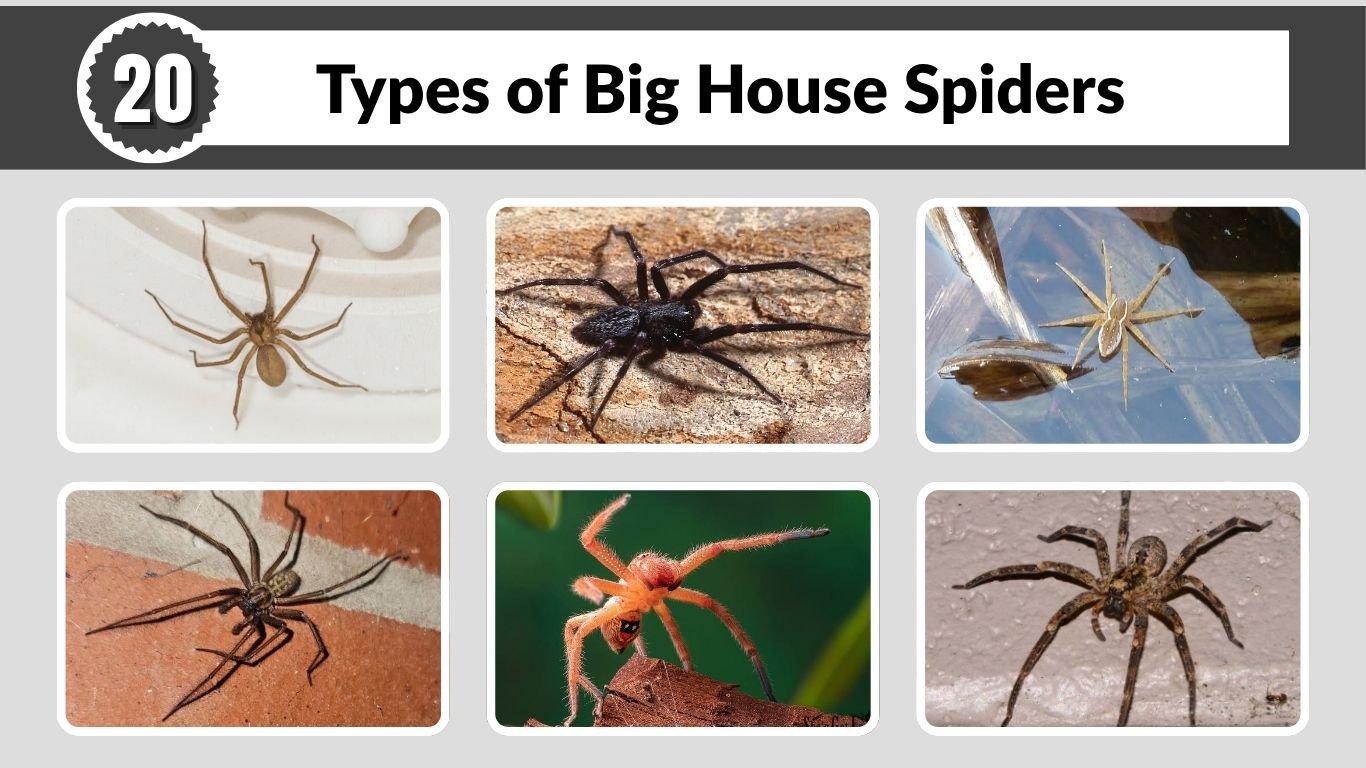
Have you ever spotted a huge spider crawling across your floor or hiding in a dark corner? Big house spiders can look frightening, but most are harmless and help control household pests. From giant house spiders to fast-moving huntsman spiders, these fascinating creatures vary in size, color, and behavior. Discover 20 types of big house spiders, including their identification features, habitats, feeding habits, and potential dangers.
1. Giant House Spider
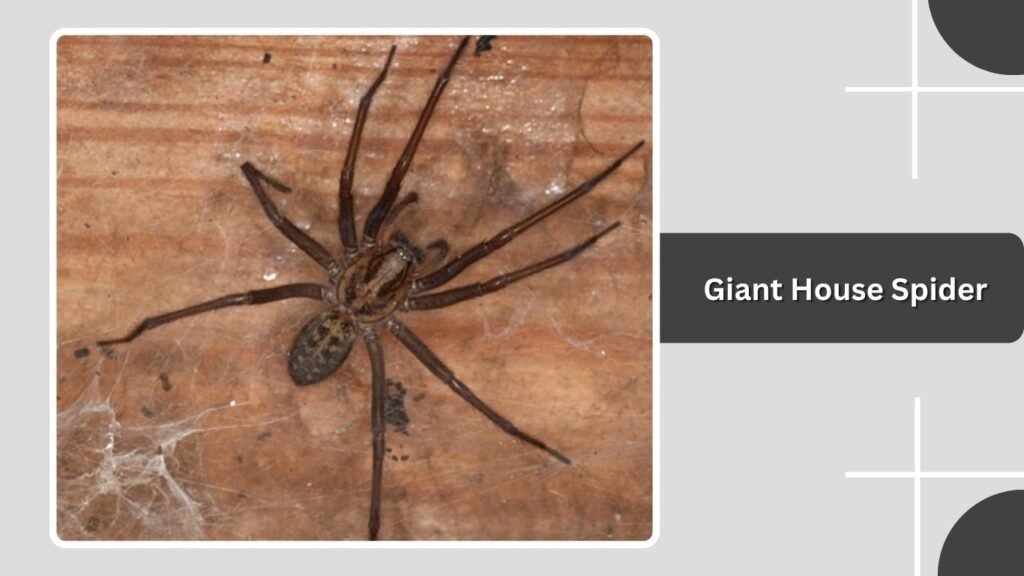
The Giant House Spider (Eratigena atrica species group) is one of the largest spiders commonly found inside homes, particularly in Europe. Known for its long legs, brown coloration, and impressive speed, this spider often hides in basements, garages, and dark corners. Despite its intimidating appearance, it is generally harmless to humans and helps control household insect populations.
Identification
- Common Name: Giant House Spider
- Scientific Name: Eratigena atrica species group
- Size: Body length approximately 10–18 mm, with a leg span reaching around 7–10 cm.
- Color: Dark brown with lighter markings on the abdomen.
- Body Shape: Elongated body with noticeably long, slender legs.
- Eyes: Eight small eyes arranged in two rows.
- Web: Large, flat, funnel-shaped webs in sheltered areas.
Habitat and Behavior
Giant House Spiders prefer dark, undisturbed environments such as basements, attics, sheds, and garages. They build funnel-shaped webs near cracks and corners, where they wait for insects to become trapped. Males frequently wander indoors during late summer and autumn while searching for females.
Diet and Feeding Habits
These spiders primarily feed on flies, moths, mosquitoes, and other small insects. They rely on their speed to capture prey that enters their webs. Their hunting activity helps reduce indoor insect populations naturally.
Are Giant House Spiders Dangerous?
Giant House Spiders are generally not aggressive toward humans. Although they can bite when trapped or handled, bites are uncommon and usually cause only mild, temporary symptoms. Their presence is typically more startling than dangerous.
2. Cardinal Spider
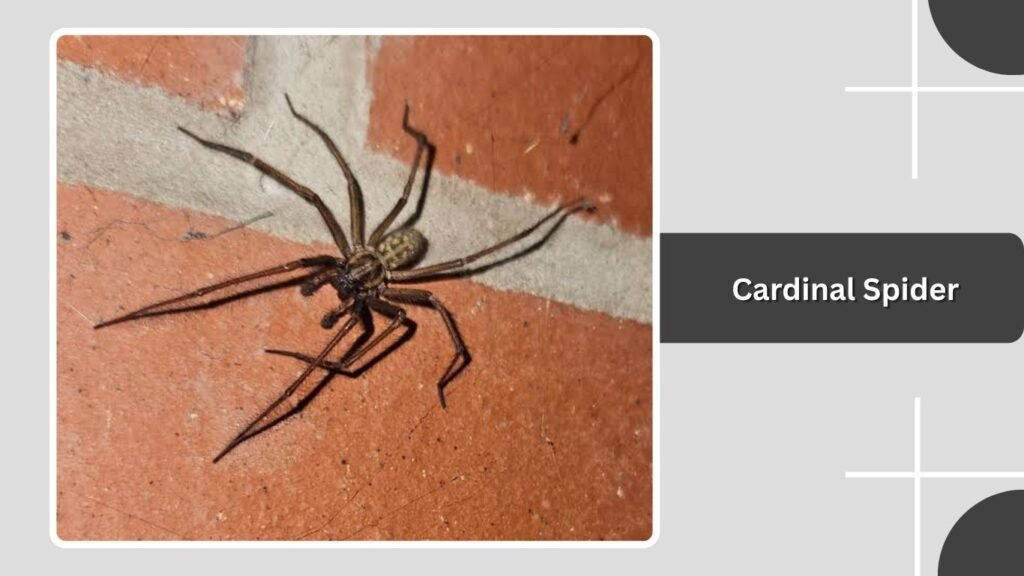
The Cardinal Spider (Tegenaria parietina) is one of the largest house spiders found in the United Kingdom and parts of Europe. Its impressive leg span and reddish-brown body make it easy to recognize. Despite its intimidating appearance, this spider is generally harmless to humans and often lives in quiet, undisturbed areas of buildings.
Identification
- Common Name: Cardinal Spider
- Scientific Name: Tegenaria parietina
- Size: Body length approximately 10–20 mm, with a leg span sometimes reaching 12 cm.
- Color: Reddish-brown to dark brown with subtle markings.
- Body Shape: Slender body with exceptionally long legs.
- Eyes: Eight small eyes arranged in two rows.
- Web: Large, sheet-like webs with funnel-shaped retreats.
Habitat and Behavior
Cardinal Spiders commonly inhabit old houses, barns, cellars, garages, and sheds. They prefer dry, sheltered locations where their webs remain undisturbed. These spiders are mostly nocturnal and spend much of their time hiding inside web retreats. Males occasionally wander indoors while searching for females during the breeding season.
Diet and Feeding Habits
Cardinal Spiders primarily feed on flies, moths, beetles, and other small insects. They detect vibrations in their webs and quickly approach trapped prey. Their feeding habits help control household insect populations.
Are Cardinal Spiders Dangerous?
Although Cardinal Spiders look frightening because of their size, they are not considered dangerous. Bites are uncommon and generally cause only mild, temporary discomfort.
3. Domestic House Spider
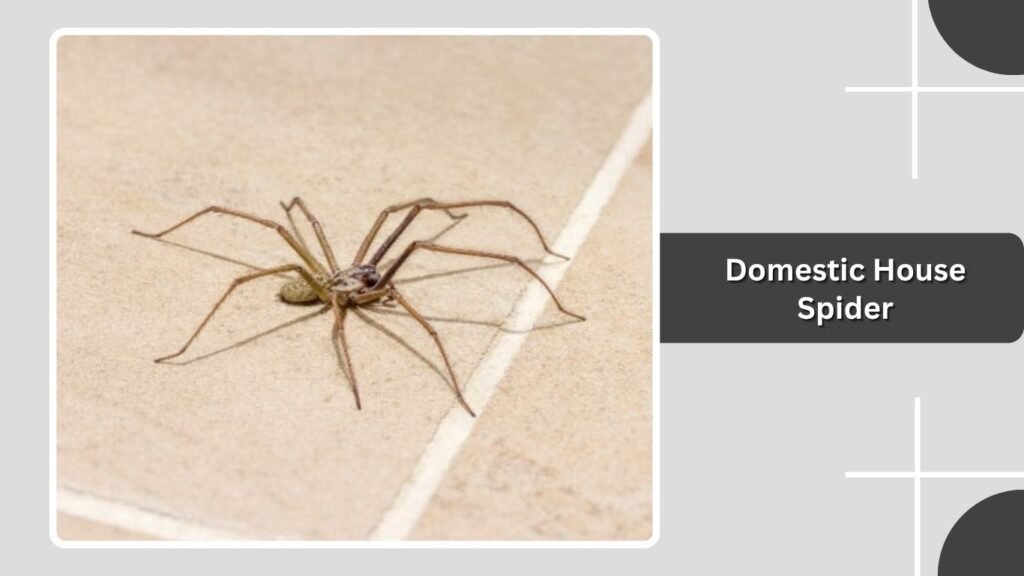
The Domestic House Spider (Tegenaria domestica), also called the Barn Funnel Weaver, is a common spider found in houses and buildings across many regions of the world. This brown spider builds distinctive funnel-shaped webs and prefers sheltered environments. Its long legs and quick movements sometimes cause concern, although it generally avoids human contact.
Identification
- Common Name: Domestic House Spider
- Scientific Name: Tegenaria domestica
- Size: Body length approximately 6–12 mm, with a leg span reaching around 4–5 cm.
- Color: Light brown to dark brown with patterned markings.
- Body Shape: Elongated abdomen and long, slender legs.
- Eyes: Eight small eyes arranged in two rows.
- Web: Horizontal sheet webs connected to funnel-shaped hiding places.
Habitat and Behavior
Domestic House Spiders commonly live in basements, attics, garages, storage rooms, and dark corners. They construct webs along walls, beneath furniture, and around window frames. Unlike wandering hunting spiders, they usually remain close to their webs and retreat into narrow openings when disturbed.
Diet and Feeding Habits
These spiders feed on flies, mosquitoes, moths, ants, and small beetles. Their webs help intercept crawling and flying insects, allowing them to capture prey efficiently.
Are Domestic House Spiders Dangerous?
Domestic House Spiders are generally harmless to humans. They rarely bite unless trapped or handled roughly. Their venom is not considered medically significant, and bites usually cause mild local irritation.
4. Southern House Spider
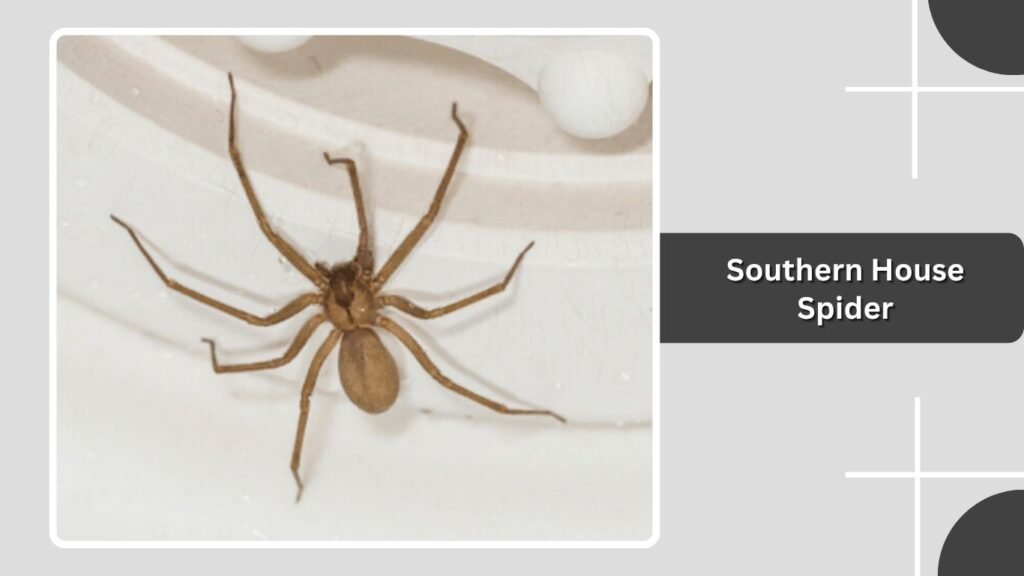
The Southern House Spider (Kukulcania hibernalis) is a large spider commonly found in the southeastern United States. Females have dark, velvety bodies, while males possess longer legs and a slimmer appearance. These spiders are sometimes mistaken for brown recluse spiders, although their physical characteristics and behavior are different.
Identification
- Common Name: Southern House Spider
- Scientific Name: Kukulcania hibernalis
- Size: Body length approximately 12–19 mm, with males having particularly long legs.
- Color: Females are dark brown or charcoal-colored, while males are lighter brown.
- Body Shape: Females have robust bodies; males have slender bodies and elongated legs.
- Eyes: Eight eyes grouped closely together.
- Web: Irregular, woolly-looking webs extending from cracks and crevices.
Habitat and Behavior
Southern House Spiders often inhabit walls, window frames, attics, garages, and exterior building cracks. Females usually remain inside their web retreats, while males wander in search of mates. They prefer warm environments and are especially common around older structures with plenty of hiding places.
Diet and Feeding Habits
Their diet includes moths, flies, cockroaches, beetles, and other household insects. Females use their specialized webs to capture insects passing near their hiding places.
Are Southern House Spiders Dangerous?
Southern House Spiders are not considered medically dangerous. They usually avoid humans and bite only when threatened or trapped. Their bites may cause temporary pain or localized swelling.
5. Black House Spider
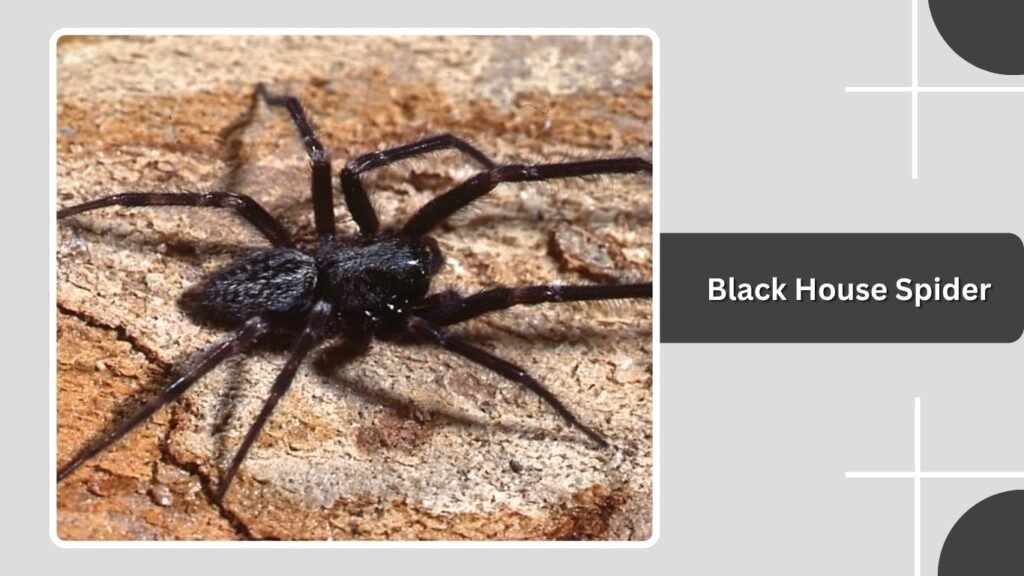
The Black House Spider (Badumna insignis) is a relatively large, dark-colored spider native to Australia. It is commonly found around houses, fences, windows, and outdoor structures. Known for its strong, messy-looking webs, this species often occupies the same sheltered location for long periods.
Identification
- Common Name: Black House Spider
- Scientific Name: Badumna insignis
- Size: Body length approximately 10–18 mm, with females generally larger than males.
- Color: Dark brown to nearly black, with lighter markings on the abdomen.
- Body Shape: Robust body with relatively thick, hairy legs.
- Eyes: Eight small eyes arranged in two rows.
- Web: Dense, tangled, lace-like webs surrounding a narrow retreat.
Habitat and Behavior
Black House Spiders commonly inhabit window corners, door frames, brick walls, tree bark, and rock crevices. They prefer sheltered locations where insects frequently pass. Females generally remain near their webs, while males may wander during mating periods. Their webs can become extensive when left undisturbed.
Diet and Feeding Habits
These spiders primarily feed on flies, moths, beetles, and other small insects. They respond to vibrations in their webs and quickly capture approaching prey. Outdoor lighting can indirectly attract them by concentrating flying insects nearby.
Are Black House Spiders Dangerous?
Black House Spiders are generally not aggressive, but they may bite when disturbed. Bites can cause localized pain, swelling, or other symptoms. Serious effects are uncommon, although concerning symptoms should receive medical attention.
6. Grey House Spider
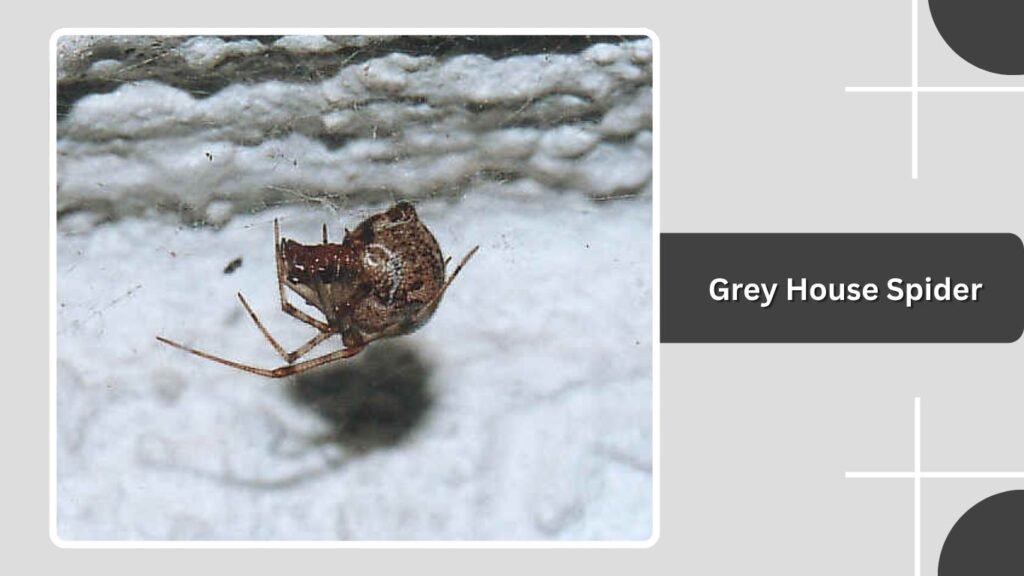
The Grey House Spider (Badumna longinqua) is a medium-to-large house-dwelling spider originally native to Australia. It is also found in New Zealand and some other regions. This species resembles the Black House Spider but generally has a lighter grayish-brown appearance. It commonly builds tangled webs around buildings and sheltered outdoor spaces.
Identification
- Common Name: Grey House Spider
- Scientific Name: Badumna longinqua
- Size: Body length approximately 7–15 mm, with females generally larger than males.
- Color: Grayish-brown with darker markings on the abdomen.
- Body Shape: Oval abdomen, compact body, and moderately long, hairy legs.
- Eyes: Eight small eyes arranged in two rows.
- Web: Irregular, tangled webs with a sheltered retreat.
Habitat and Behavior
Grey House Spiders frequently live around window frames, fences, exterior walls, sheds, and garages. They prefer sheltered corners where they can construct stable webs. These spiders are usually active during nighttime and often remain hidden during the day. Females may occupy the same web for extended periods.
Diet and Feeding Habits
Grey House Spiders feed on flies, moths, mosquitoes, beetles, and other small insects. They use their webs to detect prey movements before emerging from their retreats to capture insects.
Are Grey House Spiders Dangerous?
Grey House Spiders are not considered medically dangerous to humans. They are usually shy and prefer escaping rather than confronting people. Bites are uncommon and typically cause only mild, localized discomfort.
7. Hobo Spider
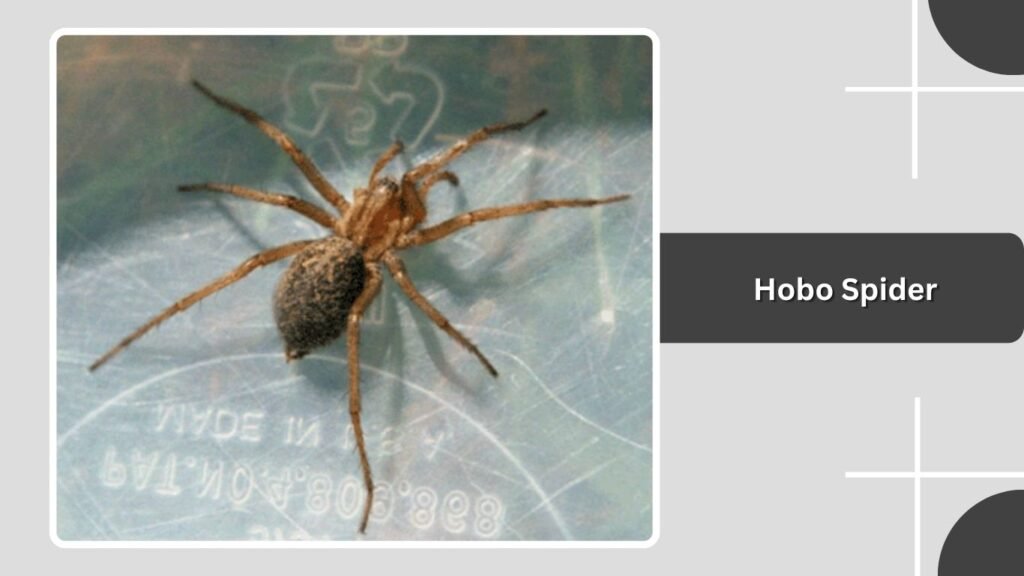
The Hobo Spider (Eratigena agrestis) is a relatively large, brown spider commonly found in parts of Europe and the northwestern United States. Known for its quick movements and funnel-shaped webs, this spider often inhabits basements, garages, and outdoor structures. Although historically associated with dangerous bites, current scientific evidence does not support that reputation.
Identification
- Common Name: Hobo Spider
- Scientific Name: Eratigena agrestis
- Size: Body length approximately 7–14 mm, with a leg span reaching around 2.5–5 cm.
- Color: Light to medium brown with darker abdominal markings.
- Body Shape: Elongated abdomen and relatively long legs.
- Eyes: Eight small eyes arranged in two rows.
- Web: Funnel-shaped webs extending from horizontal sheets of silk.
Habitat and Behavior
Hobo Spiders prefer sheltered environments such as basements, crawl spaces, garages, rock piles, and garden structures. They construct funnel-shaped webs near ground level and retreat into narrow openings when disturbed. These spiders are particularly active during warmer months, and males frequently wander while searching for mates.
Diet and Feeding Habits
Hobo Spiders primarily feed on flies, beetles, ants, and other small insects. They detect vibrations from insects entering their webs and quickly emerge to capture prey. Their feeding activities help regulate nearby insect populations.
Are Hobo Spiders Dangerous?
Hobo Spiders are not considered medically dangerous to humans. They rarely bite unless trapped or threatened. Research has not demonstrated that their bites cause the serious skin damage once attributed to them.
8. Pantropical Huntsman Spider
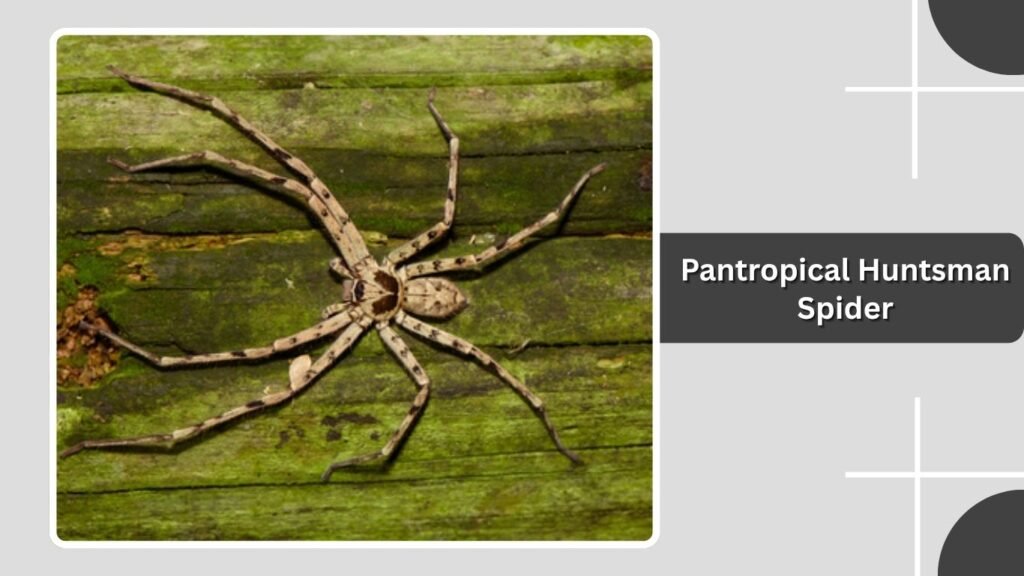
The Pantropical Huntsman Spider (Heteropoda venatoria) is a large, fast-moving spider found throughout tropical and subtropical regions. Also called the Cane Spider, it is recognized by its flattened body and exceptionally long legs. This species frequently enters homes, warehouses, and other buildings, where it hunts cockroaches and household insects.
Identification
- Common Name: Pantropical Huntsman Spider
- Scientific Name: Heteropoda venatoria
- Size: Body length approximately 20–30 mm, with a leg span reaching 7–12 cm.
- Color: Brown to grayish-brown with darker markings.
- Body Shape: Flattened body with long, sideways-spreading legs.
- Eyes: Eight eyes arranged in two rows.
- Web: Does not construct prey-catching webs.
Habitat and Behavior
Pantropical Huntsman Spiders commonly inhabit houses, garages, sheds, gardens, and tropical vegetation. They prefer warm environments and frequently hide behind furniture, curtains, wall decorations, and loose bark. Unlike web-building spiders, they actively pursue prey. Their impressive speed allows them to escape threats and capture moving insects.
Diet and Feeding Habits
These spiders primarily eat cockroaches, moths, flies, beetles, and other insects. They are nocturnal hunters that rely on their speed and strong legs to overpower prey. Their appetite for cockroaches makes them useful natural predators around buildings.
Are Pantropical Huntsman Spiders Dangerous?
Despite their large size, Pantropical Huntsman Spiders are not considered dangerously venomous. They generally avoid humans, although handling them may provoke a defensive bite that causes temporary pain or swelling.
9. Giant Huntsman Spider
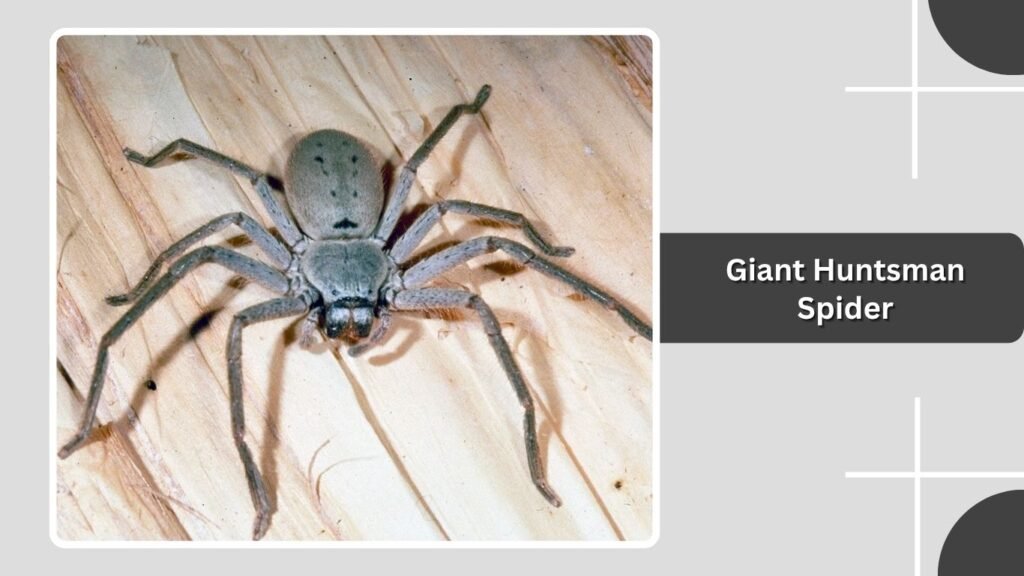
The Giant Huntsman Spider (Heteropoda maxima) is famous for having one of the largest recorded leg spans of any living spider. Native to Laos, this remarkable species can reach approximately 30 cm across its extended legs. Although included among large spiders, it is primarily a cave-dwelling species rather than a typical household spider.
Identification
- Common Name: Giant Huntsman Spider
- Scientific Name: Heteropoda maxima
- Size: Body length exceeding 4 cm, with a leg span reaching approximately 25–30 cm.
- Color: Yellowish-brown with darker spots and markings.
- Body Shape: Flattened body with extremely long legs.
- Eyes: Eight eyes arranged in two rows.
- Web: Does not build prey-catching webs.
Habitat and Behavior
Giant Huntsman Spiders inhabit limestone caves and sheltered rocky environments in Laos. They prefer cave entrances and protected areas where suitable prey is available. Their flattened bodies and long, sideways-spreading legs help them move through narrow spaces. They are active hunters and do not depend on webs for capturing food.
Diet and Feeding Habits
These spiders are carnivorous predators that likely feed on insects and other cave-dwelling invertebrates. Like other huntsman spiders, they use their speed and powerful legs to capture prey. Their exact feeding habits in the wild remain poorly documented.
Are Giant Huntsman Spiders Dangerous?
Despite their enormous size, Giant Huntsman Spiders are not known to pose a significant medical threat to humans. However, their bites have not been extensively studied, and direct handling should be avoided.
10. Badge Huntsman Spider
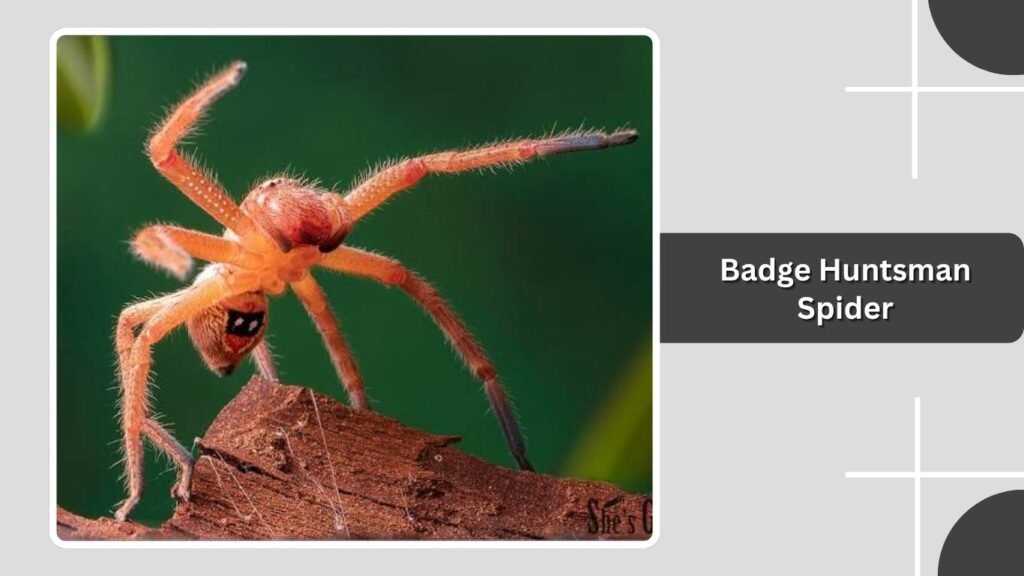
The Badge Huntsman Spider (Neosparassus species) is a large Australian spider recognized by the colorful markings underneath its abdomen. These spiders are commonly found in gardens, woodland environments, and occasionally inside homes. Their distinctive appearance, powerful legs, and fast movements make them one of Australia’s more recognizable huntsman groups.
Identification
- Common Name: Badge Huntsman Spider
- Scientific Name: Neosparassus spp.
- Size: Body length approximately 15–20 mm, with a considerably larger leg span.
- Color: Brown, gray, or fawn with contrasting underside markings.
- Body Shape: Broad body with long, strong legs.
- Eyes: Eight eyes arranged in two rows.
- Distinctive Feature: A colorful shield-shaped marking underneath the abdomen.
Habitat and Behavior
Badge Huntsman Spiders inhabit tree bark, rocky crevices, logs, gardens, and occasionally residential buildings. They prefer sheltered environments where they can hide during daylight hours. Unlike many web-building species, these spiders actively hunt insects. When threatened, some individuals display their brightly colored undersides as a defensive warning.
Diet and Feeding Habits
Their diet consists primarily of beetles, moths, cockroaches, and other small invertebrates. They rely on fast movements and strong legs to capture prey rather than constructing traditional hunting webs.
Are Badge Huntsman Spiders Dangerous?
Badge Huntsman Spiders can deliver painful defensive bites. Symptoms may include localized swelling, sweating, nausea, or vomiting. Although serious complications are uncommon, medical attention is advisable if symptoms are severe or persistent.
11. Social Huntsman Spider
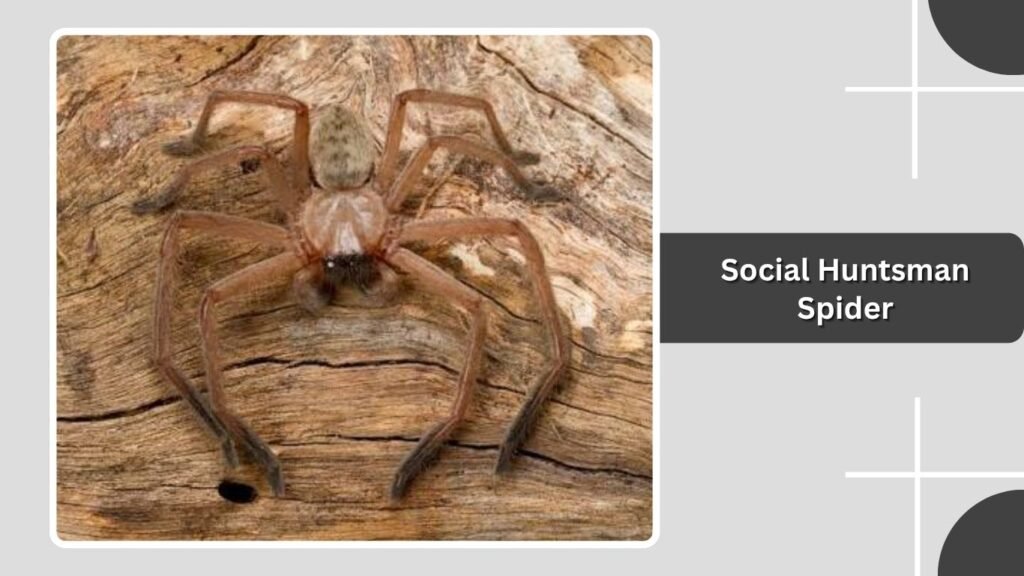
The Social Huntsman Spider (Delena cancerides) is a large Australian spider known for its unusual communal behavior. Unlike most spiders, which live independently, this species can form groups containing adult females and young spiders. Its flattened body, long legs, and impressive speed make it a fascinating species commonly encountered around trees and occasionally inside homes.
Identification
- Common Name: Social Huntsman Spider
- Scientific Name: Delena cancerides
- Size: Body length reaching approximately 20–40 mm, with a much wider leg span.
- Color: Reddish-brown body with a grayish-brown abdomen.
- Body Shape: Broad, flattened body with long, sideways-spreading legs.
- Eyes: Eight eyes arranged in two rows.
- Distinctive Feature: Dark leg tips and the ability to live in communal groups.
Habitat and Behavior
Social Huntsman Spiders inhabit forests, woodlands, gardens, and occasionally residential buildings throughout parts of Australia. They commonly shelter beneath loose tree bark, inside logs, and within narrow crevices. Their most distinctive behavior is communal living, where multiple spiders share protected retreats and tolerate one another.
Diet and Feeding Habits
These spiders primarily consume moths, beetles, cockroaches, and other invertebrates. They hunt actively rather than using prey-catching webs. Their flattened bodies allow them to chase insects through narrow spaces.
Are Social Huntsman Spiders Dangerous?
Social Huntsman Spiders generally avoid confrontation with humans. Although they may bite defensively when trapped or handled, they are not considered medically dangerous. Their large appearance is usually more alarming than their actual threat.
12. Carolina Wolf Spider
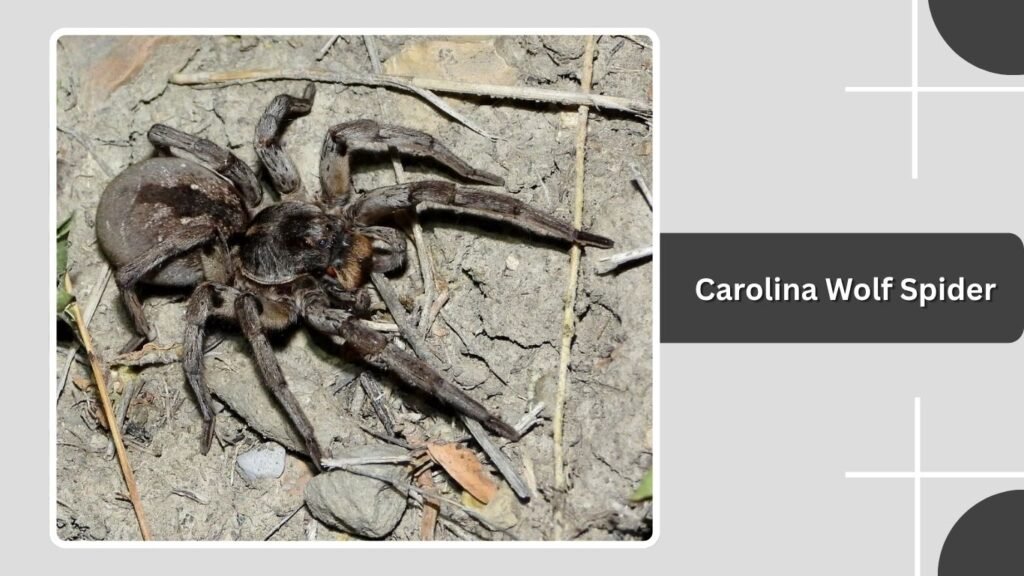
The Carolina Wolf Spider (Hogna carolinensis) is one of the largest wolf spiders in North America. Known for its thick, hairy legs and dark brown body, this species occasionally enters homes while searching for food or shelter. Despite its intimidating appearance, the Carolina Wolf Spider is generally harmless to humans and plays an important role in controlling insects.
Identification
- Common Name: Carolina Wolf Spider
- Scientific Name: Hogna carolinensis
- Size: Body length approximately 18–35 mm, with females larger than males.
- Color: Dark brown or grayish-brown with subtle markings.
- Body Shape: Robust, hairy body with thick, powerful legs.
- Eyes: Eight eyes arranged in three rows, including two large forward-facing eyes.
- Web: Does not build prey-catching webs.
Habitat and Behavior
Carolina Wolf Spiders inhabit grasslands, fields, gardens, and open woodland environments throughout the United States. They often shelter in underground burrows, beneath rocks, or inside natural crevices. These spiders are primarily nocturnal and occasionally wander into basements, garages, and ground-floor rooms.
Diet and Feeding Habits
Carolina Wolf Spiders primarily feed on crickets, beetles, cockroaches, grasshoppers, and other small arthropods. They actively chase prey instead of trapping insects in webs. Their strong legs and excellent eyesight make them efficient nighttime hunters.
Are Carolina Wolf Spiders Dangerous?
Carolina Wolf Spiders are not considered medically dangerous. They generally avoid humans and bite only when threatened or handled. Bites may cause temporary pain, redness, or mild swelling.
13. Rabid Wolf Spider
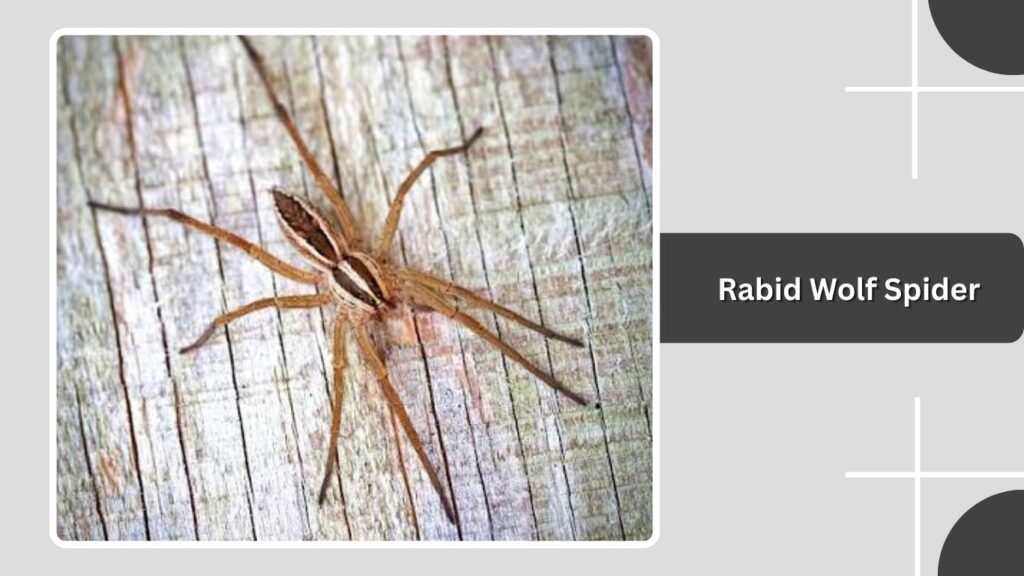
The Rabid Wolf Spider (Rabidosa rabida) is a medium-to-large hunting spider commonly found throughout the eastern and central United States. Despite its alarming name, this species does not carry rabies. It is recognized by its striped body, long legs, and fast movements. These spiders sometimes enter houses while searching for insects or suitable shelter.
Identification
- Common Name: Rabid Wolf Spider
- Scientific Name: Rabidosa rabida
- Size: Body length approximately 13–21 mm, with females usually larger.
- Color: Light brown to yellowish-brown with darker longitudinal stripes.
- Body Shape: Slender, hairy body with long, strong legs.
- Eyes: Eight eyes arranged in three rows.
- Distinctive Feature: Pale eyebrow-like markings behind the eyes and angled spots along the abdomen.
Habitat and Behavior
Rabid Wolf Spiders commonly inhabit grasslands, gardens, woodlands, agricultural fields, and residential yards. They prefer areas with abundant leaf litter and low vegetation. These spiders are active hunters and can move quickly when disturbed. During warmer months, they may enter garages, basements, and other sheltered indoor locations.
Diet and Feeding Habits
Rabid Wolf Spiders feed on crickets, flies, beetles, moths, and various ground-dwelling insects. Instead of constructing webs, they chase and capture prey using their speed and powerful legs.
Are Rabid Wolf Spiders Dangerous?
Rabid Wolf Spiders are generally harmless to humans. Although they can bite defensively, bites are uncommon and typically cause mild local discomfort. Their name refers to their rapid movements rather than any association with rabies.
14. Tiger Wolf Spider
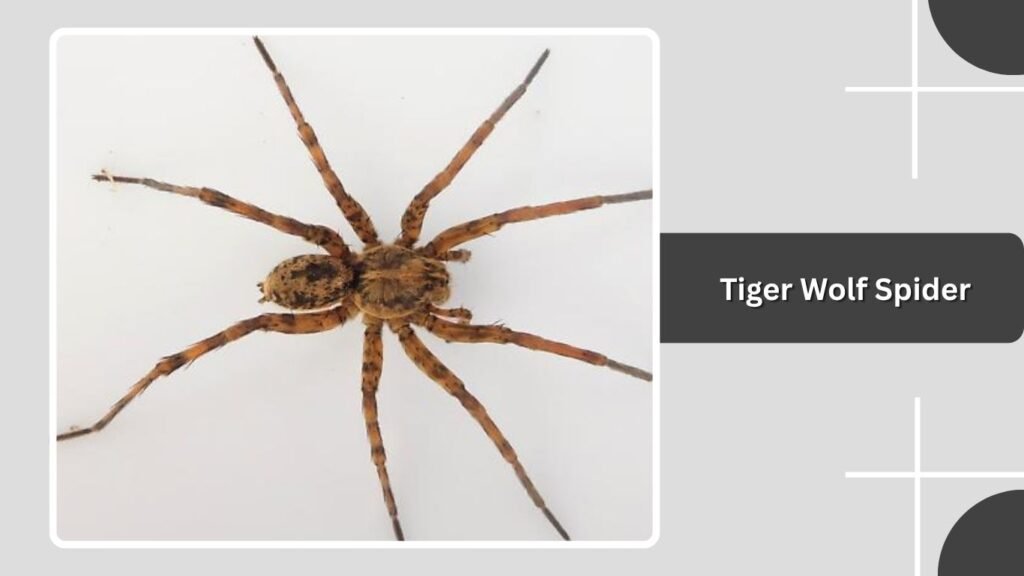
The Tiger Wolf Spider (Tigrosa aspersa) is a large North American hunting spider recognized by its dark body and distinctive markings. It is also known as the Woodland Giant Wolf Spider. This species occasionally appears in houses, especially near wooded environments. Its strong legs, impressive size, and quick movements make it one of the more noticeable wolf spiders.
Identification
- Common Name: Tiger Wolf Spider
- Scientific Name: Tigrosa aspersa
- Size: Body length approximately 16–25 mm, with females usually larger.
- Color: Dark brown to nearly black with lighter markings.
- Body Shape: Large, muscular body covered with short hairs.
- Eyes: Eight eyes arranged in three rows.
- Distinctive Feature: Narrow yellowish line between the eyes, banded legs, and orange abdominal underside with dark markings.
Habitat and Behavior
Tiger Wolf Spiders commonly inhabit forests, woodland edges, gardens, and grassy environments. They often shelter beneath logs, rocks, leaf litter, and other natural debris. Although primarily outdoor spiders, they occasionally wander into garages, basements, and ground-level rooms. They are generally solitary and most active during nighttime.
Diet and Feeding Habits
Tiger Wolf Spiders primarily consume beetles, crickets, cockroaches, grasshoppers, and other small arthropods. They use their speed and powerful legs to chase prey rather than relying on capture webs.
Are Tiger Wolf Spiders Dangerous?
Tiger Wolf Spiders are not considered medically dangerous. They generally retreat when disturbed, although handling may provoke a defensive bite. Symptoms are usually limited to temporary pain, redness, or swelling.
15. Dark Fishing Spider
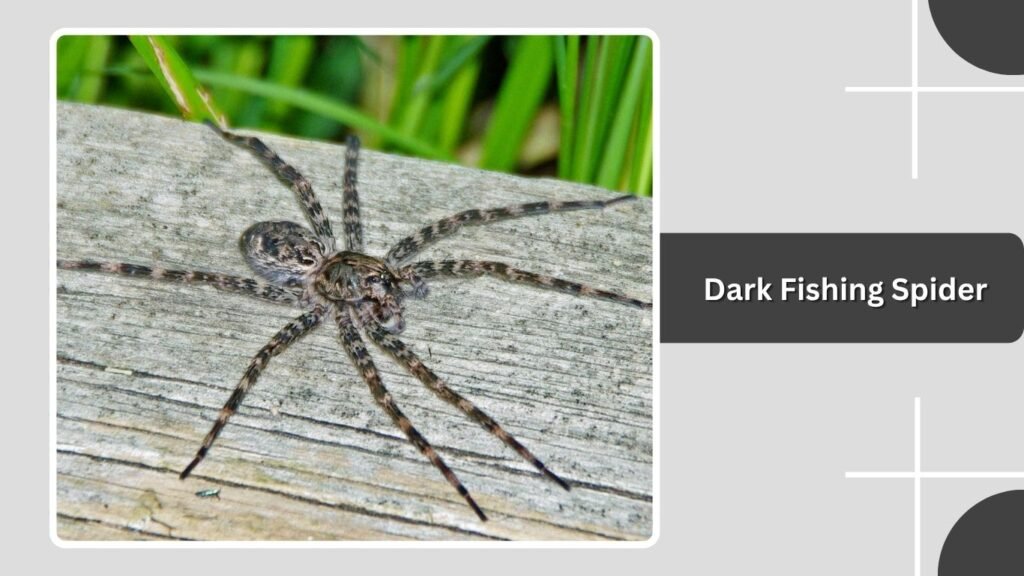
The Dark Fishing Spider (Dolomedes tenebrosus) is one of the largest spiders occasionally found inside North American homes. It has a broad body, long legs, and distinctive dark markings. Although its name suggests a close association with water, this species frequently inhabits wooded environments and may enter houses, garages, and basements.
Identification
- Common Name: Dark Fishing Spider
- Scientific Name: Dolomedes tenebrosus
- Size: Body length approximately 7–26 mm, with a leg span sometimes approaching 9 cm.
- Color: Dark brown, grayish-brown, or mottled black.
- Body Shape: Broad, somewhat flattened body with long, powerful legs.
- Eyes: Eight eyes arranged in two rows.
- Distinctive Feature: Dark W-shaped markings on the abdomen and banded legs.
Habitat and Behavior
Dark Fishing Spiders commonly inhabit wooded areas, tree trunks, logs, gardens, and locations near streams or ponds. They often hide beneath loose bark or inside natural crevices. Unlike many fishing spiders, they frequently live away from water. They may occasionally enter basements, garages, and other sheltered areas.
Diet and Feeding Habits
These spiders primarily consume insects, including moths, flies, beetles, and crickets. They actively pursue prey rather than trapping insects in webs. Like related fishing spiders, they can sometimes capture small aquatic animals.
Are Dark Fishing Spiders Dangerous?
Dark Fishing Spiders are generally harmless to humans. Their large size can appear intimidating, but they typically escape when disturbed. Defensive bites are uncommon and usually cause temporary pain or localized swelling.
16. Striped Fishing Spider
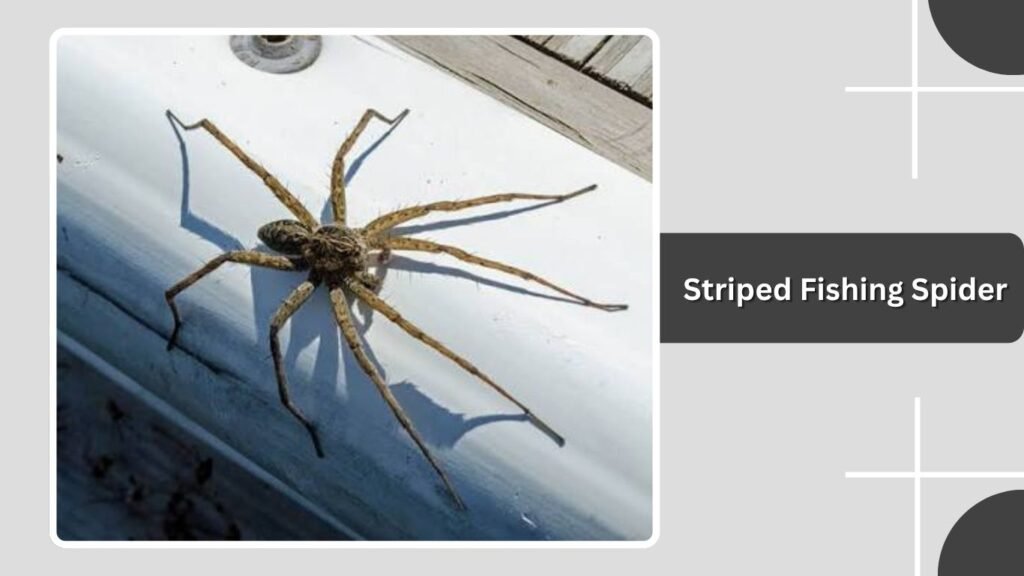
The Striped Fishing Spider (Dolomedes scriptus) is a large, semiaquatic spider commonly found near freshwater environments in North America. Recognized by its striped body and long legs, this species is an excellent hunter capable of moving across water surfaces. Although primarily an outdoor spider, it may occasionally appear around houses located near streams, ponds, or wooded wetlands.
Identification
- Common Name: Striped Fishing Spider
- Scientific Name: Dolomedes scriptus
- Size: Body length reaching approximately 20–25 mm in large females, with a leg span exceeding 5 cm.
- Color: Light brown to grayish-brown with pale stripes.
- Body Shape: Broad, flattened body with long, slender legs.
- Eyes: Eight eyes arranged in two rows.
- Distinctive Feature: Pale stripes along the body and W-shaped abdominal markings outlined by lighter coloration.
Habitat and Behavior
Striped Fishing Spiders commonly inhabit streams, ponds, rivers, wetlands, and nearby vegetation. They frequently rest on rocks, tree trunks, or vegetation along the water’s edge. Their water-repellent leg hairs allow them to move across water surfaces. They rarely establish themselves permanently inside homes.
Diet and Feeding Habits
Striped Fishing Spiders primarily consume aquatic insects, flies, mosquitoes, and other small invertebrates. They can also capture small fish and tadpoles. They detect prey movements through vibrations on the water’s surface before quickly striking.
Are Striped Fishing Spiders Dangerous?
Striped Fishing Spiders are not considered medically dangerous to humans. They usually flee when approached and rarely bite unless trapped or handled. Bites may produce temporary discomfort, redness, or mild swelling.
17. Six-Spotted Fishing Spider
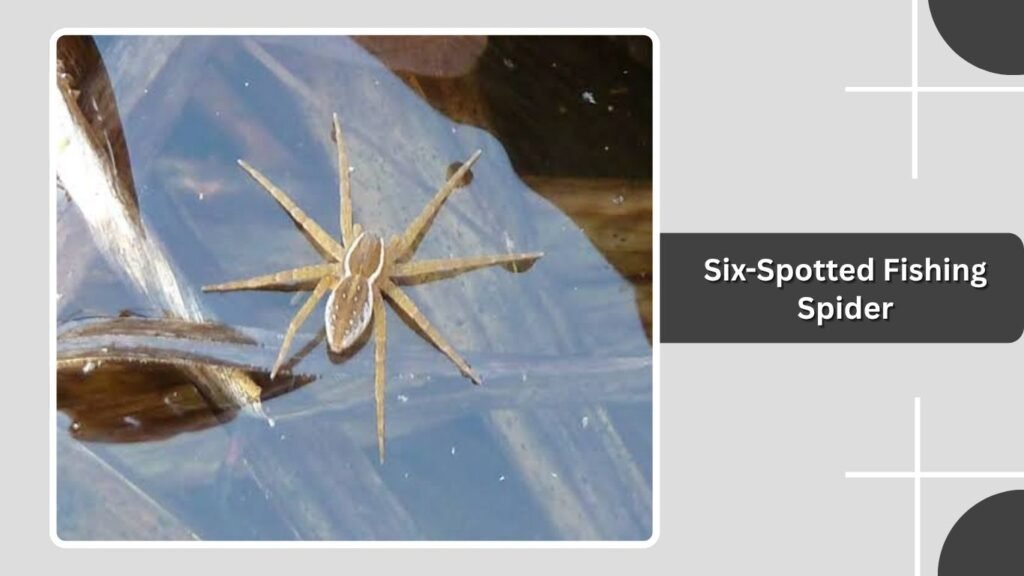
The Six-Spotted Fishing Spider (Dolomedes triton) is a large, semiaquatic spider commonly found near freshwater habitats throughout North America. Recognized by its brown body, pale stripes, and distinctive markings, this species can walk across water surfaces and capture aquatic prey. Although primarily an outdoor spider, it may occasionally appear near homes surrounded by ponds or wetlands.
Identification
- Common Name: Six-Spotted Fishing Spider
- Scientific Name: Dolomedes triton
- Size: Body length approximately 9–20 mm, with a leg span reaching 6–7 cm.
- Color: Brown to olive-brown with pale cream stripes.
- Body Shape: Elongated body with long, slender legs.
- Eyes: Eight eyes arranged in two rows.
- Distinctive Feature: Six dark spots on the underside of the body and several pale spots on the abdomen.
Habitat and Behavior
Six-Spotted Fishing Spiders commonly inhabit ponds, lakes, marshes, and slow-moving streams. They frequently rest on aquatic plants, floating leaves, and vegetation near water. Their water-repellent legs allow them to move across the surface without sinking. They can also dive underwater when escaping predators or capturing prey.
Diet and Feeding Habits
These spiders primarily consume aquatic insects, mosquitoes, dragonflies, and other small invertebrates. They occasionally capture tadpoles and small fish. They detect vibrations on the water’s surface and rapidly attack nearby prey.
Are Six-Spotted Fishing Spiders Dangerous?
Six-Spotted Fishing Spiders are not considered medically dangerous to humans. They generally avoid confrontation and bite only when threatened or handled. Their bites may cause temporary pain, redness, or localized swelling.
18. Black Lace-Weaver Spider
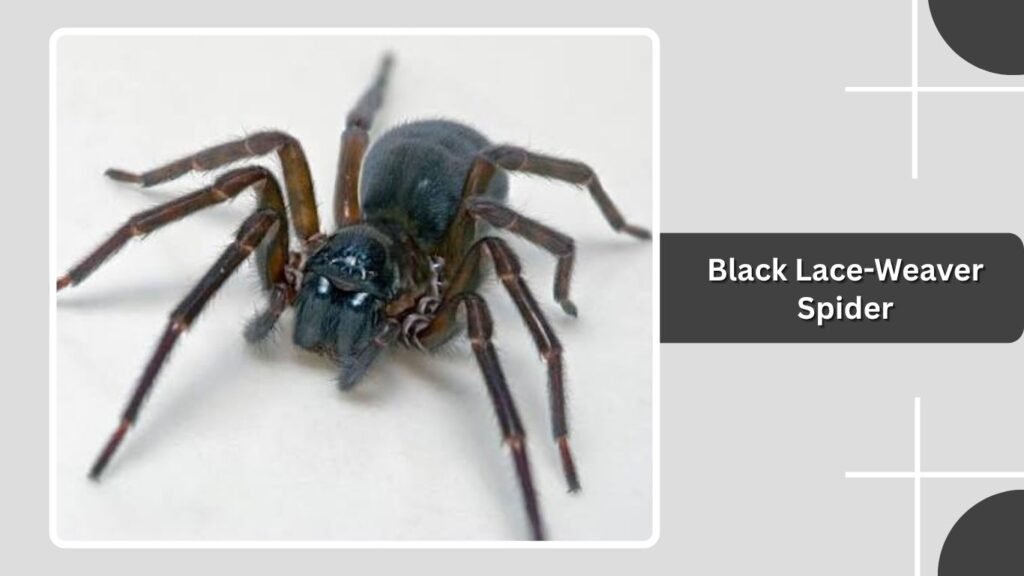
The Black Lace-Weaver Spider (Amaurobius ferox) is a dark-colored spider commonly found in Europe and introduced to parts of North America. Known for its strong body and distinctive lace-like webs, this species frequently inhabits basements, cellars, and other sheltered locations. Its dark appearance can seem intimidating, but it generally avoids human interaction.
Identification
- Common Name: Black Lace-Weaver Spider
- Scientific Name: Amaurobius ferox
- Size: Body length approximately 10–16 mm, with females generally larger.
- Color: Dark brown to almost black with lighter abdominal markings.
- Body Shape: Robust body with relatively thick, hairy legs.
- Eyes: Eight small eyes arranged in two rows.
- Web: Irregular, woolly, lace-like webs surrounding sheltered retreats.
Habitat and Behavior
Black Lace-Weaver Spiders commonly inhabit basements, cellars, gardens, stone walls, and woodland environments. They prefer dark, damp places where they can construct webs inside cracks and crevices. These spiders usually remain hidden during daylight hours and become more active at night. Males occasionally wander indoors while searching for females.
Diet and Feeding Habits
These spiders primarily feed on beetles, woodlice, earwigs, flies, and other small invertebrates. They use their sticky, woolly webs to capture insects passing near their hiding places. Their feeding habits help reduce small pest populations around buildings.
Are Black Lace-Weaver Spiders Dangerous?
Black Lace-Weaver Spiders are not considered medically dangerous. Although they can deliver a painful defensive bite, serious reactions are uncommon. Most bites cause temporary discomfort, redness, or mild swelling.
19. Mediterranean False Wolf Spider
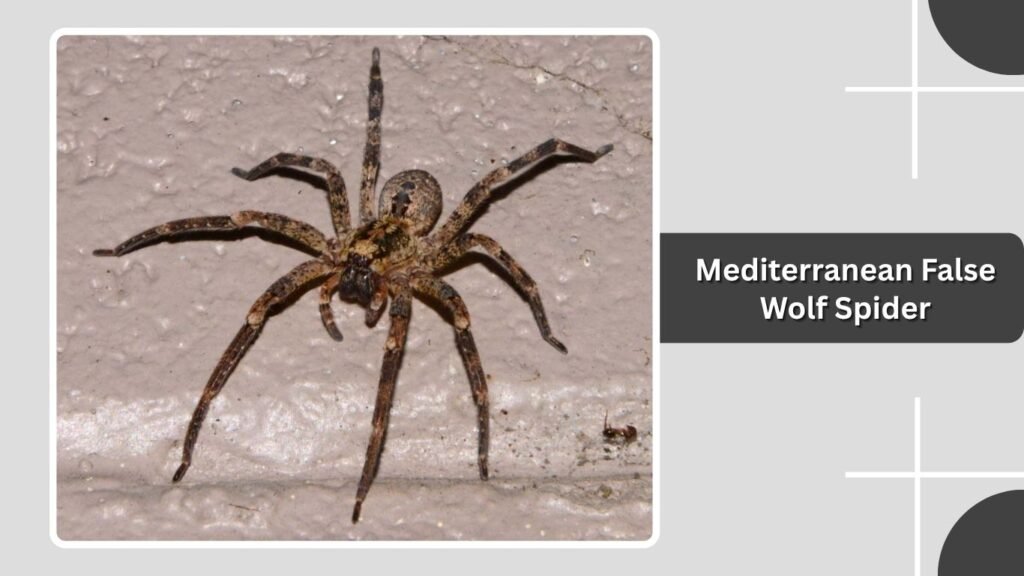
The Mediterranean False Wolf Spider (Zoropsis spinimana) is a large, brown hunting spider native to the Mediterranean region. It has expanded into other parts of Europe and North America, where it is increasingly encountered inside buildings. Its muscular appearance and distinctive body markings make it resemble a true wolf spider, although it belongs to a different spider family.
Identification
- Common Name: Mediterranean False Wolf Spider
- Scientific Name: Zoropsis spinimana
- Size: Body length approximately 10–19 mm, with females usually larger.
- Color: Yellowish-brown to grayish-brown with darker markings.
- Body Shape: Robust, hairy body with moderately long legs.
- Eyes: Eight eyes arranged in two rows.
- Distinctive Feature: Dark, mask-like markings on the upper body and patterned legs.
Habitat and Behavior
Mediterranean False Wolf Spiders commonly inhabit gardens, woodland edges, stone walls, and residential buildings. They frequently hide beneath bark, rocks, furniture, and household objects. These spiders are primarily nocturnal and actively wander in search of prey. Unlike true wolf spiders, their eye arrangement differs significantly, making it an important identification feature.
Diet and Feeding Habits
These spiders primarily eat cockroaches, beetles, flies, moths, and other small arthropods. They rely on their speed and powerful legs to chase and overpower prey rather than constructing capture webs.
Are Mediterranean False Wolf Spiders Dangerous?
Mediterranean False Wolf Spiders are not considered medically dangerous. They may bite defensively when trapped or handled, causing temporary pain, redness, or localized swelling. Serious complications are uncommon.
20. Common Rain Spider
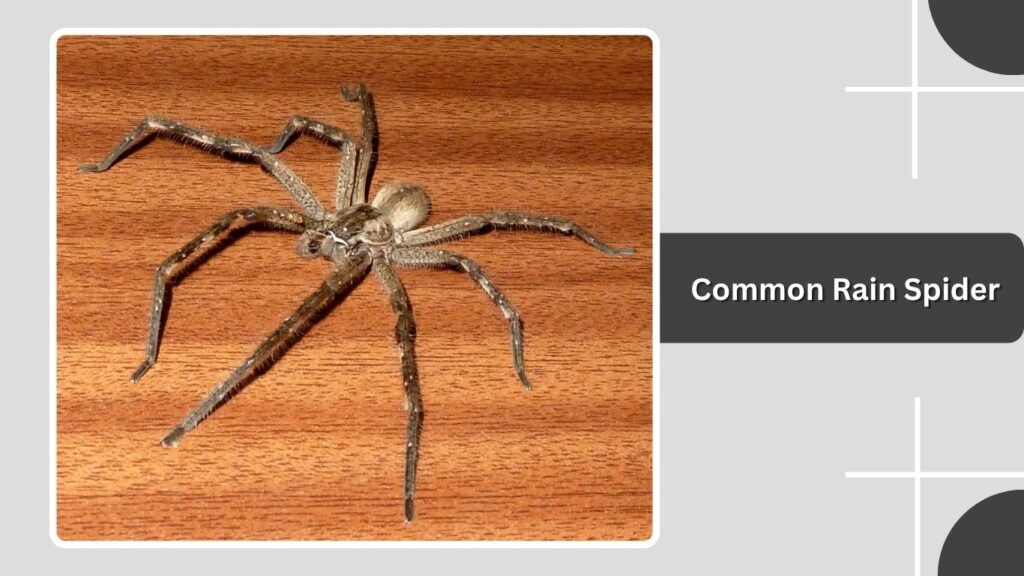
The Common Rain Spider (Palystes superciliosus) is a large huntsman spider native to southern Africa. Known for its impressive leg span and fast movements, this species frequently enters homes, especially during rainy weather. Its flattened body and long legs make it look intimidating, but it is generally reluctant to bite humans.
Identification
- Common Name: Common Rain Spider
- Scientific Name: Palystes superciliosus
- Size: Body length approximately 15–36 mm, with a leg span reaching 11 cm.
- Color: Light brown to grayish-brown with darker markings.
- Body Shape: Broad, flattened body with long, sideways-spreading legs.
- Eyes: Eight eyes arranged in two rows.
- Distinctive Feature: Contrasting bands underneath the legs and pale markings near the mouthparts.
Habitat and Behavior
Common Rain Spiders inhabit gardens, forests, shrublands, and residential areas throughout southern Africa. They frequently shelter behind curtains, furniture, window frames, and wall decorations. These spiders are especially noticeable during humid or rainy periods. Females construct large silk egg sacs surrounded by leaves and may aggressively defend them against potential threats.
Diet and Feeding Habits
Common Rain Spiders primarily consume cockroaches, moths, beetles, crickets, and other insects. Larger individuals occasionally capture small lizards, including geckos. They actively hunt prey and do not construct traditional prey-catching webs.
Are Common Rain Spiders Dangerous?
Common Rain Spiders are generally harmless but can deliver painful defensive bites. Symptoms may include temporary pain, swelling, and itching. Serious medical complications are uncommon, although females guarding egg sacs may be more defensive.
FAQs
1. What Is the Biggest Spider Commonly Found in Houses?
The Giant House Spider, Cardinal Spider, and several huntsman spiders are among the largest spiders encountered inside homes. Some huntsman species have leg spans exceeding 10 cm. However, their size depends on the species and geographic location.
2. Are Big House Spiders Dangerous to Humans?
Most big house spiders are not medically dangerous to humans. Although some species can bite when threatened or handled, their bites generally cause temporary pain, redness, or swelling. Spider identification is important because a few other household species can be medically significant.
3. Why Do Large Spiders Enter Houses?
Large spiders enter houses searching for prey, shelter, favorable temperatures, or potential mates. Basements, garages, attics, and storage rooms provide suitable hiding places. Some species also become more noticeable indoors during seasonal changes or rainy weather.
4. How Can You Identify a Giant House Spider?
Giant House Spiders generally have brown bodies, long slender legs, and lighter abdominal markings. They often construct horizontal sheet webs connected to funnel-shaped retreats. Their appearance can resemble other funnel-weaving spiders, so accurate identification may require closer examination.
5. How Can You Get Rid of Big House Spiders Naturally?
Reduce indoor spiders by sealing cracks, installing window screens, removing clutter, and controlling household insects. Regular vacuuming helps remove webs and egg sacs. Individual spiders can often be captured using a container and a piece of cardboard, then safely released outdoors in a suitable sheltered location.
