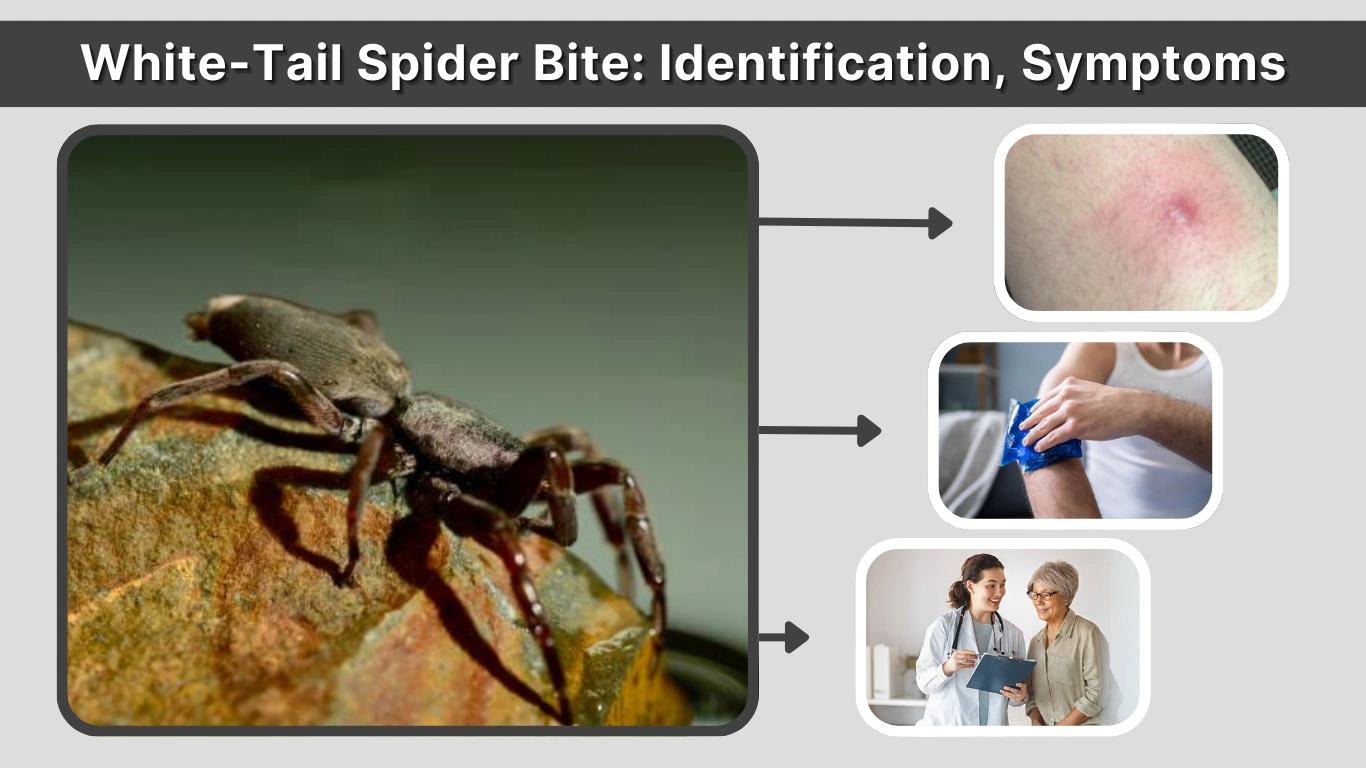
White-tail spider bites are a common source of concern, particularly in Australia where these spiders are frequently found inside homes. Over the years, white-tail spiders have developed a reputation for causing severe skin damage, including claims of flesh-eating wounds. While these stories can be alarming, modern medical research shows that most white-tail spider bites are far less dangerous than commonly believed.
Bites usually occur accidentally when a spider becomes trapped in clothing, bedding, or shoes. The symptoms are often mild to moderate and limited to the bite area, though some people may experience stronger reactions. Understanding how to identify a white-tail spider, recognize the symptoms of its bite, and separate fact from myth can help reduce anxiety and ensure proper care. This article explains how to identify a white-tail spider bite and outlines the most common symptoms you may experience.
What Is a White-Tail Spider?
Scientific Classification
White-tail spiders belong to the Lampona genus, with the two most common species being Lampona cylindrata and Lampona murina. These spiders are native to Australia and are known hunters rather than web builders. They prey on other spiders, which often brings them indoors where their prey lives.
Physical Identification
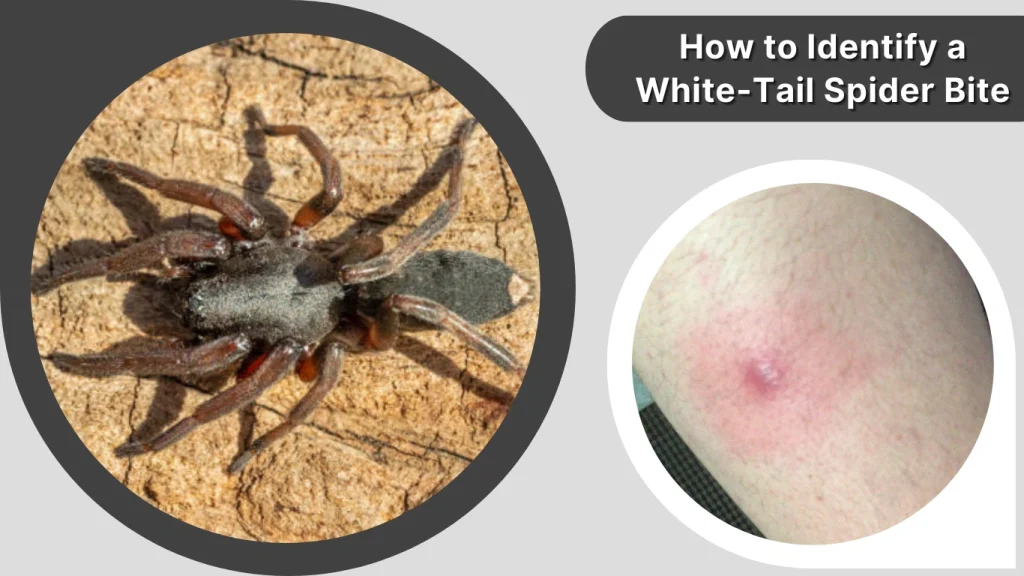
White-tail spiders are relatively easy to identify once you know what to look for. They typically measure between 1.5 and 2 centimeters in body length, not including their legs. Their bodies are dark gray, black, or reddish-brown, with a smooth, elongated shape. The most distinctive feature is a small white or pale spot at the tip of the abdomen, which gives the spider its name. Their legs are long and slender, allowing them to move quickly across floors and walls.
Habitat and Behavior
These spiders are nocturnal and prefer dark, sheltered areas such as wardrobes, bedding, towels, shoes, and folded clothing. They do not aggressively attack humans, and bites usually occur when the spider is accidentally pressed against the skin. Because they often wander indoors at night, people may be bitten while sleeping or getting dressed.
How to Identify a White-Tail Spider Bite
Initial Bite Appearance
A white-tail spider bite often begins with a mild stinging or burning sensation. Some people may not notice the bite immediately. The bite site usually appears as a small red mark or raised bump, similar to a mosquito or ant bite. In many cases, there may be two tiny puncture marks where the spider’s fangs penetrated the skin.
Bite Progression Over Time
Within a few hours, the bite area may become red, swollen, and itchy. Pain is typically localized and ranges from mild discomfort to a sharp or throbbing sensation. In some cases, a small blister may form at the center of the bite. The surrounding skin can feel warm or irritated, especially if scratched.
Common Misidentifications
White-tail spider bites are frequently mistaken for other insect bites, allergic reactions, or skin infections. Conditions such as boils, ingrown hairs, or bacterial infections are often incorrectly blamed on spider bites. Because of this, confirming a white-tail spider bite can be difficult unless the spider is seen or captured at the time of the bite.
White-Tail Spider Bite Symptoms
Mild to Moderate Symptoms
Most white-tail spider bites result in mild to moderate symptoms. These include redness, swelling, itching, and localized pain at the bite site. The discomfort usually peaks within the first 24 to 48 hours and gradually improves over several days.
Less Common Symptoms
Some individuals may experience blistering, persistent inflammation, or increased sensitivity around the bite area. These reactions are more likely in people with sensitive skin or a heightened immune response to insect venom.
Myth vs. Reality: Tissue Damage
One of the most persistent myths surrounding white-tail spider bites is that they cause severe tissue necrosis. Current scientific evidence does not support this claim. While ulcers and slow-healing wounds have been reported, most experts believe these cases are linked to secondary infections or misdiagnosed skin conditions rather than the spider’s venom itself.
What to Do If You Are Bitten (First Aid)
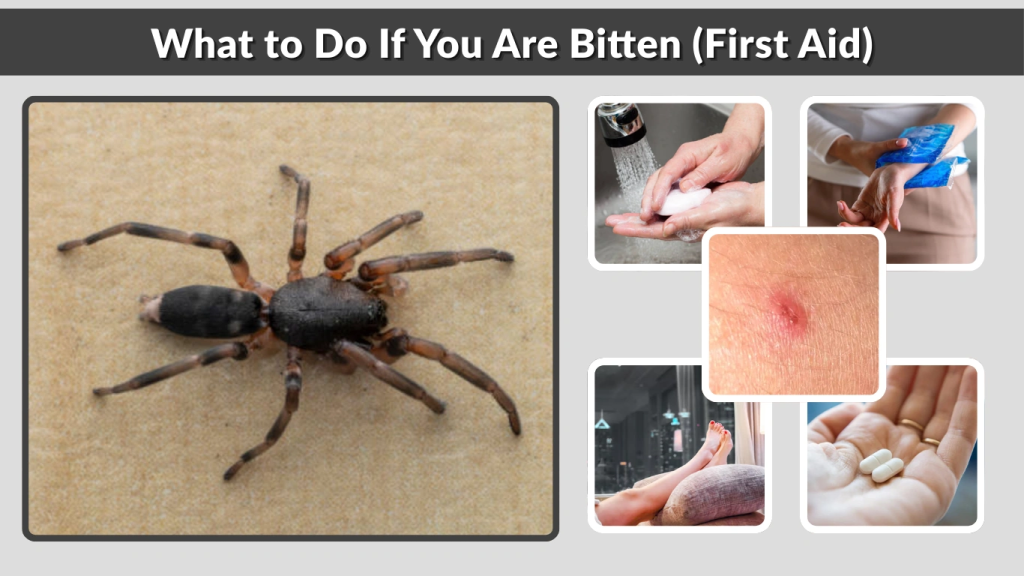
If you believe you have been bitten by a white-tail spider, prompt first aid can help reduce discomfort and prevent complications. Start by gently washing the bite area with soap and clean water to remove any dirt or bacteria. This lowers the risk of infection and soothes irritated skin.
Apply a cold pack or wrapped ice to the bite for 10 to 15 minutes at a time. Cold therapy helps reduce swelling, redness, and pain. If the bite is on an arm or leg, keeping the affected area elevated may also help limit inflammation.
To manage pain or itching, over-the-counter pain relievers such as paracetamol or ibuprofen can be used as directed. Antihistamines may help control itching and allergic-type reactions, while mild hydrocortisone cream can reduce redness and irritation. Avoid scratching the bite, as broken skin increases the risk of infection.
What Not to Do
Do not squeeze, cut, or attempt to drain the bite area. Avoid applying harsh chemicals, herbal pastes, or home remedies that may irritate the skin further. Heat packs and tight bandages are also not recommended, as they can worsen inflammation.
Medical Treatment Options
When to See a Doctor
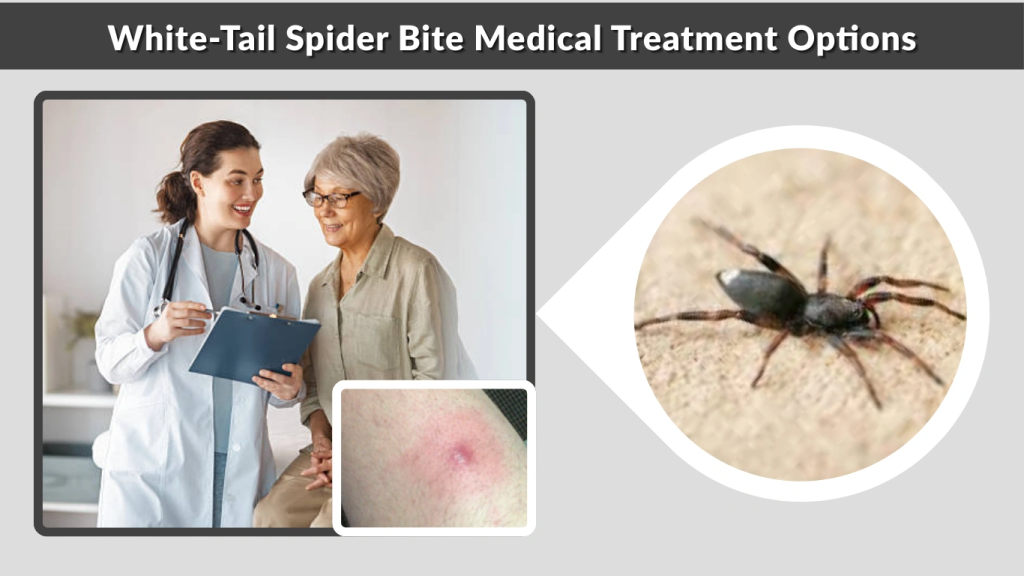
Most white-tail spider bites heal without medical intervention. However, you should seek medical advice if pain or swelling worsens, symptoms last longer than a few days, or signs of infection appear. These signs include increasing redness, warmth, pus, fever, or spreading pain beyond the bite site.
People with weakened immune systems, known allergies to insect venom, or bites on sensitive areas such as the face or neck should also consider medical evaluation.
Clinical Treatments
A doctor may recommend stronger antihistamines, prescription anti-inflammatory medication, or topical treatments to manage symptoms. Antibiotics are only prescribed if a secondary bacterial infection develops; they are not routinely used for spider bites. In rare cases where blistering or ulceration occurs, proper wound care and monitoring may be required to support healing and prevent scarring.
Long-Term Recovery
Most bites resolve within several days to a week. Residual redness or sensitivity may last longer in some individuals but usually fades without lasting effects.
How Long Does a White-Tail Spider Bite Last?
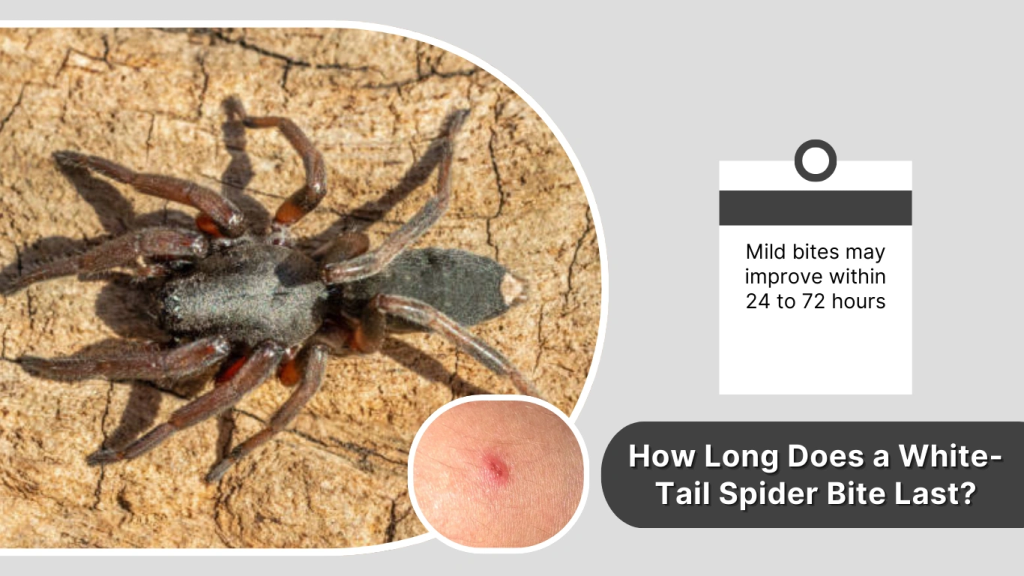
The duration of symptoms from a white-tail spider bite varies depending on individual sensitivity and the severity of the reaction. Mild bites may improve within 24 to 72 hours, while moderate reactions can take up to one to two weeks to fully settle. Blistering or prolonged inflammation may extend the healing period but is uncommon. Maintaining good hygiene and avoiding irritation can help speed recovery.
Prevention: Avoiding White-Tail Spider Bites
Preventing white-tail spider bites largely involves reducing accidental contact. Shake out shoes, clothing, towels, and bedding before use, especially if they have been left undisturbed. Keep wardrobes and storage areas tidy, and reduce clutter where spiders may hide.
Sealing gaps around doors, windows, and walls can limit spiders entering the home. When gardening or handling stored items, wearing gloves provides added protection. In homes with frequent spider sightings, professional pest control may help reduce indoor populations.
FAQ
Are white-tail spider bites dangerous?
Most bites are not dangerous and cause only mild to moderate symptoms.
Can white-tail spider bites cause ulcers?
Current evidence suggests ulcers are rare and usually linked to infection or misdiagnosis.
How do you know if a bite is infected?
Signs include worsening redness, warmth, pus, fever, or increasing pain.
Do white-tail spiders attack humans?
No, bites occur defensively when the spider is trapped or disturbed.