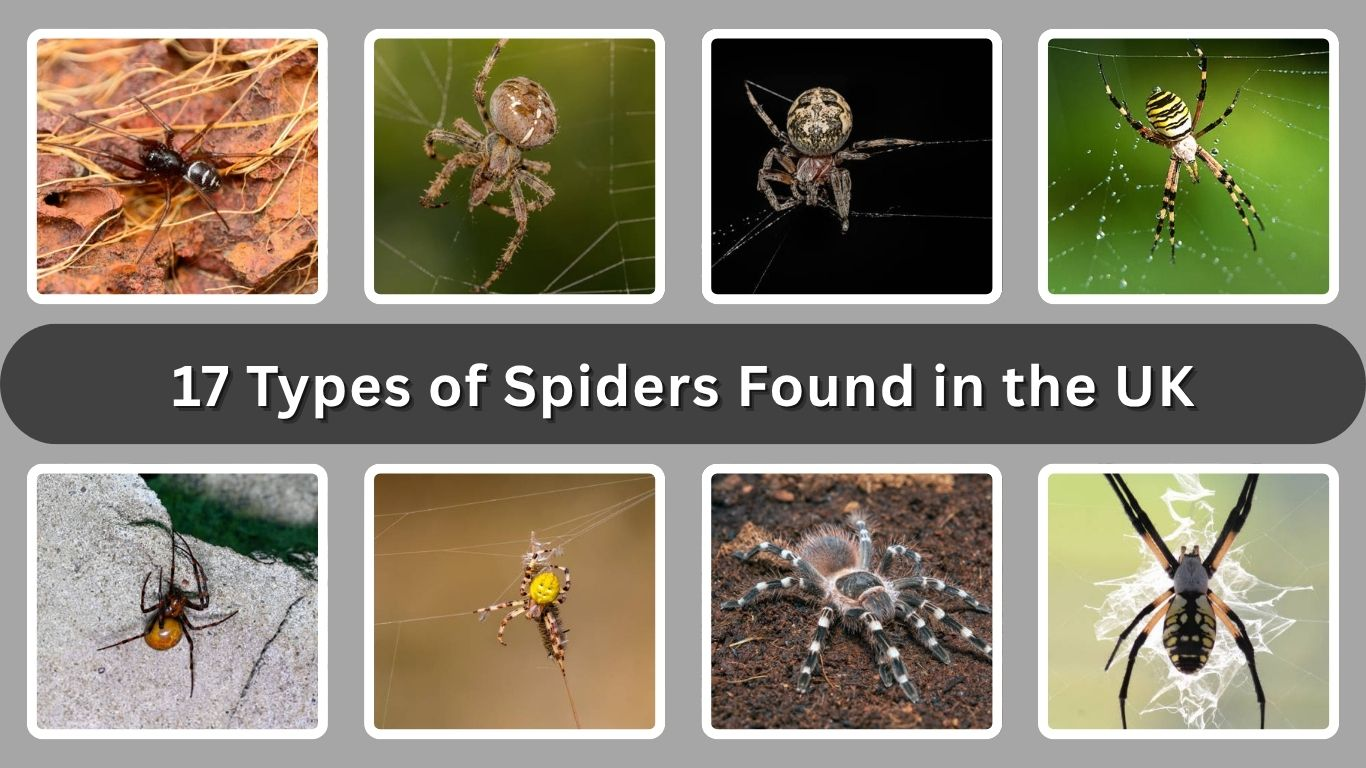
The United Kingdom is home to a wide variety of spider species, ranging from tiny, colourful hunters to large, impressive orb-weavers. Spiders play an essential role in controlling insect populations and maintaining ecological balance, yet many people are unaware of the diversity and fascinating behaviours these creatures exhibit.
1. Giant House Spider
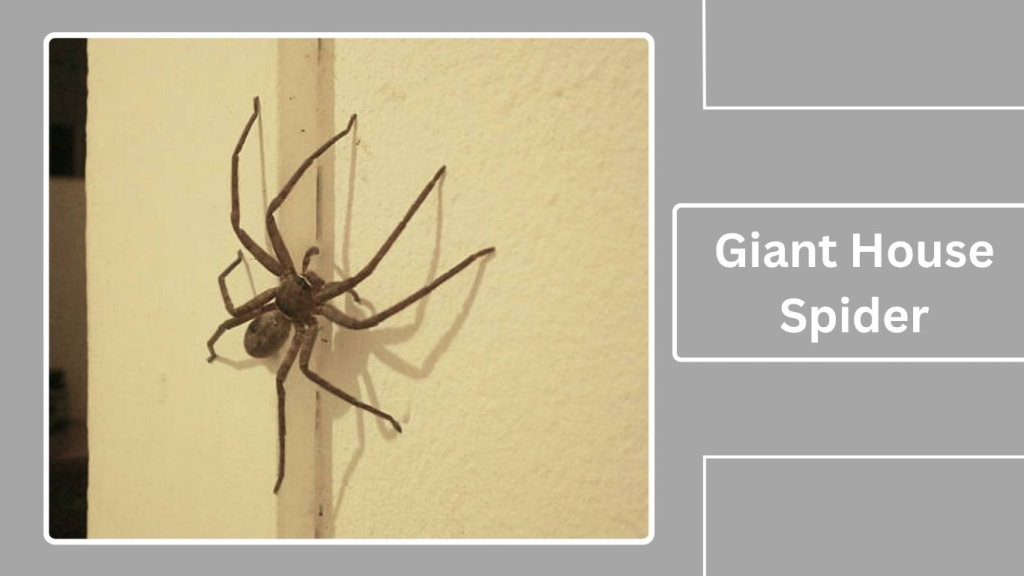
The Giant House Spider is one of the most commonly encountered large spiders in UK homes. Known for its impressive size and fast movement, it is harmless to humans and plays a useful role by controlling household pests.
Identification
- Size: Large body (up to 18 mm) with long legs that can span up to 7.5 cm
- Colour: Brown with lighter markings on the abdomen
- Body Shape: Broad, hairy body with long, sturdy legs
- Web Type: Messy sheet-like webs, often in corners or garages
- Behaviour: Fast runners, especially active in late summer and autumn
Habitat
Giant House Spiders prefer dry, dark spaces such as basements, lofts, sheds, and cluttered corners of homes. Outdoors, they may live under logs, stones, or garden structures but typically come indoors during mating season.
Diet
Their diet mainly consists of insects such as flies, moths, and other small invertebrates. They use their speed and web to catch prey effectively.
Lifecycle & Lifespan
Giant House Spiders have a lifecycle that includes egg, spiderling, and adult stages. Females can live up to 2–3 years, while males usually survive only one mating season. Egg sacs are typically laid in late summer, with spiderlings emerging in autumn or the following spring.
2. Cardinal Spider
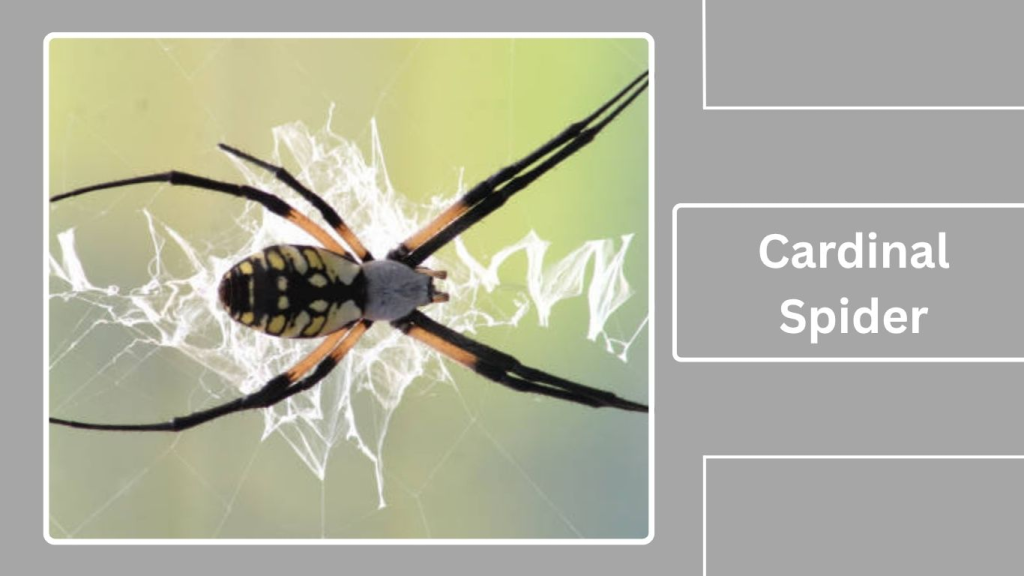
The Cardinal Spider is known as the largest spider commonly found in UK homes, often recognised by its long legs and reddish-brown colour. Despite its intimidating size, it is harmless to humans.
Identification
- Size: Body up to 20 mm, with very long legs
- Colour: Reddish-brown
- Body Shape: Slender body with extended legs
- Web Type: Irregular webs, often built in dark corners
- Behaviour: Fast and shy; rarely seen during the day
Habitat
Cardinal Spiders prefer warm, dry, sheltered places such as old buildings, ceilings, basements, and wall crevices. They are often found in historic structures.
Diet
Their diet includes moths, insects, and smaller spiders which they catch using their speed rather than web traps.
Lifecycle & Lifespan
Cardinal Spiders can live for several years. Females typically live longer and may survive multiple breeding seasons. Eggs are laid in silk sacs, and spiderlings stay protected until they disperse.
3. Lace-webbed Spider
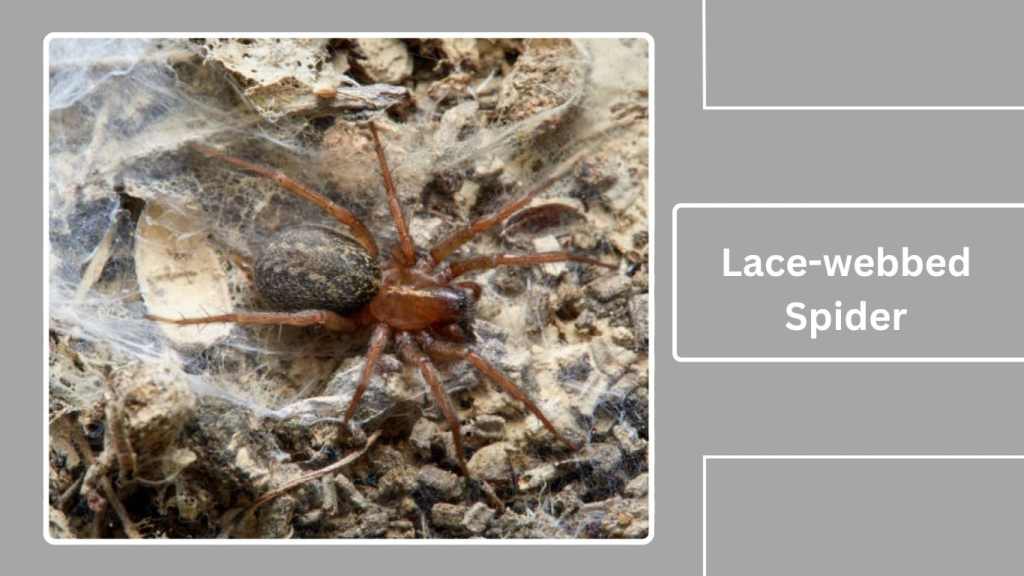
The Lace-webbed Spider is a common UK species known for its distinctive lace-patterned abdomen and funnel-shaped webs. These spiders are often spotted on fences, walls, and garden structures, especially after rain when they sit at the web entrance.
Identification
- Size: Typically 6–12 mm in body length
- Colour: Dark brown to black with pale, lace-like markings on the abdomen
- Body Shape: Compact body with short, strong legs
- Web Type: Funnel or tube-shaped web with a broad, messy outer sheet
- Behaviour: Quick to retreat into the tube section when disturbed; may appear aggressive due to defensive posture
- Distinct Features: Yellowish-brown legs and a patterned abdomen that looks like fine lace
- Bite Notes: Can bite if handled, but the effect is mild—similar to a wasp sting for most people
Habitat
Lace-webbed Spiders thrive in damp, shaded environments such as garden fences, stone walls, sheds, under decking, or cracks in brickwork. Indoors, they may be found near windowsills, basements, or cool corners of older buildings. They often anchor their webs in crevices where they hide and wait for prey.
Diet
Their diet consists of insects like woodlice, beetles, ants, and small flying insects that get caught in their sheet web. They rely on quick strikes from inside the funnel, pulling prey into the tube for feeding.
Lifecycle & Lifespan
The lifecycle includes egg, spiderling, and adult stages. Females lay several egg sacs during warm months, typically attached inside their tube webs. Spiderlings disperse shortly after hatching. Adults live for 1–2 years, with females generally surviving longer. Peak activity occurs from spring to autumn, though they can be seen year-round in sheltered areas.
4. Zebra Spider
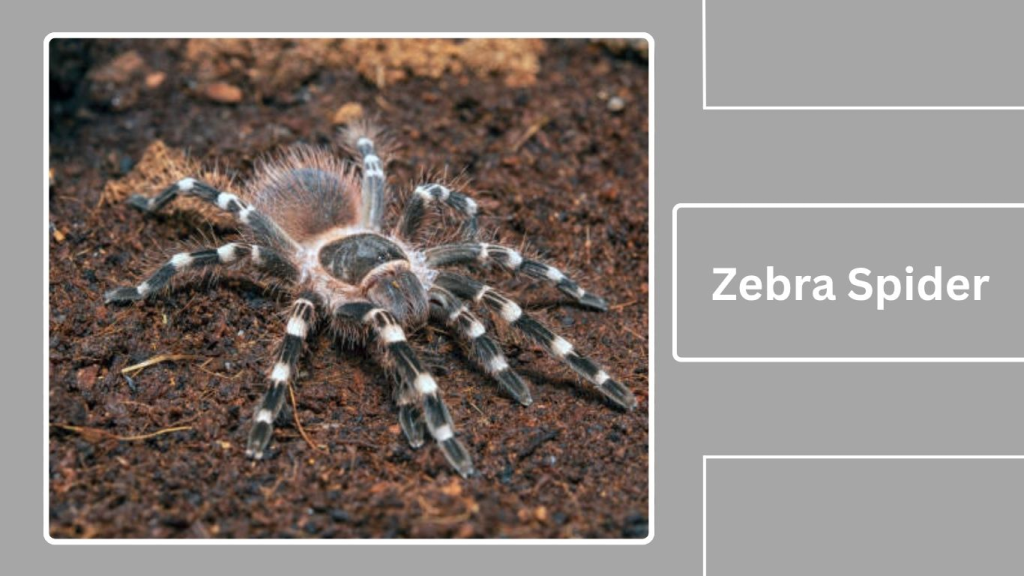
The Zebra Spider is one of the most recognisable jumping spiders in the UK, known for its striking black-and-white stripes and energetic, jerky movements. Despite being tiny, it has excellent eyesight and an active hunting style.
Identification
- Size: Very small—typically 5–7 mm
- Colour: Black with bold white stripes resembling a zebra pattern
- Body Shape: Compact, rounded body with short legs
- Eye Arrangement: Large forward-facing eyes that give excellent vision
- Behaviour: Actively hunts by stalking and leaping onto prey
- Web Use: Does not spin webs for catching prey; only uses silk for safety lines
Habitat
Zebra Spiders prefer sunny locations and are often found on garden walls, fence posts, window ledges, brickwork, and outdoor furniture. Indoors, they may appear near windows or ceilings where insects gather. They enjoy warm surfaces like stones or walls that receive direct sunlight.
Diet
They feed on small insects such as flies, midges, aphids, and other tiny invertebrates. Instead of trapping prey, they use their excellent vision to locate targets, then leap with precision, using a silk tether for safety.
Lifecycle & Lifespan
Females lay several egg sacs during warm months, often hidden in small crevices. Spiderlings hatch and disperse shortly afterward. Zebra Spiders typically live for 1–2 years. Males usually die after mating season, while females may survive through multiple breeding cycles.
5. Walnut Orb-weaver
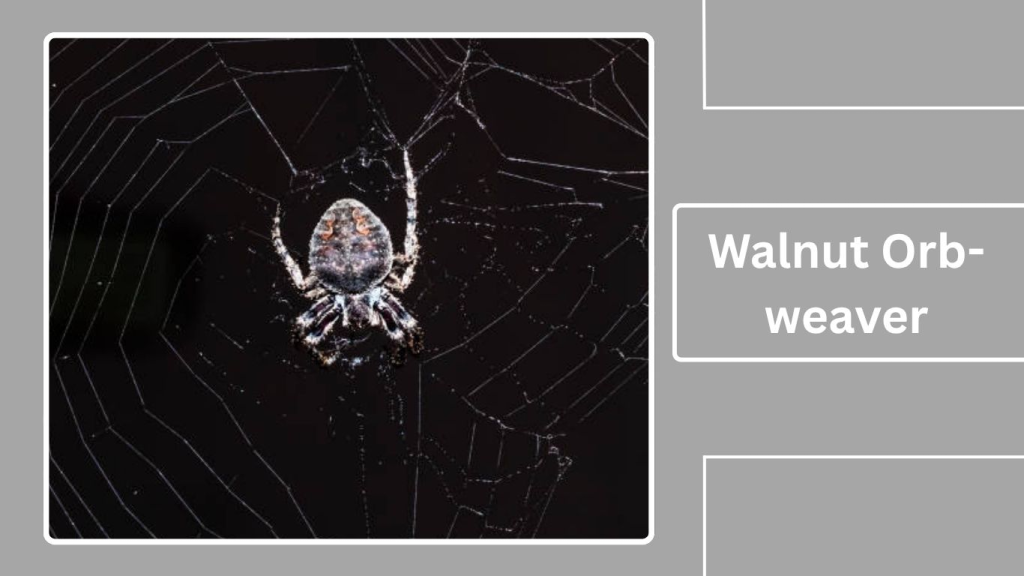
The Walnut Orb-weaver is a rounded, colourful UK spider known for its distinctive walnut-shaped abdomen. It is commonly seen in gardens during late summer and autumn, often resting quietly during the day and becoming active at night.
Identification
- Size: Females 9–13 mm; males smaller at 5–8 mm
- Colour: Red-brown, orange, or buff with intricate leaf-like patterns
- Body Shape: Very rounded abdomen resembling a walnut shell
- Web Type: Classic orb-shaped web, usually built at night
- Behaviour: Remains hidden during the day; sits in the web or nearby vegetation at night
- Distinct Features: Dappled markings that blend well with tree bark and leaves
Habitat
Walnut Orb-weavers are typically found in gardens, woodlands, hedgerows, and around buildings. They prefer leafy areas and often build their webs among shrubs, climbing plants, garden trees, and even outdoor lights where insects gather. During daytime, they may hide under leaves or in bark crevices to avoid predators.
Diet
Their diet includes flying insects such as moths, midges, mosquitoes, and small beetles that get caught in their orb web. They wait for vibrations on the web strands, then rush out to subdue and wrap their prey.
Lifecycle & Lifespan
Females lay their eggs in silk cocoons attached to vegetation in late summer or early autumn. Spiderlings hatch the following spring, dispersing by ballooning. Adults are most commonly seen from July to October. The typical lifespan is around 1 year, though some females may survive slightly longer depending on climate and shelter.
6. Cross Spider
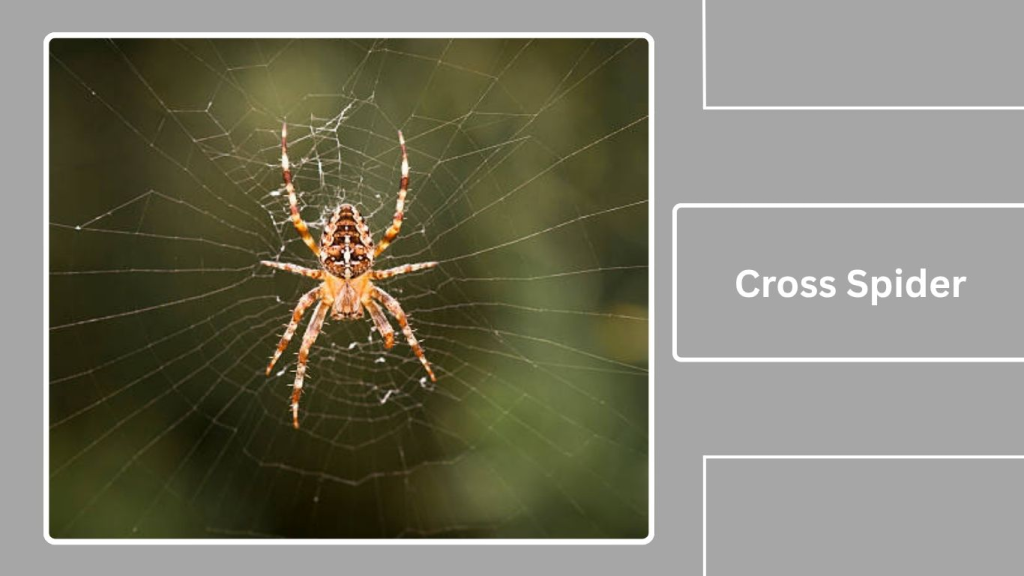
The Cross Spider, also known as the Garden Spider, is one of the most familiar orb-weaving spiders in the UK. It is easily recognised by the white cross-shaped marking on its abdomen and is often seen in gardens during late summer and autumn.
Identification
- Size: Females 10–18 mm; males smaller at 6–11 mm
- Colour: Ranges from pale yellow to dark brown with a clear white cross on the abdomen
- Body Shape: Rounded abdomen with banded legs
- Web Type: Large, symmetrical orb webs often built across paths, shrubs, and garden corners
- Behaviour: Sits in the centre of the web or hides nearby with a signal line
- Distinct Features: White cross-like pattern made of several pale spots
Habitat
Cross Spiders thrive in gardens, hedgerows, woodlands, parks, and areas with plenty of vegetation. They prefer sunny locations where flying insects are abundant. Webs are often built between branches, tall grass, fences, sheds, and even around outdoor lights. During cooler weather, they may hide during the day and return to the web at dusk.
Diet
Their diet mainly consists of flies, wasps, beetles, mosquitoes, moths, and other flying insects. The spider detects prey through vibrations in its web, rushes to immobilise it with silk, and then delivers a venomous bite before feeding.
Lifecycle & Lifespan
Cross Spiders have a one-year lifecycle. Eggs are laid in autumn inside a silk egg sac attached to vegetation or sheltered surfaces. Spiderlings hatch in spring, forming small groups on a web before dispersing. Adults appear in midsummer, with females living until the first frosts. Males usually die shortly after mating.
7. Nursery Web Spider
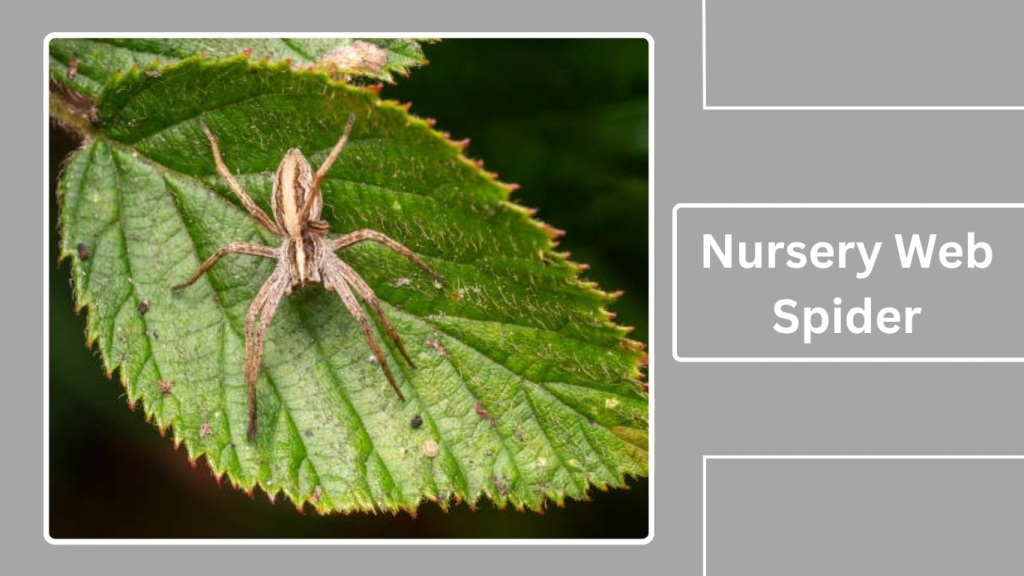
The Nursery Web Spider is a large, long-legged UK species often found in tall grass and vegetation. It is well known for the female’s protective behaviour, carrying her egg sac and later guarding the nursery web where the spiderlings develop.
Identification
- Size: Females up to 15 mm; males slightly smaller
- Colour: Light brown to grey-brown with a darker stripe running down the body
- Body Shape: Slim body with very long legs
- Web Type: Does not use a web for hunting; builds a special “nursery web” only for young
- Behaviour: Hunts by running and pouncing rather than spinning webs
- Distinct Features: Female carries a round white egg sac in her jaws until ready to build the nursery web
Habitat
Nursery Web Spiders prefer grassy meadows, gardens, hedgerows, wetlands, and woodland edges. They are often found on tall plants, shrubs, reeds, and nettles. They favour warm, sunny areas with dense vegetation where they can hunt and hide easily.
Diet
They feed on a variety of insects, including flies, moths, small beetles, and other invertebrates. As active hunters, they rely on speed and agility to capture prey instead of using webs.
Lifecycle & Lifespan
The female lays eggs in early summer and carries the egg sac until she constructs a tent-like nursery web among tall grass or leaves. After hatching inside the web, spiderlings remain protected until they are ready to disperse. Adults typically live for about one year. Males die soon after mating, while females may survive slightly longer during breeding season.
8. Wasp Spider
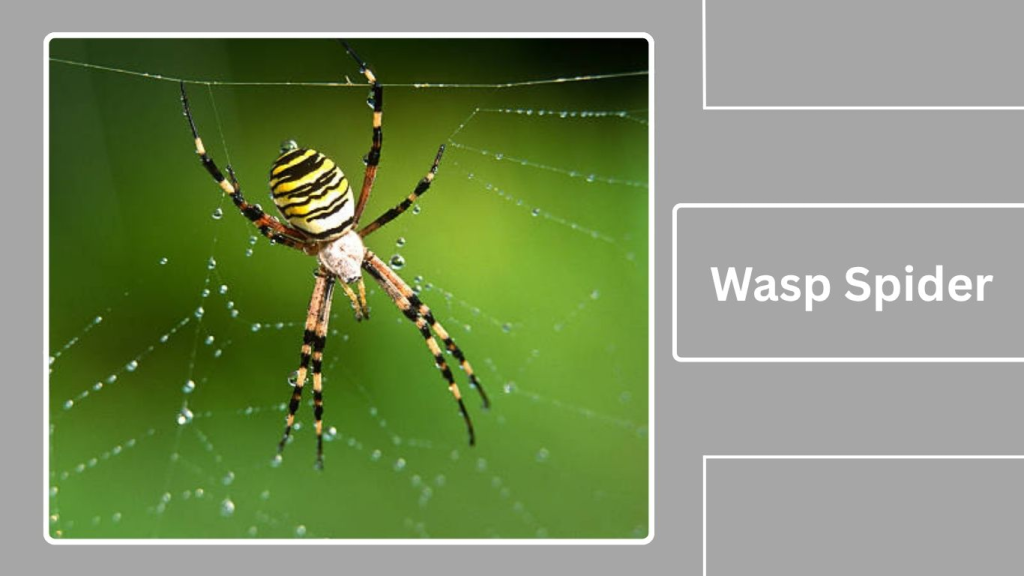
The Wasp Spider is one of the most striking spiders in the UK, instantly recognisable for its bold yellow, black, and white striped abdomen that resembles a wasp. Despite its alarming appearance, it is harmless to humans and primarily found in grasslands.
Identification
- Size: Females 14–17 mm; males much smaller at around 4–6 mm
- Colour: Bright yellow, black, and white stripes on the abdomen
- Body Shape: Rounded abdomen with long, banded legs
- Web Type: Orb web with a distinct zig-zag band (stabilimentum) in the centre
- Behaviour: Sits head-down in the web waiting for prey
- Distinct Features: Strong resemblance to wasp colouring for predator deterrence
Habitat
Wasp Spiders prefer sunny, open grasslands, meadows, heaths, and field edges. They are often found in tall grasses where they build their webs close to the ground. In recent years, the species has been expanding northward across the UK due to warmer climates. They avoid shaded woodlands and prefer warm microhabitats.
Diet
Their diet includes grasshoppers, crickets, flies, bees, and other flying insects. They are especially known for capturing grasshoppers. After trapping prey, the spider rapidly immobilises it with dense layers of silk before feeding.
Lifecycle & Lifespan
Females lay large, papery egg sacs in late summer, which are attached to vegetation near the ground. Spiderlings overwinter inside the sac and emerge the following spring. Adults are typically seen from July to September. Males live only long enough to mate, while females usually die shortly after producing their egg sacs.
9. Four-spot Orb-weaver
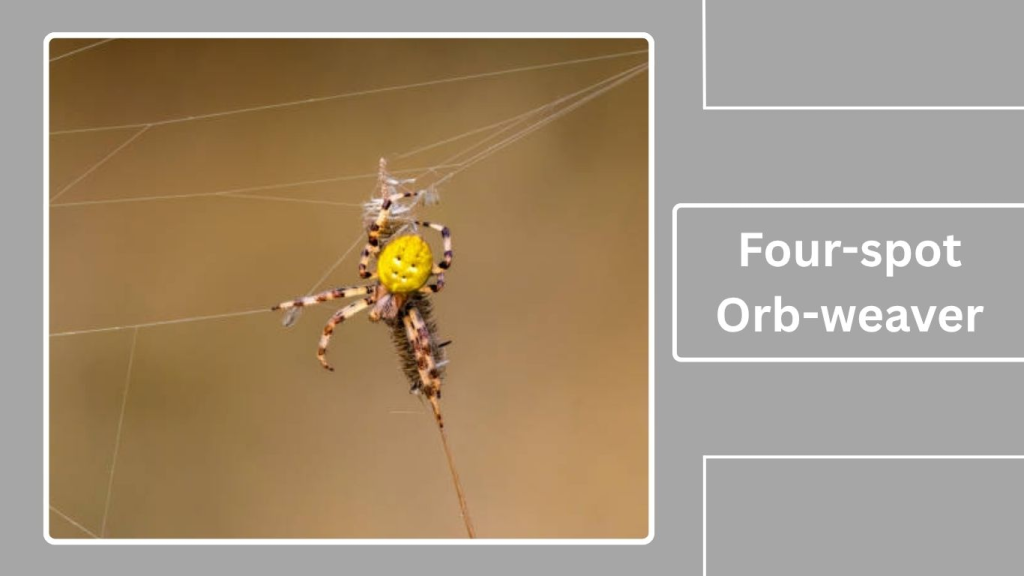
The Four-spot Orb-weaver is a colourful and rounded UK spider well known for having four pale spots on its abdomen. It is often spotted in late summer and autumn, especially in gardens and heathlands, where females can grow impressively large.
Identification
- Size: Females 10–17 mm; males smaller at 5–8 mm
- Colour: Highly variable—yellow, orange, brown, green, red, or even almost black
- Body Shape: Very rounded abdomen with four clear white or pale spots
- Web Type: Large orb-shaped webs usually built among tall plants
- Behaviour: Often hides in a curled leaf retreat connected to the web by a signal thread
- Distinct Features: One of the UK’s heaviest spiders; colour variations can be dramatic
Habitat
Four-spot Orb-weavers prefer open habitats such as gardens, heaths, grasslands, meadows, and coastal dunes. They are commonly found on tall vegetation, shrubs, and wildflowers where they construct their orb webs. Females often create a leaf retreat nearby to hide during the day, while males roam to find mates.
Diet
They feed on flying insects including flies, wasps, bees, moths, and midges. Their strong orb web traps prey efficiently, and the spider quickly immobilises its catch using dense silk before feeding.
Lifecycle & Lifespan
Egg sacs are created in autumn and attached to vegetation, often in well-hidden spots. Spiderlings hatch the following spring and disperse by ballooning. Adults are typically seen from July to October. Like most orb-weavers, the Four-spot Orb-weaver has a one-year lifecycle, with females living slightly longer if the weather remains mild.
10. Missing-sector Orb-weaver
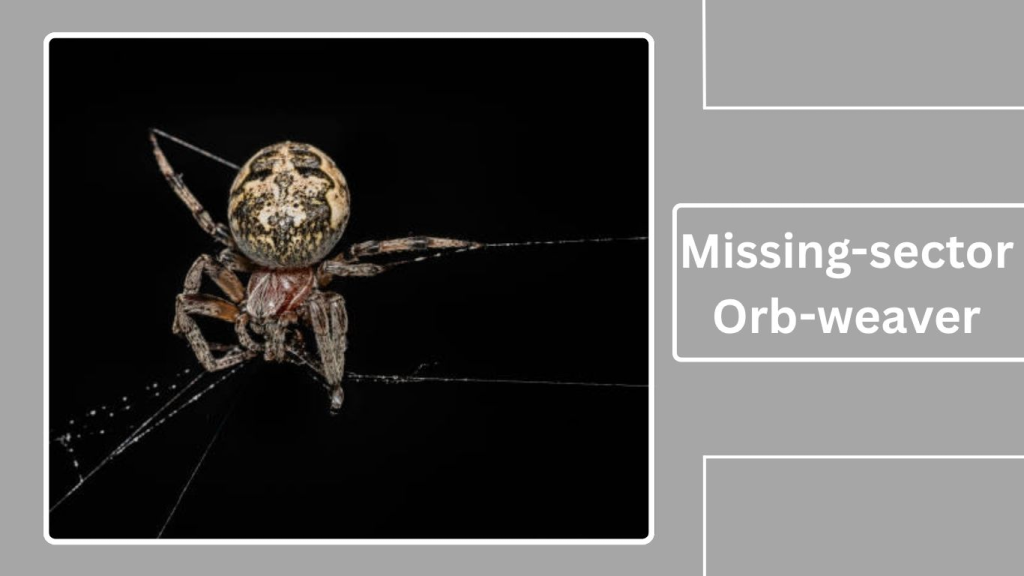
The Missing-sector Orb-weaver is a distinctive UK spider named for the characteristic “gap” or missing sector in its orb web. It is usually found in gardens and hedgerows during late summer and autumn.
Identification
- Size: Females 10–12 mm; males smaller at 5–7 mm
- Colour: Orange-brown to yellow with darker markings on the abdomen
- Body Shape: Rounded body with banded legs
- Web Type: Orb-shaped web with a noticeable missing sector, often reinforced with a signal thread
- Behaviour: Sits near the web edge or in nearby vegetation, waiting for prey
- Distinct Features: Missing sector of the web allows quick access to retreat and escape predators
Habitat
Missing-sector Orb-weavers prefer gardens, hedgerows, and woodland edges. They are often found among shrubs, tall grasses, and climbing plants. Their webs are usually built low, close to ground-level vegetation, where insect traffic is high.
Diet
Their diet mainly consists of flies, small moths, midges, and other flying insects. Prey caught in the web are immobilised quickly with silk before feeding.
Lifecycle & Lifespan
Egg sacs are laid in late summer and attached to nearby plants or hidden within vegetation. Spiderlings emerge in spring and disperse by ballooning. Adults are most commonly observed from August to October, with a typical lifespan of about one year. Females generally outlive males, especially during the breeding season.
11. Cave Spider
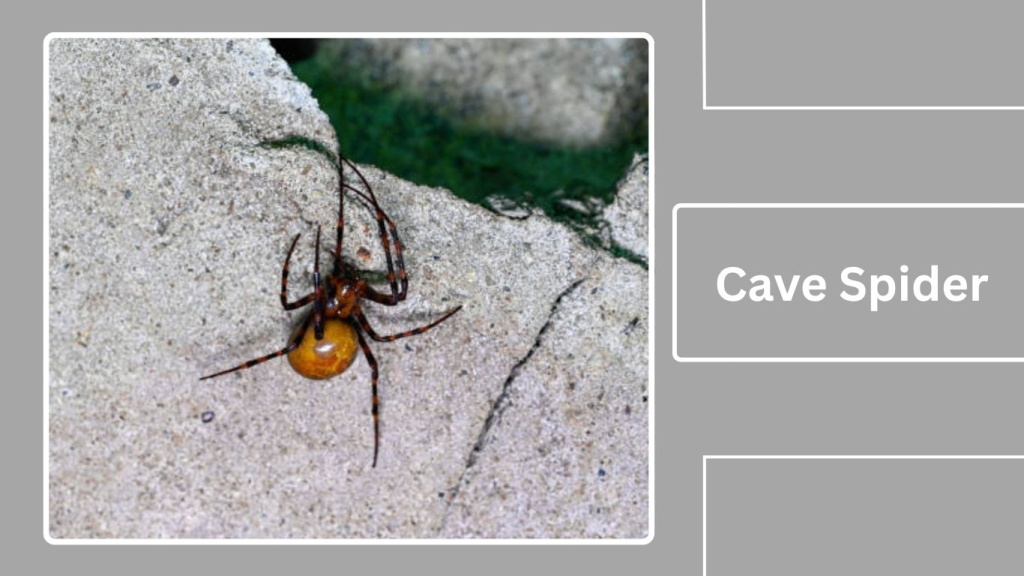
The Cave Spider is a relatively rare UK spider that prefers dark, sheltered habitats such as caves, cellars, and tunnels. It is known for its long legs and pale, almost translucent body, adapted for life in low-light environments.
Identification
- Size: Females 10–15 mm; males smaller at 8–12 mm
- Colour: Pale yellowish-brown to grey, often almost translucent
- Body Shape: Slender body with very long, spindly legs
- Web Type: Irregular, messy cobwebs in dark corners
- Behaviour: Slow-moving; relies on ambush hunting rather than web traps
- Distinct Features: Long legs relative to body size, adapted for climbing uneven surfaces
Habitat
Cave Spiders are typically found in caves, cellars, tunnels, abandoned mines, and deep wall crevices. They prefer damp, dark areas with stable temperatures and minimal light. Outdoors, they may inhabit rock crevices or dense vegetation.
Diet
Their diet includes small insects, other spiders, and invertebrates that venture into their webs or hiding spots. They rely on stealth rather than speed to capture prey.
Lifecycle & Lifespan
Females lay eggs in silken sacs attached to hidden surfaces. Spiderlings hatch and remain in sheltered areas before dispersing. Cave Spiders can live for 1–2 years, with females generally outliving males. Adult activity is mostly nocturnal, with minimal movement during the day.
12. Spitting Spider
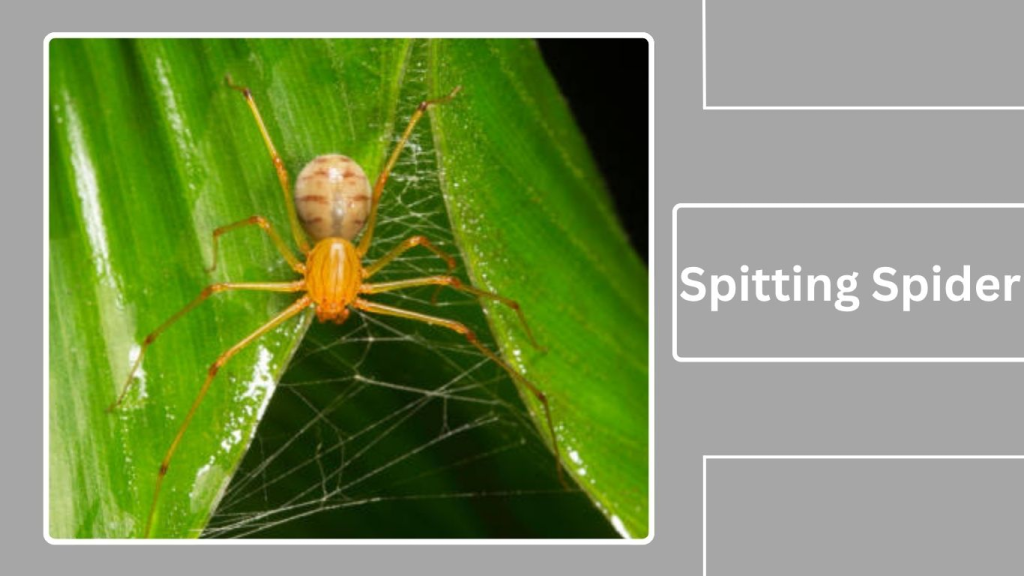
The Spitting Spider is a small but fascinating UK species known for its unique hunting method: it spits a sticky, venomous silk to immobilise prey. It is harmless to humans and often goes unnoticed due to its tiny size and cryptic colouring.
Identification
- Size: 3–5 mm in body length
- Colour: Light brown to yellowish with darker markings
- Body Shape: Slender, elongated body with short legs relative to body length
- Web Type: Minimal web; usually hides under leaves, bark, or stones
- Behaviour: Uses a rapid spitting action to trap prey from a short distance
- Distinct Features: Hunting technique—can immobilise insects within milliseconds by spitting sticky silk mixed with venom
Habitat
Spitting Spiders are found in leaf litter, under bark, among garden debris, in grass, or in crevices of walls. They prefer sheltered, humid microhabitats where insects are abundant.
Diet
Their diet consists mainly of small insects and other tiny invertebrates. The spider approaches its prey, then spits a sticky, venomous silk mixture to immobilise it before feeding.
Lifecycle & Lifespan
Females lay eggs in small silk sacs hidden under debris. Spiderlings hatch and disperse shortly afterward. Adults live for roughly 1 year, with activity peaking in warmer months. They are secretive and primarily nocturnal hunters.
13. Tube Web Spider
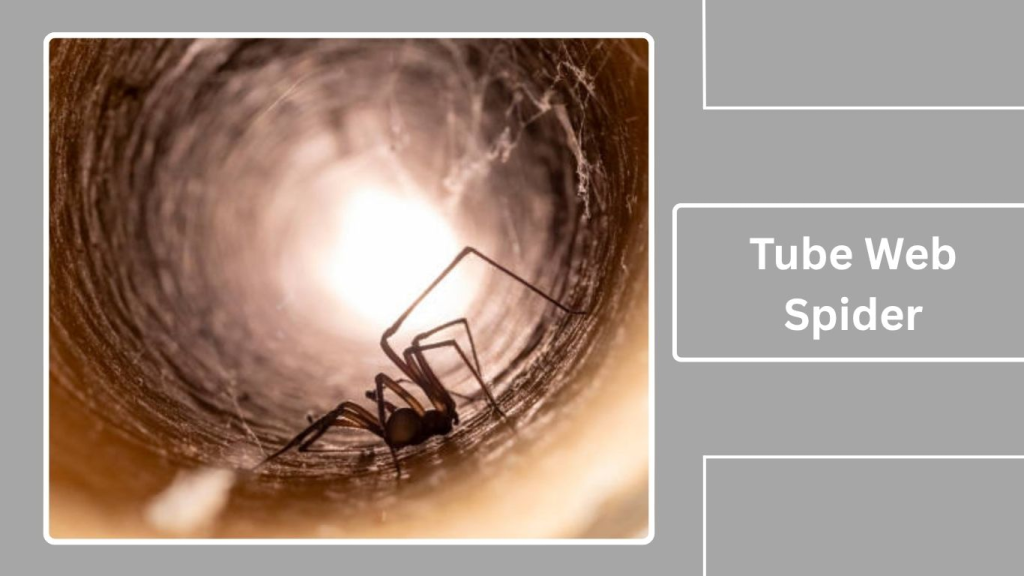
The Tube Web Spider is a medium-sized UK species that constructs tubular webs to hide and ambush prey. It is often found in sheltered, damp environments and is harmless to humans.
Identification
- Size: Females 8–12 mm; males smaller at 6–9 mm
- Colour: Dark brown to reddish-brown with a slightly shiny abdomen
- Body Shape: Slender body with strong front legs adapted for grasping prey
- Web Type: Tubular or funnel-shaped silk retreat extending into crevices
- Behaviour: Ambush predator; waits inside the tube for prey to approach
- Distinct Features: Retreat tube often concealed under rocks, bark, or garden debris
Habitat
Tube Web Spiders prefer damp, sheltered locations such as under logs, stones, leaf litter, sheds, cellars, and wall crevices. They are commonly found in gardens, woodlands, and along riverbanks.
Diet
They feed on small insects, spiders, and other invertebrates that wander close to their tube. The spider lunges from the tube entrance to catch prey, quickly immobilising it with venom and silk.
Lifecycle & Lifespan
Females lay eggs inside the tube, protecting them until they hatch. Spiderlings remain in the tube for a short period before dispersing. Adults typically live for 1–2 years, with females generally surviving longer. The species is most active from spring to autumn.
14. False Widow Spider
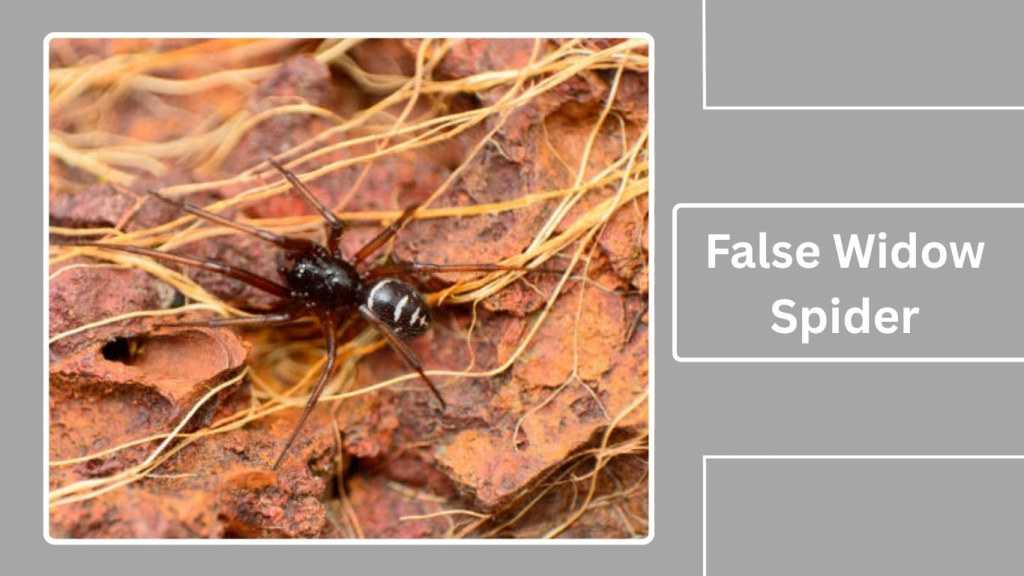
The False Widow Spider is one of the most notorious UK spiders due to its resemblance to the venomous black widow. While its bite can be painful, it is rarely dangerous to humans. It is a resilient species that has adapted well to urban environments.
Identification
- Size: Females 8–14 mm; males smaller at 5–8 mm
- Colour: Glossy dark brown to black with cream or pale markings on the abdomen
- Body Shape: Rounded, bulbous abdomen with relatively short legs
- Web Type: Irregular, tangled cobwebs in corners and crevices
- Behaviour: Typically shy; retreats when disturbed
- Distinct Features: Shiny, bulbous abdomen; males often have longer legs relative to body size
Habitat
False Widow Spiders are commonly found in buildings, sheds, garages, lofts, and wall crevices. Outdoors, they inhabit rock crevices, walls, and gardens. They prefer dark, undisturbed locations, making urban environments ideal.
Diet
Their diet consists of flies, beetles, moths, and other small invertebrates caught in their tangled webs. They immobilise prey with venom before feeding.
Lifecycle & Lifespan
Females lay egg sacs containing dozens of eggs in the web. Spiderlings hatch in spring and disperse. Adults are active year-round indoors, with peak outdoor activity in late summer and autumn. Females can live up to 2–3 years, while males usually die shortly after mating.
15. Cucumber Green Spider
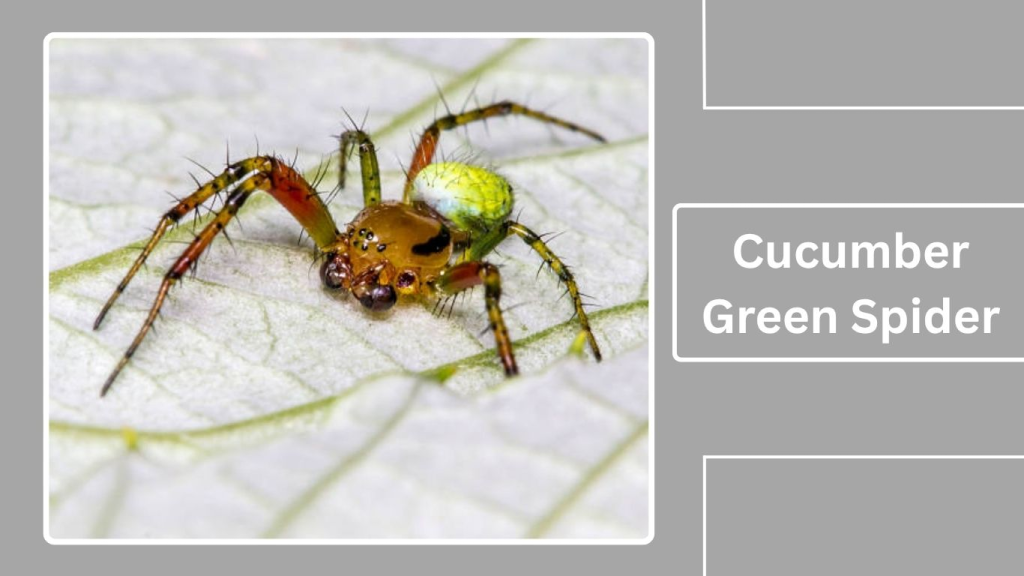
The Cucumber Green Spider is a small, bright green UK spider known for its excellent camouflage among leaves. Its colour helps it ambush prey effectively, and it is often found in gardens and hedgerows.
Identification
- Size: Females 6–9 mm; males smaller at 4–6 mm
- Colour: Bright green, sometimes with faint yellow or white markings
- Body Shape: Rounded body with short legs relative to size
- Web Type: Small, irregular web built among leaves or on vegetation
- Behaviour: Ambush predator; relies on camouflage to capture prey
- Distinct Features: Bright green colour blends seamlessly with foliage
Habitat
Cucumber Green Spiders are commonly found in gardens, hedgerows, shrubs, bushes, and low vegetation. They prefer sunny or partially shaded areas where insects are abundant. Their colour allows them to remain almost invisible on leaves.
Diet
Their diet consists of small insects such as flies, aphids, and tiny moths. They rely on stealth and patience, waiting motionless until prey comes within reach before striking.
Lifecycle & Lifespan
Females lay eggs inside a silk sac hidden among foliage. Spiderlings hatch and disperse shortly afterward. Adults are typically active from spring to autumn. The lifespan is usually 1 year, with females sometimes surviving slightly longer during the breeding season.
16. Woodlouse Spider
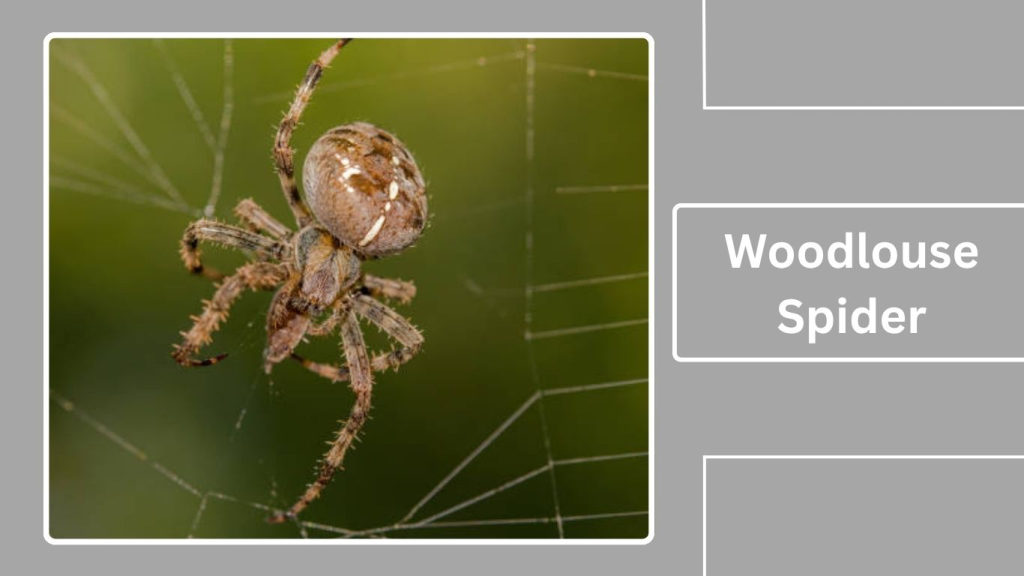
The Woodlouse Spider is a distinctive UK species that specialises in hunting woodlice. It is recognisable by its striking red and black coloration and robust, powerful jaws used to pierce the tough exoskeleton of its prey.
Identification
- Size: Females 10–15 mm; males slightly smaller
- Colour: Bright red cephalothorax and legs, black abdomen
- Body Shape: Compact, muscular body with strong front legs
- Web Type: Minimal web; primarily a ground-dwelling hunter
- Behaviour: Active hunter; searches under stones, logs, and leaf litter for woodlice
- Distinct Features: Powerful chelicerae (jaws) adapted for piercing woodlice
Habitat
Woodlouse Spiders are usually found under stones, logs, leaf litter, garden debris, and in compost heaps. They prefer damp, sheltered environments where woodlice are abundant.
Diet
Their diet consists almost entirely of woodlice, which they hunt at night. They bite and inject venom to immobilise the prey, then consume it slowly.
Lifecycle & Lifespan
Females lay eggs in a silk sac hidden under debris. Spiderlings hatch and gradually disperse. Adults are typically active from spring to autumn. The species has a lifespan of about 1–2 years, with females generally living longer than males.
17. Jumping Spider
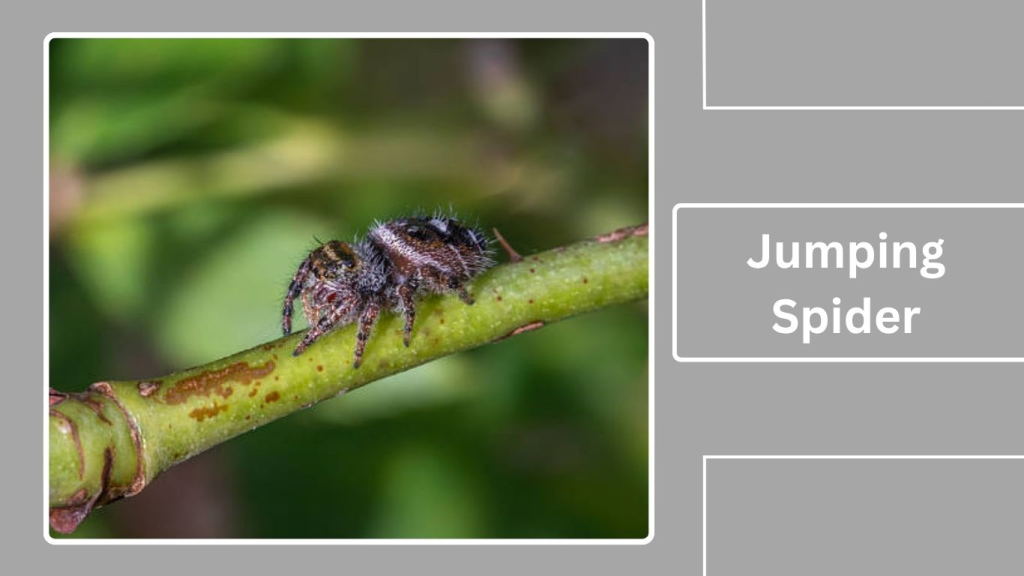
The Jumping Spider is a small, agile UK spider known for its excellent eyesight, bold movements, and characteristic jumping hunting technique. It does not build webs to catch prey but uses silk only for safety lines and nesting.
Identification
- Size: 3–7 mm in body length
- Colour: Varies widely—often black or brown with white, orange, or iridescent markings
- Body Shape: Compact, stout body with short, strong legs
- Eye Arrangement: Large forward-facing eyes giving excellent vision
- Behaviour: Active hunter; stalks and leaps on prey with precision
- Distinct Features: Ability to jump many times its body length; curious and often observes humans