
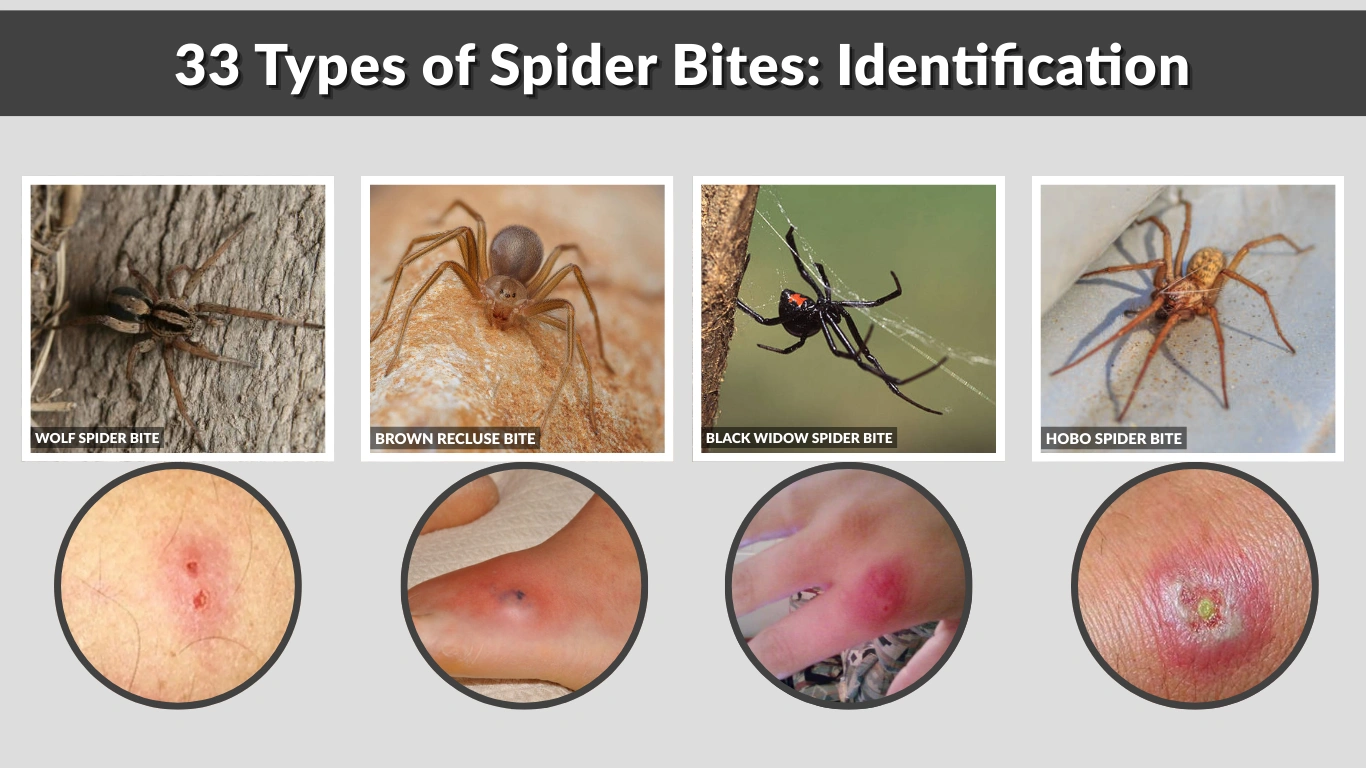
Spider bites vary widely in appearance, severity, and health impact depending on the species involved. While many spider bites cause only mild, short-term irritation, some can lead to serious symptoms requiring medical attention. Understanding how different spider bites look, the level of danger they pose, and the symptoms they produce can help with early identification and proper response. This guide covers 33 types of spider bites, explaining their key characteristics, risk levels, symptoms, and recommended treatments in a clear and easy-to-understand way.
1. Black Widow Spider Bite
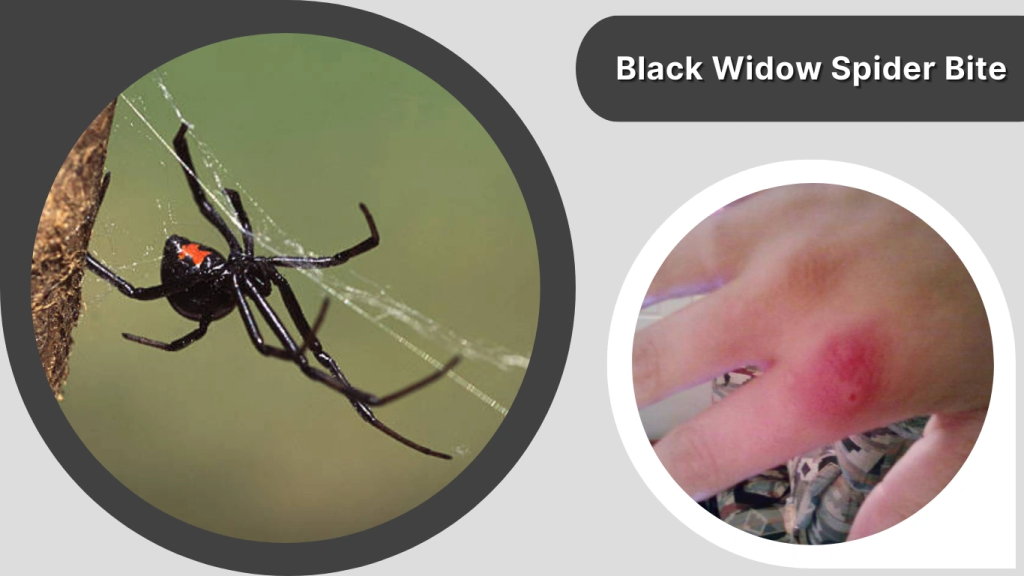
The black widow spider bite is one of the most well-known spider bites due to its potent venom and distinctive symptoms. Although bites are relatively rare and usually defensive, they can cause significant discomfort and require medical attention in some cases, especially for vulnerable individuals.
Bite Identification
- Small puncture marks, often two close together
- Mild redness and swelling at the bite site
- Pain that increases over time rather than immediately
- Possible muscle cramping spreading from the bite area
Danger Level
Black widow spider bites are medically significant but rarely fatal. The venom affects the nervous system and can cause intense pain. Children, older adults, and people with weakened immune systems face higher risk of complications.
Symptoms
Symptoms usually appear within 30 minutes to a few hours. Common effects include severe muscle cramps, abdominal pain, sweating, nausea, headache, and elevated blood pressure. Pain may last from several hours to a few days.
Treatment
Most bites are treated with pain management, muscle relaxants, and rest. Applying ice to the bite area can help reduce pain and swelling. In severe cases, antivenom may be administered under medical supervision. Always seek medical care if symptoms worsen.
2. Brown Recluse Spider Bite
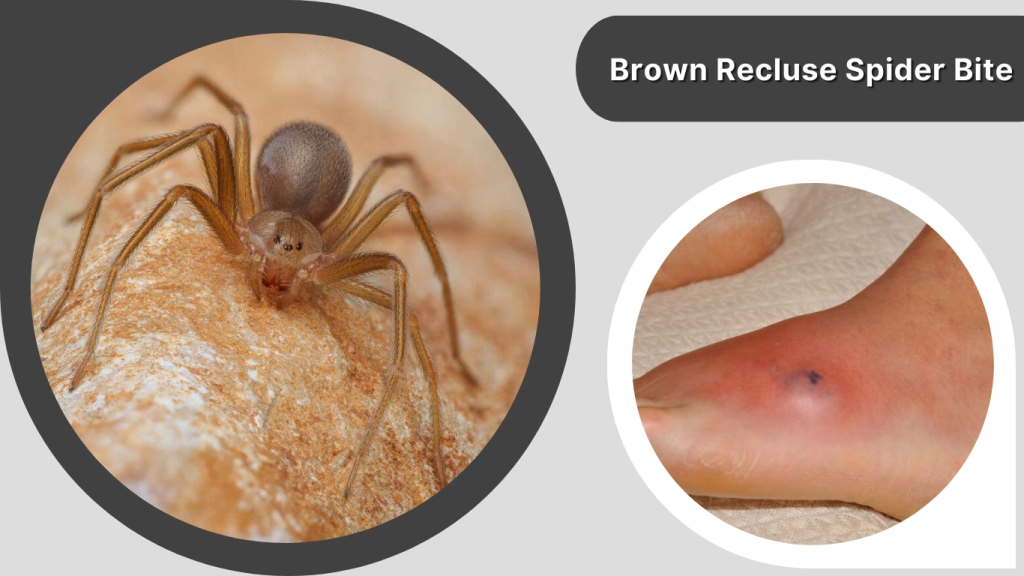
The brown recluse spider bite is considered one of the most serious spider bites due to its tissue-damaging venom. These spiders are shy and usually bite only when trapped against the skin. While many bites remain mild, some can lead to severe skin injury if not treated properly.
Bite Identification
- Mild stinging or burning sensation at first
- Reddened skin with a pale or bluish center
- Development of a blister within hours
- Possible ulcer or open wound after 1–2 days
Danger Level
Brown recluse bites are potentially dangerous because the venom can destroy skin tissue. Severe reactions are uncommon but can lead to necrosis. Children, elderly individuals, and people with chronic illnesses are at higher risk for complications.
Symptoms
Symptoms may begin mildly but worsen over time. Common signs include increasing pain, itching, fever, chills, nausea, fatigue, and muscle aches. In severe cases, the bite may develop into a deep, slow-healing wound that can leave permanent scarring.
Treatment
Immediate care includes cleaning the bite area with soap and water and applying a cold compress. Medical treatment may involve antibiotics for secondary infection, pain relief, and wound care. Severe cases may require surgical treatment or specialist care. Early medical evaluation is strongly recommended.
3. Wolf Spider Bite
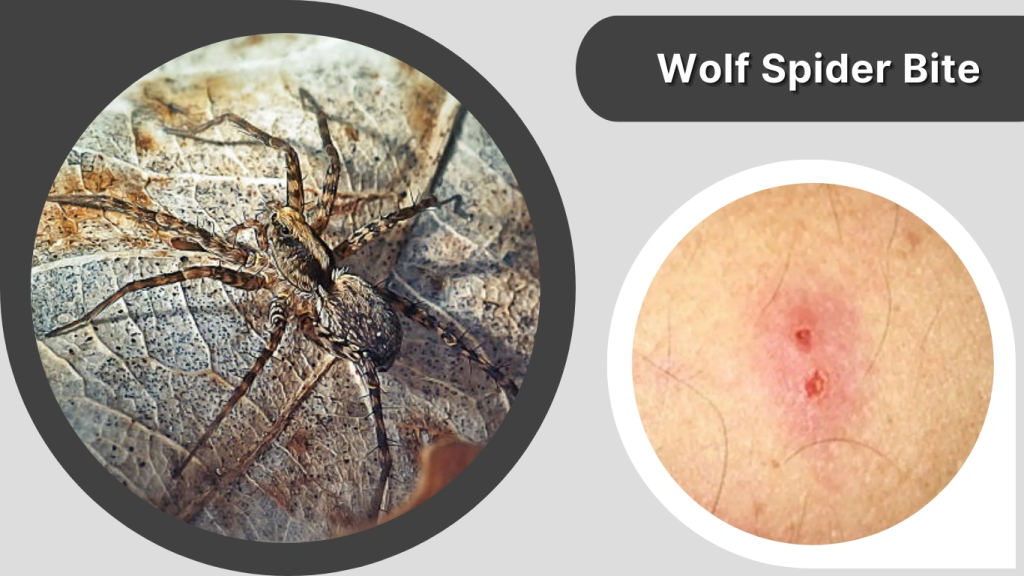
Wolf spider bites are often alarming due to the spider’s size, but they are generally less dangerous than many people believe. These spiders do not have potent venom and rarely cause serious medical issues. Bites usually occur when the spider feels threatened.
Bite Identification
- Immediate sharp pain similar to a bee sting
- Redness and mild swelling around the bite
- Single puncture mark visible
- Localized tenderness lasting a few days
Danger Level
Wolf spider bites are low risk for most individuals. They are not considered medically dangerous, and serious reactions are extremely rare. However, allergic reactions or infections can increase risk if untreated.
Symptoms
Symptoms are typically mild and short-lived. They may include localized pain, itching, swelling, and warmth at the bite site. In rare cases, headache, dizziness, or nausea may occur, especially in sensitive individuals.
Treatment
Treatment focuses on basic first aid. Clean the area thoroughly, apply a cold pack to reduce swelling, and use over-the-counter pain relievers if needed. Antihistamines may help with itching. Seek medical attention if signs of infection or allergic reaction appear.
4. Hobo Spider Bite
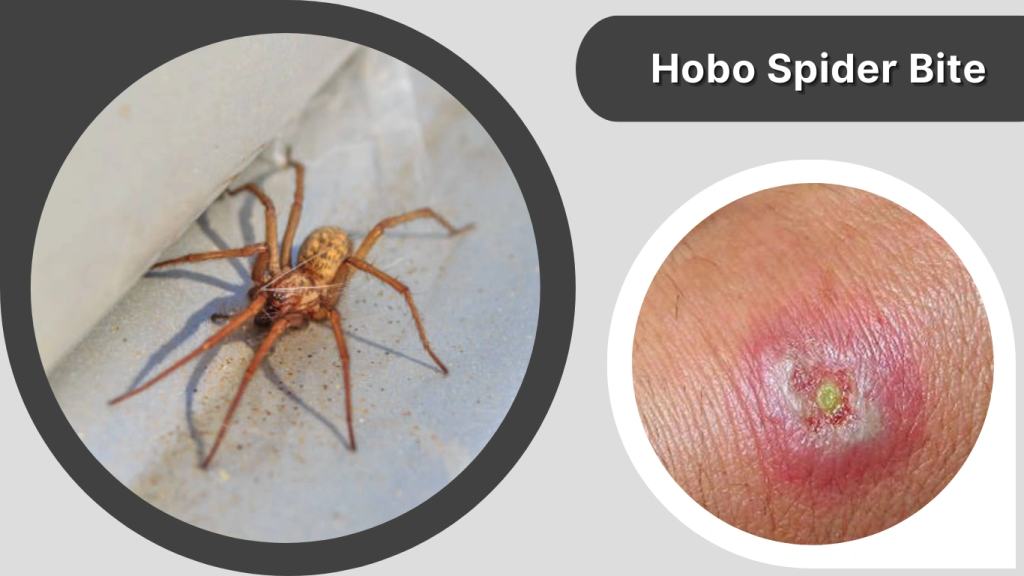
The hobo spider bite has been widely discussed due to concerns about its potential severity, although recent studies suggest it is less dangerous than once believed. These spiders are typically found in dark, undisturbed areas and bite only when provoked.
Bite Identification
- Redness and mild swelling at the bite site
- Initial stinging or pinprick sensation
- Possible blister formation
- Delayed pain developing over several hours
Danger Level
Hobo spider bites are considered moderate risk. While earlier reports linked them to severe skin damage, current evidence shows most bites result in mild to moderate symptoms. Serious complications are uncommon.
Symptoms
Symptoms may include localized pain, headache, fatigue, nausea, and temporary weakness. In rare cases, a slow-healing wound may develop, especially if secondary infection occurs.
Treatment
Clean the bite area immediately with soap and water and apply a cold compress to reduce swelling. Pain relievers and rest are usually sufficient. Medical attention is advised if symptoms worsen or signs of infection appear.
5. Yellow Sac Spider Bite
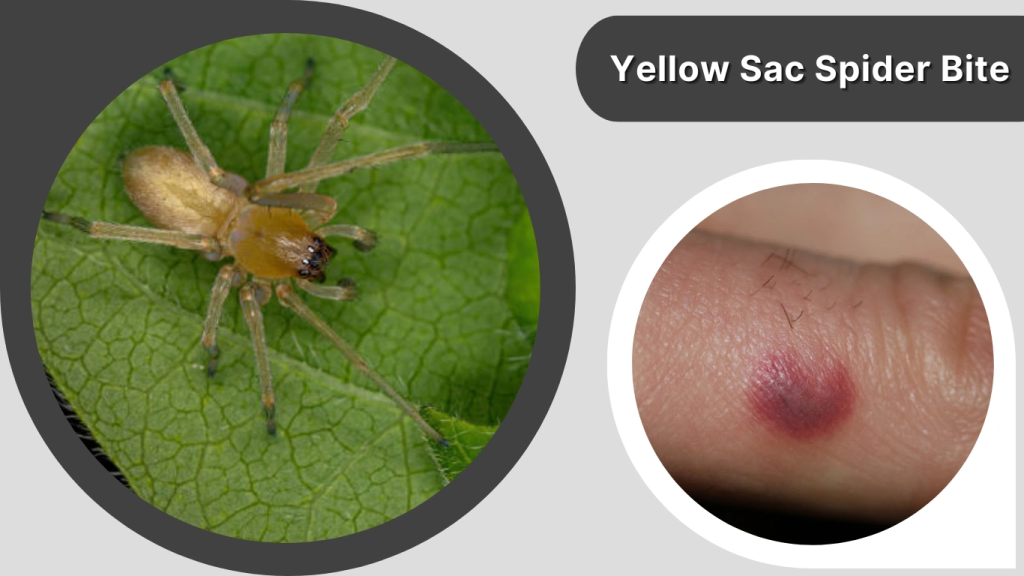
Yellow sac spider bites are among the more common indoor spider bites. These spiders are small but aggressive when disturbed and may bite repeatedly, often at night while people are sleeping.
Bite Identification
- Sharp, immediate burning sensation
- Red, inflamed bite area
- Small blister or raised bump
- Persistent itching or pain
Danger Level
Yellow sac spider bites are rated mild to moderate. While the venom is not life-threatening, it can cause noticeable discomfort and localized skin irritation.
Symptoms
Symptoms usually appear quickly and may include pain, redness, swelling, itching, and warmth around the bite. Some individuals may experience mild fever or nausea, but severe reactions are rare.
Treatment
Treatment includes washing the bite area, applying ice packs, and using antihistamines or topical creams to relieve itching. Most bites heal within a few days without complications.
6. Funnel-Web Spider Bite
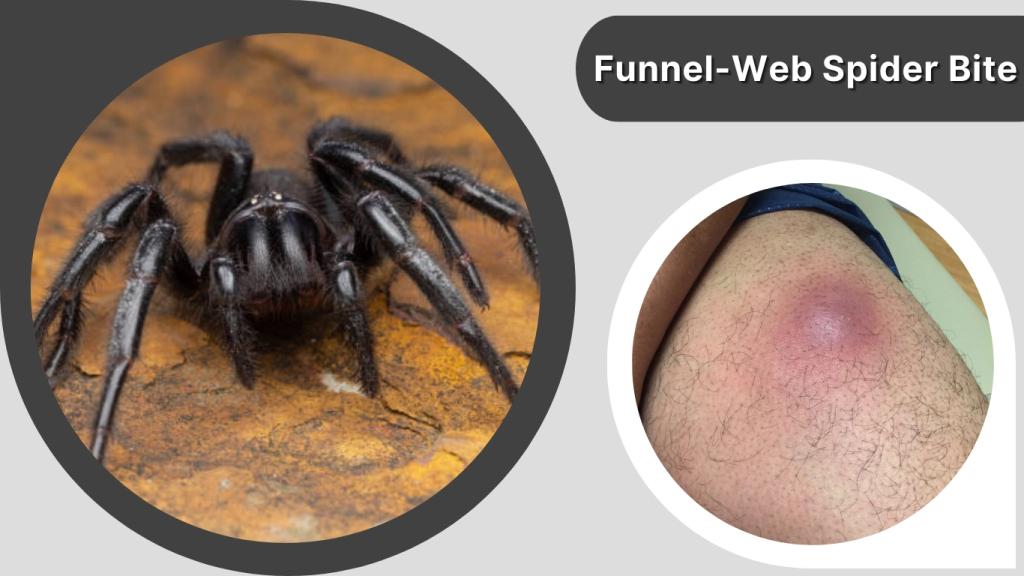
The funnel-web spider bite is considered one of the most dangerous spider bites in the world due to its highly toxic venom. These spiders are aggressive when threatened and are mainly found in Australia. Bites are medical emergencies and require immediate treatment.
Bite Identification
- Immediate intense pain at the bite site
- Visible fang puncture marks
- Rapid swelling and redness
- Tingling or numbness spreading from the bite
Danger Level
Funnel-web spider bites are extremely dangerous. The venom affects the nervous system and can become life-threatening within hours, especially in children. Prompt administration of antivenom is critical for survival.
Symptoms
Symptoms may develop quickly and include muscle twitching, excessive sweating, drooling, difficulty breathing, nausea, vomiting, rapid heartbeat, and confusion. Severe cases can lead to unconsciousness if untreated.
Treatment
Immediate emergency medical care is required. A pressure immobilization bandage should be applied to slow venom spread, and the affected limb kept still. Antivenom is highly effective when administered promptly in a hospital setting.
7. Redback Spider Bite
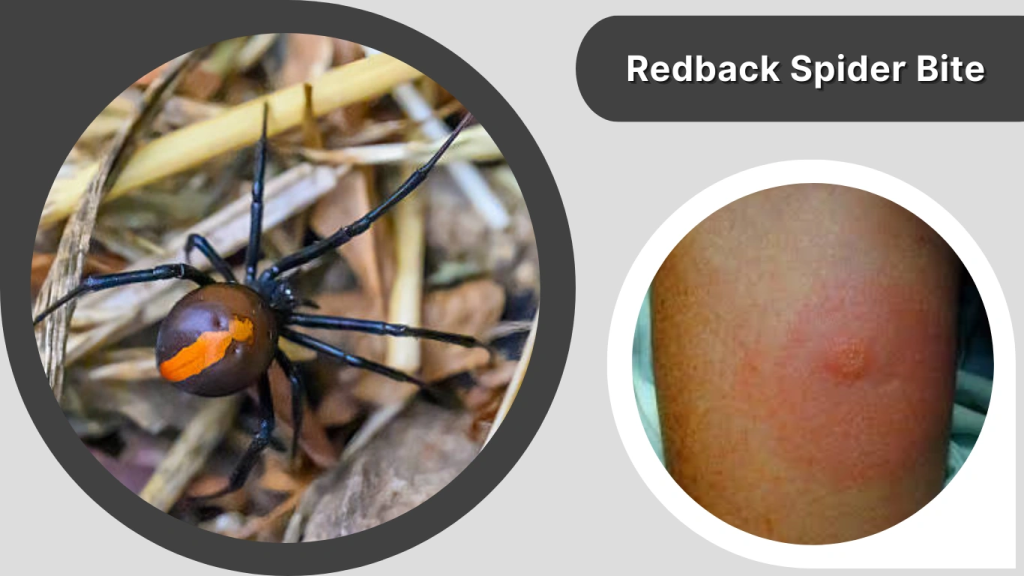
The redback spider bite is similar to the black widow bite and is medically significant. These spiders are commonly found in Australia and tend to bite when accidentally pressed against the skin, such as when reaching into dark spaces.
Bite Identification
- Sharp pinprick or burning sensation
- Small red mark at the bite site
- Increasing pain over time
- Minimal initial swelling
Danger Level
Redback spider bites are rated moderate to high risk. While rarely fatal, the venom can cause severe pain and systemic symptoms, particularly in young children and older adults.
Symptoms
Symptoms may appear within one to three hours and include severe localized pain, sweating, nausea, headache, muscle weakness, abdominal pain, and restlessness. Pain can persist for several days if untreated.
Treatment
Treatment focuses on pain management and monitoring symptoms. Ice packs and pain relievers are commonly used. In severe cases, antivenom may be administered under medical supervision to relieve persistent pain and systemic effects.
8. Mouse Spider Bite
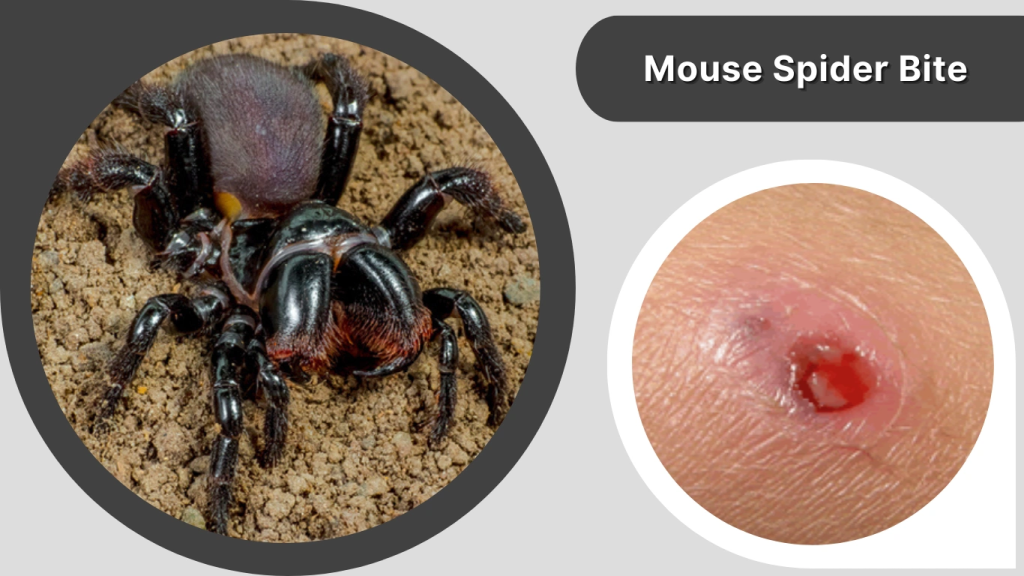
The mouse spider bite is rare but potentially serious due to its strong venom. Mouse spiders are native to Australia and are often confused with funnel-web spiders. Although they are generally non-aggressive, bites can occur when they are disturbed.
Bite Identification
- Sudden sharp pain at the bite site
- Visible fang marks
- Local swelling and redness
- Tingling or numbness around the area
Danger Level
Mouse spider bites are considered high risk, especially if venom is injected. While not all bites result in envenomation, those that do can cause severe symptoms similar to funnel-web spider bites. Immediate medical care is strongly advised.
Symptoms
Symptoms may include muscle twitching, sweating, nausea, vomiting, headache, increased heart rate, and in severe cases, difficulty breathing. Children are more vulnerable to serious reactions.
Treatment
Apply a pressure immobilization bandage immediately and keep the affected limb still. Seek emergency medical treatment as soon as possible. Antivenom used for funnel-web spider bites is often effective for mouse spider envenomation.
9. Sydney Funnel-Web Spider Bite
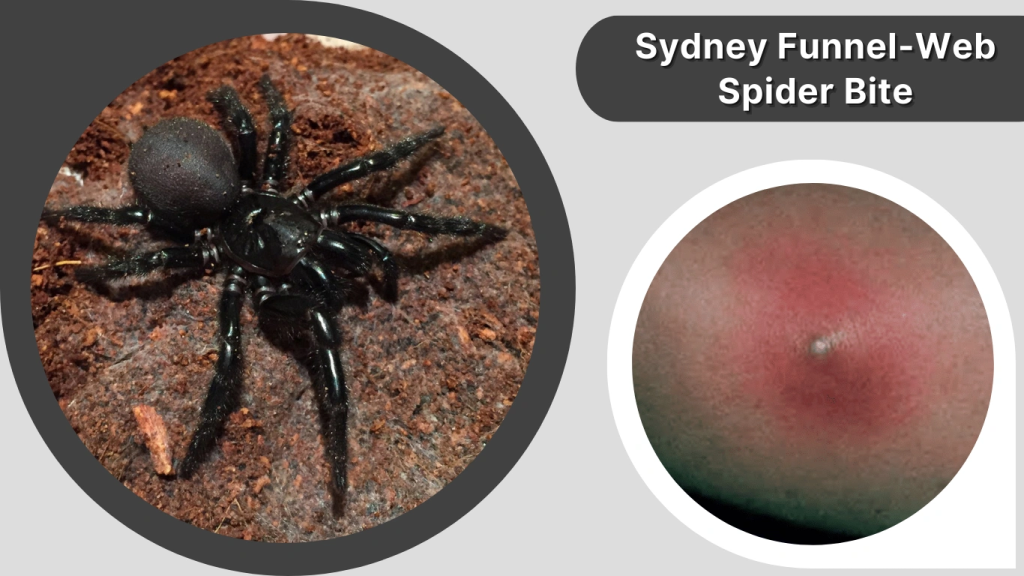
The Sydney funnel-web spider bite is among the most dangerous spider bites known to humans. This spider is highly aggressive and possesses extremely potent venom. Bites are medical emergencies and require urgent treatment.
Bite Identification
- Immediate and intense pain
- Clearly visible puncture wounds
- Rapid swelling at the bite site
- Tingling or spreading numbness
Danger Level
Sydney funnel-web spider bites are rated extreme danger. Without prompt antivenom treatment, the venom can be fatal within hours. Children are particularly at risk due to faster venom spread.
Symptoms
Symptoms develop rapidly and may include severe muscle spasms, excessive salivation, sweating, nausea, vomiting, difficulty breathing, rapid pulse, and confusion. Symptoms can escalate quickly without treatment.
Treatment
Immediate emergency response is critical. Apply a pressure immobilization bandage and keep the patient still. Transport to a hospital as quickly as possible for antivenom administration and intensive monitoring.
10. Brazilian Wandering Spider Bite
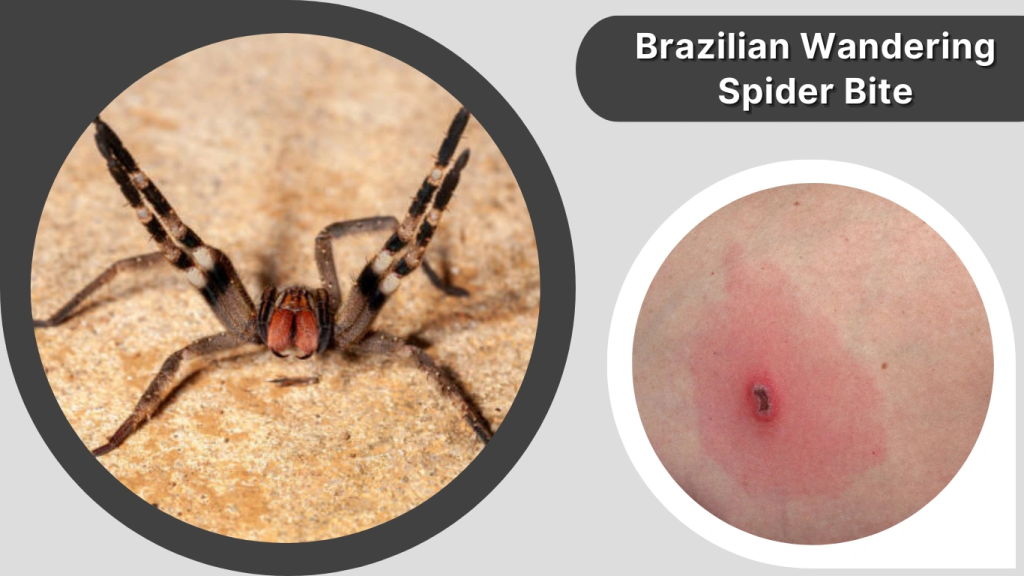
The Brazilian wandering spider bite is considered one of the most venomous spider bites in the world. These spiders are aggressive hunters and may enter homes, shoes, or clothing, increasing the risk of accidental bites.
Bite Identification
- Immediate sharp or burning pain
- Redness and swelling at the bite site
- Visible puncture marks
- Intense localized pain spreading outward
Danger Level
Brazilian wandering spider bites are rated extreme risk. The venom affects the nervous system and can be life-threatening, particularly in children and older adults. Rapid medical intervention is essential.
Symptoms
Symptoms may appear within minutes and include severe pain, sweating, nausea, vomiting, rapid heart rate, high blood pressure, muscle spasms, and in males, painful prolonged erections. Severe cases may lead to breathing difficulties.
Treatment
Emergency medical care is required. Keep the affected limb immobilized and seek immediate hospital treatment. Antivenom is available in regions where these spiders are common and is highly effective when administered quickly.
11. Chilean Recluse Spider Bite
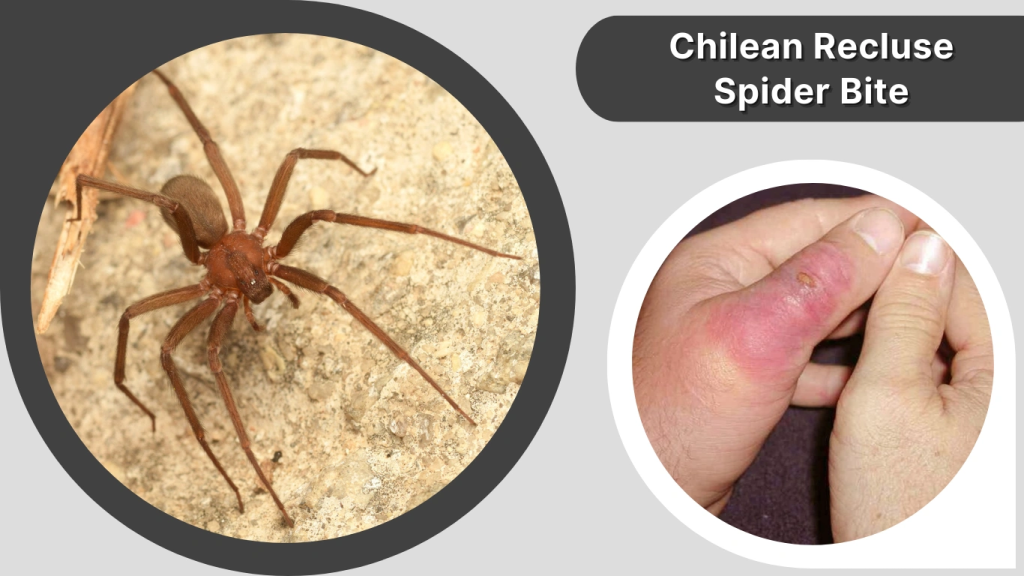
The Chilean recluse spider bite is medically significant and often more severe than other recluse spider bites. These spiders are reclusive and bite only when trapped against the skin.
Bite Identification
- Mild burning or stinging sensation
- Red skin with a pale or bluish center
- Blister formation within hours
- Possible darkened skin area
Danger Level
Chilean recluse spider bites are considered high risk due to the potential for severe skin damage and systemic reactions. Necrosis and complications are more common compared to other recluse species.
Symptoms
Symptoms may include increasing pain, fever, chills, nausea, muscle aches, and fatigue. In severe cases, the bite can develop into a deep ulcer with tissue death and may cause systemic illness affecting internal organs.
Treatment
Clean the bite area immediately and apply a cold compress. Medical evaluation is essential. Treatment may include wound care, pain management, antibiotics for secondary infection, and in severe cases, surgical intervention.
12. Camel Spider Bite
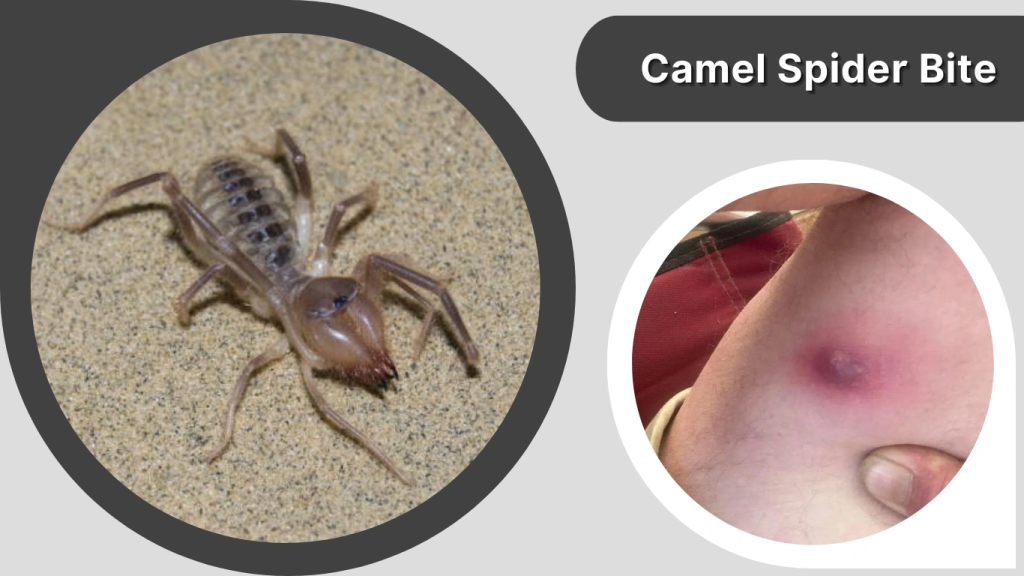
Camel spider bites are often misunderstood due to myths surrounding their size and aggressiveness. Although camel spiders look intimidating, they are not true spiders and their bites are usually not venomous. Bites typically occur when the animal feels threatened or trapped.
Bite Identification
- Sharp pinching sensation
- Redness around the bite area
- Mild swelling
- Small surface wound
Danger Level
Camel spider bites are considered low risk. They do not possess venom harmful to humans. Most complications arise from secondary infection rather than the bite itself.
Symptoms
Symptoms are generally mild and localized. They may include temporary pain, irritation, redness, and swelling. In rare cases, improper wound care can lead to infection, causing increased pain or pus formation.
Treatment
Wash the bite thoroughly with soap and water and apply an antiseptic. A cold compress can help reduce swelling. Over-the-counter pain relievers are usually sufficient. Seek medical care only if signs of infection develop.
13. Jumping Spider Bite
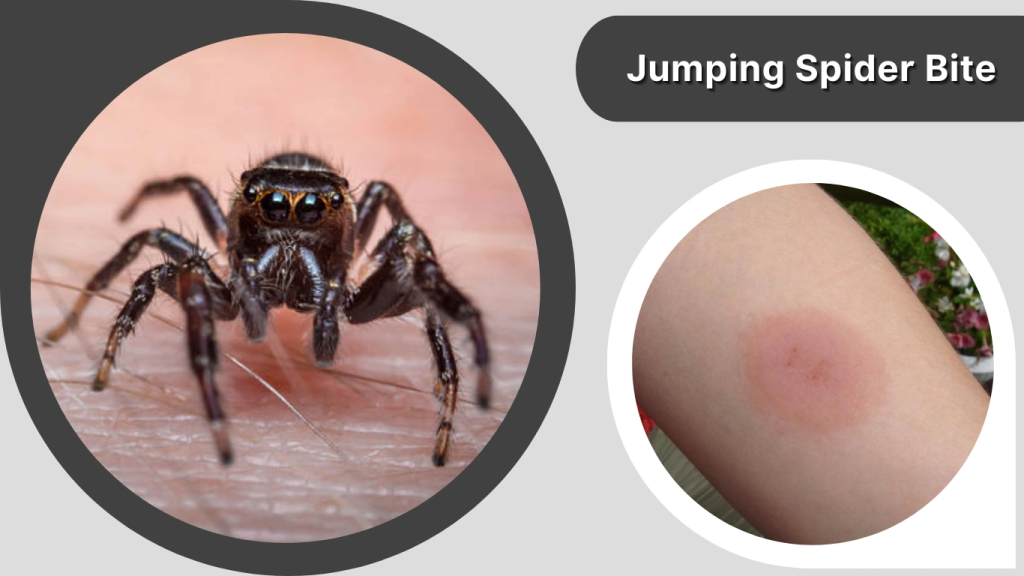
Jumping spider bites are rare and usually harmless. These small, fast-moving spiders are curious but non-aggressive. Bites generally occur only when the spider is handled or accidentally trapped against the skin.
Bite Identification
- Mild stinging or prickling sensation
- Small red bump
- Minimal swelling
- No blistering
Danger Level
Jumping spider bites are rated very low risk. Their venom is weak and not medically significant for humans. Serious reactions are extremely uncommon.
Symptoms
Symptoms are typically limited to mild discomfort, redness, and itching at the bite site. These effects usually fade within a few hours to a couple of days without complications.
Treatment
Basic first aid is sufficient. Clean the area with soap and water and apply a cold pack if needed. An antihistamine or topical cream may help reduce itching. Medical attention is rarely required.
14. Tarantula Spider Bite
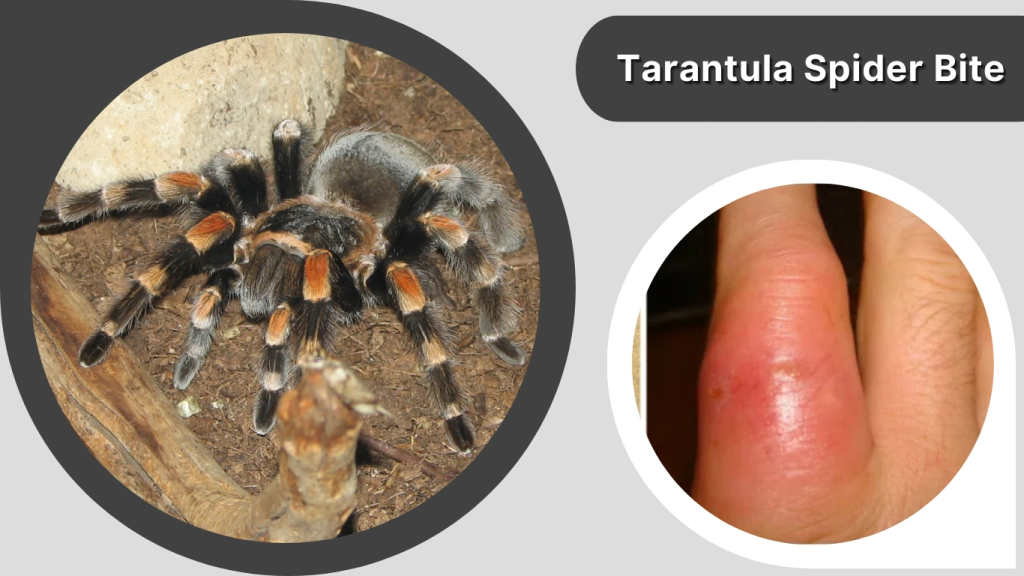
Tarantula spider bites are uncommon and usually occur when the spider is handled or feels threatened. While tarantulas are large and intimidating, their venom is generally mild and rarely dangerous to humans.
Bite Identification
- Sharp pain at the bite site
- Redness and mild swelling
- Two small puncture marks
- Possible irritation lasting several days
Danger Level
Tarantula bites are considered low to moderate risk. Serious complications are rare, but allergic reactions can increase risk in sensitive individuals. Defensive urticating hairs may cause more irritation than the bite itself.
Symptoms
Symptoms typically include localized pain, redness, swelling, and itching. Some individuals may experience muscle stiffness or mild nausea, but systemic reactions are uncommon.
Treatment
Clean the bite area thoroughly and apply a cold compress to reduce swelling. Over-the-counter pain relievers and antihistamines can help manage discomfort. Seek medical attention if severe pain or allergic reactions occur.
15. False Widow Spider Bite
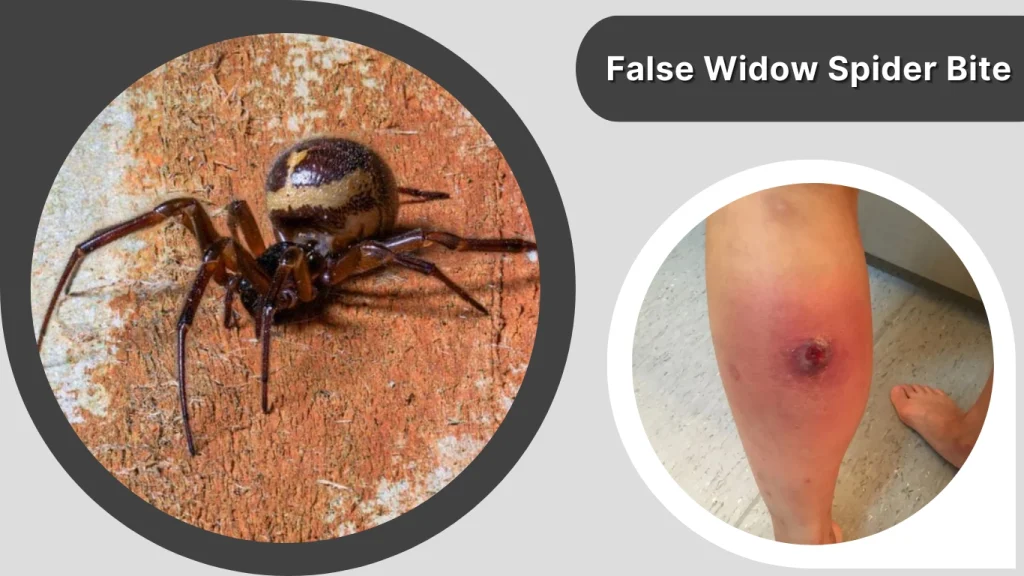
False widow spider bites are increasingly reported, especially in urban areas. These spiders resemble black widows but have less potent venom. Bites usually happen when the spider is trapped against the skin.
Bite Identification
- Sharp or burning sensation
- Redness and swelling
- Small puncture wound
- Localized warmth
Danger Level
False widow spider bites are rated moderate risk. While not life-threatening, the venom can cause prolonged pain and localized reactions. Severe reactions are uncommon but possible.
Symptoms
Symptoms may include intense pain, swelling, redness, sweating, nausea, and headache. In some cases, pain may persist for several days, affecting daily activities.
Treatment
Treatment focuses on pain relief and symptom management. Clean the bite area, apply ice, and use pain relievers as needed. Medical advice is recommended if symptoms are severe or do not improve.
16. House Spider Bite
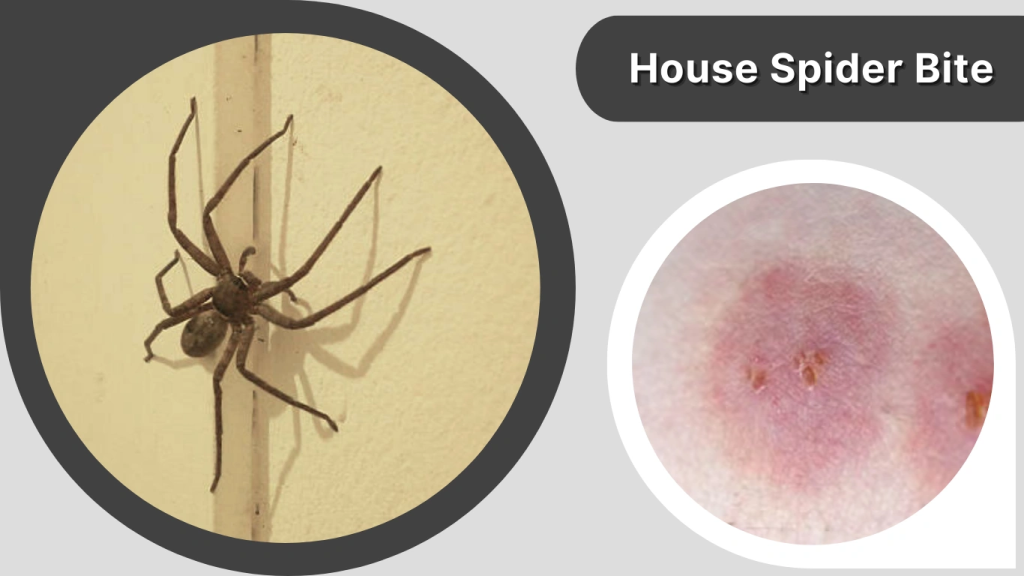
House spider bites are uncommon and usually harmless. These spiders prefer to avoid humans, and bites typically occur only when the spider is accidentally pressed against the skin.
Bite Identification
- Mild stinging sensation
- Small red mark
- Minimal swelling
- Slight itching
Danger Level
House spider bites are considered very low risk. Their venom is weak and not medically significant for humans. Serious reactions are extremely rare.
Symptoms
Symptoms are usually mild and localized, including slight pain, redness, and itching. These effects generally disappear within one to two days without complications.
Treatment
Basic first aid is sufficient. Clean the bite with soap and water and apply a cold compress if needed. Antihistamine creams can help relieve itching. Medical treatment is rarely necessary.
17. Garden Spider Bite
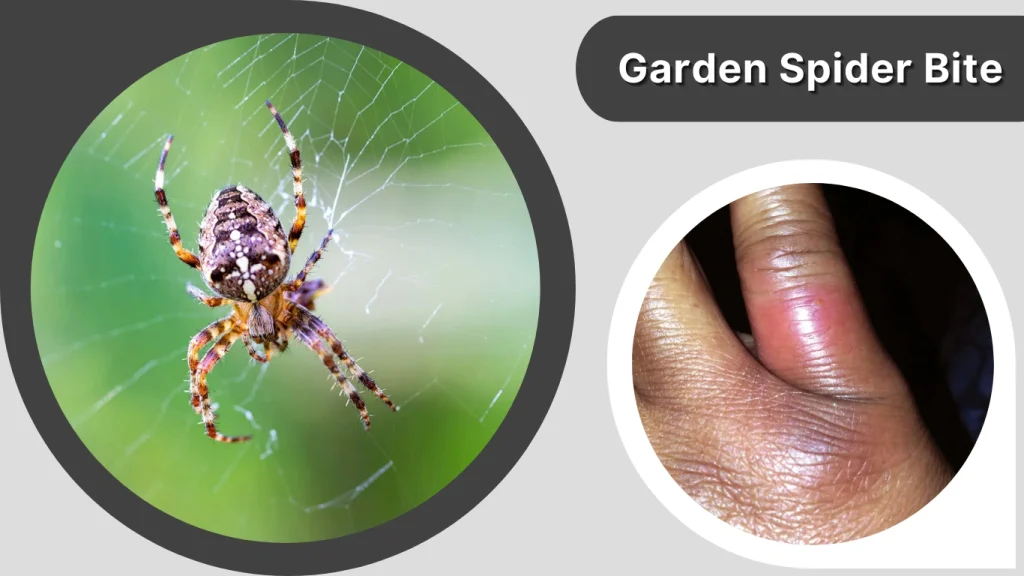
Garden spider bites are rare due to their non-aggressive nature. These spiders are commonly found outdoors and prefer to retreat rather than bite when disturbed.
Bite Identification
- Mild pinch or prick sensation
- Redness around the bite area
- Slight swelling
- Localized tenderness
Danger Level
Garden spider bites are rated very low risk. They pose no serious threat to humans and are not considered medically significant.
Symptoms
Symptoms are minimal and may include mild pain, redness, swelling, and itching. Reactions usually subside within a short period.
Treatment
Wash the bite area thoroughly and apply a cold pack to reduce swelling. Over-the-counter pain relievers or antihistamines may be used if discomfort persists.
18. Huntsman Spider Bite
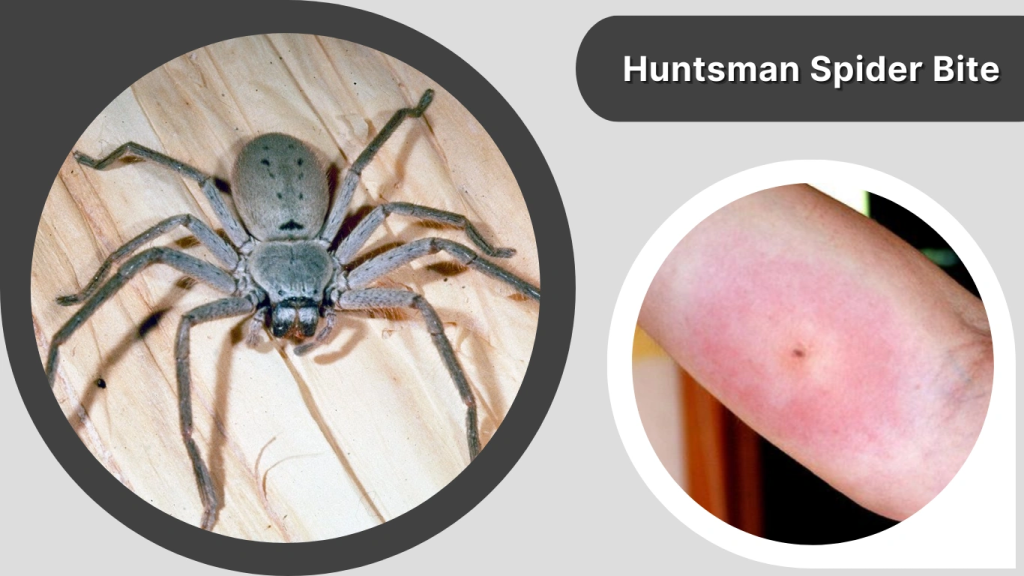
Huntsman spider bites are uncommon despite the spider’s large size and frequent presence in homes. These spiders are not aggressive and usually bite only when provoked or handled.
Bite Identification
- Immediate mild to moderate pain
- Redness around the bite
- Slight swelling
- Visible puncture marks
Danger Level
Huntsman spider bites are considered low risk. Their venom is not medically significant, and serious reactions are very rare.
Symptoms
Symptoms are typically localized and short-lived. They may include pain, redness, swelling, itching, and in some cases mild nausea or headache. Symptoms usually resolve within a few days.
Treatment
Clean the bite area with soap and water and apply a cold compress to reduce swelling. Over-the-counter pain relievers or antihistamines can help manage discomfort. Medical attention is rarely needed.
19. Nursery Web Spider Bite
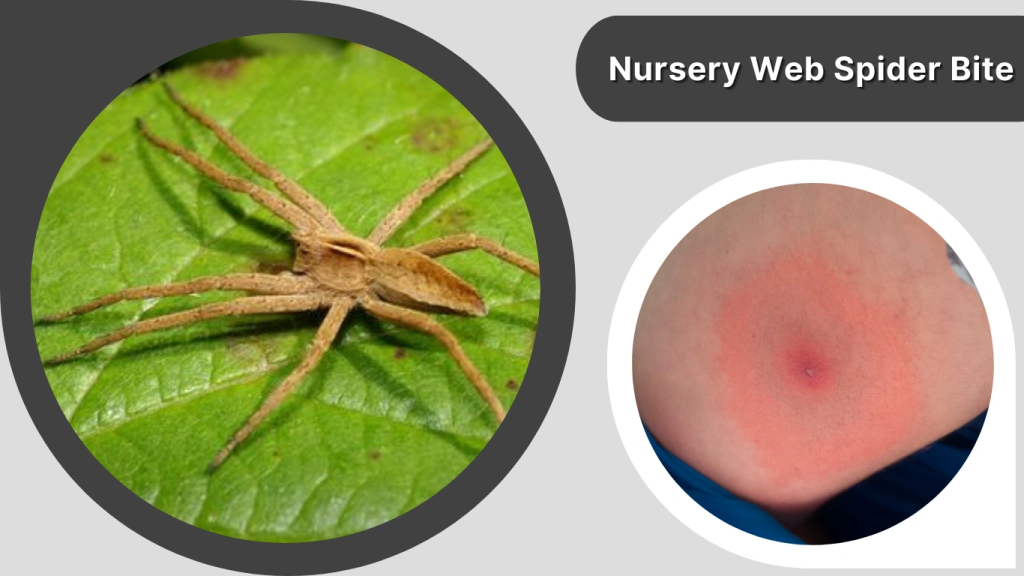
Nursery web spider bites are rare and usually mild. These spiders are more likely to flee than bite and generally pose little threat to humans.
Bite Identification
- Mild stinging sensation
- Redness at the bite site
- Slight swelling
- Minor skin irritation
Danger Level
Nursery web spider bites are rated very low risk. Their venom is weak and does not cause serious medical issues in humans.
Symptoms
Symptoms are usually minimal and localized, including mild pain, redness, and itching. These effects typically fade within a short time without complications.
Treatment
Wash the bite area thoroughly and apply a cold pack if swelling occurs. Antihistamines or topical creams may help relieve itching. Medical care is generally unnecessary.
20. Fishing Spider Bite
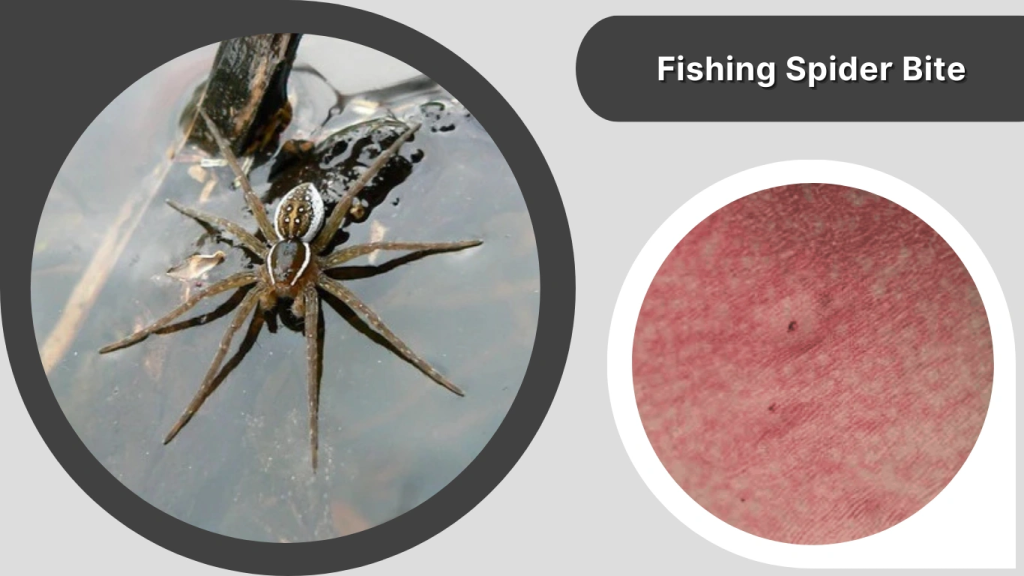
Fishing spider bites are rare and usually occur when the spider is handled or trapped against the skin. These large spiders are often found near water and are generally non-aggressive toward humans.
Bite Identification
- Sharp or mild stinging sensation
- Redness around the bite area
- Moderate swelling
- Visible puncture marks
Danger Level
Fishing spider bites are considered low risk. Their venom is not medically significant, and serious complications are uncommon.
Symptoms
Symptoms are typically localized and may include pain, redness, swelling, itching, and warmth at the bite site. In rare cases, mild nausea or headache may occur.
Treatment
Clean the bite thoroughly with soap and water and apply a cold compress to reduce swelling. Over-the-counter pain relievers and antihistamines can help manage discomfort. Seek medical care if symptoms worsen.
21. Crab Spider Bite
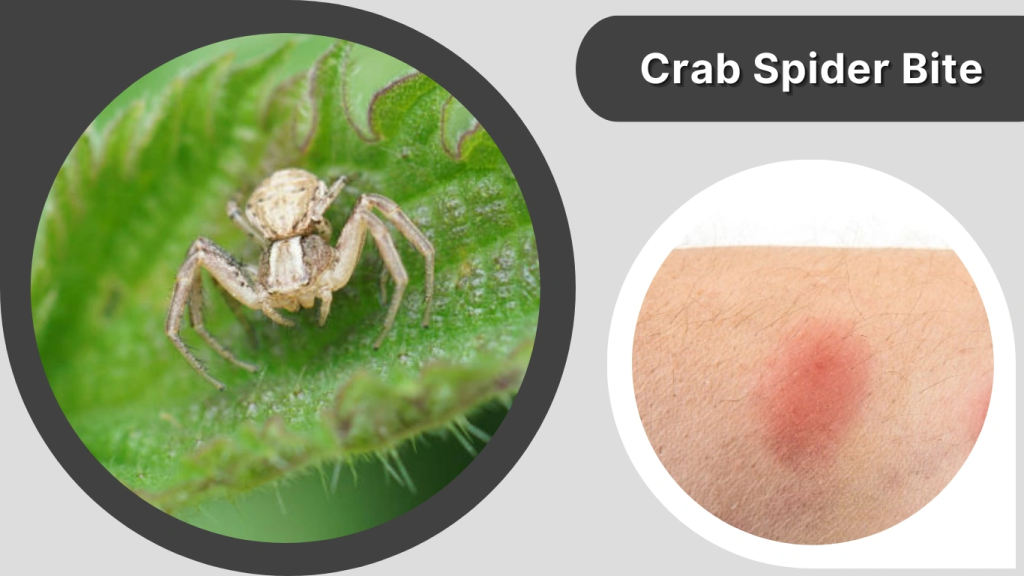
Crab spider bites are extremely rare and generally harmless. These spiders are small, well-camouflaged, and prefer to remain still rather than bite when disturbed.
Bite Identification
- Mild pinprick sensation
- Small red spot
- Minimal swelling
- No blistering
Danger Level
Crab spider bites are rated very low risk. Their venom is weak and not considered dangerous to humans.
Symptoms
Symptoms are minimal and short-lived, usually limited to slight pain, redness, or itching at the bite site. Reactions typically resolve within hours.
Treatment
Basic first aid is sufficient. Clean the area with soap and water and apply a cold pack if needed. Medical attention is rarely required.
22. Orb-Weaver Spider Bite
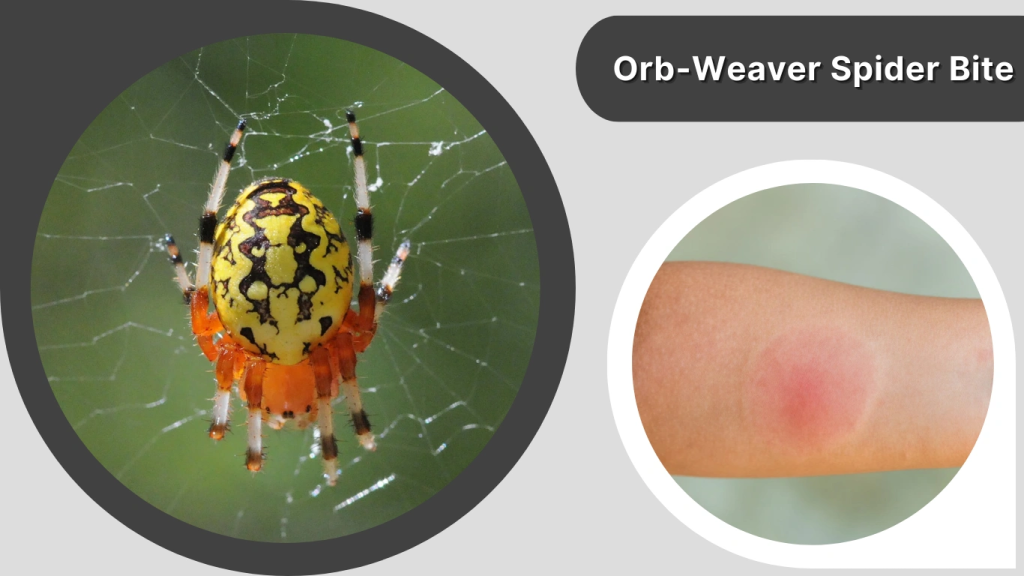
Orb-weaver spider bites are rare and usually harmless. These spiders are known for their large, circular webs and are not aggressive toward humans.
Bite Identification
- Mild pinching sensation
- Small red mark at the bite site
- Slight swelling
- Minor skin irritation
Danger Level
Orb-weaver spider bites are considered very low risk. Their venom is not medically significant and does not cause serious reactions in humans.
Symptoms
Symptoms are typically mild and localized, including slight pain, redness, itching, and swelling. These effects usually disappear within a short time.
Treatment
Wash the bite area with soap and water and apply a cold compress if swelling occurs. Over-the-counter pain relievers or antihistamines may be used if needed.
23. Ground Spider Bite
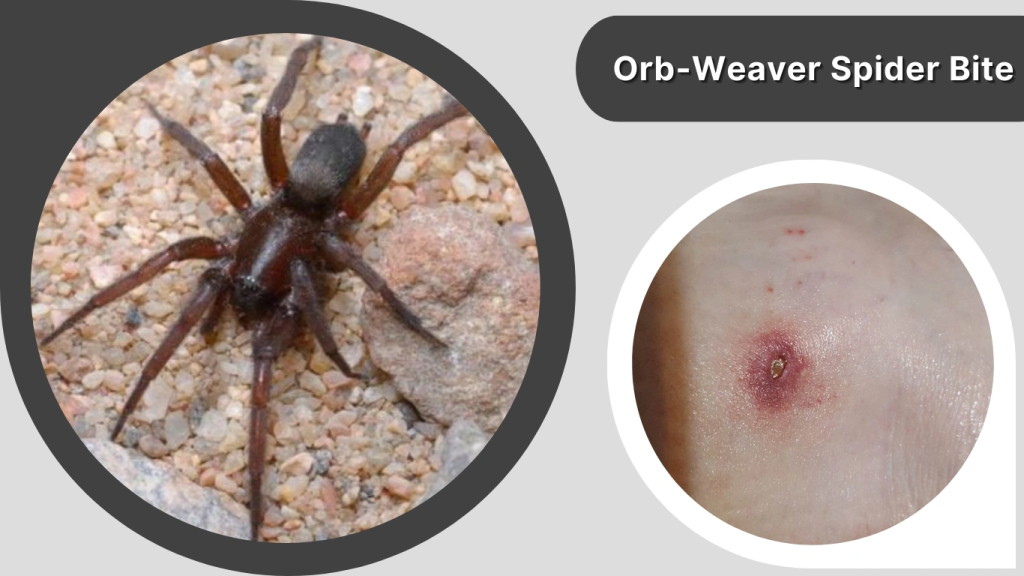
Ground spider bites are uncommon and usually mild. These spiders live close to the ground and tend to avoid human contact whenever possible.
Bite Identification
- Mild stinging sensation
- Redness around the bite
- Slight swelling
- Localized tenderness
Danger Level
Ground spider bites are rated very low risk. Their venom is weak and does not pose a medical threat to humans.
Symptoms
Symptoms are minimal and may include mild pain, redness, swelling, and itching. Reactions typically resolve within one to two days.
Treatment
Basic first aid is sufficient. Clean the bite area thoroughly and apply a cold pack to reduce swelling. Medical care is rarely necessary.
24. Trapdoor Spider Bite
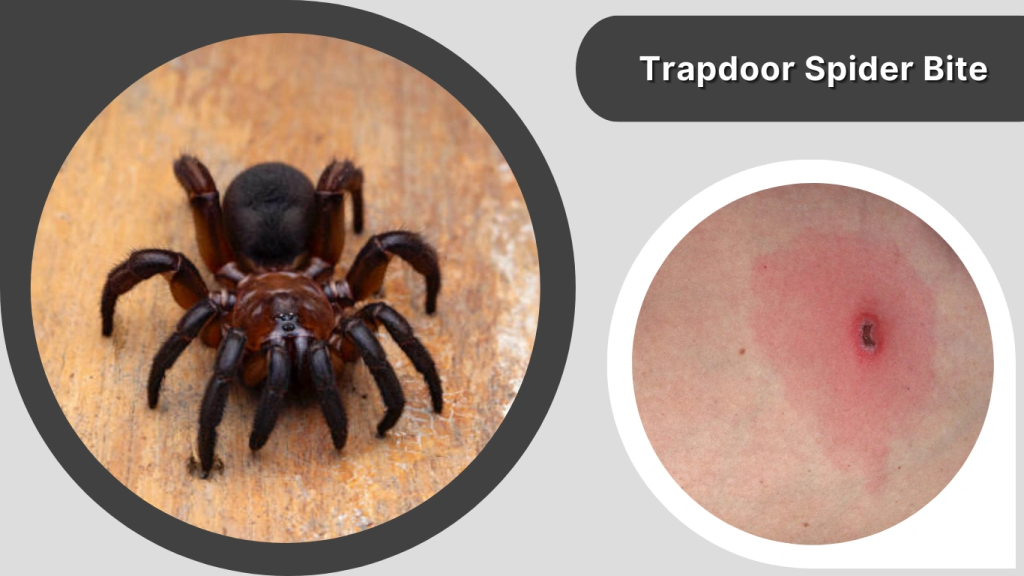
Trapdoor spider bites are rare due to the spider’s secretive lifestyle. These spiders live in burrows with camouflaged lids and usually bite only when handled or accidentally disturbed. Despite their large fangs, most bites are defensive and limited in severity.
Bite Identification
- Immediate sharp pain from large fangs
- Visible puncture wounds
- Redness and localized swelling
- Tenderness around the bite site
Danger Level
Trapdoor spider bites are considered low to moderate risk. While their venom is not highly toxic to humans, the size of their fangs can cause mechanical injury, increasing the risk of infection if untreated.
Symptoms
Symptoms are usually localized and may include pain, swelling, redness, and warmth around the bite. In some cases, stiffness, mild nausea, or fatigue may occur. Symptoms typically improve within a few days.
Treatment
Clean the bite thoroughly with soap and water to prevent infection. Apply a cold compress to reduce swelling and pain. Over-the-counter pain relievers may be used. Seek medical attention if swelling increases or signs of infection develop.
25. Recluse Spider Bite
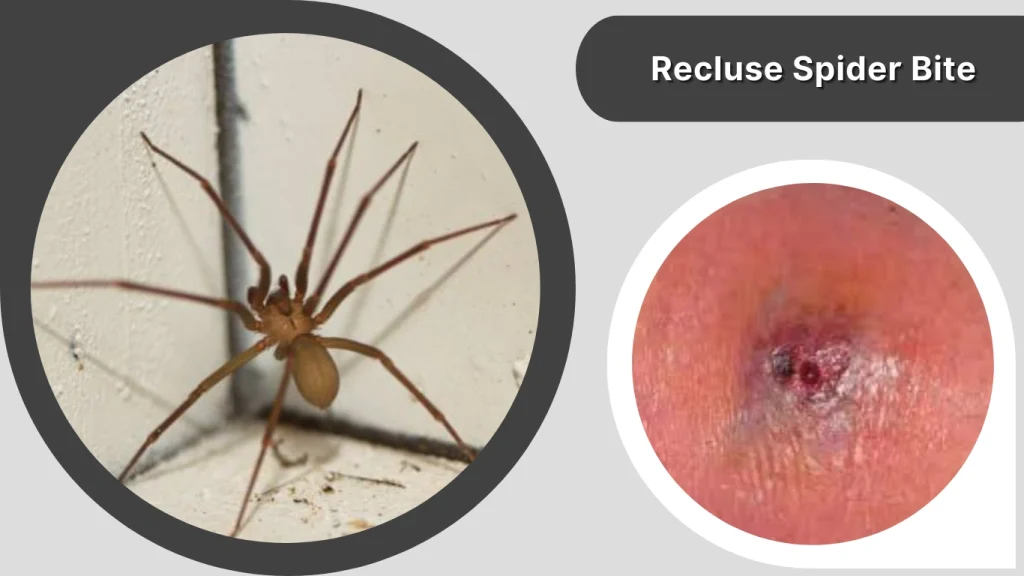
Recluse spider bites refer broadly to bites from recluse species other than the well-known brown or Chilean recluse. These spiders are nocturnal and shy, often hiding in clothing, shoes, or dark storage areas. Bites usually happen when the spider is trapped against the skin.
Bite Identification
- Mild burning or stinging sensation
- Red lesion with a pale center
- Blister formation within hours
- Possible darkening of the skin
Danger Level
Recluse spider bites are rated moderate to high risk depending on venom exposure. Some bites can lead to tissue damage and slow-healing wounds, though severe cases are relatively uncommon.
Symptoms
Symptoms may worsen over time and include increasing pain, itching, fever, chills, nausea, and muscle aches. In more serious cases, the bite area may develop necrosis, resulting in an open ulcer and potential scarring.
Treatment
Immediate care includes washing the bite area and applying a cold compress. Medical evaluation is strongly recommended to monitor tissue damage. Treatment may involve wound care, pain management, antibiotics for secondary infection, and in severe cases, surgical intervention.
26. Spitting Spider Bite
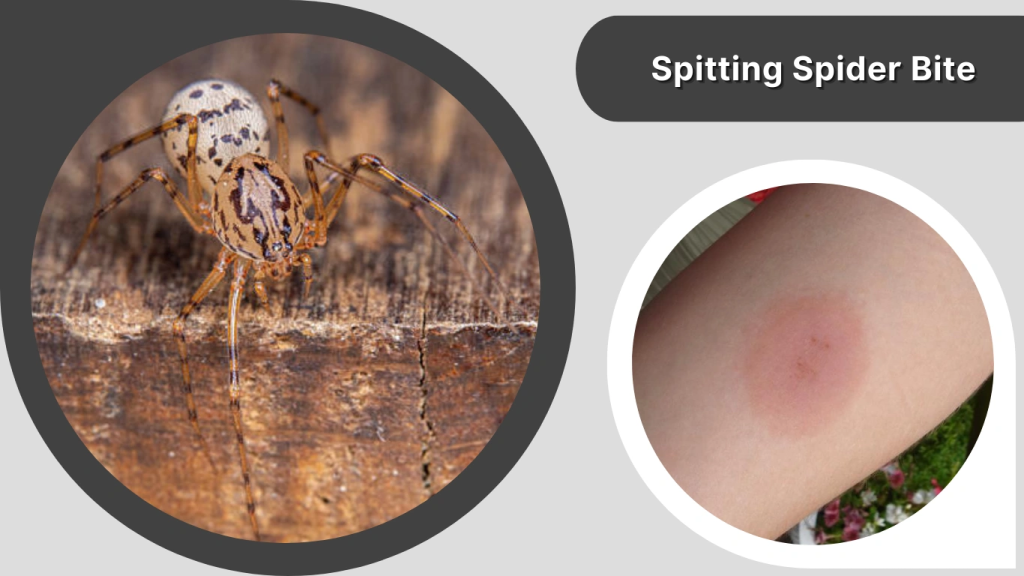
Spitting spider bites are rare and usually harmless. These spiders are known for immobilizing prey by spitting a sticky silk-and-venom mixture, but they rarely bite humans unless directly threatened.
Bite Identification
- Mild stinging or pinching sensation
- Small red mark
- Minimal swelling
- Localized skin irritation
Danger Level
Spitting spider bites are considered very low risk. Their venom is weak and not medically significant to humans.
Symptoms
Symptoms are typically mild and localized, including slight pain, redness, itching, and minor swelling. These effects usually resolve within a short time.
Treatment
Clean the bite area with soap and water and apply a cold compress if needed. Over-the-counter antihistamines or topical creams may help relieve itching. Medical care is rarely required.
27. Lace Weaver Spider Bite
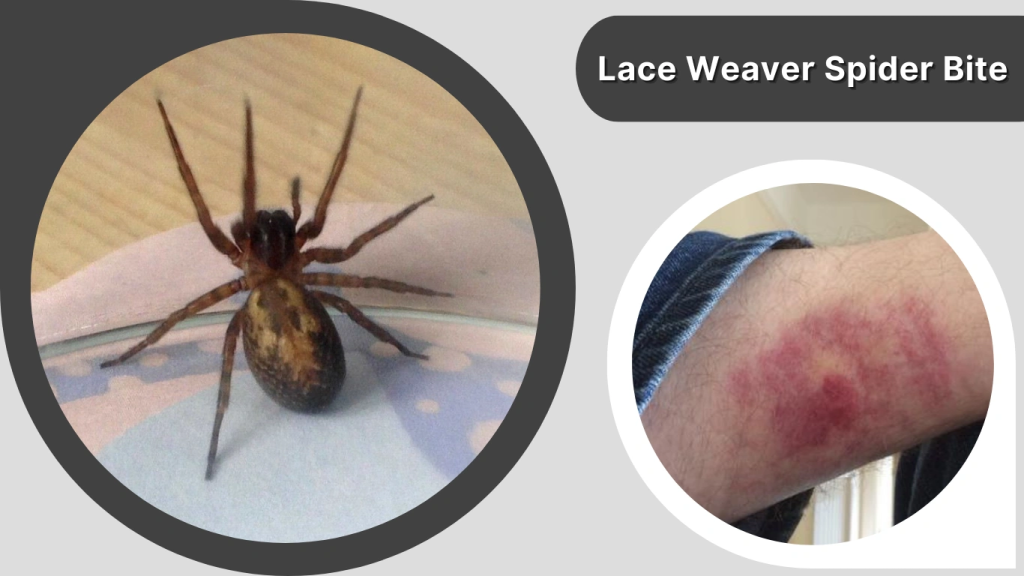
Lace weaver spider bites are uncommon and generally mild. These spiders are often found near buildings and fences and are not aggressive toward humans.
Bite Identification
- Mild to moderate pain
- Redness around the bite
- Slight swelling
- Local tenderness
Danger Level
Lace weaver spider bites are rated low risk. Their venom is not considered dangerous, though some individuals may experience stronger localized reactions.
Symptoms
Symptoms may include pain, redness, swelling, itching, and warmth at the bite site. In rare cases, headache or nausea may occur, but systemic effects are uncommon.
Treatment
Wash the bite area thoroughly and apply a cold pack to reduce swelling. Pain relievers and antihistamines can help manage discomfort. Seek medical attention if symptoms persist or worsen.
28. Woodlouse Spider Bite
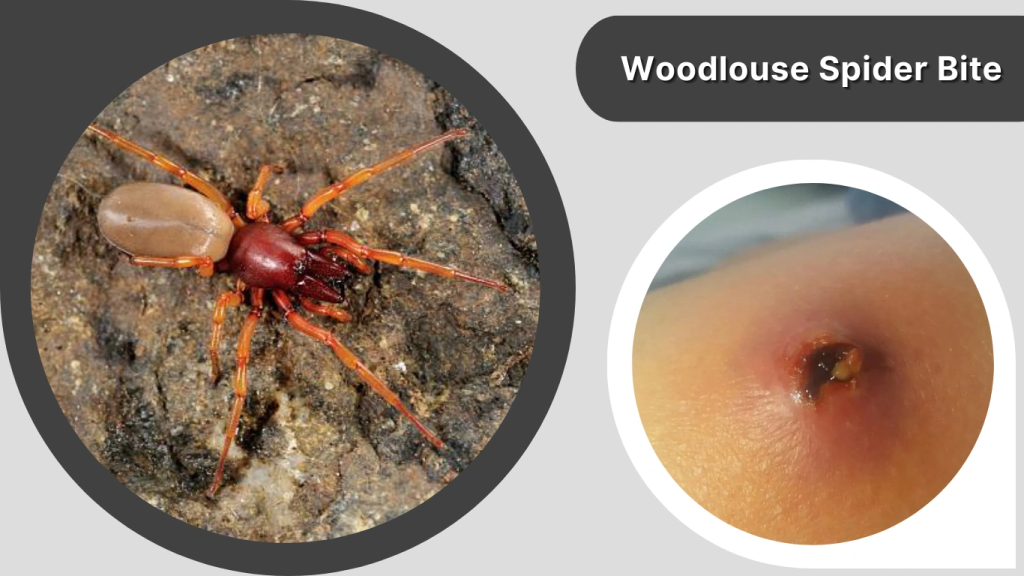
Woodlouse spider bites are uncommon but can be painful due to the spider’s strong jaws. These spiders are often found in damp environments and bite only when handled or threatened.
Bite Identification
- Immediate sharp pain
- Visible puncture marks
- Redness around the bite
- Local swelling
Danger Level
Woodlouse spider bites are considered low to moderate risk. Their venom is mild, but the mechanical bite can cause noticeable pain and inflammation.
Symptoms
Symptoms usually include localized pain, redness, swelling, and tenderness. In some cases, itching or a mild burning sensation may occur. Symptoms generally resolve within a few days.
Treatment
Clean the bite area with soap and water and apply a cold compress to reduce swelling. Over-the-counter pain relievers can help manage discomfort. Seek medical care if signs of infection develop.
29. Green Lynx Spider Bite
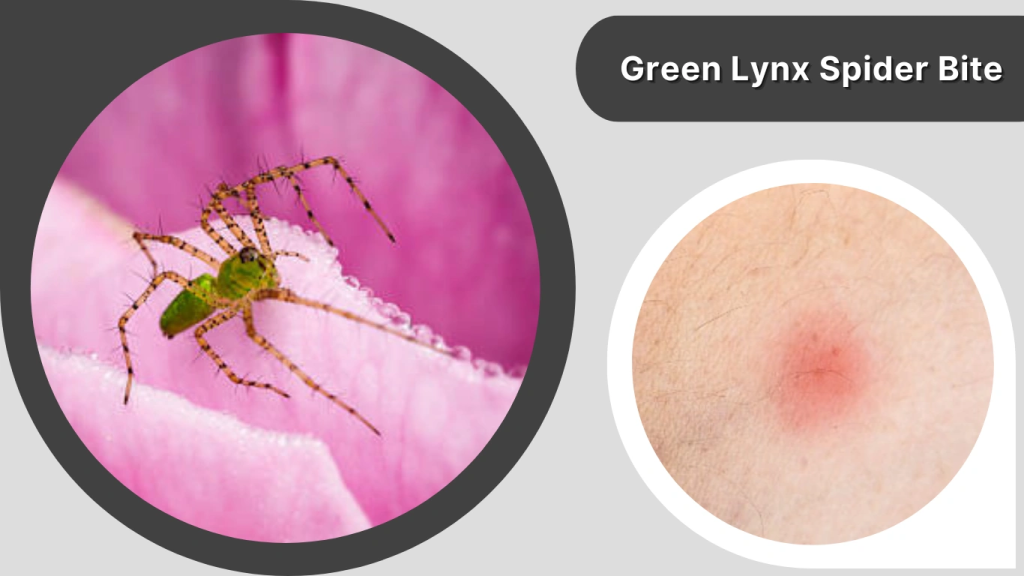
Green lynx spider bites are rare and typically harmless. These spiders are active hunters found on shrubs and flowering plants and are not aggressive toward humans.
Bite Identification
- Mild stinging sensation
- Small red spot
- Minimal swelling
- Slight irritation
Danger Level
Green lynx spider bites are rated very low risk. Their venom is weak and not medically significant.
Symptoms
Symptoms are mild and localized, including slight pain, redness, and itching. These effects usually fade quickly without complications.
Treatment
Basic first aid is sufficient. Wash the bite area thoroughly and apply a cold pack if needed. Medical treatment is rarely required.
30. Six-Eyed Sand Spider Bite
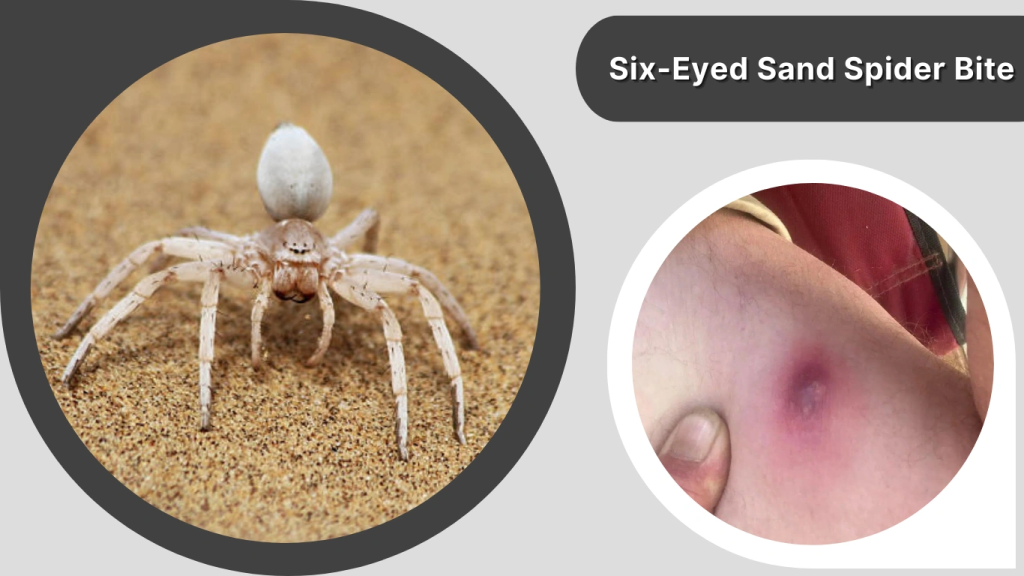
The six-eyed sand spider bite is extremely rare but often described as potentially serious due to the spider’s powerful venom. These spiders live in desert regions and spend most of their time buried in sand, making human encounters uncommon.
Bite Identification
- Mild or unnoticed bite at first
- Small red mark or bruise-like spot
- Delayed pain and discoloration
- Possible blistering in severe cases
Danger Level
Six-eyed sand spider bites are considered high risk, although confirmed human bites are very rare. The venom is known to cause tissue damage and blood-related complications in laboratory studies, but real-world cases are limited.
Symptoms
Symptoms may develop slowly and include increasing pain, swelling, skin discoloration, blistering, and in severe cases tissue damage. Systemic symptoms such as fever or weakness are possible but not well documented due to the rarity of bites.
Treatment
Immediate medical evaluation is recommended. Clean the bite area and apply a cold compress. Treatment focuses on wound care, pain management, and monitoring for tissue damage or infection, as no specific antivenom is available.
31. Golden Silk Orb-Weaver Bite
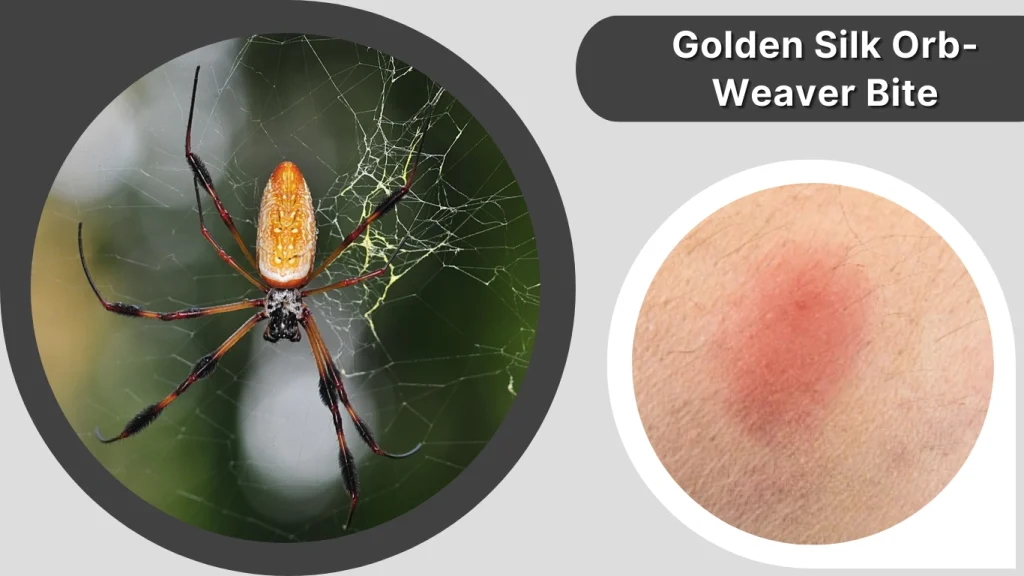
Golden silk orb-weaver bites are rare and generally mild. These large spiders are known for their strong, golden-colored webs and usually avoid human contact.
Bite Identification
- Mild pinching sensation
- Small red mark
- Slight swelling
- Localized irritation
Danger Level
Golden silk orb-weaver bites are rated very low risk. Their venom is weak and not medically significant to humans.
Symptoms
Symptoms are minimal and may include mild pain, redness, itching, and slight swelling. These effects typically resolve within a short time without complications.
Treatment
Wash the bite area with soap and water and apply a cold compress if swelling occurs. Over-the-counter antihistamines or pain relievers may be used if needed. Medical care is rarely required.
32. White-Tailed Spider Bite
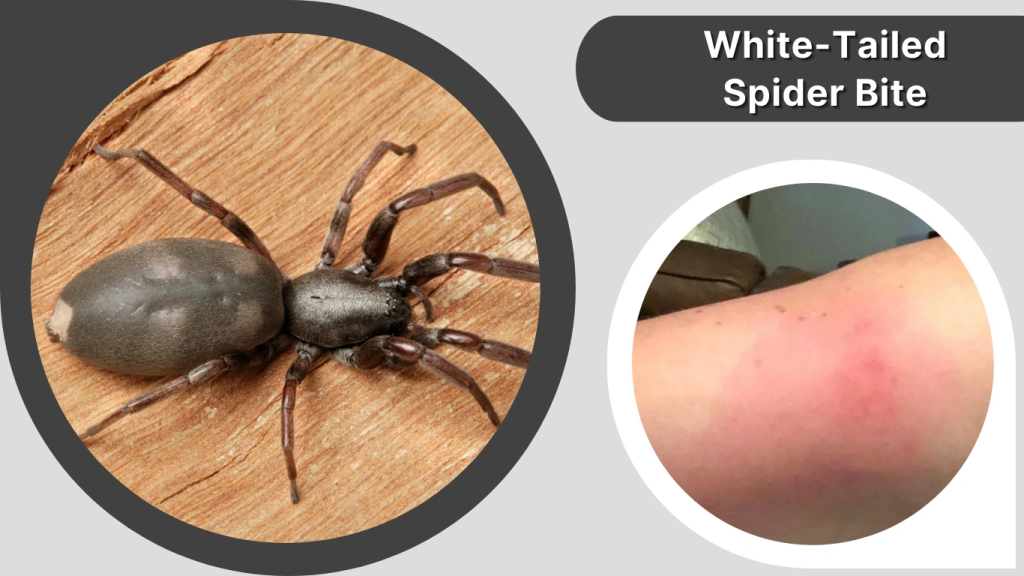
White-tailed spider bites have been the subject of much debate and concern. These spiders are commonly found in homes and are more likely to bite when trapped in clothing, bedding, or towels. While serious complications are rare, bites can cause noticeable discomfort.
Bite Identification
- Sudden sharp or burning pain
- Red or inflamed bite area
- Itching and mild swelling
- Small ulcer-like sore in some cases
Danger Level
White-tailed spider bites are considered low to moderate risk. Scientific studies have found no strong evidence linking these bites to severe tissue necrosis, though localized skin reactions can occur.
Symptoms
Symptoms may include pain, redness, swelling, itching, and warmth around the bite. Some individuals may experience headache, nausea, or mild fever. Symptoms typically improve within several days.
Treatment
Clean the bite area thoroughly and apply a cold compress to reduce pain and swelling. Antihistamines or pain relievers can help manage symptoms. Seek medical advice if the bite worsens or shows signs of infection.
33. Long-Legged Sac Spider Bite
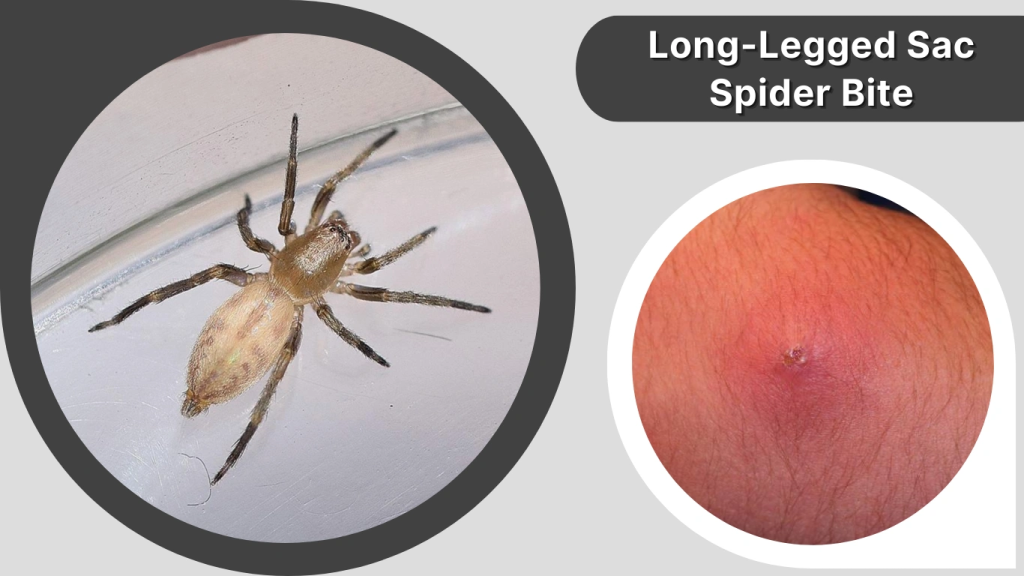
Long-legged sac spider bites are relatively common and usually occur indoors. These spiders are nocturnal and may bite when they become trapped against the skin during sleep.
Bite Identification
- Immediate sharp or burning sensation
- Red, inflamed bite site
- Small blister or raised bump
- Persistent localized pain
Danger Level
Long-legged sac spider bites are rated mild to moderate risk. While not life-threatening, their venom can cause localized skin irritation and discomfort.
Symptoms
Symptoms typically appear quickly and include pain, redness, swelling, itching, and warmth. In some cases, mild nausea or headache may occur, but serious reactions are uncommon.
Treatment
Treatment includes washing the bite area, applying ice packs, and using antihistamines or topical creams to relieve itching and pain. Most bites heal within a few days without complications.