
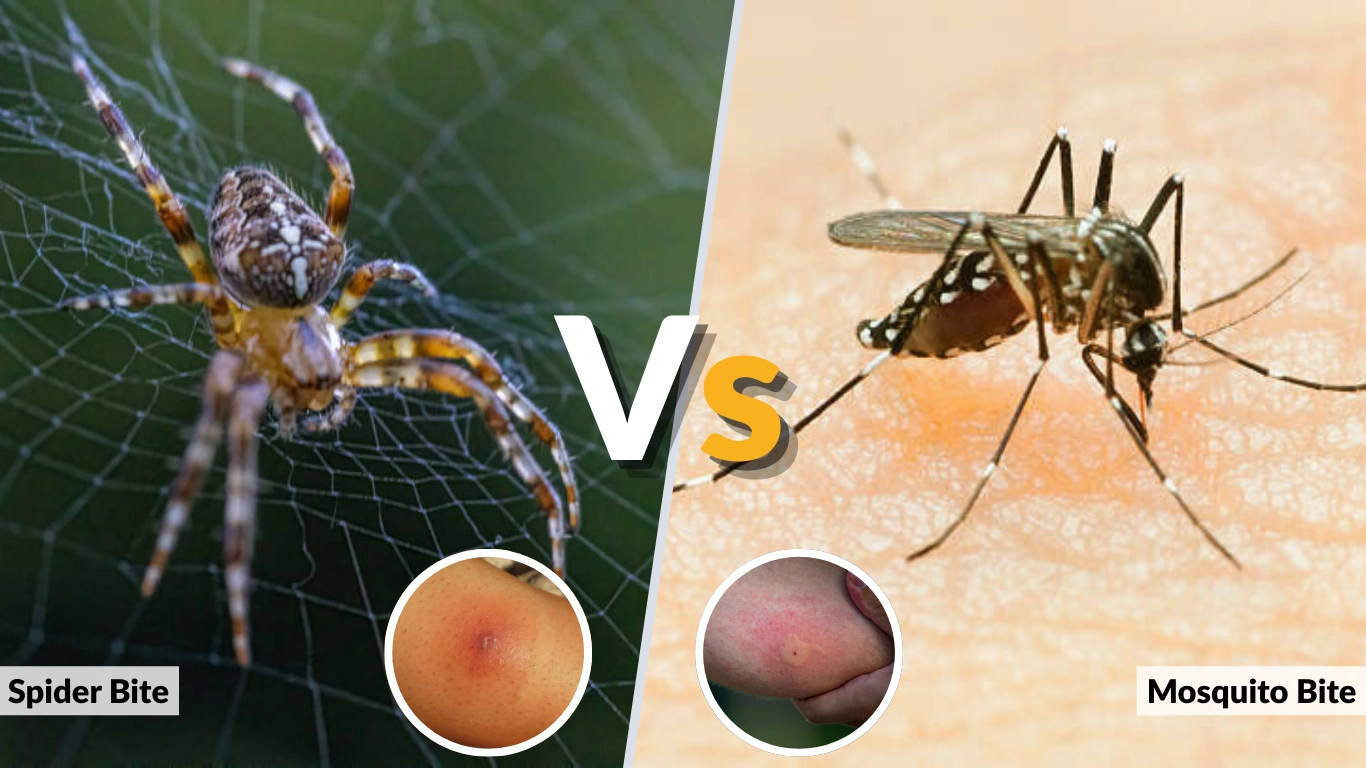
Spider bites and mosquito bites often look similar at first glance, making them easy to confuse. Both can cause redness, swelling, and irritation on the skin, yet their causes, symptoms, and potential risks are quite different. Knowing whether a bite came from a spider or a mosquito can help you choose the right treatment and understand when medical attention may be necessary. In this article, we’ll break down the key differences between spider bites and mosquito bites, including how they happen, what symptoms to expect, and how each one typically affects the body.
Understanding Insect and Arachnid Bites
Bites on the skin are the body’s reaction to substances injected by insects or arachnids. Mosquitoes are insects, while spiders belong to the arachnid family, which means their biting mechanisms and biological purposes are different. Mosquitoes bite to feed on blood, whereas spiders bite mainly as a defense mechanism.
The severity of a bite depends on several factors, including the species involved, the amount of venom or saliva injected, and an individual’s immune response. Some people experience mild irritation, while others may develop more noticeable swelling or discomfort. This variation is one reason spider bites and mosquito bites are frequently misidentified.
What Is a Spider Bite?
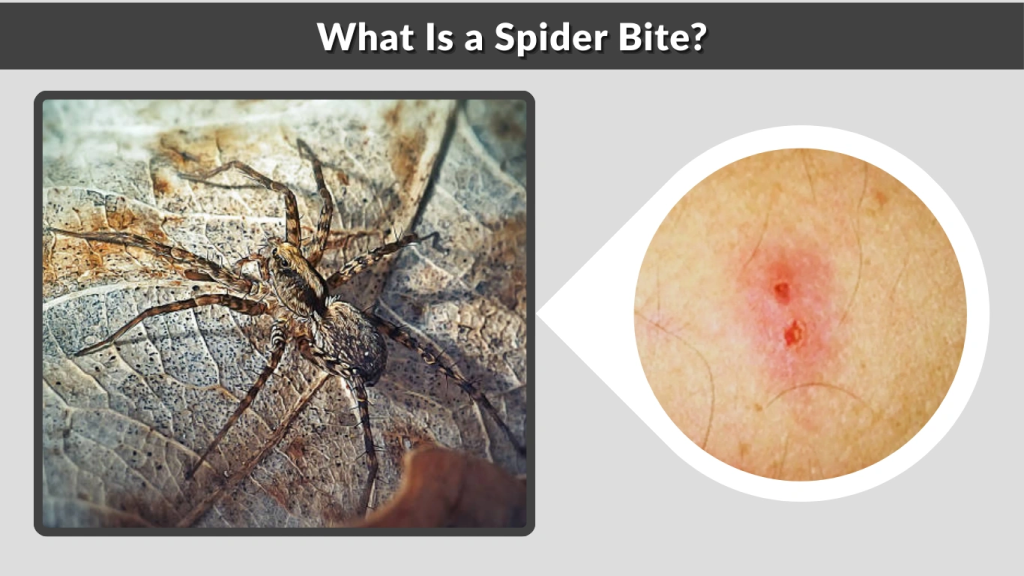
How Spider Bites Happen
Spiders do not actively seek out humans to bite. Most spider bites occur when a spider feels threatened or trapped, such as when it is pressed against the skin in clothing, bedding, shoes, or storage areas. Indoor spider bites are often accidental, while outdoor bites may occur during activities like gardening or moving firewood.
In many cases, people may not even realize they were bitten at the time, as some spider bites cause minimal immediate pain. Symptoms may develop gradually over several hours.
Common Spider Bite Symptoms
Spider bite symptoms can vary depending on the type of spider, but common signs include localized redness, swelling, and pain at the bite site. Unlike mosquito bites, spider bites are more likely to cause a burning or stinging sensation rather than intense itching.
Some spider bites may form blisters, sores, or darkened skin areas as the reaction progresses. In rare cases, systemic symptoms such as muscle pain, fever, or nausea can develop, especially with venomous spiders. However, most spider bites remain mild and heal without complications.
Types of Spiders Known to Bite Humans
While many spider species exist, only a small number are known to cause medically significant bites. Black widow spiders may cause muscle pain and cramping, while brown recluse spiders are associated with slow-healing wounds in some cases. Common house spiders can bite, but their bites are usually harmless and cause only minor irritation. Understanding these differences helps explain why spider bite symptoms can range from barely noticeable to more severe.
What Is a Mosquito Bite?
Why Mosquitoes Bite Humans
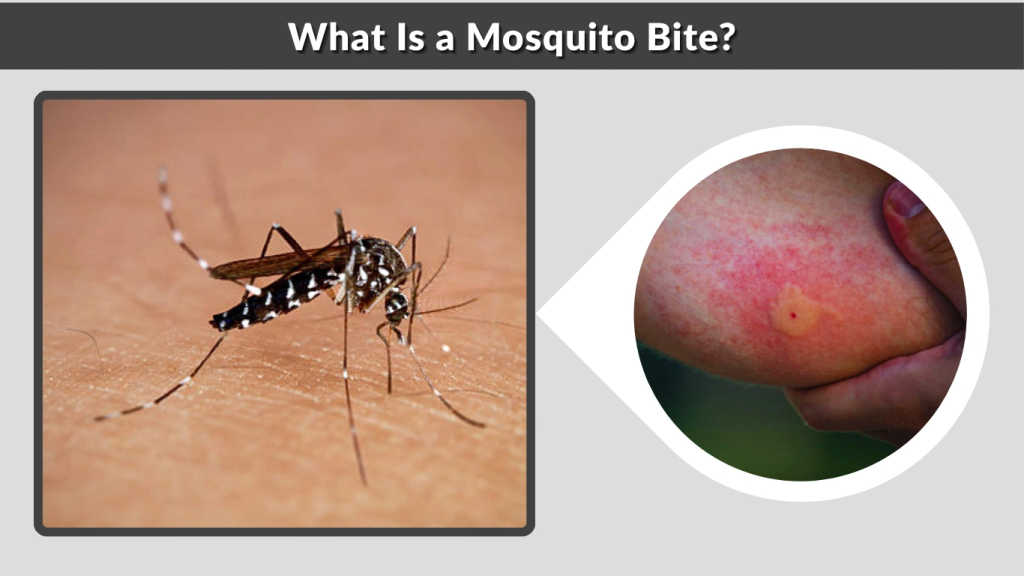
Mosquito bites occur when female mosquitoes feed on blood to support egg production. During the bite, a mosquito injects saliva into the skin, which prevents blood clotting. This saliva triggers the body’s immune response, leading to the familiar itching and swelling associated with mosquito bites.
Unlike spider bites, mosquito bites often happen repeatedly and in exposed areas such as the arms, legs, neck, and face. People usually notice the bite shortly after it occurs.
Common Mosquito Bite Symptoms
The most common symptom of a mosquito bite is itching, often accompanied by a small, raised bump on the skin. The bite area may appear red or slightly swollen and can become more irritated if scratched. Mosquito bites are usually painless at first, with itching developing soon afterward.
Some individuals experience stronger reactions, including larger welts or prolonged itching. These reactions are typically harmless but can be uncomfortable. Mosquito bites often appear in clusters or multiple spots rather than as a single isolated mark.
Health Risks Associated With Mosquito Bites
Beyond skin irritation, mosquito bites can pose health risks because mosquitoes can transmit diseases. The level of risk depends on geographic location and environmental conditions. While many mosquito bites result only in mild symptoms, awareness of potential disease transmission highlights the importance of prevention and proper bite care.
Spider Bite vs Mosquito Bite: Key Differences
Difference in Appearance
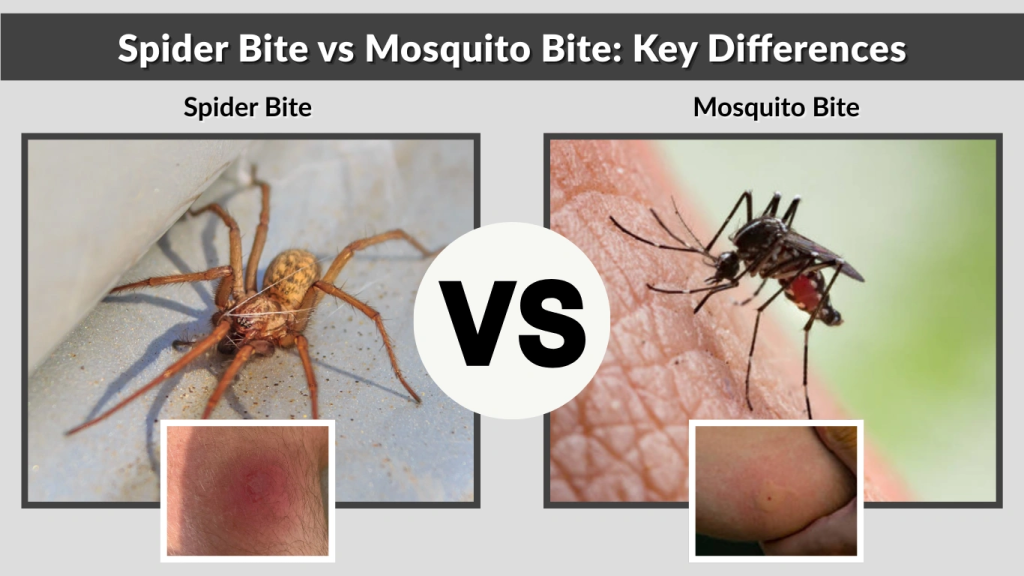
One of the main ways to tell a spider bite from a mosquito bite is by how it looks on the skin. Spider bites are usually singular and may show two small puncture marks where the fangs penetrated the skin, although these marks are not always visible. The area around a spider bite may appear red, swollen, or slightly bruised, and in some cases, a blister or sore may form.
Mosquito bites, on the other hand, are typically small, round, and raised. They often appear as itchy bumps with a pale center and a reddish border. Mosquito bites commonly occur in clusters or multiple spots, especially on exposed skin. Unlike spider bites, they rarely form blisters or open sores unless scratched excessively.
Pain Level and Itching Sensation
Pain and itching are key factors that distinguish these two types of bites. Spider bites are more likely to cause pain, burning, or stinging at or shortly after the bite occurs. The discomfort may increase over time, depending on the spider species and the body’s reaction.
Mosquito bites usually cause little to no pain initially. Instead, itching becomes the dominant symptom as the body reacts to the mosquito’s saliva. This itching can be intense and persistent, especially in individuals who are sensitive to mosquito bites. Scratching often worsens the irritation and increases the risk of infection.
Swelling and Inflammation
Swelling patterns also differ between spider bites and mosquito bites. Spider bites tend to cause localized swelling that may spread gradually around the bite area. In some cases, the swelling can become firm or tender to the touch.
Mosquito bites generally cause mild to moderate swelling that remains limited to the immediate area of the bite. The swelling usually subsides within a few days, although it may last longer if the bite is repeatedly scratched or if an allergic reaction occurs.
Healing Time and Skin Recovery
Most spider bites heal within one to two weeks, depending on severity. Mild bites may resolve in a few days, while more serious bites can take longer and may leave temporary skin discoloration or scarring.
Mosquito bites usually heal faster, often within a few days to a week. Once the itching stops and the swelling goes down, the skin typically returns to normal without lasting marks, unless excessive scratching has caused skin damage.
Spider Bite vs Mosquito Bite Pictures and Visual Clues
Visual identification can be helpful but should be approached with caution. Spider bites often appear more inflamed and may change over time, sometimes developing blisters or darker areas. Mosquito bites usually remain small and raised, with consistent redness and itching.
Because skin reactions vary widely, pictures alone may not provide a definitive answer. Observing additional symptoms such as pain level, itching intensity, and how the bite evolves can offer more reliable clues.
Treatment Options for Spider and Mosquito Bites
Home Treatment for Spider Bites
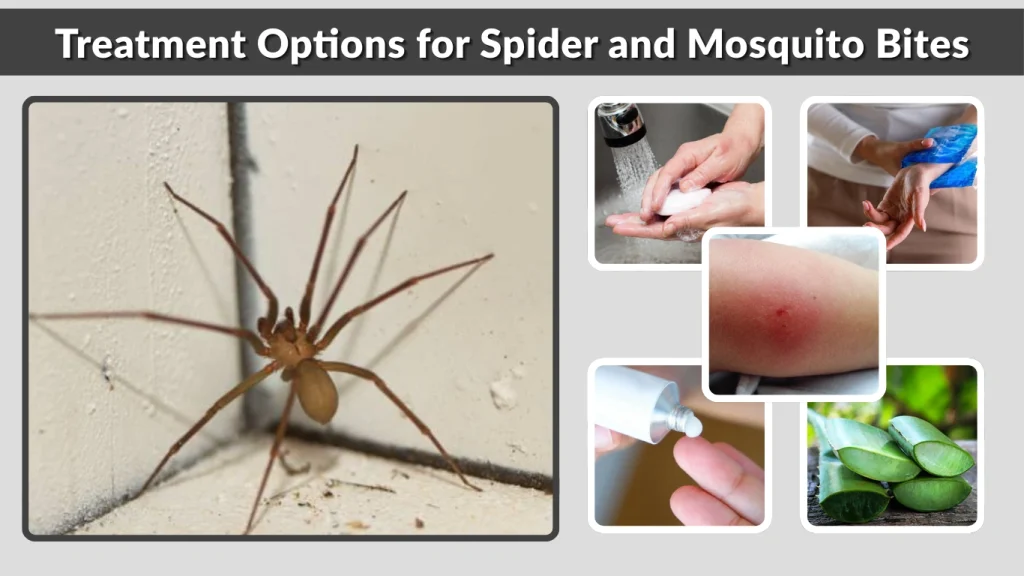
Mild spider bites can often be treated at home by gently cleaning the area with soap and water. Applying a cold compress can help reduce pain and swelling. Over-the-counter pain relievers may also ease discomfort. It is important to monitor the bite for signs of infection or worsening symptoms.
Home Treatment for Mosquito Bites
Mosquito bites usually respond well to simple home treatments. Anti-itch creams, calamine lotion, or oral antihistamines can help relieve itching and irritation. Keeping the area clean and avoiding scratching can speed up healing and prevent infection.
Medical Treatment and Medications
Medical treatment may be necessary if a bite shows signs of infection, severe pain, or systemic symptoms such as fever. In some cases, a doctor may prescribe antibiotics or other medications. Prompt medical care is especially important for bites that do not heal or continue to worsen.
When to See a Doctor
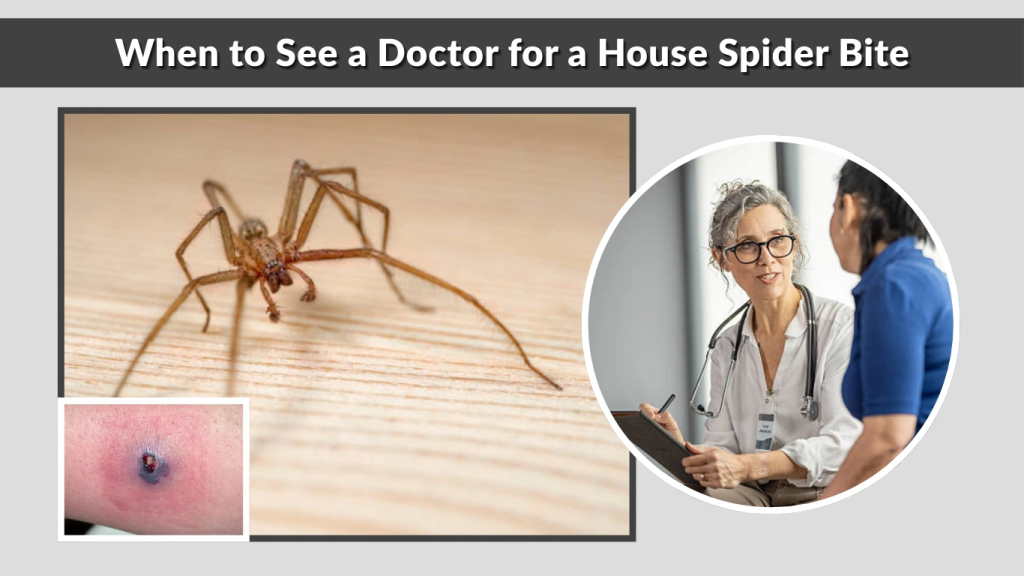
You should seek medical attention if a bite causes severe pain, spreading redness, fever, muscle cramps, or difficulty breathing. Non-healing wounds, signs of infection, or allergic reactions also warrant professional evaluation. Early treatment can prevent complications and promote faster recovery.
How to Prevent Spider and Mosquito Bites
Preventing Spider Bites at Home
Reducing clutter, sealing cracks, and regularly cleaning storage areas can help minimize spider habitats. Wearing gloves when handling stored items and shaking out clothing or bedding can also lower the risk of accidental spider bites.
Preventing Mosquito Bites Outdoors
Using insect repellents, wearing long sleeves, and avoiding areas with standing water can reduce mosquito exposure. Window screens and mosquito nets offer additional protection, especially in high-risk areas.
Conclusion
Spider bites and mosquito bites may look similar, but their causes, symptoms, and treatment needs are different. Spider bites are more likely to cause pain and localized swelling, while mosquito bites typically result in itching and mild irritation. Understanding these differences can help you respond appropriately and recognize when medical care is needed. In most cases, both types of bites are harmless and heal with simple care, but monitoring symptoms is key to ensuring a safe recovery.