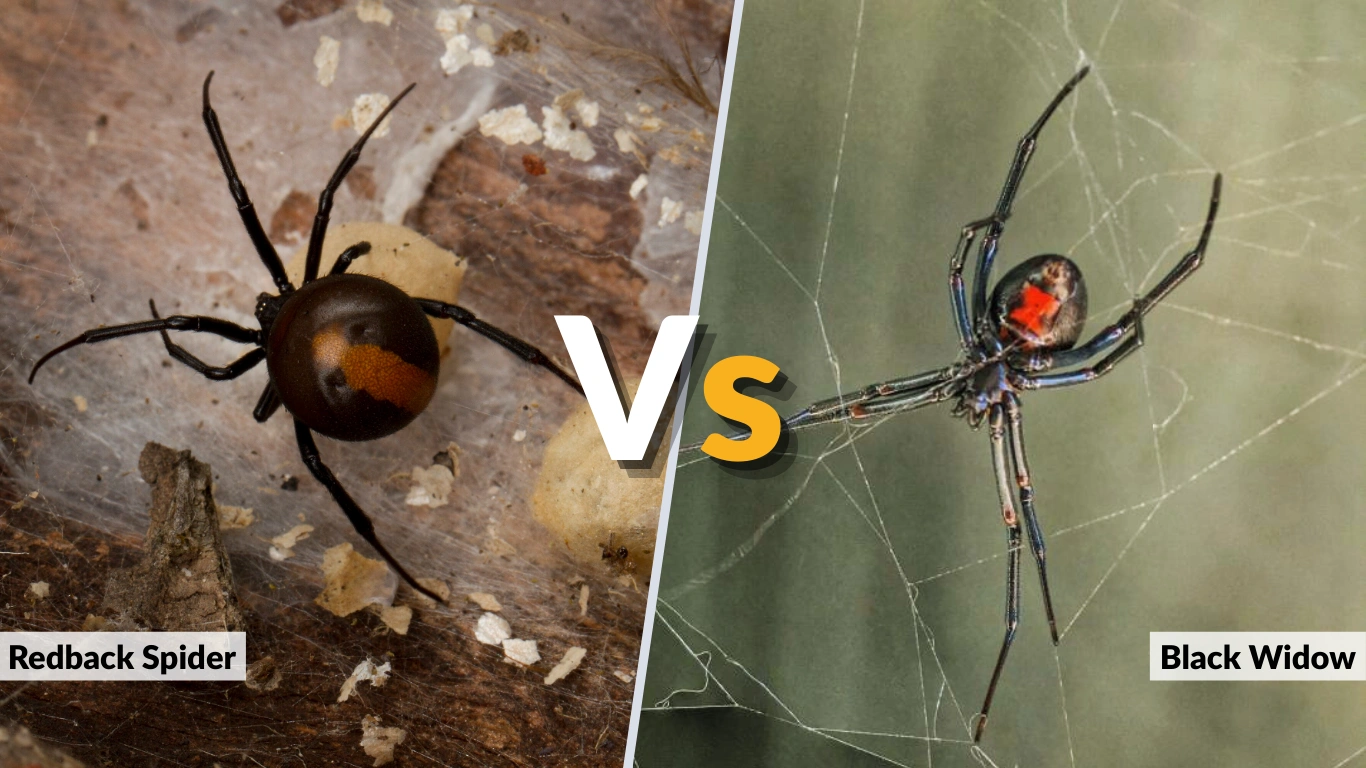
The redback spider and the black widow are two of the most notorious spiders in the world, often feared for their venomous bites and striking appearance. Because they belong to the same genus, many people assume they are the same spider or equally dangerous. In reality, while they share similarities, there are important differences in appearance, habitat, behavior, and venom effects. This article explores the key distinctions between the redback spider vs black widow to help you understand how they compare and what risks they actually pose to humans.
Overview of Redback Spider and Black Widow
What Is a Redback Spider?
The redback spider (Latrodectus hasselti) is a venomous spider native to Australia. It is best known for the bright red stripe that runs along the top of the adult female’s black abdomen. Redback spiders are commonly found in urban areas, often living close to human structures such as sheds, mailboxes, and outdoor furniture. Despite their fearsome reputation, redback spiders are generally shy and prefer to avoid human contact.
Female redback spiders are significantly larger and more venomous than males. Males are smaller, lighter in color, and rarely bite humans. Most medically significant bites come from adult females when they are disturbed or accidentally pressed against the skin.
What Is a Black Widow Spider?
Black widow spiders belong to the genus Latrodectus, which includes several species such as Latrodectus mactans (southern black widow) and Latrodectus hesperus (western black widow). These spiders are primarily found in North and South America, though related species exist in other regions.
The black widow is famous for the red hourglass-shaped marking on the underside of the female’s abdomen. Like redbacks, female black widows are much larger and more dangerous than males. Black widows typically live in dark, undisturbed places such as woodpiles, basements, garages, and outdoor debris.
Are Redback Spiders and Black Widows the Same?
Redback spiders and black widows are closely related but not the same species. Both belong to the Latrodectus genus, which explains their similar appearance and venom type. However, they evolved in different geographic regions and have distinct physical markings and behavioral traits.
One major reason for confusion is that their venom works in a similar way, affecting the nervous system. Despite this similarity, medical treatment and bite statistics vary slightly between the two spiders. Understanding these differences is important for accurate identification and appropriate response.
Physical Differences and Identification
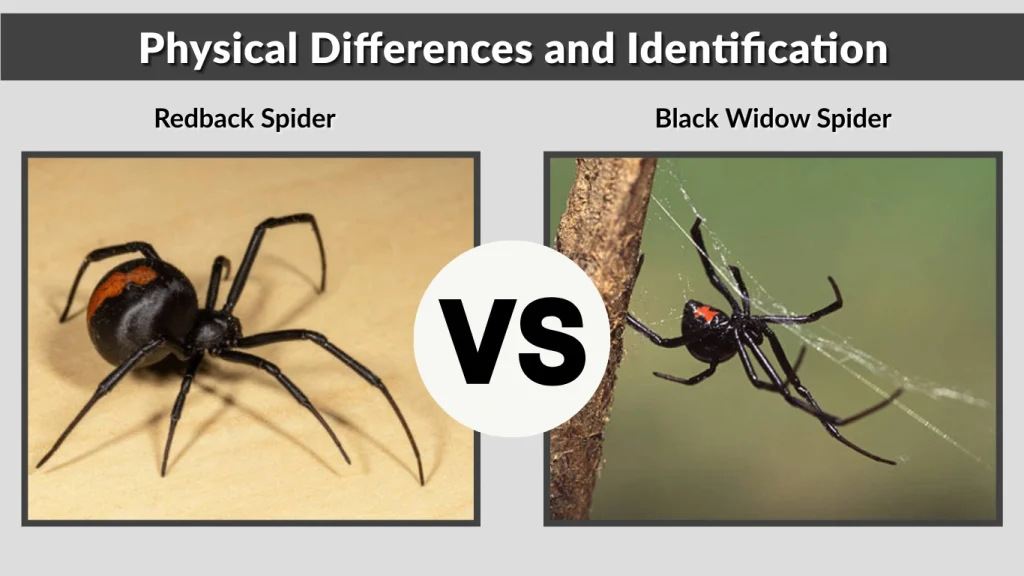
| Feature | Redback Spider | Black Widow Spider |
| Scientific Name | Latrodectus hasselti | Latrodectus spp. (e.g., L. mactans, L. hesperus) |
| Female Size | About 10 mm body length | About 8–13 mm body length (varies by species) |
| Male Size | Much smaller, around 3–4 mm | Much smaller than females, less noticeable |
| Body Shape | Rounded abdomen with slender legs | Rounded, bulbous abdomen with long legs |
| Primary Color | Glossy black | Glossy jet black |
| Distinctive Markings | Red or orange stripe on the top of the abdomen | Red hourglass marking on the underside of the abdomen |
| Marking Variations | Stripe may be broken or faint in some individuals | Hourglass may be incomplete or faded in juveniles |
| Web Type | Irregular, tangled web | Irregular, tangled web |
| Web Location | Low to the ground, near human structures | Dark, secluded areas like woodpiles and basements |
| Ease of Identification | Identified mainly by dorsal red stripe | Identified mainly by ventral red hourglass |
Habitat and Geographic Distribution
Where Redback Spiders Are Found
Redback spiders are native to Australia but have spread to parts of New Zealand, Southeast Asia, and the Middle East through human transport. They thrive in warm climates and adapt well to urban environments. It is common to find them around homes, especially in areas that are undisturbed for long periods.
Where Black Widows Live
Black widow spiders are widely distributed across North and South America, with some species also found in southern Europe and parts of Asia. They prefer warm, temperate climates and typically settle in dark, undisturbed locations. Common hiding spots include woodpiles, garages, crawl spaces, basements, and outdoor debris.
Unlike redback spiders, black widows are more often found in natural environments rather than close to constant human activity. However, they can still appear around homes, especially in cluttered outdoor areas. Their ability to remain hidden is one reason encounters with black widows often come as a surprise.
Behavior and Temperament
When comparing redback spider vs black widow behavior, both species are generally non-aggressive. They do not seek out humans and will usually retreat if given the chance. Bites most commonly occur when a spider is accidentally pressed against the skin, such as when putting on gloves, moving outdoor furniture, or reaching into dark spaces.
Redback spiders tend to remain in their webs and show limited movement. Black widows may be slightly more mobile, especially when searching for food or mates. Despite their intimidating reputation, both spiders bite defensively rather than offensively.
Venom and Bite Comparison
Redback Spider Venom Effects
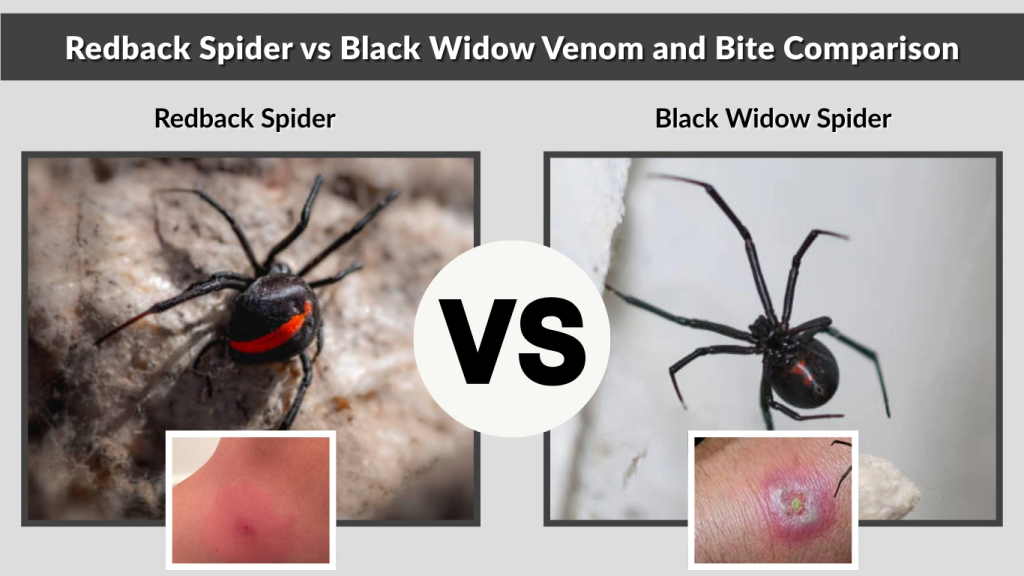
Redback spider venom contains neurotoxins that affect the nervous system. A bite may cause localized pain, swelling, and redness, which can spread to nearby areas. In some cases, symptoms include sweating, nausea, muscle pain, and headache.
While redback bites can be painful, serious complications are rare. Antivenom is available in Australia and is used primarily for severe cases or vulnerable individuals. Most people recover fully with proper medical care.
Black Widow Venom Effects
Black widow venom is also neurotoxic and is known to cause a condition called latrodectism. Symptoms may include intense muscle cramps, abdominal pain, chest tightness, sweating, and restlessness. Pain can spread throughout the body within a few hours of the bite.
Although black widow bites can be extremely uncomfortable, fatalities are very rare. Modern medical treatment focuses on pain management and monitoring symptoms. Antivenom exists but is typically reserved for severe reactions.
Which Bite Is More Dangerous?
In terms of venom potency, black widow venom is often considered slightly stronger than redback venom. However, the overall risk to humans depends on factors such as the amount of venom injected, the person’s age, health, and how quickly medical care is received.
Both bites are rarely fatal, and deaths have become extremely uncommon due to advances in medical treatment. For most healthy adults, neither spider poses a significant long-term threat.
Risk to Humans
The actual risk posed by redback spiders and black widows is often overstated. Bites are relatively uncommon, and most encounters do not result in injury. Children, the elderly, and individuals with underlying health conditions are more likely to experience severe symptoms.
In most cases, prompt medical attention ensures a full recovery. Awareness and prevention play a key role in reducing the already low risk associated with these spiders.
How to Prevent Spider Bites
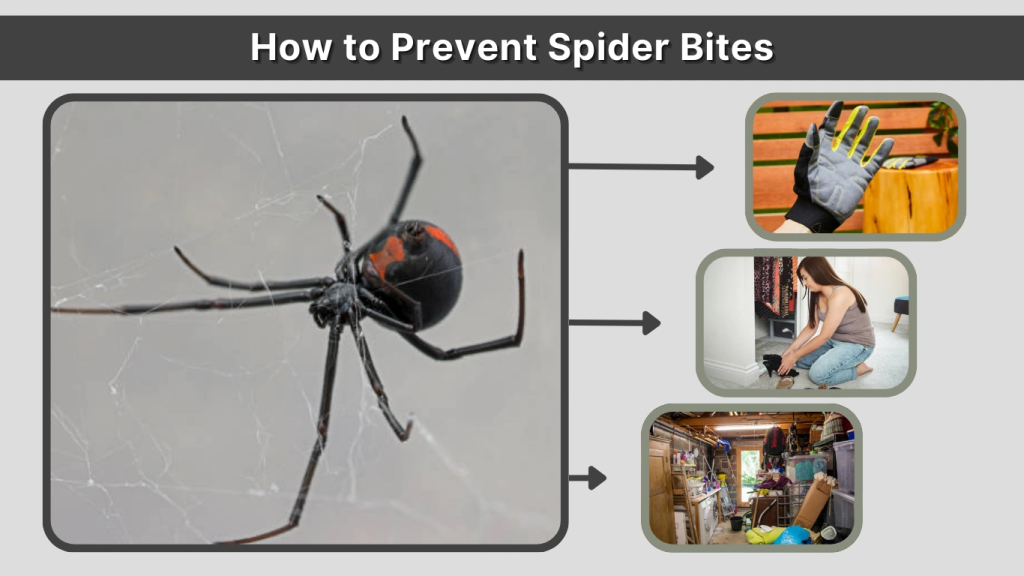
- Wear gloves when handling wood, debris, or outdoor furniture
- Shake out shoes and clothing before wearing them
- Reduce clutter in garages and storage areas
- Seal cracks and gaps around doors and windows
- Avoid placing hands in dark, undisturbed spaces
If bitten, clean the area, apply a cold pack, and seek medical advice if symptoms worsen.
Redback Spider vs Black Widow – Quick Comparison
- Appearance: Red stripe (redback) vs red hourglass (black widow)
- Location: Australia vs Americas and other regions
- Venom: Neurotoxic in both species
- Aggression: Low in both
- Medical Risk: Rarely serious with treatment
Conclusion
The redback spider and the black widow are closely related but not identical. While both belong to the Latrodectus genus and possess potent venom, they differ in appearance, geographic range, and some behavioral traits. Despite their fearsome reputation, neither spider is naturally aggressive, and serious outcomes from bites are rare. Understanding the real differences between redback spider vs black widow helps reduce fear and encourages informed, practical responses rather than panic.
FAQs
Is a redback spider more dangerous than a black widow?
Both spiders are venomous and medically significant, but neither is usually life-threatening. Black widow venom is often considered slightly more potent, while redback bites are more common in Australia. With modern medical treatment, serious complications from either bite are rare.
Are redback spiders and black widows the same species?
No, they are not the same species. Redback spiders and black widows belong to the same genus (Latrodectus), which makes them closely related. However, they are different species with distinct markings, geographic ranges, and minor behavioral differences.
Can redback spiders and black widows interbreed?
There is no evidence that redback spiders and black widows naturally interbreed in the wild. Although they are closely related, they evolved in different regions and remain genetically distinct species.
What should I do if I am bitten by a redback or black widow?
If bitten, clean the area with soap and water and apply a cold pack to reduce pain and swelling. Seek medical attention if symptoms become severe, spread beyond the bite area, or if the victim is a child, elderly, or has underlying health conditions.
How can I tell if a spider is a black widow or a redback?
The easiest way is to check the markings. Redback spiders usually have a red stripe on the top of the abdomen, while black widows typically have a red hourglass marking on the underside. Location also helps, as redbacks are mainly found in Australia.
Should I kill a redback or black widow spider if I find one?
Killing spiders is not necessary in most cases. Both redbacks and black widows are not aggressive and play a role in controlling insect populations. If one is found near living areas, safely relocating it or contacting pest control is a better option.