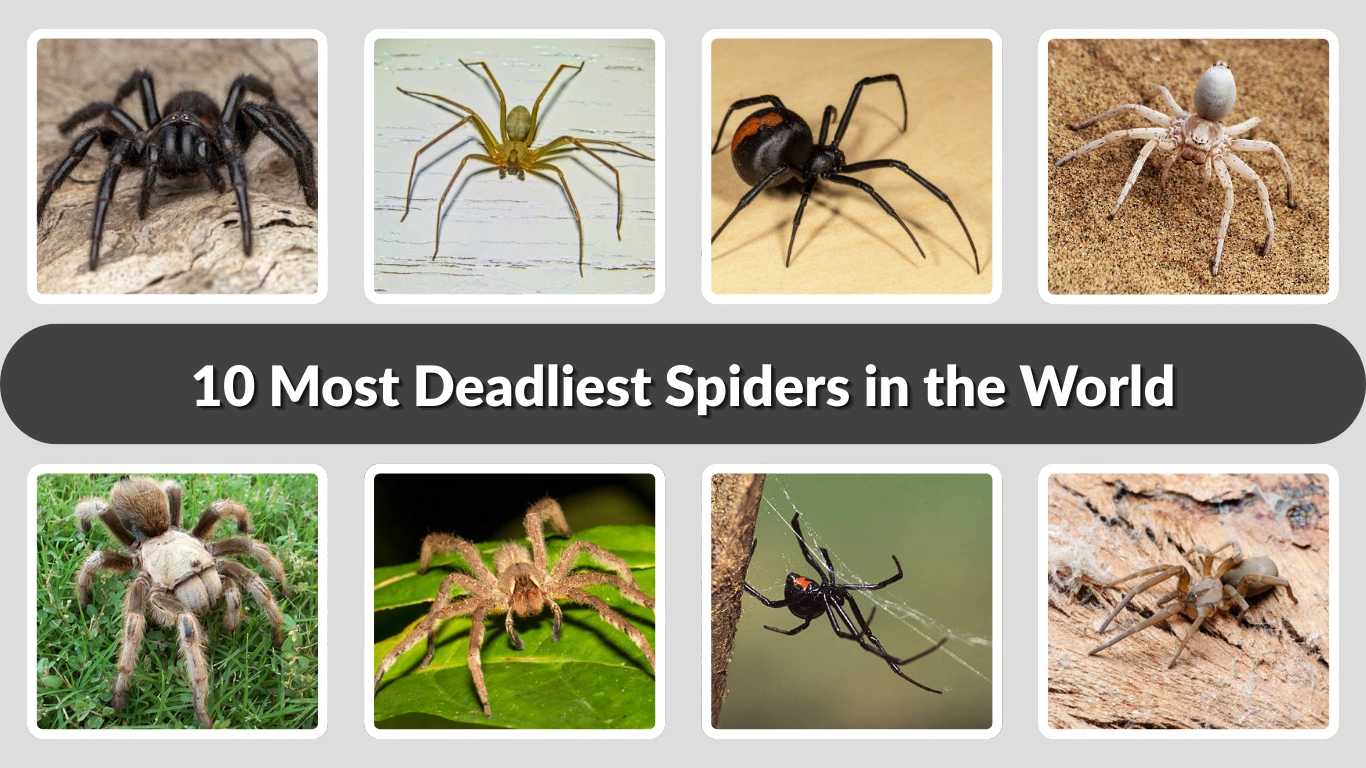
Spiders are among the most misunderstood creatures on Earth. While the vast majority are harmless to humans, a small number possess venom capable of causing severe pain, tissue damage, or life-threatening medical complications. These spiders become dangerous primarily when accidentally disturbed or threatened. In this article, we explore the world’s deadliest spiders, focusing on species known for highly toxic venom, aggressive defensive behavior, and a documented history of medically significant bites.
1. Sydney Funnel-Web Spider
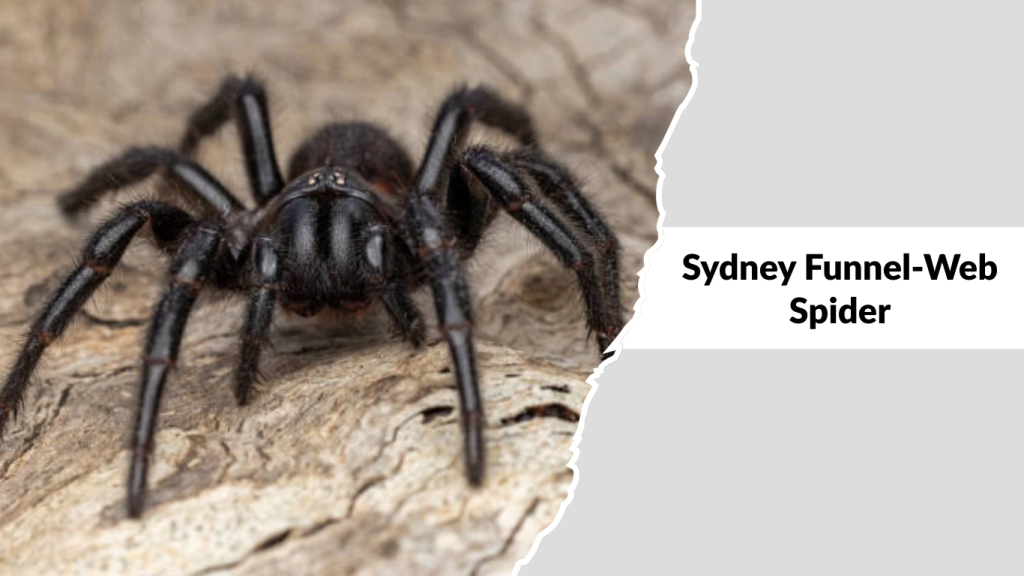
The Sydney funnel-web spider is widely regarded as the deadliest spider in the world due to its extremely potent venom and aggressive defensive behavior. Native to eastern Australia, this spider has a long history of causing life-threatening bites, particularly before the development of effective antivenom. Its ability to deliver large amounts of venom in a single bite makes it especially dangerous to humans.
Identification
- Glossy black or dark brown body
- Large, powerful fangs
- Medium to large size (up to 5 cm body length)
- Funnel-shaped silk burrow in moist soil
Venom Toxicity
The venom contains atracotoxin, a powerful neurotoxin that directly attacks the human nervous system. It can disrupt nerve signaling within minutes, making rapid medical treatment critical.
Bite Symptoms
Symptoms may include severe pain, muscle twitching, excessive sweating, numbness, vomiting, difficulty breathing, and loss of consciousness if untreated.
Risk to Humans
This spider is highly defensive and capable of biting multiple times in one encounter. Adult males are responsible for most serious bites and are often found in human dwellings during mating season, increasing the risk of dangerous encounters.
2. Brazilian Wandering Spider
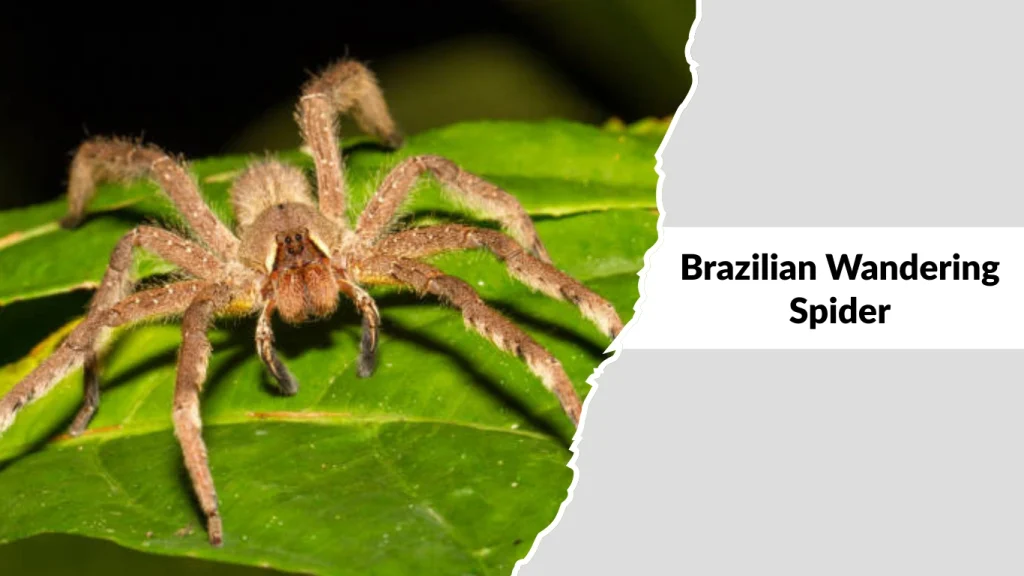
The Brazilian wandering spider is often ranked as the most venomous spider in the world based on toxin strength. Found throughout South and Central America, this spider does not rely on webs to catch prey and instead actively hunts at night, which increases the chances of accidental encounters with humans.
Identification
- Brown body with darker markings
- Long, muscular legs adapted for fast movement
- Body length up to 5 cm with a leg span reaching 15 cm
- Frequently found in banana plantations, leaf litter, and homes
Venom Toxicity
Its venom contains powerful neurotoxins that interfere with nerve transmission and can cause rapid systemic effects. Even small amounts of venom are capable of triggering severe reactions in humans.
Bite Symptoms
Bite symptoms include intense pain, excessive sweating, drooling, nausea, vomiting, muscle tremors, rapid heartbeat, and in severe cases, paralysis. Some bites may also cause prolonged and painful erections, a rare but serious medical condition.
Risk to Humans
This spider is defensive and quick to strike when threatened. Because it often hides in shoes, clothing, and agricultural produce, accidental bites are relatively common in regions where it lives.
3. Black Widow Spider
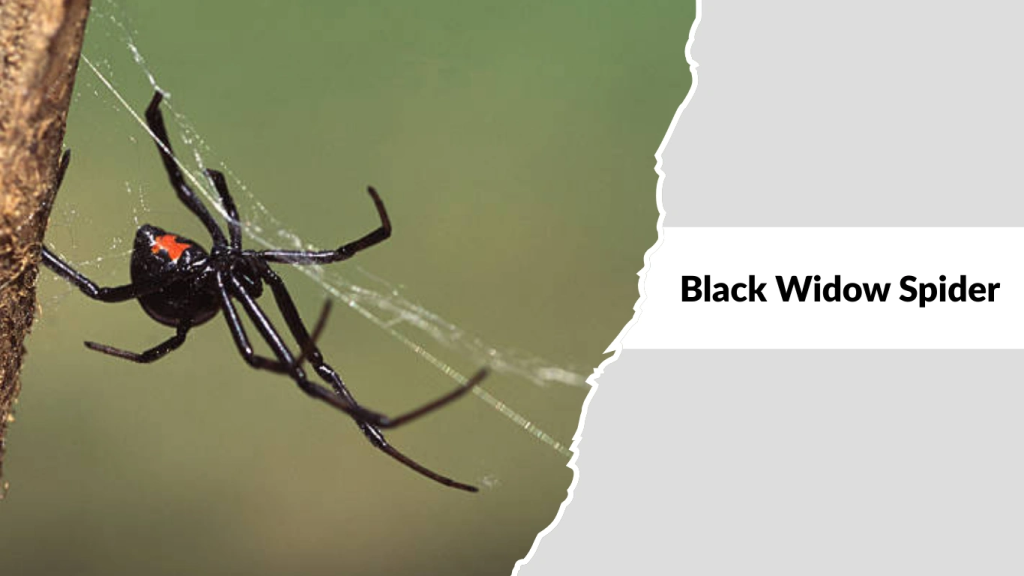
The black widow spider is one of the most well-known and feared spiders in the world. Found across North America, Europe, Africa, and parts of Asia, it is infamous for its potent venom and distinctive appearance. Although bites are rarely fatal today, they can cause severe pain and serious medical symptoms.
Identification
- Shiny black body
- Red hourglass marking on the underside of the abdomen
- Females much larger than males
- Builds irregular, tangled webs near ground level
Venom Toxicity
Black widow venom contains latrotoxin, a powerful neurotoxin that causes massive release of neurotransmitters, leading to intense muscle contractions and pain.
Bite Symptoms
Symptoms may include sharp initial pain, severe muscle cramps, abdominal rigidity, sweating, nausea, headache, and increased blood pressure. Effects can last from several hours to days.
Risk to Humans
Black widows are not aggressive and usually bite only when accidentally pressed or threatened. Most bites occur in garages, woodpiles, and outdoor storage areas, making awareness and caution effective prevention measures.
4. Brown Recluse Spider
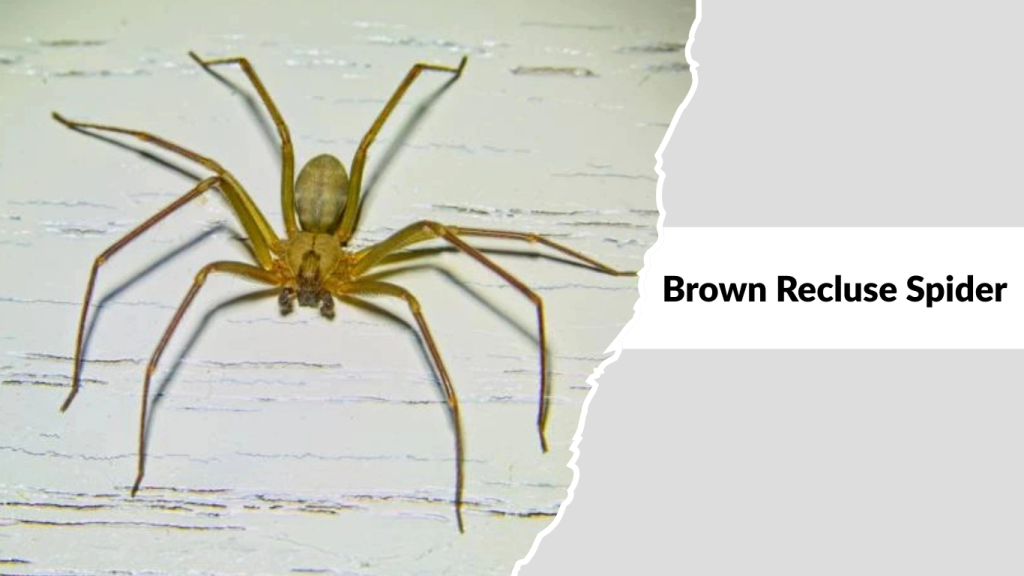
The brown recluse spider is one of the most medically significant spiders, particularly in North America. Known for its shy nature, this spider rarely bites unless disturbed, but its venom can cause severe tissue damage in certain cases.
Identification
- Light to dark brown body
- Distinct violin-shaped marking on the cephalothorax
- Six eyes arranged in three pairs
- Small to medium size with long, thin legs
Venom Toxicity
The venom contains necrotic enzymes that destroy skin cells and underlying tissue. While systemic reactions are uncommon, the localized effects can be severe if left untreated.
Bite Symptoms
Bites are often painless at first but may progress to redness, blistering, intense pain, and open sores. In rare cases, fever, nausea, and serious complications can occur.
Risk to Humans
Brown recluse spiders live in dark, undisturbed areas such as closets, shoes, and storage boxes. Bites typically happen when the spider is trapped against the skin, making accidental contact the primary risk factor.
5. Redback Spider
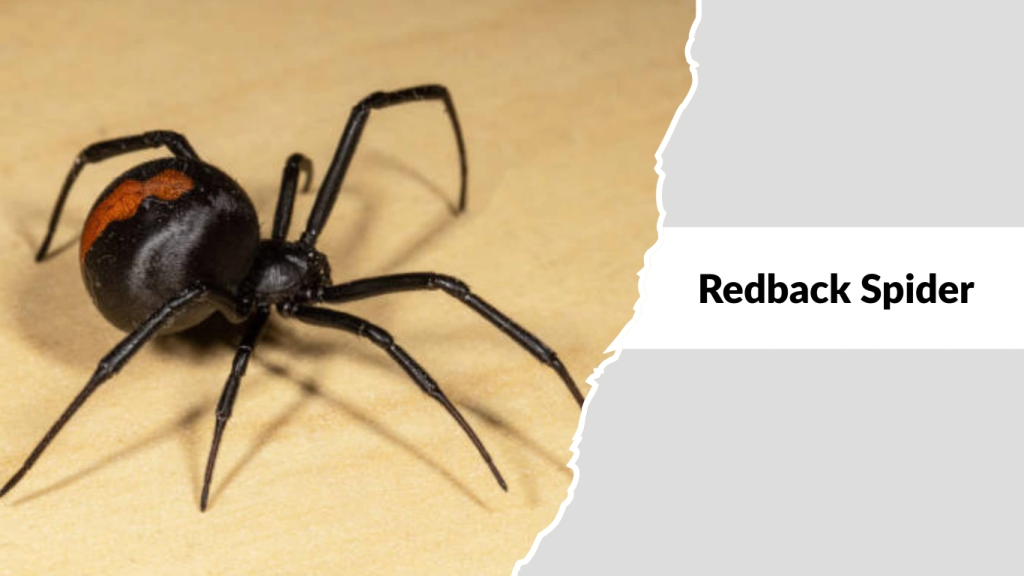
The redback spider is one of the most dangerous spiders in Australia and a close relative of the black widow. It is responsible for a large number of spider bite incidents each year, though fatalities are now extremely rare due to effective antivenom.
Identification
- Black body with a red or orange stripe on the back
- Females significantly larger than males
- Long front legs
- Builds messy, tangled webs in sheltered locations
Venom Toxicity
Redback venom contains potent neurotoxins similar to those of the black widow. The venom affects the nervous system, causing prolonged pain and systemic symptoms if untreated.
Bite Symptoms
Symptoms commonly include intense localized pain, sweating, nausea, headache, muscle weakness, and swollen lymph nodes. Pain may persist for days or even weeks.
Risk to Humans
Redback spiders are not aggressive but will bite defensively when threatened. They often live around homes, sheds, and outdoor furniture, increasing the likelihood of accidental encounters.
6. Mouse Spider
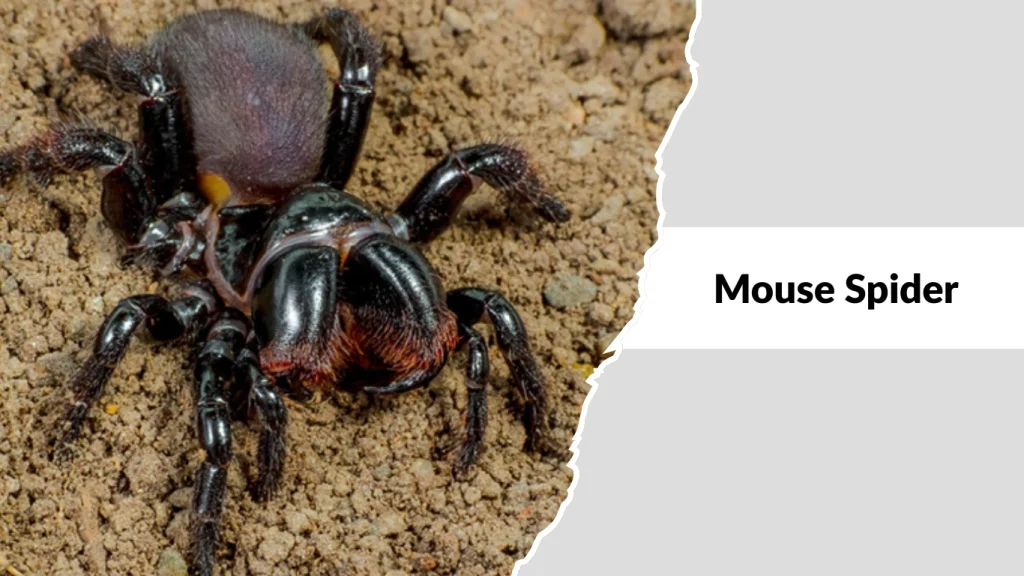
The mouse spider is a highly venomous species native to Australia and is often confused with the Sydney funnel-web spider due to its similar appearance. Although encounters are rare, this spider is considered extremely dangerous because of its powerful venom and long fangs.
Identification
- Shiny black or dark brown body
- Large head with thick legs
- Males may have red coloring on the jaws or head
- Lives in deep burrows with trapdoor-like entrances
Venom Toxicity
Mouse spider venom contains strong neurotoxins that closely resemble funnel-web venom. While bites are uncommon, the venom can cause severe neurological effects if untreated.
Bite Symptoms
Symptoms may include intense pain, sweating, muscle twitching, nausea, numbness, and difficulty breathing. In severe cases, symptoms can escalate rapidly.
Risk to Humans
Most serious bites occur when wandering males encounter humans during mating season. Funnel-web antivenom is effective against mouse spider venom, significantly reducing the risk of fatal outcomes.
7. Six-Eyed Sand Spider
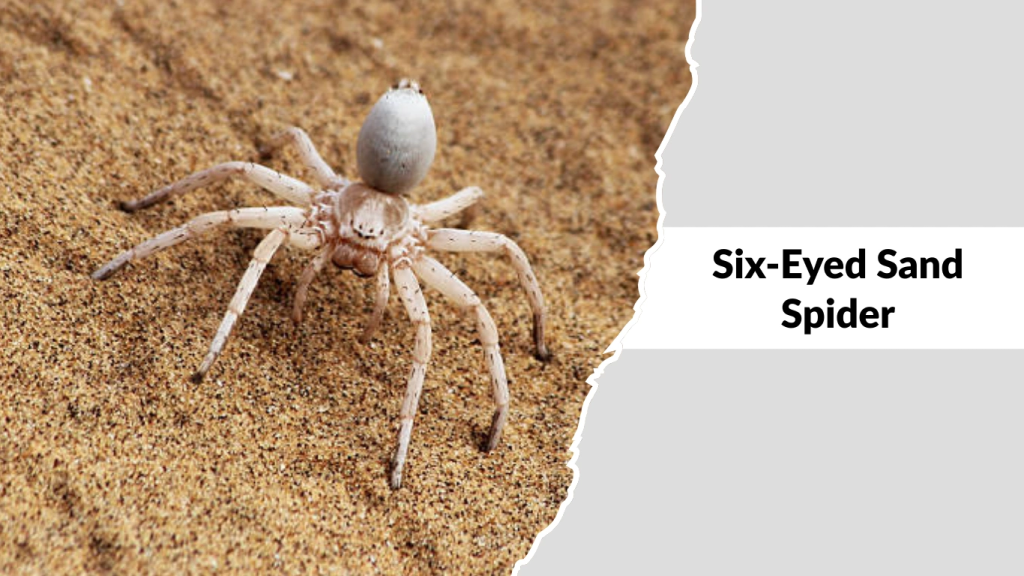
The six-eyed sand spider is considered one of the most dangerous spiders in the world due to the extreme potency of its venom. Native to the deserts of southern Africa and parts of South America, it is highly reclusive and rarely encountered by humans.
Identification
- Sandy brown or reddish body color
- Six eyes arranged in three pairs
- Flat, crab-like body shape
- Excellent camouflage, often buried under sand
Venom Toxicity
Its venom is both cytotoxic and hemolytic, meaning it destroys tissue and red blood cells. Laboratory studies suggest the venom is extremely powerful, although confirmed human bite cases are very rare.
Bite Symptoms
Potential symptoms include severe tissue necrosis, internal bleeding, blood clotting disorders, and possible organ failure. Due to the rarity of bites, full clinical effects are not well documented.
Risk to Humans
The risk to humans is low because this spider avoids contact and lives in remote desert regions. However, the lack of antivenom and the venom’s potency make any confirmed bite a serious medical emergency.
8. Chilean Recluse Spider
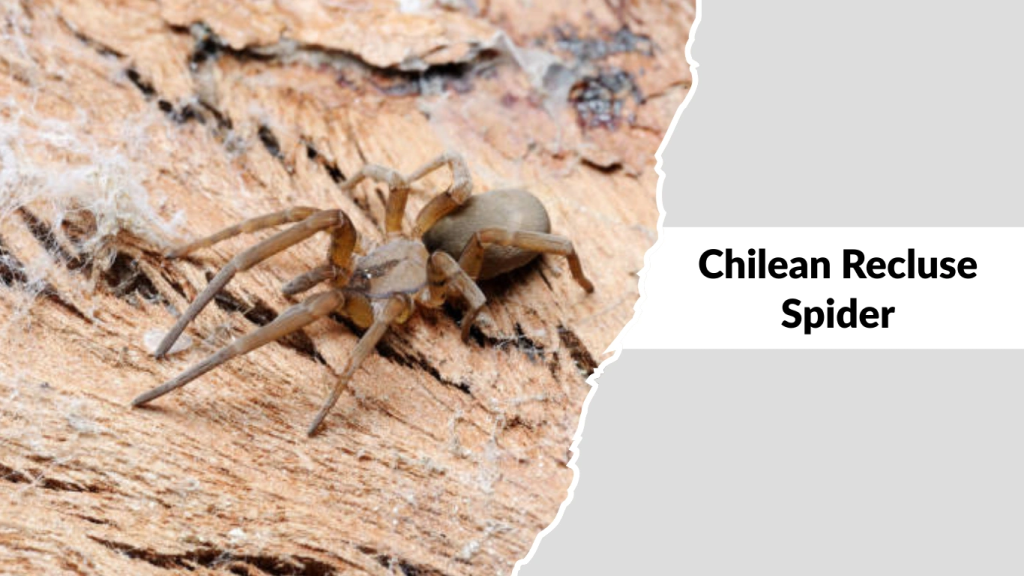
The Chilean recluse spider is widely regarded as the most dangerous recluse species and is responsible for the majority of severe spider bite cases in South America. Unlike many other dangerous spiders, it commonly lives inside human homes, increasing the risk of bites.
Identification
- Light brown to tan body
- Dark violin-shaped marking on the cephalothorax
- Long, slender legs
- Medium-sized body with fine hairs
Venom Toxicity
Its venom contains powerful necrotic toxins, especially sphingomyelinase D, which can destroy skin tissue and damage red blood cells. This makes its venom far more dangerous than that of other recluse spiders.
Bite Symptoms
Symptoms may begin with mild discomfort but can progress to severe skin necrosis, blistering, fever, nausea, hemolysis, kidney failure, and in extreme cases, death.
Risk to Humans
This spider frequently hides in clothing, bedding, shoes, and behind furniture. Children, elderly individuals, and those with weakened immune systems face the highest risk of severe reactions.
9. Chinese Bird Spider
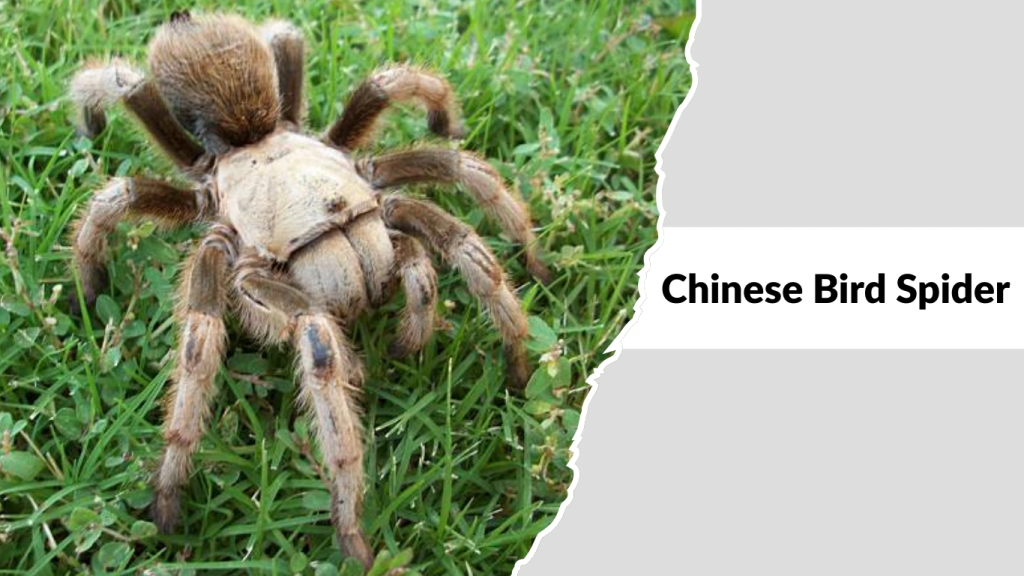
The Chinese bird spider is a large and highly defensive tarantula species native to parts of China and Vietnam. While it does not commonly attack humans, its size, speed, and potent venom make it one of the deadliest spiders when bites do occur.
Identification
- Large, dark brown to black hairy body
- Thick, powerful legs with spines
- Body length up to 6 cm with a leg span exceeding 15 cm
- Lives in burrows, under rocks, or in forested areas
Venom Toxicity
Unlike most tarantulas, the Chinese bird spider possesses medically significant venom containing neurotoxic compounds. Its venom is capable of causing serious systemic reactions in humans.
Bite Symptoms
Symptoms may include severe pain, swelling, muscle cramps, fever, nausea, numbness, and in rare cases, breathing difficulties or neurological complications.
Risk to Humans
This spider is aggressive when threatened and may strike repeatedly. Encounters are more common in rural areas, and the lack of a specific antivenom increases the danger of severe outcomes.
10. Yellow Sac Spider
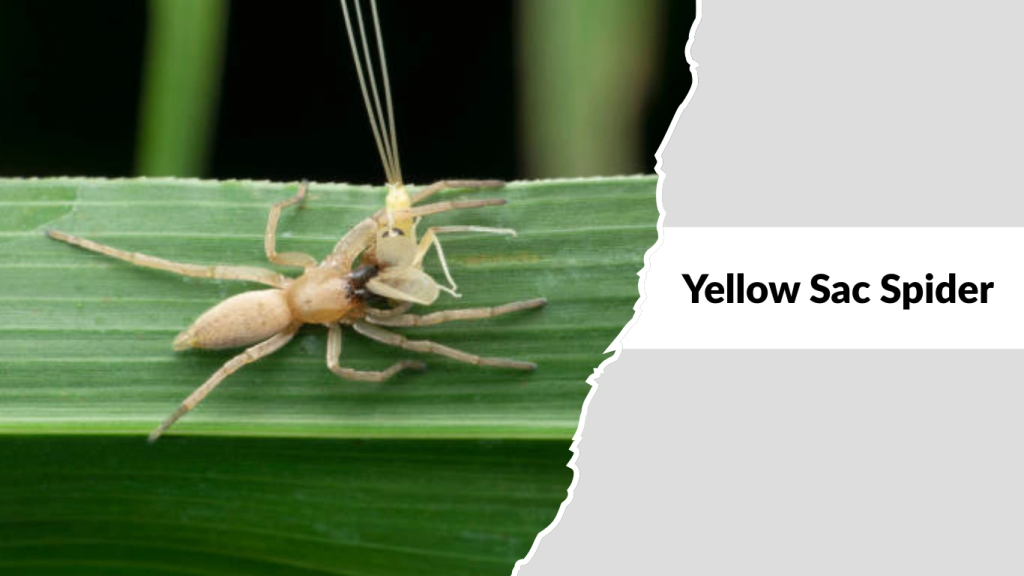
The yellow sac spider is a small but medically important spider found across North America, Europe, and parts of Asia. Despite its size, it is responsible for a large number of spider bites due to its habit of living in close proximity to humans.
Identification
- Pale yellow to light green body
- Darker mouthparts
- Slender legs and oval-shaped abdomen
- Builds small silk sacs in corners of walls and ceilings
Venom Toxicity
Its venom is mildly cytotoxic and can damage skin cells, though it is not usually life-threatening. The venom is strong enough to cause painful reactions but rarely leads to severe complications.
Bite Symptoms
Bites are typically immediately painful and may cause redness, swelling, itching, and a burning sensation. Mild blistering or small ulcers can occur, but symptoms usually resolve within a few days.
Risk to Humans
Yellow sac spiders are nocturnal and often wander indoors at night. They are more likely to bite than many other spiders when trapped against skin, making them one of the most common causes of spider bites reported to medical professionals.
FAQs
What is the deadliest spider in the world?
The Sydney funnel-web spider is widely considered the deadliest spider due to its extremely potent venom and aggressive behavior, especially toward humans.
Are deadly spiders aggressive by nature?
Most deadly spiders are not naturally aggressive. Bites usually occur when the spider is threatened, handled, or accidentally trapped against the skin.
Can modern medicine prevent death from spider bites?
Yes. With timely medical treatment and the availability of antivenom, deaths from spider bites are now extremely rare in most parts of the world.
Which regions have the most dangerous spiders?
Australia, South America, and parts of Africa are known for having some of the world’s most dangerous spider species due to their venom potency and human proximity.
What should you do if bitten by a dangerous spider?
Seek medical attention immediately, especially if symptoms include severe pain, muscle spasms, spreading redness, or difficulty breathing. Avoid home remedies and keep the affected area still.