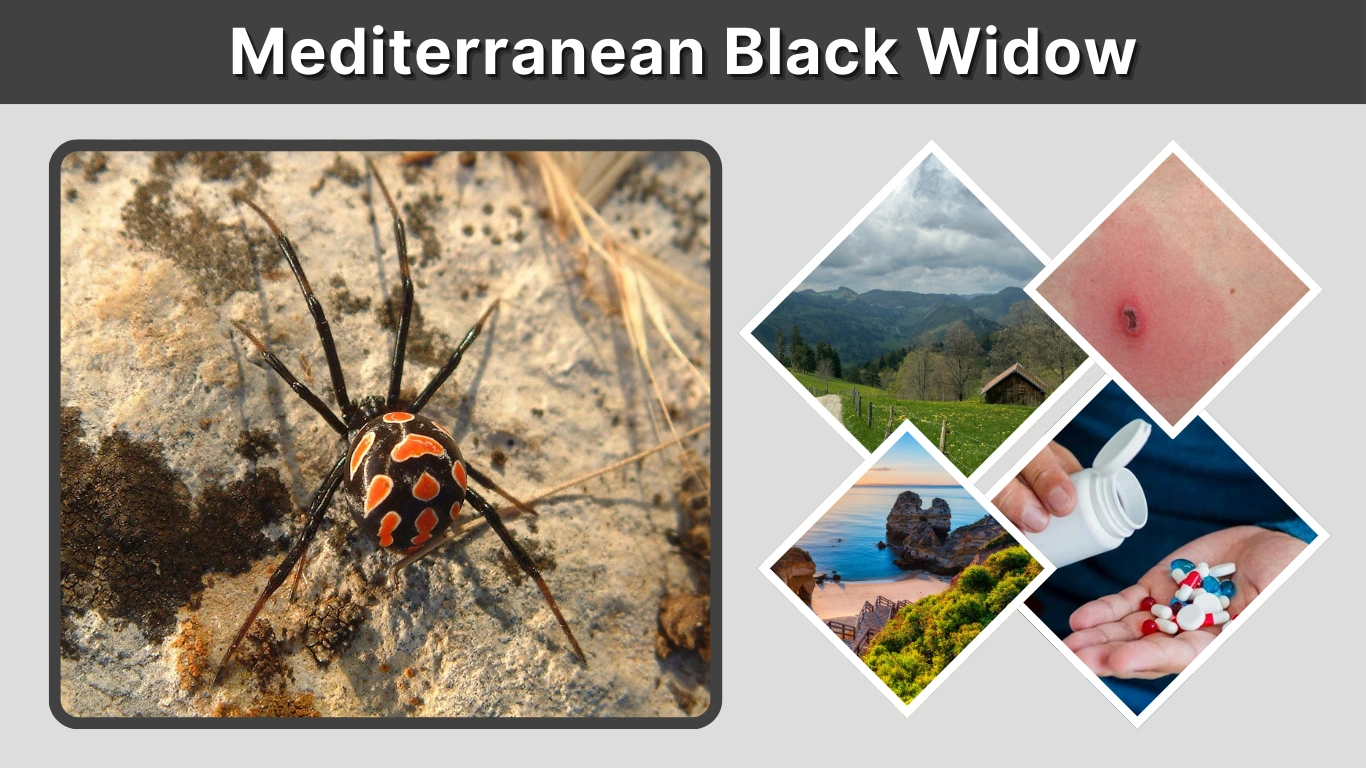
The Mediterranean black widow (Latrodectus tredecimguttatus) is one of the most recognized venomous spiders across Southern Europe and the Mediterranean Basin. Its reputation for potent venom makes it a species people frequently search for, especially in regions where encounters are becoming more common. This guide explains its appearance, habitat, bite symptoms, and what to do if you encounter one, along with comparisons to other black widow species.
Identification & Size
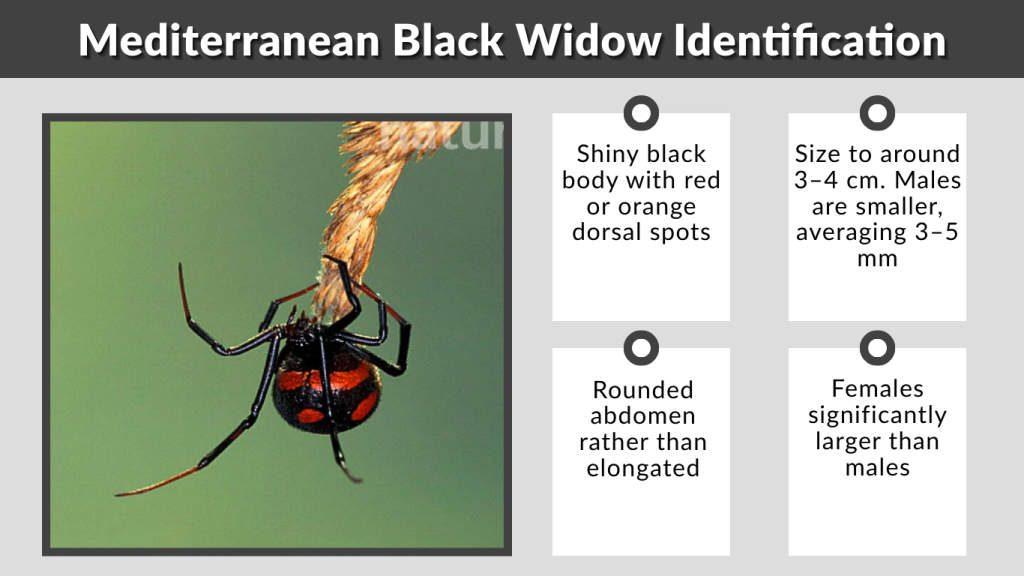
Recognizing the Mediterranean black widow is essential for anyone living or traveling in high-risk regions.
Key Physical Features
- Shiny black body with red or orange dorsal spots
- Rounded abdomen rather than elongated
- Long, slender legs
- Females significantly larger than males
Size Details
Female Mediterranean black widows typically reach 1–1.5 cm in body length, with legs extending their overall size to around 3–4 cm. Males are smaller, averaging 3–5 mm, and are less frequently seen by humans. Their compact size means they often remain unnoticed until disturbed.
Male vs Female Differences
Females are the most recognizable due to their bold coloration and larger size. Males, by contrast, are lighter in color, smaller, and less aggressive. In most cases, only females deliver medically significant bites, as males rarely bite and produce far less venom.
Habitat & Distribution
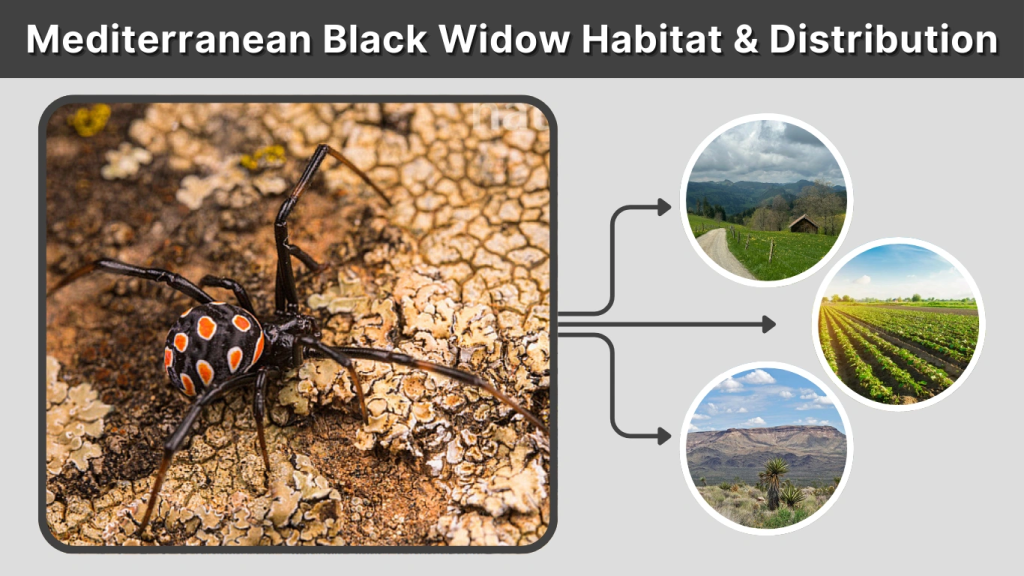
The Mediterranean black widow has a broad habitat range centered around warm climates and dry vegetation zones.
Where the Mediterranean Black Widow Lives
This species is native to:
- Southern Europe
- Mediterranean coastlines
- North Africa
- Middle Eastern regions
Its preferred environments include rural landscapes, farmlands, and semi-arid areas, but it also adapts well to urban edges where vegetation and debris provide shelter.
Distribution Map (Described)
The highest concentrations are found in countries like Spain, Italy, Greece, Turkey, and Portugal. Populations extend eastward into Iran and southward into Egypt and Libya. Reports indicate gradual expansion due to warming climates and human travel patterns.
Common Locations
Mediterranean black widows frequently hide in:
- Stone walls
- Storage sheds
- Wood piles
- Abandoned equipment
- Dry grasslands and farmland structures
- Corners of outdoor furniture
Their webs are low to the ground, irregular, and messy, often tucked into cracks or beneath sheltered surfaces.
Behavior & Life Cycle
The Mediterranean black widow is a nocturnal species, most active during warm nights. It typically waits motionless within its tangled web, relying on vibrations to detect prey. Its diet includes flies, beetles, grasshoppers, and other small insects.
Reproduction occurs in late spring or early summer. Females can produce multiple egg sacs per season, each containing dozens to hundreds of spiderlings. The young disperse by ballooning—a behavior in which they release silk strands that carry them on the wind, contributing to the species’ wide distribution.
Venom & Bite Information
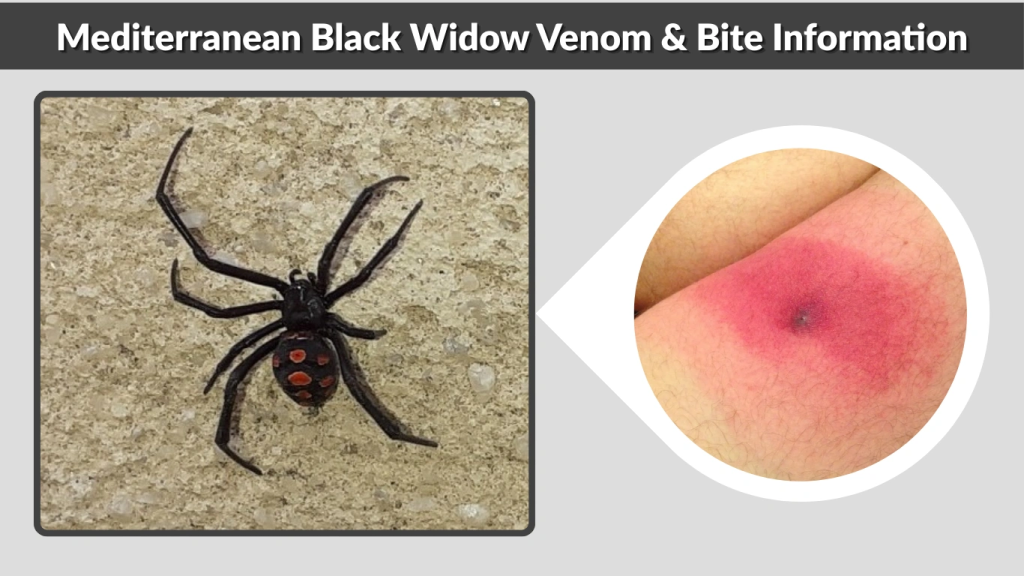
A major source of concern is the spider’s venom, which is among the most potent of all widow species.
Is the Mediterranean Black Widow Poisonous?
Yes. Its venom contains neurotoxins that affect the nervous system, producing a condition known as latrodectism. While rarely fatal with modern medical care, the bite can cause intense pain and widespread symptoms. Compared to North American widows, the Mediterranean species delivers a similar level of toxicity but may be encountered more frequently in certain regions.
Bite Symptoms
A Mediterranean black widow bite is often initially painless or feels like a mild pinprick. Within 15 minutes to 2 hours, symptoms begin to intensify as the neurotoxic venom spreads through the nervous system.
Typical Bite Symptoms
- Sharp, burning pain at the bite site
- Muscle cramping, especially in the abdomen and back
- Sweating, sometimes in isolated patches
- Nausea or vomiting
- Restlessness or anxiety
- Elevated blood pressure
- Headache or dizziness
In some cases, the pain becomes severe enough that victims mistake it for kidney stones, appendicitis, or a heart problem. Symptoms may last from several hours to a few days, though full recovery can take longer depending on individual health factors.
Variability in Symptoms
Children, elderly individuals, and those with underlying health issues may experience stronger reactions. Meanwhile, healthy adults often recover without medical complications, though the pain can be intense. Secondary infections are rare but possible if the bite is scratched or irritated.
Bite vs Other Black Widow Species
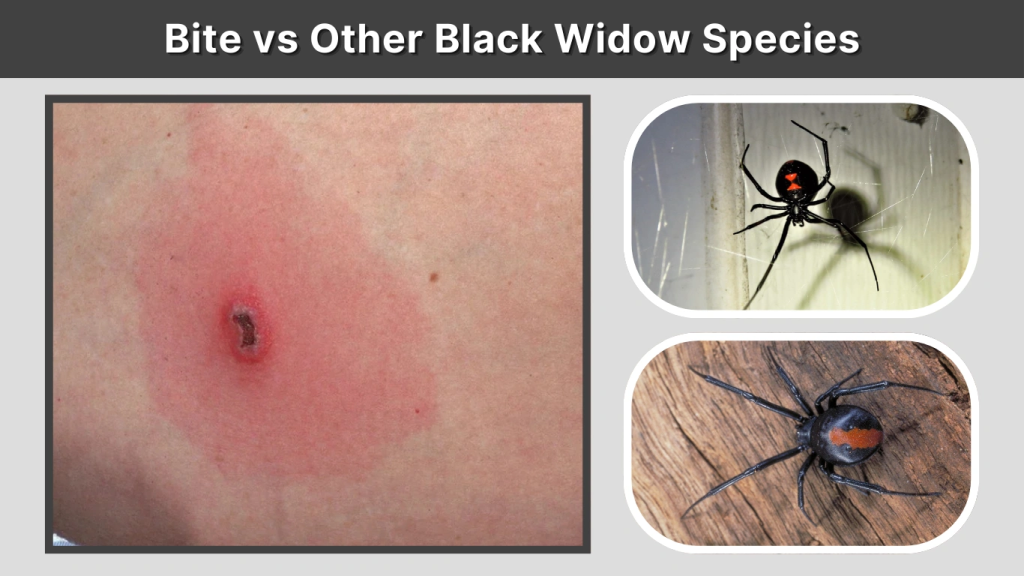
When comparing the Mediterranean black widow to more widely known species like the North American widow (Latrodectus mactans) or the Australian redback, several distinctions emerge.
How It Compares
- Similar venom composition among all widow species
- Mediterranean widows tend to coexist more closely with rural human environments
- North American widows often inhabit garages and woodpiles, while Mediterranean widows prefer fields, stone walls, and farm structures
- Bite severity is comparable, though individual reactions vary
Notable Differences
The Mediterranean species’ dorsal red spots contrast with the iconic red hourglass marking of American widows, making visual identification easier. Behaviorally, the Mediterranean widow is slightly more reclusive, which reduces encounter frequency but does not eliminate risk.
What To Do if Bitten
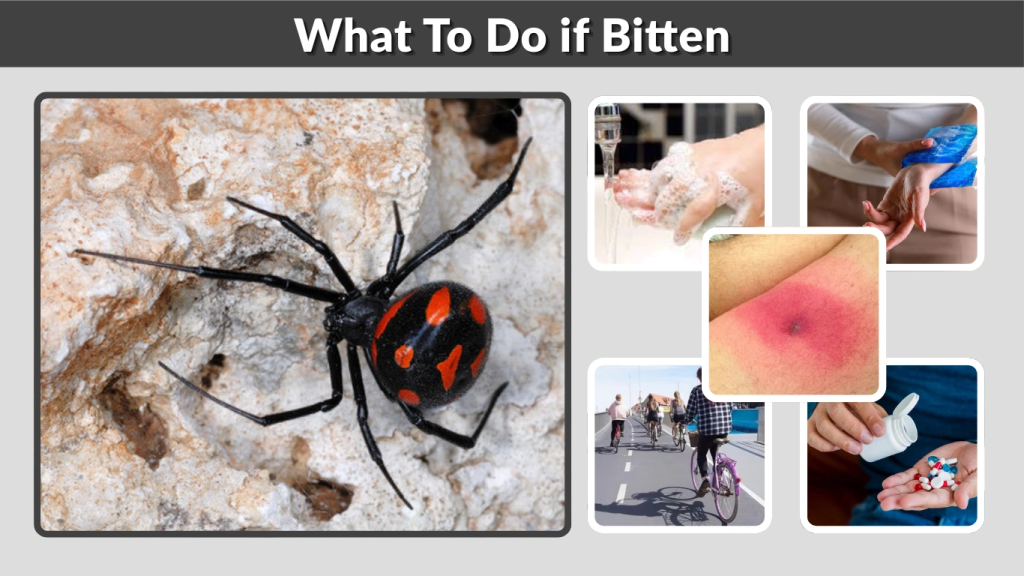
Although widow bites can be frightening, timely and correct actions significantly reduce the risk of complications.
Immediate First Aid Steps
- Clean the bite area with mild soap and water to prevent infection.
- Apply a cold compress to reduce swelling and numb the pain.
- Limit movement of the affected limb to slow venom spread.
- Take over-the-counter pain relievers if needed, unless contraindicated.
When to Seek Medical Care
Medical attention is recommended if:
- Symptoms escalate quickly
- Severe abdominal or chest pain occurs
- The victim is a child, elderly, or pregnant
- Muscle cramping becomes intense
- Breathing difficulty develops
Hospitals may administer pain medication, muscle relaxants, or antivenom in severe cases. Antivenom use varies by region and is typically reserved for the most serious presentations.
Risk Factors & Prevention
Mediterranean black widow encounters happen most often during warmer months when spiders are active and hiding spots are frequently disturbed.
Where Encounters Happen Most
- Agricultural fields and vineyards
- Outdoor machinery and equipment
- Storage barns
- Garden sheds
- Under rocks, tiles, and timber
Preventing Encounters
- Wear gloves when handling wood, stones, or equipment
- Shake out shoes and clothing before putting them on
- Keep outdoor storage areas clean and free of clutter
- Seal gaps around homes and sheds
- Avoid leaving objects like tarps or blankets outdoors overnight
Widow spiders typically bite only when threatened. Awareness and caution are the best prevention measures.
Mediterranean Black Widow in Portugal
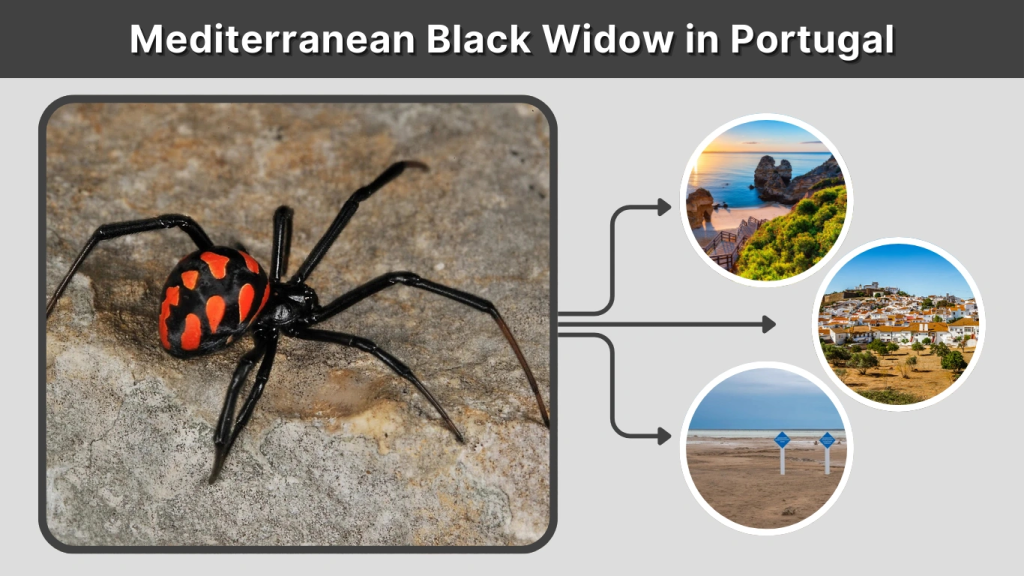
Portugal is a notable region of interest due to repeated sightings and human encounters, especially in rural villages and agricultural zones. Warmer temperatures and a dry climate provide ideal breeding conditions.
Where They Are Found in Portugal
- Algarve
- Alentejo
- Coastal dry zones
- Rural farm buildings
While not considered aggressive, their presence near human structures makes understanding their behavior essential for residents and travelers.
Ecological Role
Though often feared, Mediterranean black widows play an important part in the ecosystem. They help control insect populations, particularly beetles, grasshoppers, and crop-damaging pests. Their presence in agricultural areas can be beneficial from an ecological standpoint, reducing the need for chemical pest control.
Predators such as wasps, small reptiles, and birds help maintain balance, keeping widow populations from becoming overly dense. Like many spiders, they are an indicator of environmental health.
FAQs
How dangerous is the Mediterranean black widow?
The Mediterranean black widow is medically significant, and its venom can cause painful symptoms, but fatalities are extremely rare with modern care. Most healthy adults recover fully within a few days. Children and vulnerable individuals may experience more severe reactions.
What does a Mediterranean black widow look like?
It has a shiny black body with round red or orange dorsal spots. The abdomen is rounded, and females are larger with more vivid markings. Males are smaller, lighter in color, and far less likely to bite.
Where is the Mediterranean black widow commonly found?
It lives across Southern Europe, the Mediterranean Basin, North Africa, and parts of the Middle East. It prefers dry, warm environments such as stone walls, barns, storage sheds, and vegetation-rich rural areas.
What symptoms occur after a bite?
Symptoms include sharp pain, muscle cramps, sweating, nausea, elevated blood pressure, and localized redness. Symptoms may intensify within hours but usually subside within one to three days with proper care.
How is it different from other black widow species?
The Mediterranean black widow has dorsal red spots instead of a ventral hourglass. Its habitat favors rural landscapes, and its behavior is slightly more reclusive. Venom potency is similar to other widow species, producing comparable symptoms.