
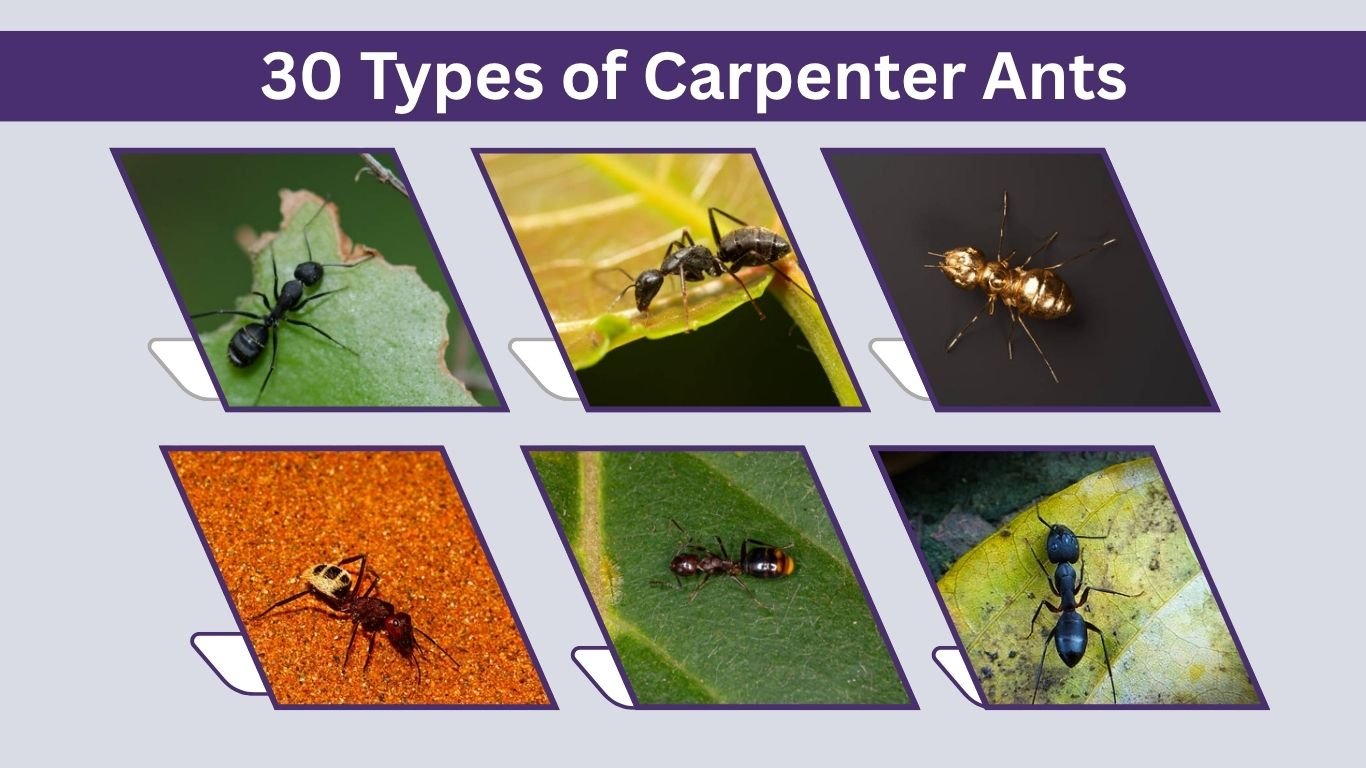
Carpenter ants include a remarkable variety of species, from large black woodland ants to shimmering sugar ants with golden hairs. Although many are associated with wood, others build their nests in soil, beneath stones, or around plant roots. Their appearance, nesting habits, and behavior vary considerably across regions. This guide explores 30 types of carpenter ants, highlighting their identification features, habitats, diets, and life cycles. Learning these differences can help you recognize familiar species and understand the diverse roles these ants play in their natural environments.
1. Black Carpenter Ant
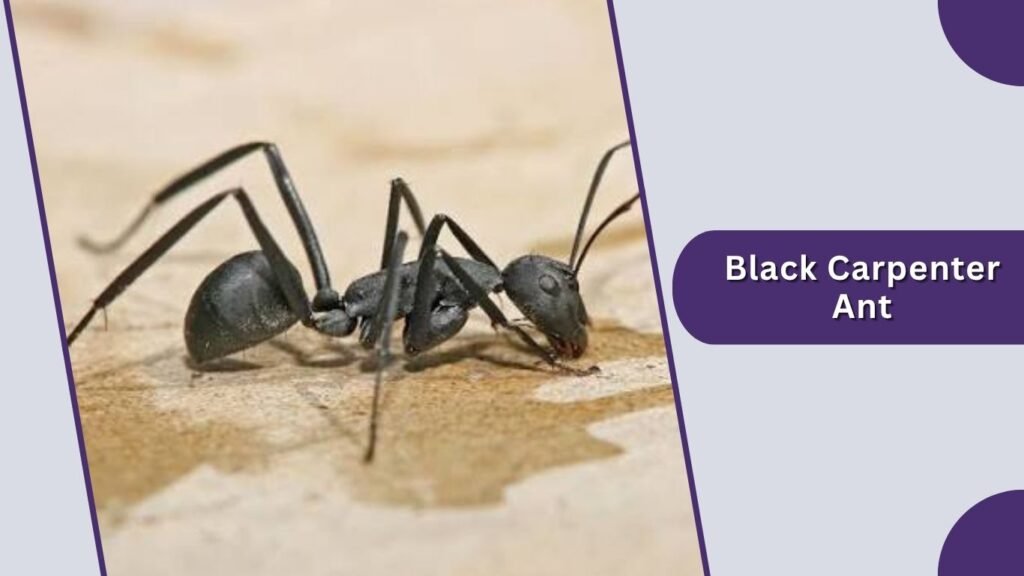
The black carpenter ant (Camponotus pennsylvanicus) is a familiar large ant in eastern North America. It excavates nesting galleries in wood but does not eat the wood, feeding instead on insects and sugary substances.
Identification
- Predominantly black body, including the legs and antennae.
- Workers vary considerably in size within the same colony.
- Broad heads and strong jaws in larger workers.
- One waist node, elbowed antennae, and noticeable pale hairs on the abdomen.
Habitat and Distribution
Black carpenter ants occur across much of the eastern United States and eastern Canada. They inhabit forests, parks, gardens, and residential areas.
Colonies commonly nest in decaying logs, tree cavities, stumps, and moisture-damaged timber. A colony may occupy a main nest and several satellite nests, sometimes extending into nearby buildings.
Behavior and Diet
Workers forage mainly at night, collecting honeydew, nectar, and insect prey. They also scavenge dead insects and accessible household foods.
Chemical trails help nestmates locate food. Workers share liquid nourishment within the colony, while their excavation of dead wood contributes to decomposition in natural habitats.
Life Cycle
After mating, a queen finds a protected cavity and raises her first workers. These workers subsequently collect food, maintain the nest, and care for developing brood.
Development progresses through egg, larva, pupa, and adult stages. Colonies generally require several years before producing winged reproductive ants, and outdoor colonies become less active during cold winters.
2. Red Carpenter Ant
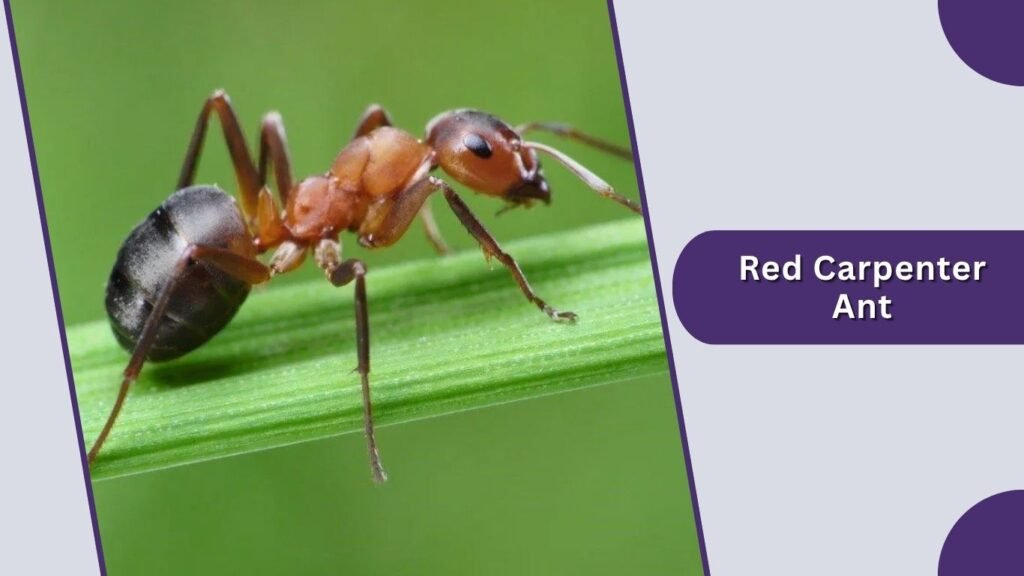
The red carpenter ant (Camponotus chromaiodes) combines dark coloration with rusty red areas. Also called the ferruginous carpenter ant, it commonly nests in decaying wood and can resemble the black carpenter ant when its reddish markings are reduced.
Identification
- Usually has a black head and abdomen with reddish areas around the middle body, waist, and legs.
- Workers range from smaller, slender individuals to larger, broad-headed ants.
- Dense golden hairs cover much of the abdomen.
- Color varies, so darker individuals require closer examination.
Habitat and Distribution
This species occurs broadly across eastern North America, including the northeastern, midwestern, and southeastern United States.
Nests frequently occupy rotting logs, stumps, and standing dead trees. Their galleries may extend into the soil beneath decaying wood. Colonies occasionally occupy degraded timber in buildings.
Behavior and Diet
Workers mainly forage at night. They collect small insects, honeydew, fruit juices, and plant sap.
Although they excavate wood, they do not consume it. Their nesting activity usually involves material already softened by moisture or decay. Colonies can also shelter associated insects, including certain ant-loving crickets and fly larvae.
Life Cycle
Eggs develop into larvae, pupae, and adults. Workers support the queen and care for the brood.
Winged reproductive ants have been collected during summer and early fall in parts of the southeastern United States. Their seasonal appearance varies geographically, so a single flight month does not describe every population.
3. Western Carpenter Ant
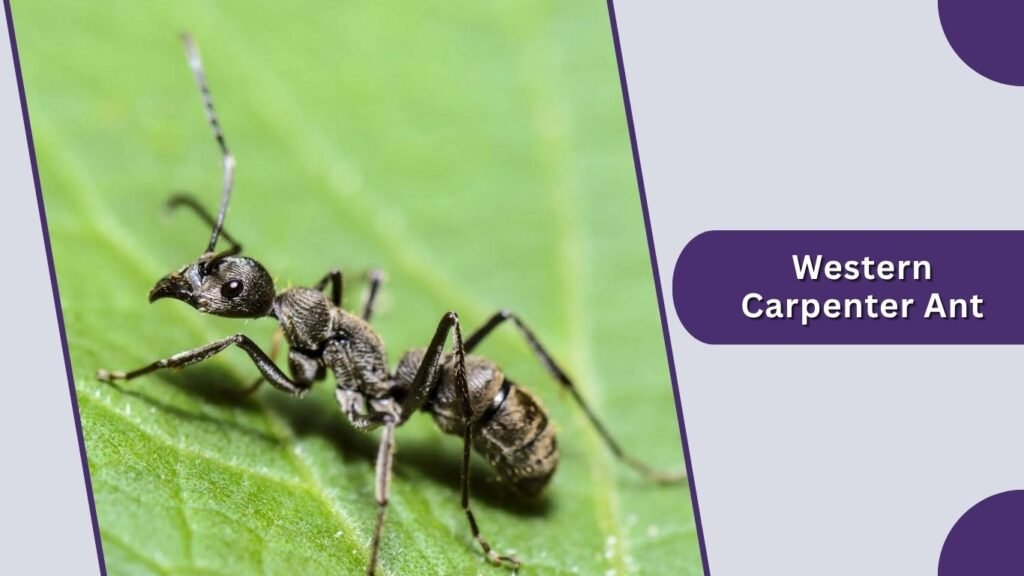
The western carpenter ant (Camponotus modoc) is a large, dark ant associated with western North American forests. Its reddish legs help distinguish it from some similar species. Colonies may also establish nests in buildings near wooded habitats.
Identification
- Black body with contrasting dark red legs.
- Workers generally measure approximately 7–13 millimeters.
- One upright node at the narrow waist.
- Smoothly rounded upper body when viewed from the side.
Habitat and Distribution
Western carpenter ants inhabit western North America, including forested areas of the western United States and Canada.
They nest in logs, stumps, and standing trees, using suitable wood cavities and excavated galleries. Houses near established colonies may contain satellite nests connected to an outdoor parent nest.
Behavior and Diet
Their diet includes living and dead insects, nectar, fruit juices, and honeydew. Workers often search for food after sunset.
They remove wood to enlarge their living space rather than digesting it. An infestation can begin in decayed timber and expand into surrounding sound wood, potentially weakening affected structures as the nest grows.
Life Cycle
Winged males and females leave mature colonies during mating flights. Flights commonly occur in spring, with local weather influencing their timing.
After mating, a queen establishes a protected chamber and begins laying eggs. Colony growth is initially slow. Workers eventually take over foraging and brood care, and several years may pass before the colony produces its own reproductive generation.
4. Florida Carpenter Ant
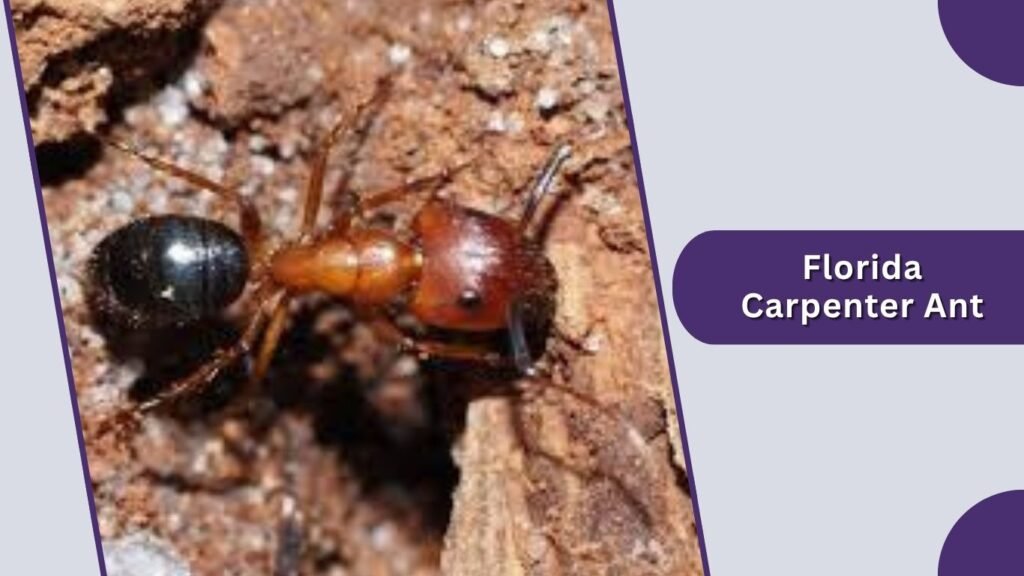
The Florida carpenter ant (Camponotus floridanus) is a conspicuous orange-and-black species found in the southeastern United States. It frequently occupies sheltered cavities around trees and buildings, making it a familiar visitor to homes in Florida.
Identification
- Rusty orange to reddish head and middle body.
- Dark brown or black abdomen.
- Numerous golden hairs on the body, legs, and antennae.
- Workers of different sizes, with larger individuals having particularly broad heads.
Habitat and Distribution
This ant is widespread in Florida and also occurs in neighboring southeastern states. Woodlands, gardens, and residential landscapes provide nesting opportunities.
Colonies use tree holes, rotting stumps, spaces beneath bark, and building voids. They generally occupy existing cavities or excavate softened wood rather than boring into sound timber.
Behavior and Diet
Workers forage mainly at night, searching vegetation and nearby structures for food. Honeydew and nectar provide sugars, while living and dead insects supply additional nutrients.
Ants may enter kitchens or bathrooms while seeking food, moisture, or nesting space. Seeing a worker indoors does not necessarily mean the nest is inside the house.
Life Cycle
A newly mated queen raises the first brood before workers assume routine colony duties. Immature ants pass through egg, larval, and pupal stages.
Established colonies eventually produce winged males and females. Reproductive flights occur during warmer months, with timing influenced by rainfall and local conditions.
5. Tortugas Carpenter Ant
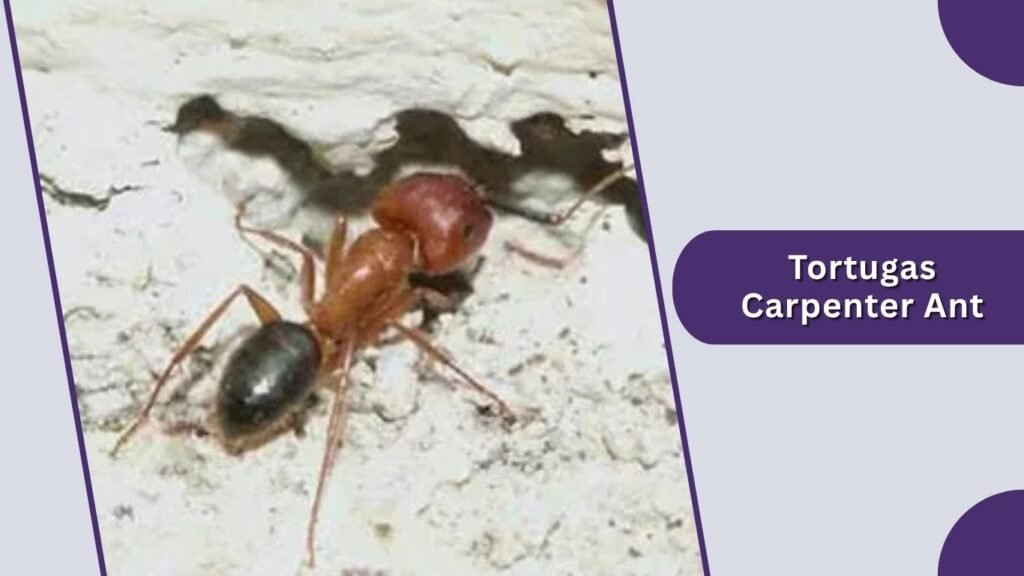
The Tortugas carpenter ant is traditionally described in Florida identification guides as Camponotus tortuganus. It resembles the Florida carpenter ant but has a slimmer appearance. Historical confusion with related species means some records require careful interpretation.
Identification
- Reddish brown to orange-brown body with a darker abdomen.
- Major workers have heads longer than they are wide.
- Generally slimmer and less strongly contrasting in color than Florida carpenter ants.
- Antennal shafts and lower leg segments lack the conspicuous upright hairs typical of Florida carpenter ants.
Habitat and Distribution
Ants identified under this name have been reported from Florida and coastal Mississippi. Their precise distribution is complicated by historical identification problems.
They occupy protected cavities around trees, decaying wood, and structures. A common name containing “Tortugas” should not be treated as proof that the ant is restricted to those islands.
Behavior and Diet
Florida extension accounts describe these ants as primarily nocturnal foragers. They seek sugary foods, including nectar and honeydew, and collect insects.
Workers may travel between outdoor feeding areas and sheltered nests in buildings. Like other carpenter ants, they do not obtain nourishment by eating wood.
Life Cycle
Colonies contain reproductive individuals, workers, and developing brood. A queen typically establishes a new colony after mating, initially tending her offspring herself.
Workers later assume feeding and nest maintenance. Exact development times should not be assigned universally, particularly given the identification uncertainties surrounding ants historically placed under this name.
6. Hawaiian Carpenter Ant
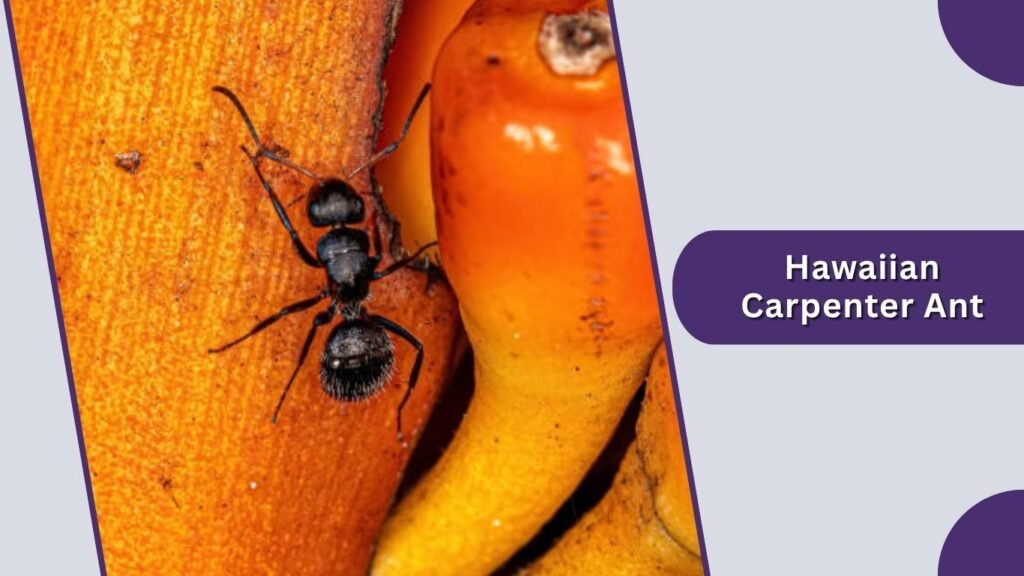
The Hawaiian carpenter ant, traditionally identified as Camponotus variegatus, is the largest ant commonly recognized in Hawaii. Despite its name, it is introduced rather than native to the islands. Its nocturnal activity often brings it into contact with householders.
Identification
- Yellowish brown to reddish brown coloration.
- Dark transverse bands across the abdomen.
- Noticeable size differences among workers.
- Large, fast-moving ants with elbowed antennae and a narrow waist.
Habitat and Distribution
In Hawaii, this ant occurs around homes and in outdoor habitats, particularly in lowland areas. Nesting sites include dead branches, spaces beneath rocks, and sheltered cavities.
Indoor colonies may occupy hollow doors, wall spaces, storage boxes, or other undisturbed receptacles. Their presence in buildings does not mean they are feeding on the timber.
Behavior and Diet
Workers mainly forage at night and may be seen crossing walls or ceilings. Honeydew is an important food source, and colonies can nest indoors while workers collect food outside.
They may enlarge a cavity in decaying wood, but they do not digest wood as termites do. Their large size makes even a small number of foraging workers conspicuous.
Life Cycle
The colony develops through the usual ant stages of egg, larva, pupa, and adult. Workers care for immature nestmates and maintain the nesting space.
Mature colonies produce winged males and queens, which can become particularly noticeable around houses during reproductive flights. Colony size and development vary with conditions, so a fixed population or lifespan should not be assumed.
7. Japanese Carpenter Ant
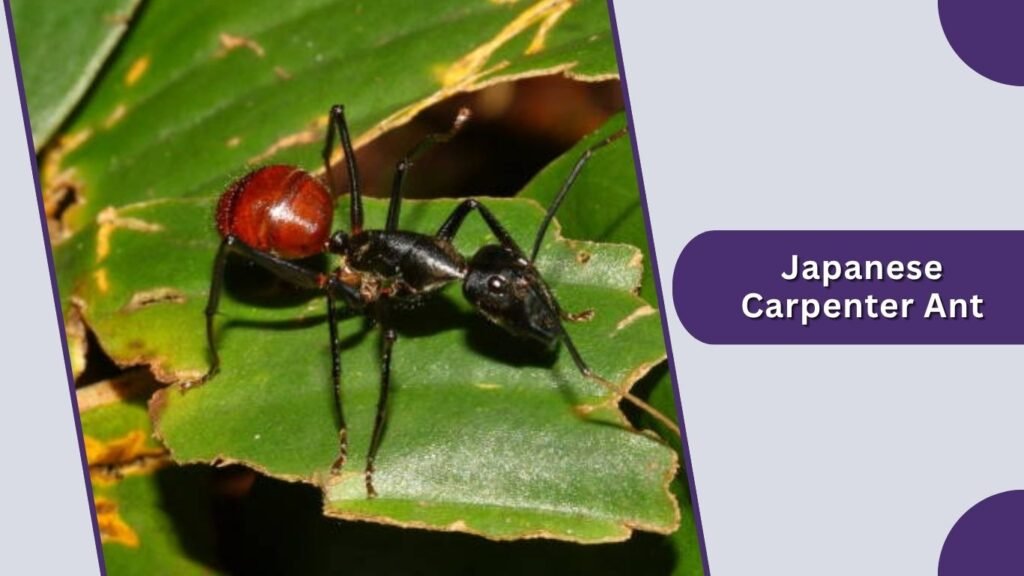
The Japanese carpenter ant (Camponotus japonicus) is a large, dark ant found across parts of Asia. Despite belonging to the carpenter ant genus, it commonly builds underground nests in soil rather than relying on galleries excavated in wood.
Identification
- Predominantly black body with fine surface hairs.
- Workers vary considerably in size within a colony.
- Major workers have broad heads and powerful jaws.
- Elbowed antennae and a single node at the narrow waist.
Habitat and Distribution
This species occurs in Japan, China, Korea, and other parts of Asia. Researchers have also documented it in northeastern India.
Colonies commonly occupy soil in open habitats. Their underground chambers connect through tunnels, while the entrance may appear as a relatively simple opening at the surface.
Behavior and Diet
Workers collect honeydew from aphids and prey on small arthropods. These foods provide the sugars and other nutrients needed by the colony.
Their digging also changes the surrounding soil. Workers carry soil fragments out of their nests, and their tunnels can influence the movement of air and water underground. This makes their ecological role broader than simply collecting food.
Life Cycle
The colony develops through egg, larval, pupal, and adult stages. Workers feed and protect the brood while reproductive females produce eggs.
Colonies usually have one queen, although multiple queens have been reported in some large colonies. Winged reproductive ants disperse to mate, and successful queens establish new nests. Development and seasonal activity depend on local conditions.
8. New York Carpenter Ant
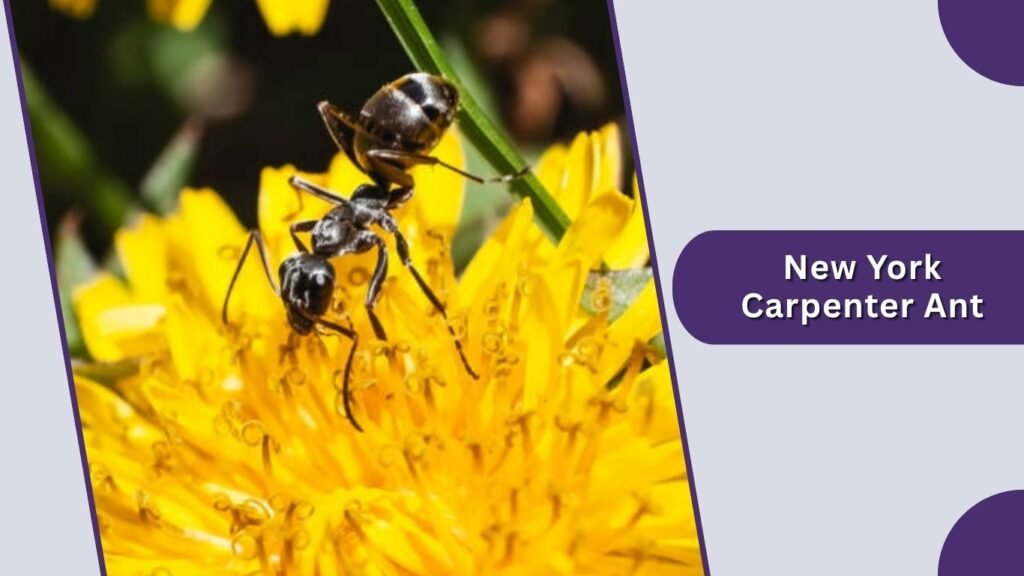
The New York carpenter ant (Camponotus novaeboracensis) is a distinctive red-and-black species native to North America. Its name does not mean it is restricted to New York: it occurs across a much wider northern range.
Identification
- Black head and abdomen with a reddish middle body.
- Workers vary in size, with larger individuals having broader heads.
- Elbowed antennae and one upright waist node.
- A smoothly rounded upper body when viewed from the side.
Habitat and Distribution
This species occurs across the northern United States and southern Canada. It is particularly familiar in northeastern and Great Lakes woodlands.
Colonies occupy decaying stumps, fallen timber, and other suitable wooden cavities. They can also occur in older buildings, especially where damp or deteriorating wood provides nesting opportunities.
Behavior and Diet
Workers are mainly active at night, although daytime foraging also occurs. They search trees and surrounding vegetation for food.
Their diet includes honeydew from sap-feeding insects and other foods typical of omnivorous carpenter ants. Wood serves as nesting material rather than nourishment. By excavating decaying timber, colonies contribute to its physical breakdown.
Life Cycle
After mating, a queen establishes a protected nest and raises the first workers. Those workers subsequently take over food collection and brood care.
Mating flights commonly occur during late spring in northern populations. Colonies remain active through the warmer months and enter winter dormancy as temperatures fall. Flight dates and the length of seasonal activity vary geographically.
9. Smaller Carpenter Ant
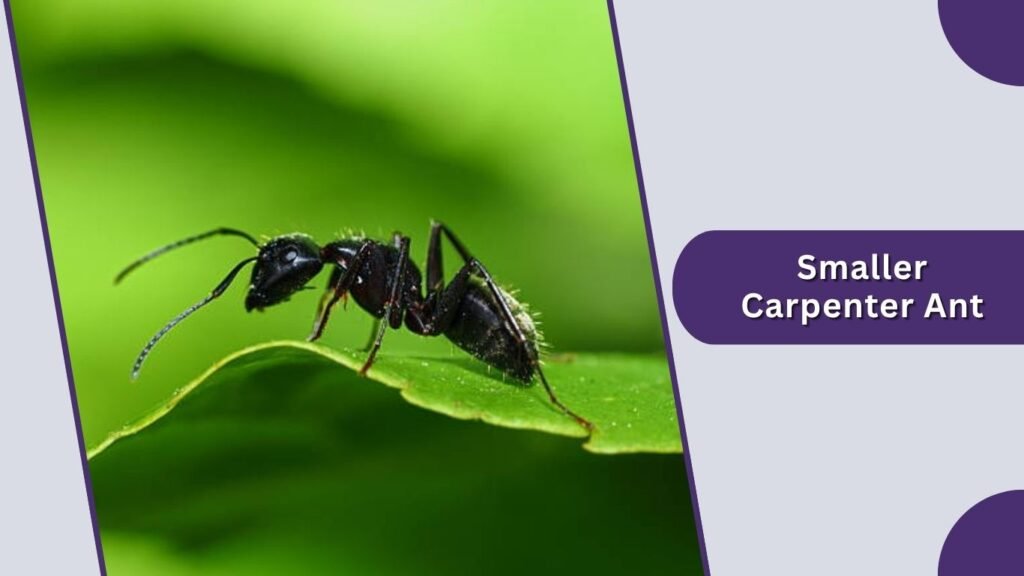
The smaller carpenter ant (Camponotus nearcticus) demonstrates that carpenter ants are not always exceptionally large. Its compact workers often occupy narrow spaces in branches and other plant material, allowing colonies to remain inconspicuous.
Identification
- Workers usually measure approximately 3.5–7.5 millimeters.
- Typically dark brown to black, often with a shiny abdomen.
- Few conspicuous upright hairs on the cheeks.
- A small central notch in the front edge of the facial plate, visible under magnification.
Habitat and Distribution
This species is widespread in the United States and Canada. It occurs in woodlands and other habitats containing suitable nesting cavities.
Colonies use dead twigs, hollow stems, branches, loose bark, insect galls, and even pine cones. Some occupy wooden posts or building woodwork, including areas around roofs.
Behavior and Diet
Workers forage on trees during both daylight and darkness, with greater nighttime activity reported in warm conditions.
They collect honeydew, nectar, and plant sap, and occasionally consume insects or spiders. Their small nesting spaces help distinguish their lifestyle from that of larger carpenter ants occupying extensive galleries in substantial timber.
Life Cycle
Queens establish colonies in protected cavities, where offspring develop through egg, larval, pupal, and adult stages.
Colonies are often relatively small, numbering in the hundreds rather than the enormous populations sometimes associated with larger carpenter ants. Winged reproductives occur seasonally; Mississippi collections include records from early April through mid-June.
10. Chestnut Carpenter Ant
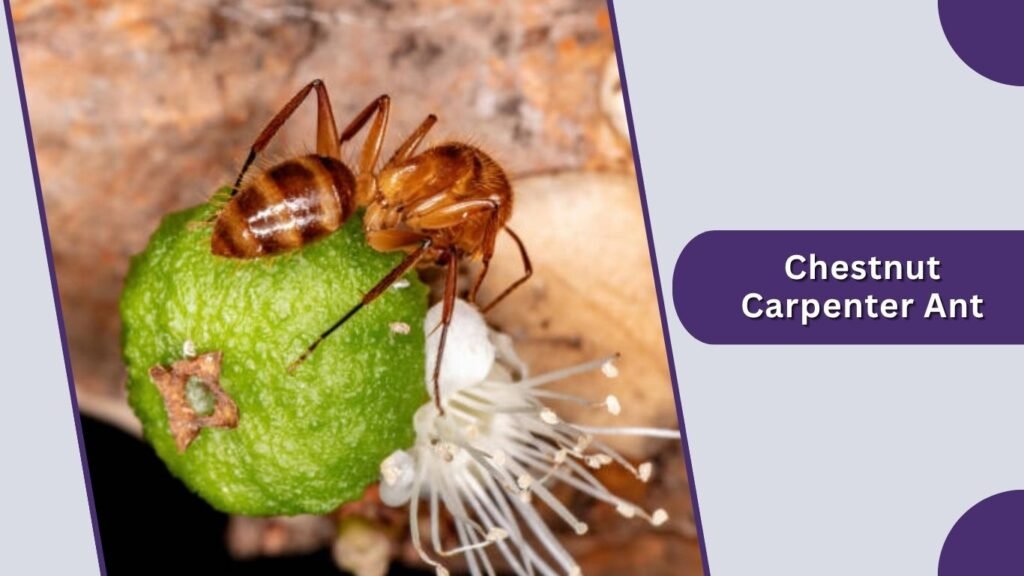
The chestnut carpenter ant (Camponotus castaneus) is a relatively large species recognized by its warm brown to orange-red coloration. It occupies both soil and decaying wood and is generally less troublesome to buildings than the major structural pest species.
Identification
- Mostly uniform chestnut brown to orange-red coloration.
- The head is usually similar in color to the middle body.
- Large workers have broad heads and strong mandibles.
- Cheeks of major workers lack the upright hairs characteristic of the similar American carpenter ant.
Habitat and Distribution
Chestnut carpenter ants occur across much of the eastern United States. They inhabit several woodland types, including mixed hardwood and pine forests, as well as orchards, fields, and residential yards.
Nests may occupy rotting logs, stumps, exposed soil, or soil beneath objects. Colonies also occur around tree bases and beneath bark.
Behavior and Diet
Workers forage around the ground and on trees, collecting insect food and sugary resources. They contribute to scavenging and predation within their habitats.
Individuals may enter buildings while searching for food, particularly at night. However, indoor nesting is uncommon, and this species is not generally considered a serious pest of sound structural timber.
Life Cycle
A mated queen begins a colony and raises the first workers, which later support further brood development.
Mature colonies produce winged males and females. Reproductive ants are attracted to lights during nighttime dispersal. Their seasonal appearance varies, so observations from one locality should not be treated as a universal flight schedule.
11. Bearded Carpenter Ant
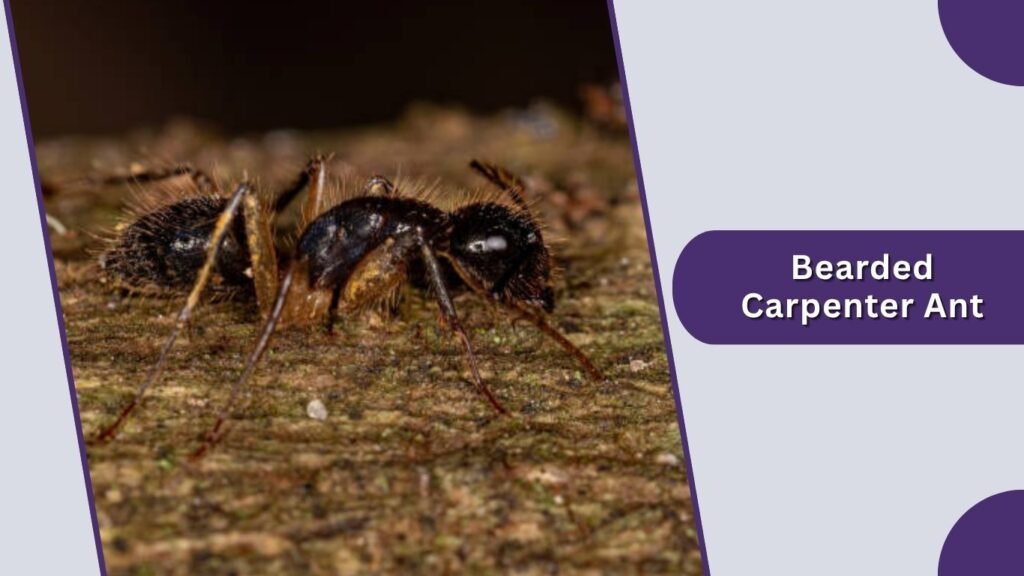
The bearded carpenter ant (Camponotus subbarbatus) is a small woodland species with distinctive facial hairs and a frequently banded abdomen. Its subtle features are easiest to appreciate through magnification rather than casual observation.
Identification
- Workers measure approximately 3.5–6.5 millimeters.
- Abdomen often shows dark bands against a yellowish-orange background.
- Major workers have noticeable upright hairs on their cheeks.
- Long hairs occur along the front facial margin, while the bases of the legs are often conspicuously pale.
Habitat and Distribution
This species occurs in eastern North America, including the southeastern United States and parts of the Northeast and Midwest.
It is associated with deciduous and mixed forests containing moist, decaying wood. Colonies nest in rotting material on or within the ground, while workers may forage through the woodland shrub layer.
Behavior and Diet
Like other omnivorous carpenter ants, workers obtain nourishment from small invertebrates and sugary food sources. These resources support both adult activity and the growth of developing brood.
Their presence in rotten wood reflects a nesting requirement rather than wood consumption. Because the workers are small and their nests concealed, colonies can be easily overlooked.
Life Cycle
Development follows the sequence of egg, larva, pupa, and adult. Workers tend the brood and maintain the colony’s sheltered nesting chambers.
Winged males and females provide the reproductive stage. Species-specific development times and queen lifespans are not well established, so precise figures should not be borrowed from larger carpenter ant species.
12. American Carpenter Ant
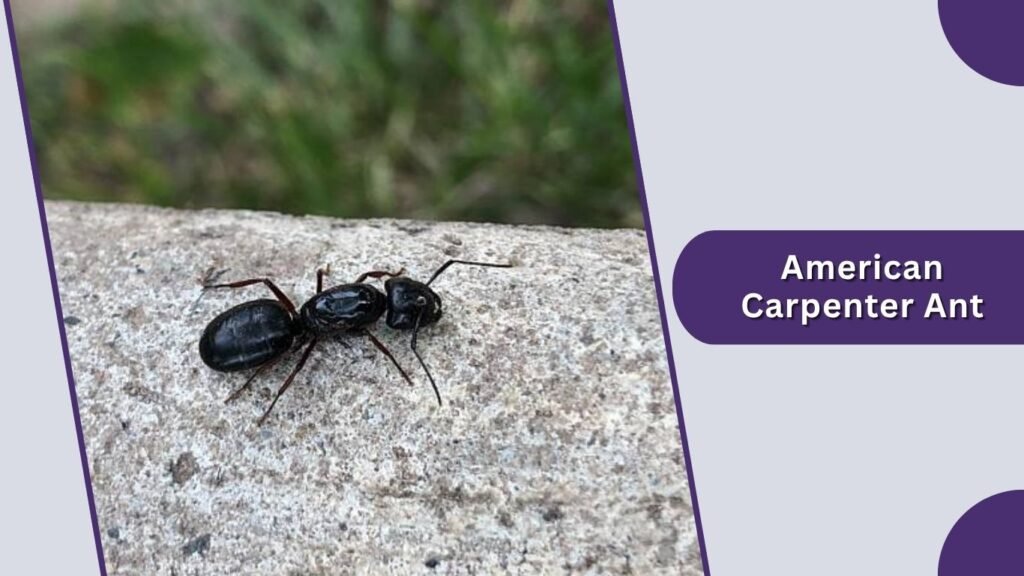
The American carpenter ant (Camponotus americanus) is a distinct species, not a collective name for every carpenter ant living in America. Its darker head and contrasting body help distinguish it from the similarly colored chestnut carpenter ant.
Identification
- Usually has a darker brown head contrasting with a yellowish-brown to reddish body.
- Upright hairs occur on the cheeks, especially noticeable in major workers.
- Some individuals have darker markings across the upper middle body.
- Workers vary in size, with larger individuals developing broader heads.
Habitat and Distribution
This species occurs across much of the eastern United States, extending westward into parts of the central states.
Colonies commonly nest in soil, including protected places beneath stones, leaf litter, or decaying logs. Its preference for ground nesting is an important reminder that the carpenter ant name does not describe every species’ nesting habits.
Behavior and Diet
Workers collect foods typical of omnivorous carpenter ants, including insect material and sugary resources. Their foraging takes them through the surrounding habitat rather than restricting them to the nest itself.
American carpenter ants may occasionally enter buildings, but they are not usually prominent household pests. Confusion with chestnut carpenter ants can complicate identification, making head coloration and cheek hairs useful distinguishing features.
Life Cycle
A queen establishes a protected nesting chamber after mating and raises the first brood. Workers subsequently assume food collection and care of immature nestmates.
Eggs develop into larvae, pupae, and adults. Established colonies eventually produce winged reproductive ants, continuing the cycle of mating and colony formation.
13. Hercules Ant
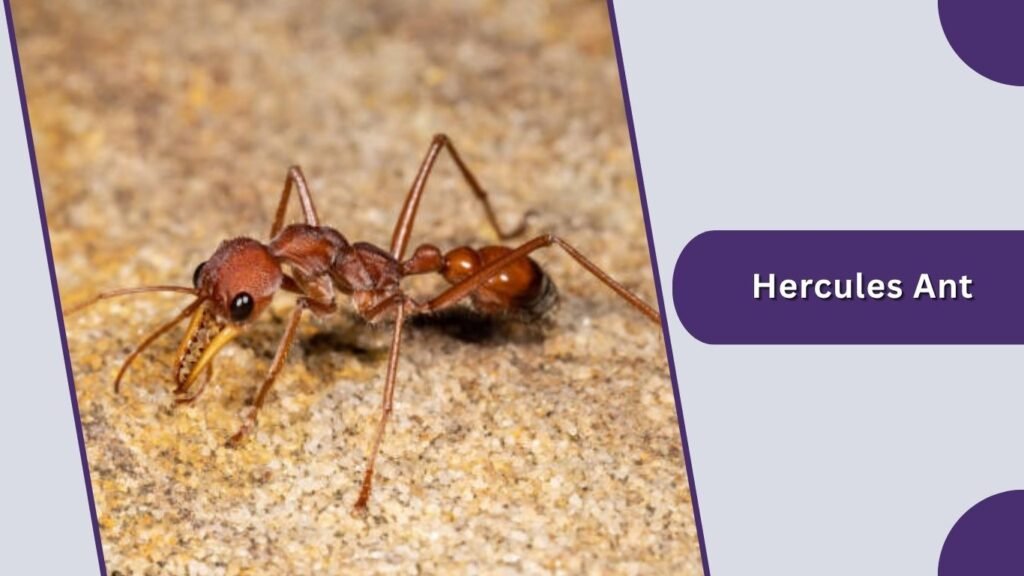
The Hercules ant (Camponotus herculeanus) is a large carpenter ant associated with cool forests. Its dark body and reddish middle section give it a distinctive appearance, although similar species can be difficult to separate.
Identification
- Workers have a black head and abdomen.
- The middle body, legs, and waist often show dark reddish-brown coloring.
- Workers vary in size, with larger individuals having broader heads.
- Elbowed antennae and a single waist node help distinguish them from termites.
Habitat and Distribution
Hercules ants occur across northern parts of Europe, Asia, and North America. They commonly inhabit coniferous and mixed forests, including mountainous areas. Colonies excavate galleries in tree trunks, stumps, and decaying wood. Damaged areas of living trees can also provide access to suitable nesting material.
Behavior and Diet
Workers collect honeydew from sap-feeding insects and obtain additional food from plant secretions and insects. Although they remove wood while expanding their nests, they do not eat it. Their galleries provide sheltered space for the queen, workers, and developing brood.
Life Cycle
Development proceeds through egg, larva, pupa, and adult stages. Workers feed and protect the immature ants inside the nest. Activity follows the seasons, with reduced movement during cold weather. In many populations, winged reproductive ants overwinter before leaving the colony for mating flights in spring.
14. Brown-black Carpenter Ant
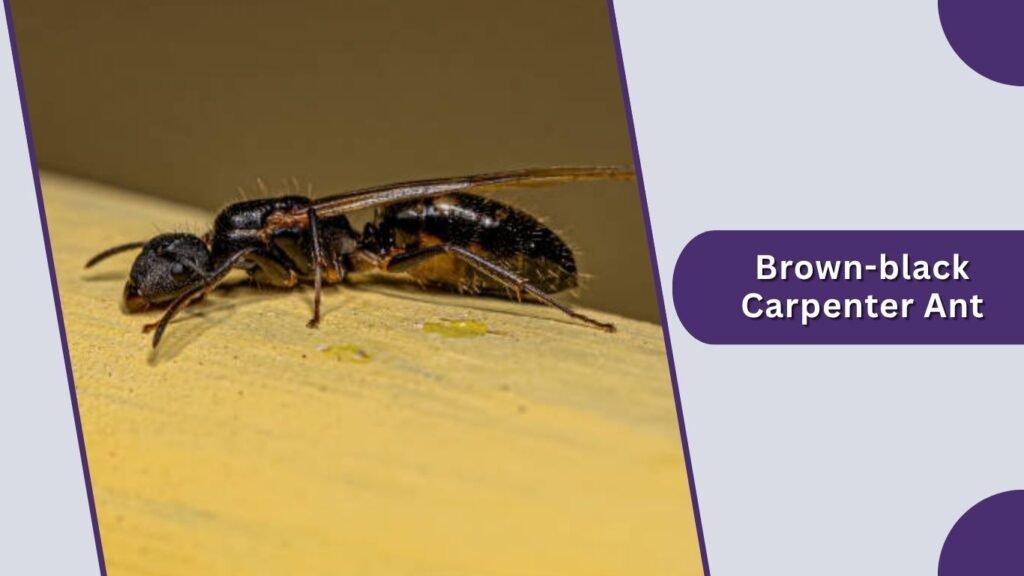
The brown-black carpenter ant (Camponotus ligniperda) is a large European species with contrasting dark and reddish coloring. It often occupies warmer, sunnier woodland habitats than the closely related Hercules ant.
Identification
- The head and most of the abdomen are dark brown to black.
- The middle body and parts of the legs are reddish-brown.
- Reddish coloring often extends onto the front of the abdomen.
- Larger workers have broad heads and powerful jaws.
Habitat and Distribution
This species occurs across much of Europe. Typical habitats include mixed forests, deciduous woodland, sunny forest edges, and clearings. Colonies may occupy dead trunks, stumps, fallen wood, or cavities associated with stones and soil. Nest placement varies with local conditions and available shelter.
Behavior and Diet
Workers gather honeydew and other sugary liquids, which supply energy for daily activity. Insects provide nutrients needed by the colony, particularly its developing larvae. Workers may attend aphids and defend access to their secretions. Like other carpenter ants, they excavate nesting material without consuming wood as food.
Life Cycle
After mating, a queen establishes a sheltered founding chamber and raises her first workers. These workers subsequently take over foraging and brood care. Eggs develop into larvae, then pupae, before becoming adults. Colony growth is seasonal, and winter dormancy interrupts activity in colder parts of the species’ range.
15. Bicolored Carpenter Ant

The bicolored carpenter ant (Camponotus vicinus) is a western North American species often recognized by its reddish middle body and darker head and abdomen. However, coloration varies, so appearance alone does not always confirm identification.
Identification
- Workers commonly have a dark head and abdomen with a reddish middle section.
- Individuals within a colony vary considerably in size.
- The upper outline of the middle body is smoothly rounded.
- A single waist node separates the middle body from the abdomen.
Habitat and Distribution
This species inhabits western North America, including forests and wooded foothills. Colonies use fallen logs, stumps, buried wood, and other protected sites. Field research in northern Idaho also recorded nests beneath stones and within forest-floor material. Some colonies establish satellite nests inside buildings.
Behavior and Diet
Workers feed on insects, honeydew, nectar, and other available sugary liquids. They follow established routes between nesting and feeding areas. Wood excavation creates chambers and connecting passages, but wood is not part of their diet. Nesting in structural timber can cause damage as galleries expand.
Life Cycle
Winged adults leave established colonies to mate. A successful queen begins raising workers in a protected chamber. Workers then collect food and care for subsequent brood. Some colonies contain multiple queens. Development and colony growth depend on temperature, food availability, and seasonal conditions.
16. Four-spotted Carpenter Ant
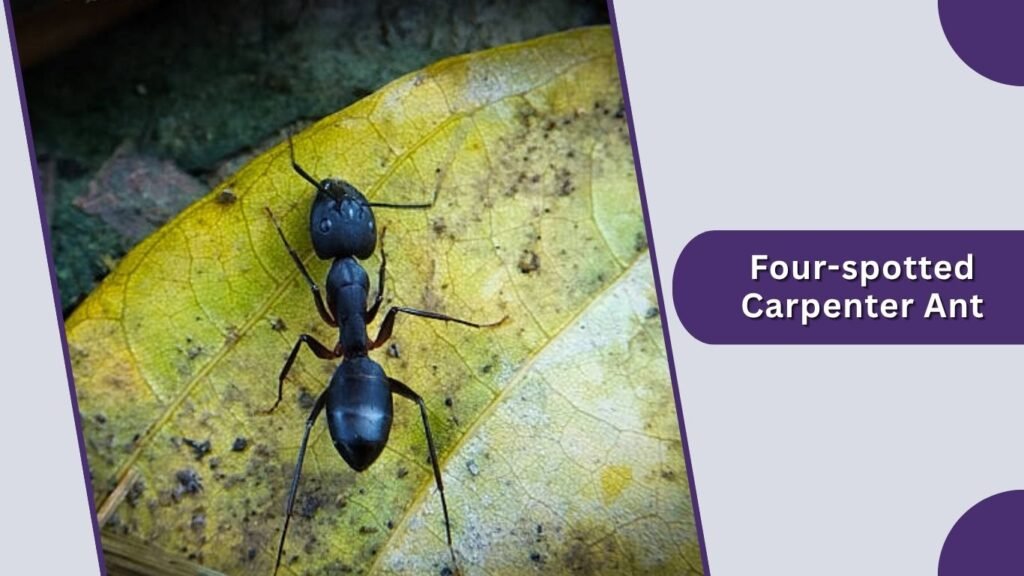
The four-spotted carpenter ant (Camponotus quadrinotatus) is a small Asian carpenter ant with pale markings on its abdomen. Its spotted appearance and association with trees distinguish it from many larger, more familiar carpenter ants.
Identification
- Workers typically measure about 5–6 millimeters long.
- The body is mainly black, sometimes with brownish coloring near the front of the middle section.
- Two pairs of yellowish spots mark the abdomen.
- Elbowed antennae and a single waist node are visible under magnification.
Habitat and Distribution
This species occurs in Japan, China, and the Korean Peninsula, with additional records elsewhere in Asia, including India. It inhabits wooded environments and commonly nests in bark crevices or cavities in tree trunks. Records include both coniferous and mixed forests.
Behavior and Diet
Workers forage on trees and use animal food as part of their diet. Field experiments have documented their handling and fragmentation of larger prey items. Breaking food into smaller pieces allows workers to carry portions back toward the nest. Their small size does not prevent them from exploiting food larger than an individual ant.
Life Cycle
Like other carpenter ants, this species passes through egg, larval, pupal, and adult stages. Workers protect the brood and provide food for growing larvae. Winged males and reproductive females enable new colonies to form. Precise development times should not be assumed from those of larger carpenter ant species.
17. Red-headed Carpenter Ant

The red-headed carpenter ant (Camponotus singularis) is a striking Asian species with a reddish head and darker body. Its colony contains distinctly different small and large workers, making worker variation one of its most interesting features.
Identification
- Workers have a reddish or orange-red head.
- The middle body and abdomen are predominantly dark.
- Major workers possess much broader heads than minor workers.
- Minor workers appear more slender, with relatively longer legs and antennae.
Habitat and Distribution
This species is recorded from parts of South and Southeast Asia, including Thailand and Malaysia. It is associated with wooded environments. Identifying populations accurately matters because similar-looking ants from different regions may not all belong to the same species.
Behavior and Diet
The pronounced differences between major and minor workers suggest different roles within the colony. Researchers interpret the enlarged heads and relatively shorter appendages of majors as adaptations associated with defense. Like carpenter ants generally, the species uses sugary food and animal-derived nutrients, although detailed descriptions of its wild diet remain limited.
Life Cycle
Development follows the usual ant sequence of egg, larva, pupa, and adult. Worker size and body proportions develop before adulthood; a small adult worker does not later become a major. Reliable species-specific figures for lifespan, colony size, and development time should not be assumed.
18. Banded Sugar Ant
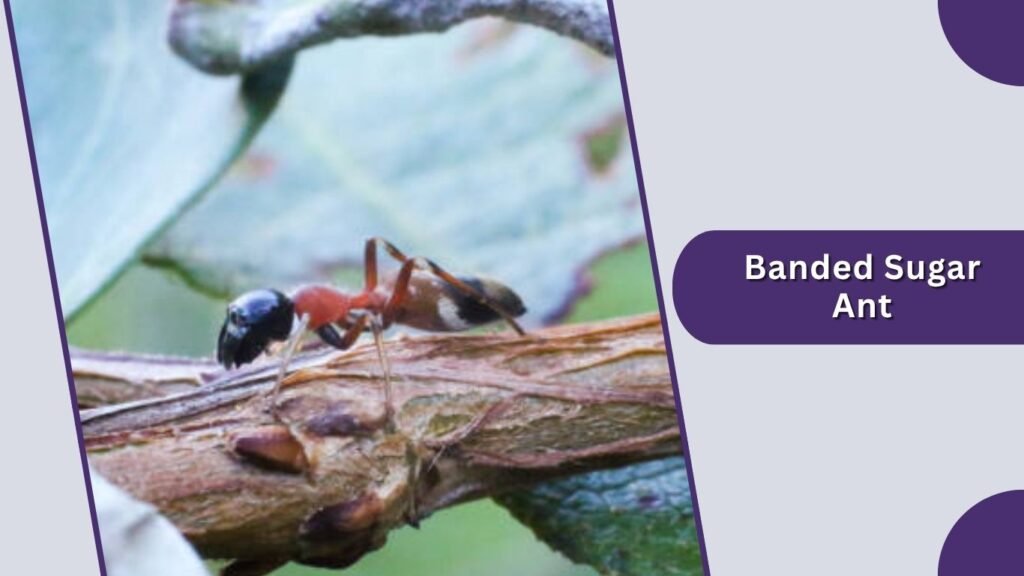
The banded sugar ant (Camponotus consobrinus) is a familiar Australian carpenter ant. Its common name reflects its attraction to sweet foods and the contrasting band of orange-brown coloring near the front of its abdomen.
Identification
- Workers range approximately from 5–15 millimeters in length.
- The head is black, while the middle body is orange-brown.
- An orange-brown band contrasts with the darker abdomen.
- Workers have long legs, elbowed antennae, and a single waist node.
Habitat and Distribution
Banded sugar ants occur in eastern and southeastern Australia, including Tasmania. They inhabit forests, woodland, gardens, parks, and other urban spaces. Colonies commonly nest in soil, sometimes beneath logs or rocks. Nest entrances may have a raised ring of loose excavated soil.
Behavior and Diet
Workers forage mainly after dark, although activity can vary with local conditions. They collect nectar, plant secretions, and honeydew produced by sap-feeding insects. Their diet also includes other invertebrates. Around homes, exposed sweet foods can attract foragers. Despite their name, these ants require more than sugar to support a growing colony.
Life Cycle
A mated queen starts a colony and produces the first brood. Workers eventually take over food collection, nest maintenance, and larval care. Young ants develop through egg, larval, and pupal stages before emerging as adults. Established colonies produce winged reproductive ants that can disperse and begin new colonies.
19. Black-headed Sugar Ant
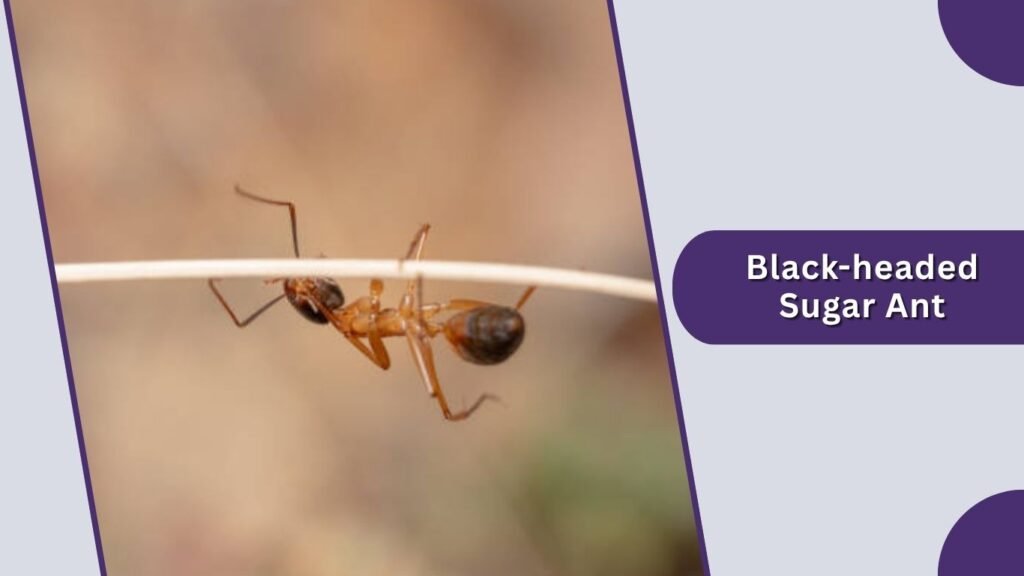
The black-headed sugar ant (Camponotus nigriceps) is an Australian carpenter ant often seen searching for food after dark. Its contrasting colors resemble those of several related sugar ants, so identification requires more than checking the head.
Identification
- Workers have a distinctly dark or black head.
- The middle body is commonly reddish-brown or yellowish.
- Abdominal coloring varies between dark and lighter forms.
- Workers differ in size, with larger individuals having broader heads.
Habitat and Distribution
This species occurs across much of Australia. It favors dry woodland, eucalyptus habitats, and open areas. Colonies commonly nest in soil, beneath stones, or around tree bases. Some nests form noticeable mounds, while others have relatively inconspicuous entrances.
Behavior and Diet
Black-headed sugar ants mainly forage at night. Workers collect sweet secretions and consume insects, and they may enter homes where food is available. Colonies communicate through chemical signals and can use tandem running, in which one worker leads another toward a destination. These ants also associate with the caterpillars of certain butterflies.
Life Cycle
Winged reproductive ants emerge for mating flights during summer. After mating, successful queens establish new colonies. Eggs hatch into larvae, which depend on adult care before developing into pupae and then workers. As the workforce expands, workers take responsibility for gathering food, maintaining the nest, and protecting developing brood.
20. Golden-tailed Sugar Ant
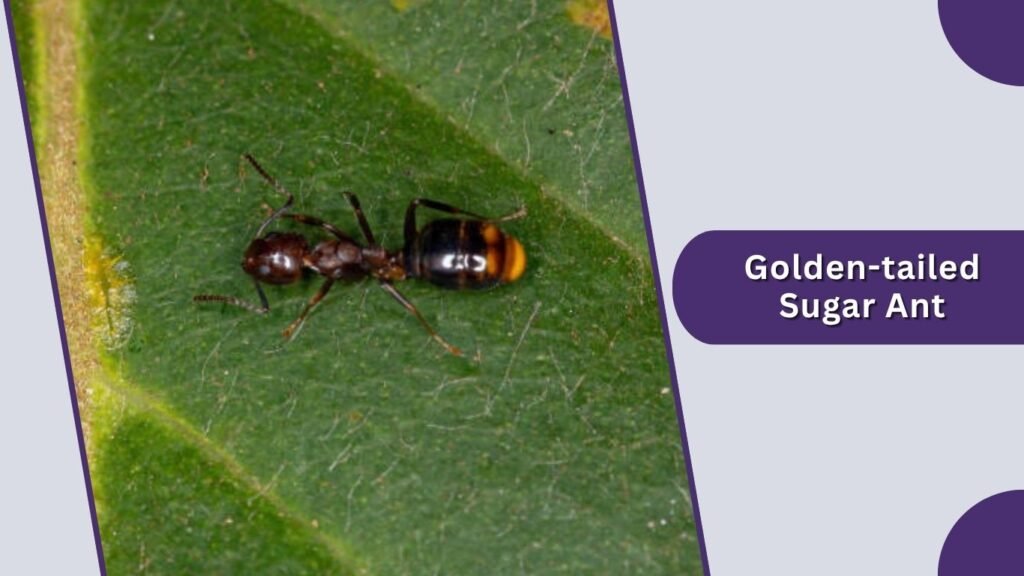
The golden-tailed sugar ant (Camponotus aeneopilosus) is a small Australian carpenter ant recognized by the golden hairs covering its abdomen. This covering produces a shimmering appearance when sunlight catches the ants as they move.
Identification
- Workers usually measure approximately 5–9 millimeters long.
- The head and middle body are predominantly black.
- Fine golden hairs cover the abdomen.
- The middle body lacks the prominent spines seen in similar-looking spiny ants.
Habitat and Distribution
Golden-tailed sugar ants occur in eastern Australia, including New South Wales and the Australian Capital Territory. Forests and woodland provide suitable habitat. Colonies typically occupy soil nests, including sheltered positions beneath rocks or logs. Their nesting habits demonstrate that carpenter ants do not always require wooden cavities.
Behavior and Diet
Workers are active during daylight, making them easier to observe than many nocturnal sugar ants. They search surrounding vegetation and ground surfaces for food. Like sugar ants generally, they obtain energy from sugary liquids and require additional nutrients for brood production. The common name describes their appearance and attraction to sweets, not an exclusively sugary diet.
Life Cycle
A colony develops through successive generations of brood. Eggs hatch into larvae, which grow before entering the pupal stage and emerging as adults. Workers vary in size but retain their adult size after emergence. Nest workers maintain the chambers and care for immature ants while foragers obtain food.
21. Indian Black Ant
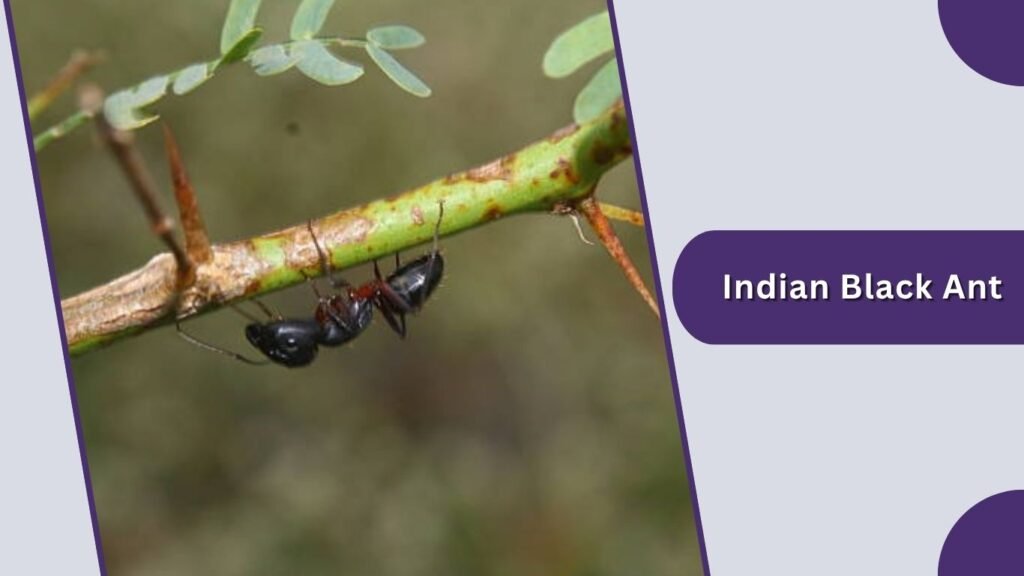
The Indian black ant (Camponotus compressus) is a familiar carpenter ant in South Asia. Its large workers, shiny abdomen, and frequent visits to plants make it noticeable around gardens and other vegetated spaces.
Identification
- Workers are predominantly black, with a noticeably shiny abdomen.
- Legs and antennae may appear brownish.
- Worker length varies considerably, commonly around 6–16 millimeters.
- Larger workers have broader heads and more substantial jaws.
Habitat and Distribution
This species occurs in India and other parts of southern Asia. Colonies commonly nest in the ground, including around tree bases. A colony may occupy a main nest and additional satellite nests. Workers travel between nesting areas and nearby plants where food is available.
Behavior and Diet
Indian black ants regularly attend sap-feeding insects such as treehoppers and aphids. Workers stimulate these insects with their antennae and collect the honeydew they release. In return, the ants may protect their food suppliers from predators. Activity can occur during both daylight and darkness, rather than following a strictly nocturnal schedule.
Life Cycle
Queens produce eggs that develop through larval and pupal stages before becoming adults. Workers care for the brood and gather food for the colony. As colonies expand, additional nesting spaces can accommodate workers and developing ants. Winged males and young queens provide the reproductive stage through which new colonies become established.
22. Namib Desert Dune Ant
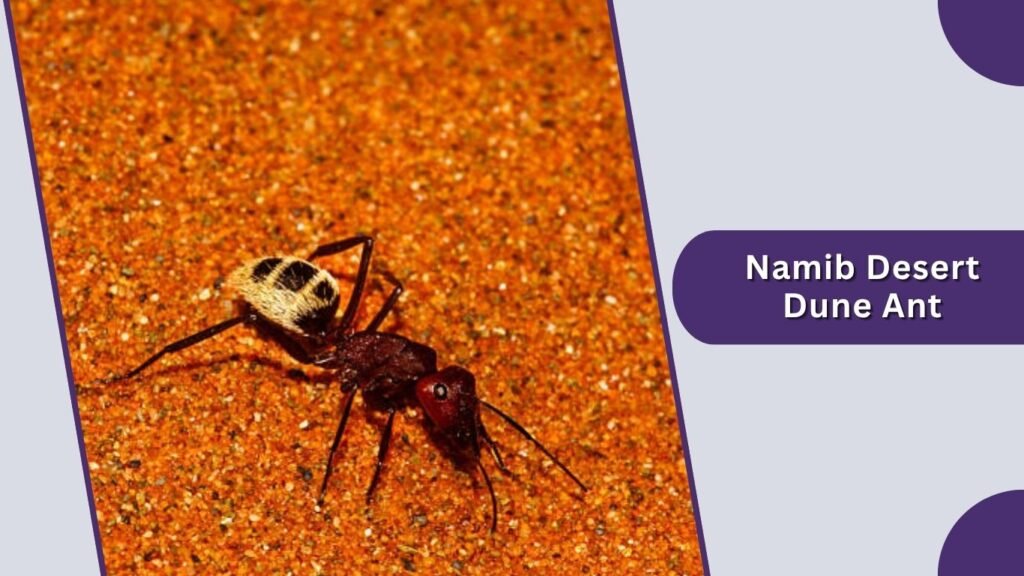
The Namib Desert dune ant (Camponotus detritus) lives among the sandy dunes of southwestern Africa. Its adaptations to heat and scarce moisture allow it to occupy an environment very different from the forests associated with many carpenter ants.
Identification
- Workers have dark bodies with contrasting pale abdominal markings.
- Dense hairs give the abdomen a distinctive textured appearance.
- Long legs hold the body above the hot sand.
- Workers within the colony vary in size.
Habitat and Distribution
This species inhabits the central Namib Desert, particularly its dune landscapes. Colonies construct underground chambers among the roots of perennial plants. Vegetation provides both protected nesting locations and access to food. A single colony may occupy several connected nesting sites within its foraging territory.
Behavior and Diet
Workers forage during daylight and collect honeydew from sap-feeding insects living on desert plants. They also consume dead insects. Honeydew supplies both food and moisture in this dry environment. Their long legs reduce contact with the hottest surface layer, while specialized breathing patterns help limit respiratory water loss.
Life Cycle
Eggs, larvae, and pupae develop within the underground nest, where workers provide care. The colony’s reproductive queen produces new brood, while the workers maintain nesting chambers and collect food. Successful colony growth depends on access to the scattered resources available around desert vegetation.
23. Shimmering Golden Sugar Ant
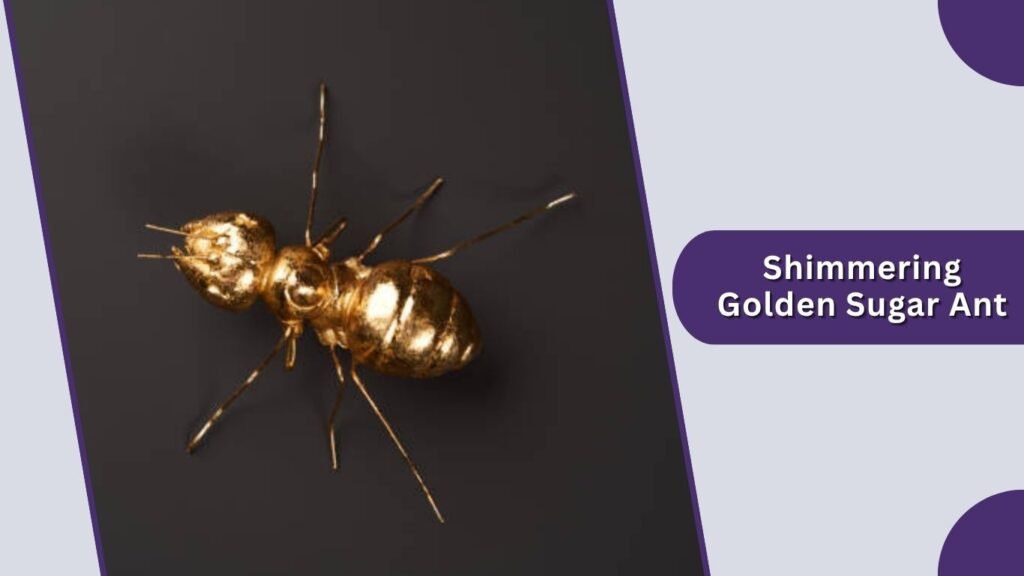
The shimmering golden sugar ant (Camponotus sericeiventris), also called the golden carpenter ant, is a striking tropical American species. Its silky covering of reflective hairs gives workers a golden or silvery appearance.
Identification
- Workers have a dark body covered with fine reflective hairs.
- The abdomen often shows a pronounced golden sheen.
- Large and small workers occur within the same colony.
- Major workers have broad heads and powerful jaws.
Habitat and Distribution
This species occurs in Central and South America. It inhabits tropical forests and wooded savanna environments, including Brazil’s Cerrado. Colonies occupy cavities in living or dead tree trunks and branches. Suitable wood provides protected nesting chambers above the ground.
Behavior and Diet
Workers have a varied diet. Field studies document visits to flowers and nectar-producing plant structures, attendance of honeydew-producing insects, and collection of fruits and seeds. They also capture live prey and scavenge dead animals. Foragers may leave the nest together but often search for food individually.
Life Cycle
The colony contains reproductive females, workers, and developing brood. Workers feed larvae, protect pupae, and maintain the nest. Smaller workers participate in brood care and food collection, while larger workers also contribute to foraging and defense. Eggs pass through larval and pupal stages before becoming adults. Established colonies eventually produce winged reproductive ants.
24. Glossy Sugar Ant
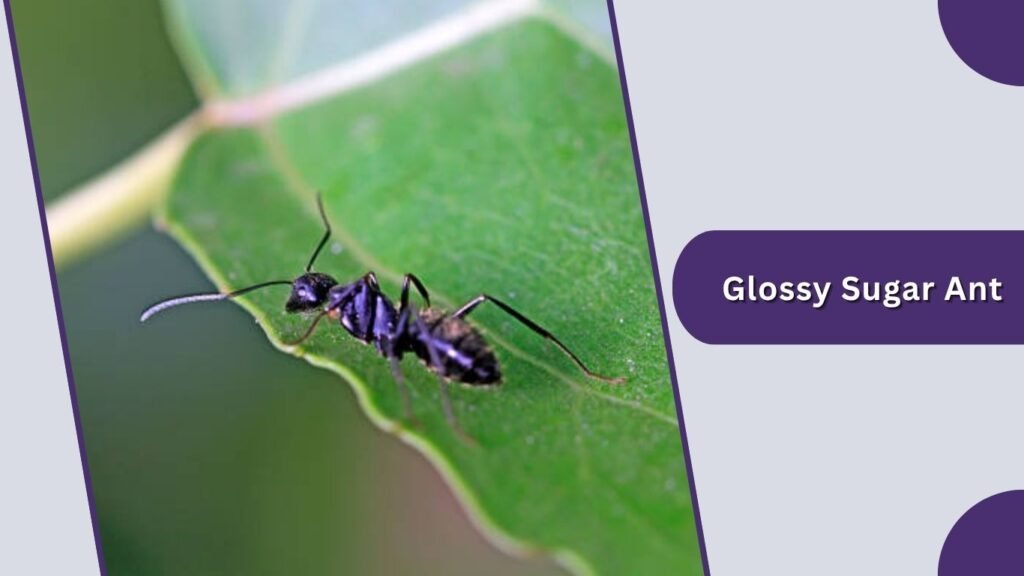
The glossy sugar ant (Camponotus empedocles) is a large, dark carpenter ant recorded across parts of Africa and the Arabian Peninsula. Its shiny abdomen contrasts with the less reflective surfaces of its head and middle body.
Identification
- The body is generally blackish-brown, with somewhat paler legs.
- The abdomen is shiny and has relatively sparse fine hairs.
- The upper outline of the middle body forms a continuous curve.
- Elbowed antennae and a single waist node are characteristic features.
Habitat and Distribution
Records include Zimbabwe, South Africa, Yemen, and the United Arab Emirates. This distribution spans several different environmental conditions. Its nesting preferences are less thoroughly described than those of common household carpenter ants, so it should not automatically be characterized as a wood-nesting pest.
Behavior and Diet
Detailed field information about this species’ feeding behavior is limited. Carpenter ants generally use plant-derived foods and animal material, but that broader pattern does not establish the exact diet of the glossy sugar ant. Its common name alone is insufficient evidence that sugar dominates its natural food intake.
Life Cycle
Like other ants, it develops through egg, larval, pupal, and adult stages. Workers care for immature colony members, while reproductive females lay eggs. Precise development times, mating seasons, and typical colony sizes are not well established for this species and should not be borrowed from better-studied carpenter ants.
25. Shiny Sugar Ant
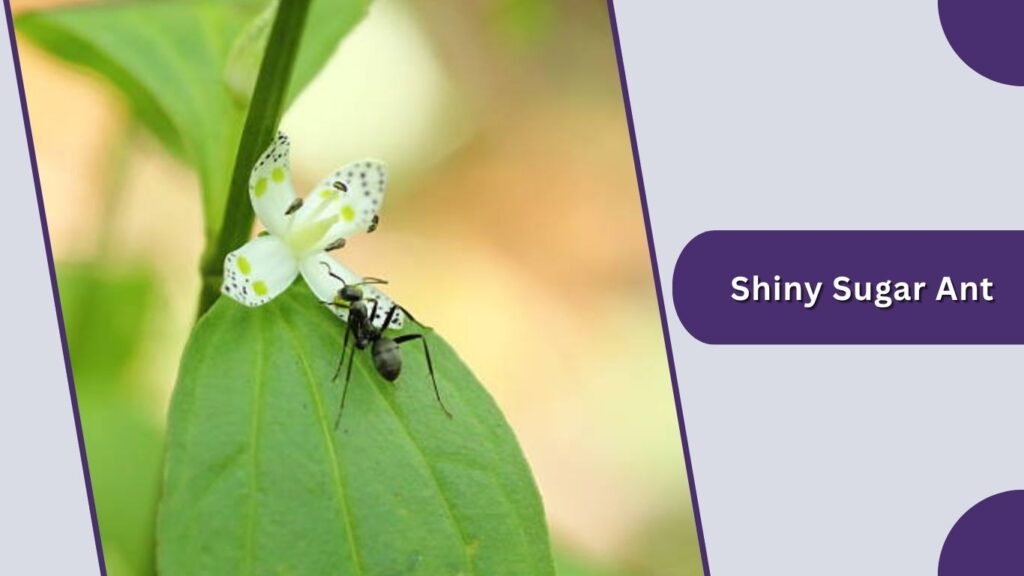
The shiny sugar ant (Camponotus cinctellus) is an African carpenter ant with a golden sheen across its abdomen. Fine reflective hairs create this appearance, making the species especially noticeable when viewed in good light.
Identification
- Fine golden hairs give the abdomen a shimmering appearance.
- Workers have dark bodies, sometimes with reddish-brown coloring.
- The legs are reddish, helping distinguish it from some similar species.
- Larger workers have broader heads than smaller nestmates.
Habitat and Distribution
This species occurs across eastern and southern Africa, including Kenya, Tanzania, Mozambique, Zimbabwe, and South Africa. Research in Rwanda has recorded it in several agricultural and wooded settings, indicating that it occupies more than one habitat type.
Behavior and Diet
Workers visit flowers to collect nectar, which supplies energy for their activity. Their interactions with other animals also attract scientific interest. In South Africa, the jumping spider Mexcala elegans resembles this ant and has been observed capturing it. This makes the shiny sugar ant both a model for mimicry and a food source for a specialized predator.
Life Cycle
Development follows the typical ant sequence of egg, larva, pupa, and adult. Workers feed and protect immature ants within the colony. Adult workers differ in size, but small workers do not grow into larger workers after emergence. Precise development times vary with conditions and are not firmly established for this species.
26. Cape Mountain Sugar Ant
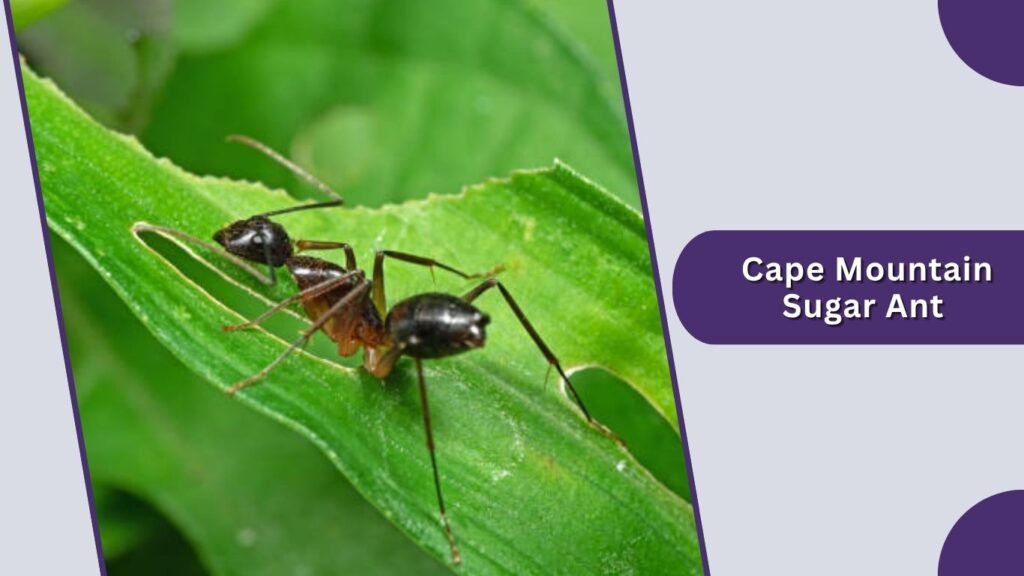
The Cape mountain sugar ant (Camponotus emarginatus) is a relatively small South African carpenter ant. It is less thoroughly documented than many familiar species, and reliable identification depends on examining structural features rather than its common name.
Identification
- Major workers are described as approximately 5–6.5 millimeters long.
- The major worker’s head is nearly square, narrowing slightly toward the front.
- The facial plate above the jaws has a noticeable indentation along its front edge.
- Elbowed antennae and a single waist node identify its broader carpenter ant form.
Habitat and Distribution
South African records establish the species’ presence in the region. However, detailed descriptions of its preferred nesting sites and habitat requirements remain limited. Its common name should not be treated as proof that it occurs exclusively in mountains.
Behavior and Diet
Species-specific feeding observations are scarce. Many carpenter ants collect sugary liquids and animal material, but that general pattern does not establish this species’ exact diet. Claims about particular prey, honeydew-producing partners, or a strictly nocturnal lifestyle require further evidence.
Life Cycle
Like other ants, it passes through egg, larval, pupal, and adult stages. Workers provide care for the developing brood. Reliable figures for colony size, queen lifespan, and the duration of each developmental stage are not well established.
27. Long-legged Sugar Ant
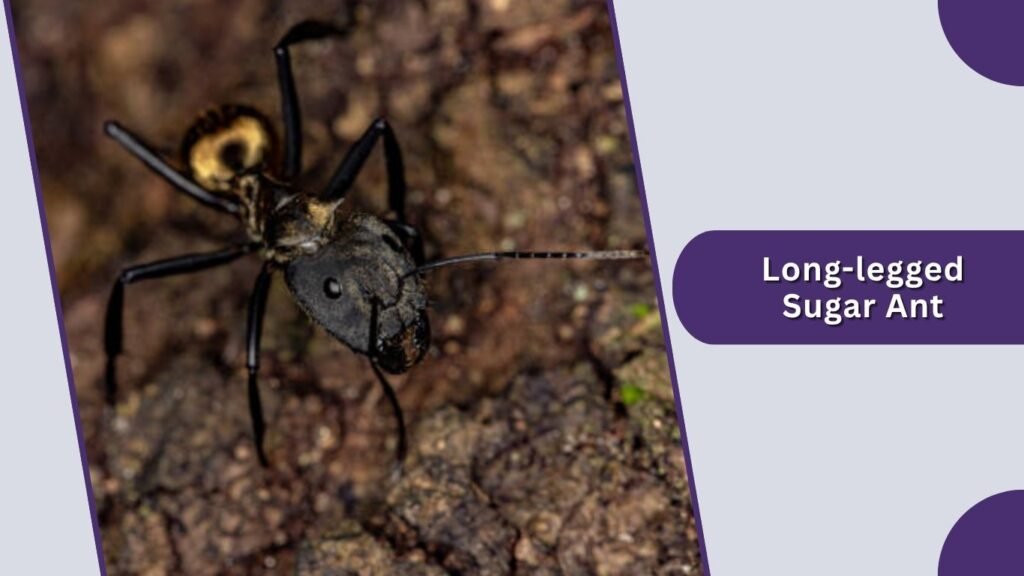
The long-legged sugar ant (Camponotus etiolipes) is a large African carpenter ant with an elongated appearance. Its long legs and relatively slender smaller workers make it distinctive among the region’s sugar ants.
Identification
- Workers have conspicuously long legs.
- Body coloring ranges from pale brown to darker brown.
- The legs and underside are often lighter than the upper body.
- Smaller workers have much narrower heads than major workers, despite approaching them in length.
Habitat and Distribution
This species is recorded from several African countries. Southern African records include eastern and northern areas, and published surveys confirm its presence in Eswatini. Its geographic distribution is better documented than its detailed nesting requirements.
Behavior and Diet
Workers move quickly and commonly search for food individually. Photographic observations include a worker carrying a moth, demonstrating the transport of insect material. Such observations do not establish whether the insect was hunted or scavenged. Its complete natural diet remains less thoroughly described than its appearance and foraging movements.
Life Cycle
Eggs hatch into larvae, which depend on colony members for food and protection. After pupation, new adults join the workforce. Differences between major and minor workers develop before adulthood. Colony growth depends on successful brood production and access to food, but precise growth rates should not be assumed from other carpenter ants.
28. Bayne’s Sugar Ant
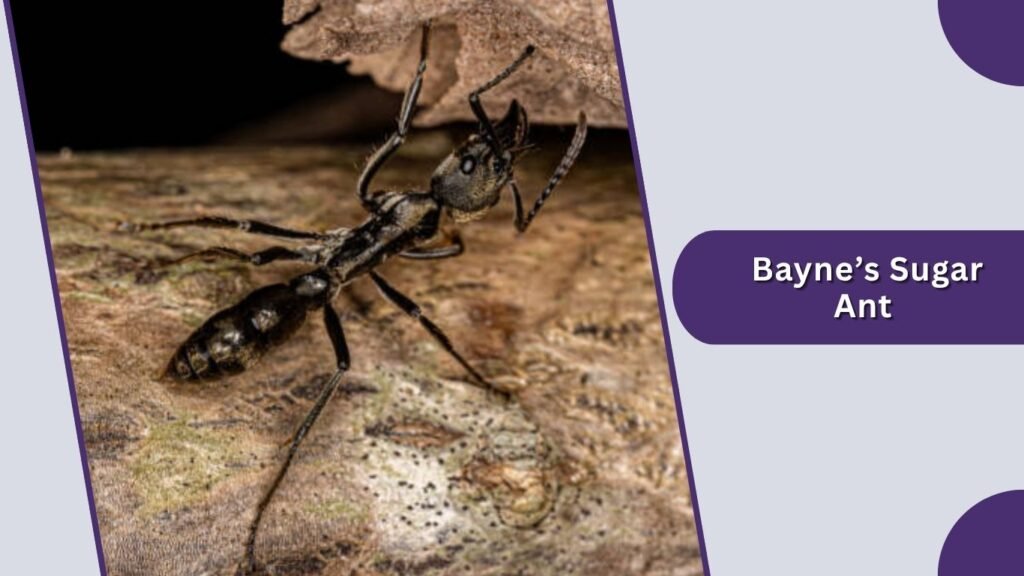
Bayne’s sugar ant (Camponotus baynei) is a South African carpenter ant known for its association with Breton blue butterfly caterpillars. This relationship connects the ant with the ecology of the butterfly’s host plants.
Identification
- Workers are dark brown to black, sometimes showing coppery highlights.
- Major workers have noticeably broader heads than minor workers.
- Smaller workers are approximately 7 millimeters long, while majors can approach 14 millimeters.
- The abdomen lacks the conspicuous pale spots found on some related sugar ants.
Habitat and Distribution
Bayne’s sugar ants occur in South Africa’s Cape region, including mountain fynbos and lower-lying areas. Research near Knysna documented nests in decaying wood containing cavities made by beetle larvae. These nests could be some distance from the plants where workers attended butterfly caterpillars.
Behavior and Diet
Workers have been observed tending older Brenton blue larvae and pupae around the rootstocks of Indigofera erecta. The caterpillars feed on plant tissue rather than ant brood. Researchers found that attendance was especially noticeable later in the day and early evening. The ant’s wider diet is less thoroughly documented than this association.
Life Cycle
The ants undergo complete metamorphosis through egg, larval, pupal, and adult stages. Workers care for their own brood inside the nest while also participating in activities outside it. Butterfly caterpillars attended by the workers are separate organisms, not part of the ant’s life cycle.
29. St. Lucia Sugar Ant
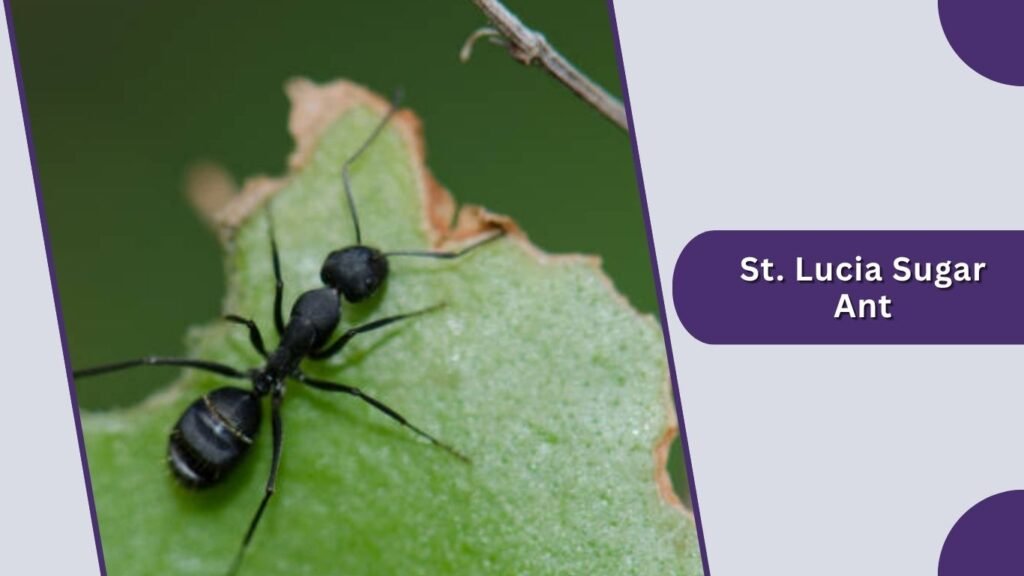
The St. Lucia sugar ant (Camponotus arminius) is an African carpenter ant associated with tropical and subtropical environments. Its name refers to southern African usage, including the St. Lucia area of South Africa.
Identification
- Workers have predominantly black bodies.
- Fine tawny hairs are especially noticeable on the abdomen.
- The abdominal covering can give the ant a slightly dusty appearance.
- Colonies contain workers of different sizes, with broader heads in larger individuals.
Habitat and Distribution
This species occurs in tropical and subtropical Africa, including South Africa and Mozambique. Regional accounts associate it with forested areas along the eastern coast. Workers travel both on the ground and through trees, using different levels of their surroundings while foraging.
Behavior and Diet
St. Lucia sugar ants establish extensive foraging trails. Researchers have also identified several volatile compounds in their glands, contributing to knowledge of carpenter ant chemistry. Their exact food preferences are less thoroughly described than their trail activity. The varied diet typical of carpenter ants should therefore be treated as general context rather than a complete species-specific feeding record.
Life Cycle
The colony produces eggs that develop into larvae, pupae, and adults. Workers maintain the nest and care for immature ants. Reproductive adults provide the means of establishing future colonies. Published evidence does not support assigning one fixed development time or lifespan to every colony.
30. Shimmering Sugar Ant
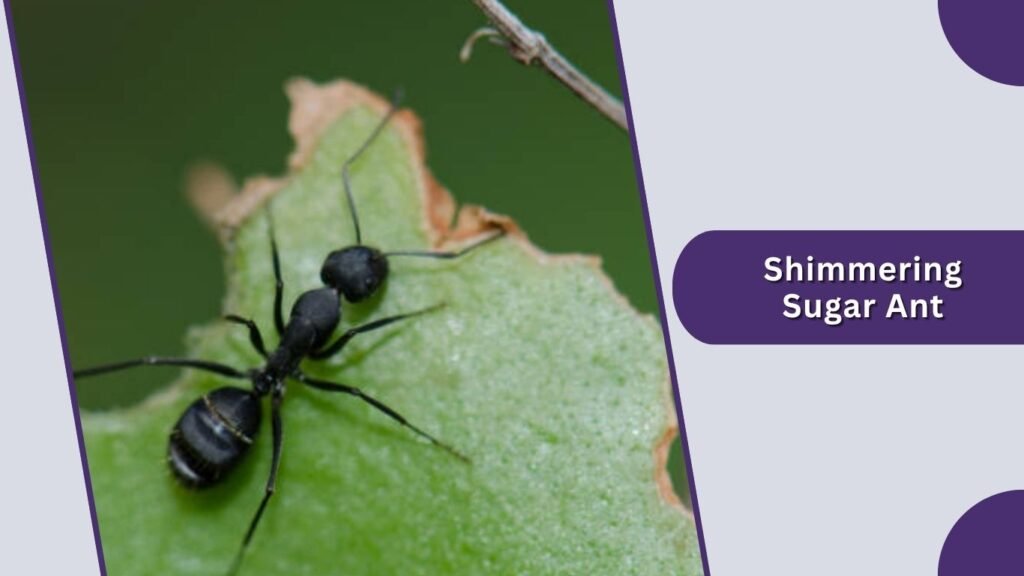
The shimmering sugar ant (Camponotus vestitus) is a southern African species distinguished by reflective abdominal hairs. Their arrangement produces a banded or checkered effect that changes with the viewing angle.
Identification
- The head and middle body range from yellowish-red to darker brick-red.
- The abdomen is darker, commonly brown.
- Fine grayish-gold hairs create the characteristic shimmering pattern.
- Major workers have broader heads than the smaller workers.
Habitat and Distribution
This species occurs in southern Africa, including South Africa’s Cape region. Regional observations suggest an association with granitic soils. It has also been studied in the vegetation of Jonkershoek Nature Reserve near Stellenbosch, where workers visited flowering plants.
Behavior and Diet
Flower visits provide direct evidence of nectar foraging. A study of Eustegia minuta found shimmering sugar ants probing its flowers, with some carrying pollen structures on their mouthparts. The researchers suggested that the ants might contribute to pollination, although March flies were considered the principal pollinators. Its resemblance to the larger pugnacious ant is another notable feature, but resemblance alone does not prove protective mimicry.
Life Cycle
Eggs develop into larvae, which receive food and care from adult workers. Larvae then pupate before emerging as adults. Nest workers protect the brood while foragers obtain resources outside. As with other carpenter ants, adult worker size is determined during development and does not increase after emergence.
FAQs
These questions cover common points about identifying carpenter ants, understanding their nests, and recognizing their winged forms.
1. Do Carpenter Ants Eat Wood?
No. Carpenter ants that nest in wood excavate it to create chambers and passages. They obtain food from sources such as insects, nectar, and honeydew rather than digesting wood like termites.
2. How Can You Identify a Carpenter Ant?
Common features include elbowed antennae, a single waist node, and workers of different sizes within a colony. Many have a smoothly rounded upper body profile. Color and size alone rarely confirm the species.
3. Where Do Carpenter Ants Build Their Nests?
Nesting sites vary by species. Some occupy decaying trunks, branches, stumps, or structural wood. Others nest underground, beneath rocks, or among plant roots. Finding a carpenter ant does not necessarily indicate a nearby wooden nest.
4. Do All Carpenter Ants Damage Houses?
No. Many species live outdoors and are not common structural pests. Wood-nesting species can damage buildings when colonies establish themselves in timber and enlarge their galleries. A wandering worker alone does not prove that a building is infested.
5. Why Do Some Carpenter Ants Have Wings?
Winged carpenter ants are reproductive males and young queens. They leave established colonies to mate and disperse. Queens usually shed their wings after mating, while ordinary workers remain wingless throughout their lives.