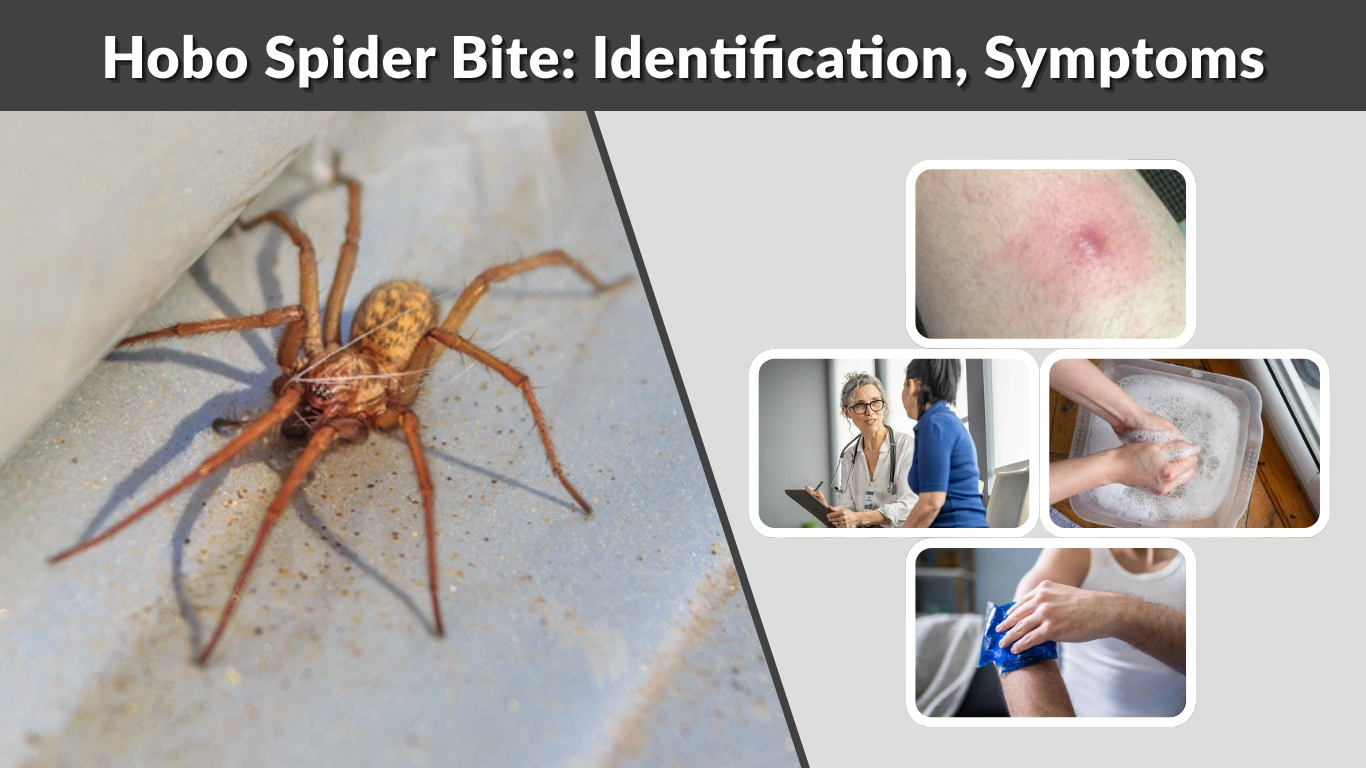
Hobo spider bites have long been associated with serious skin damage and necrotic wounds, particularly in the Pacific Northwest of the United States. For years, these spiders were believed to cause severe tissue destruction similar to brown recluse spider bites. However, more recent medical research has challenged this reputation, suggesting that many suspected hobo spider bites were likely misdiagnosed skin infections or bites from other insects.
Hobo spiders are common household spiders that often live in basements, crawl spaces, and other undisturbed areas. Bites are rare and typically occur only when the spider is accidentally pressed against the skin. Understanding how to identify a hobo spider, recognize the symptoms of a bite, and separate myth from scientific evidence can help reduce unnecessary fear and ensure appropriate care. This article focuses on identifying hobo spider bites and explains the most commonly reported symptoms.
What Is a Hobo Spider?
Scientific Classification
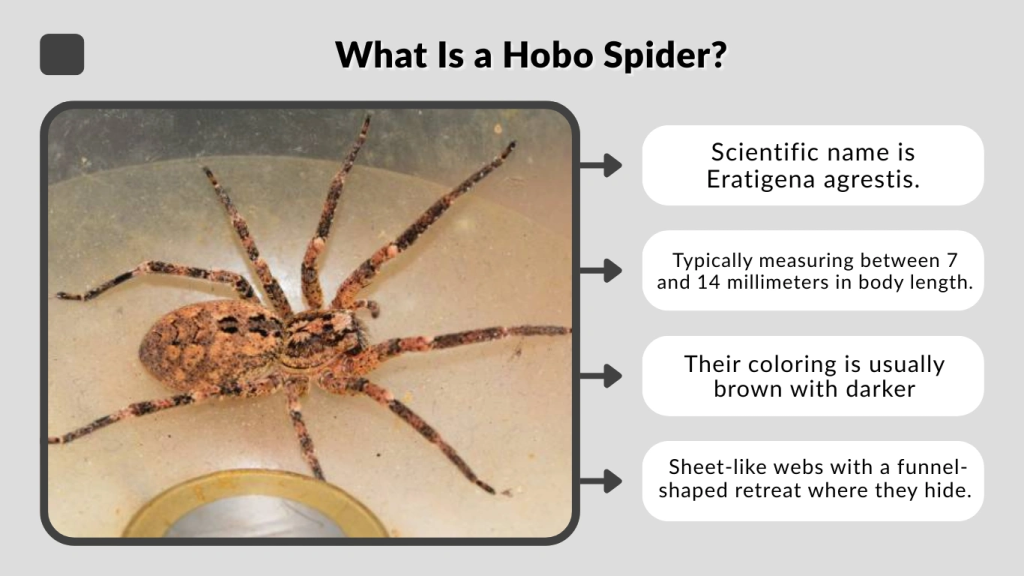
The hobo spider’s scientific name is Eratigena agrestis. It belongs to the Agelenidae family, commonly known as funnel weaver spiders. These spiders are fast runners and construct flat, sheet-like webs with a funnel-shaped retreat where they hide.
Physical Identification
Hobo spiders are medium-sized brown spiders, typically measuring between 7 and 14 millimeters in body length. They have long legs and a somewhat flattened appearance. Their coloring is usually brown with darker, mottled patterns on the abdomen, though these markings can be subtle and difficult to see. Unlike some spiders, hobo spiders do not have distinctive stripes or bright markings, making visual identification challenging.
Because of their plain appearance, hobo spiders are often mistaken for wolf spiders or brown recluse spiders. However, hobo spiders lack the violin-shaped marking associated with brown recluse spiders and are generally smaller and less hairy than wolf spiders.
Habitat and Behavior
Hobo spiders are commonly found in the Pacific Northwest of the United States and parts of Europe. They prefer cool, dark environments such as basements, crawl spaces, garages, woodpiles, and outdoor foundations. Indoors, they may be found along baseboards or in corners where their funnel-shaped webs are built.
These spiders are not aggressive and will only bite defensively if they feel threatened or trapped. Most bites occur when a spider is accidentally pressed against the skin, such as during sleep or while moving stored items.
How to Identify a Hobo Spider Bite
Initial Bite Appearance
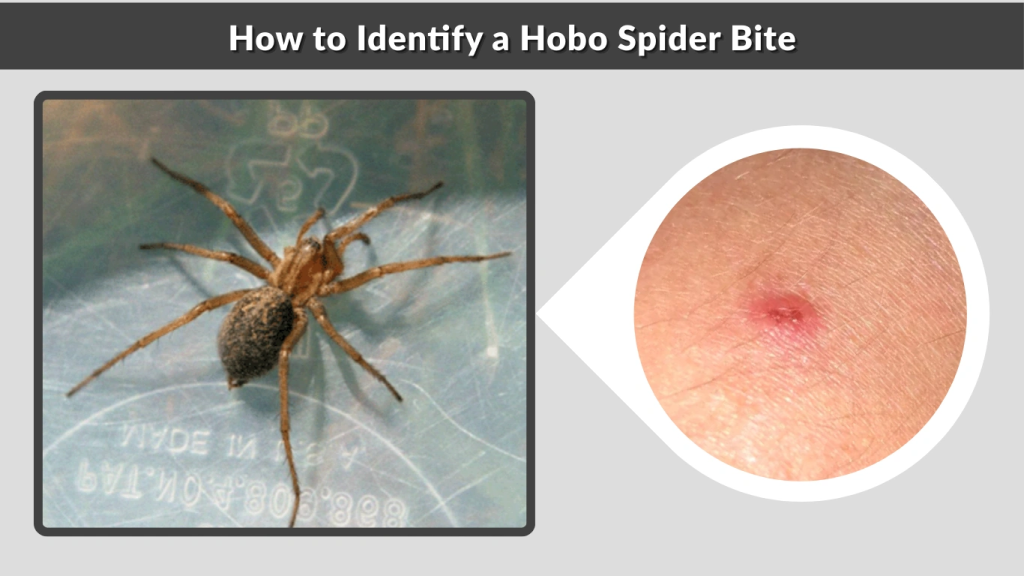
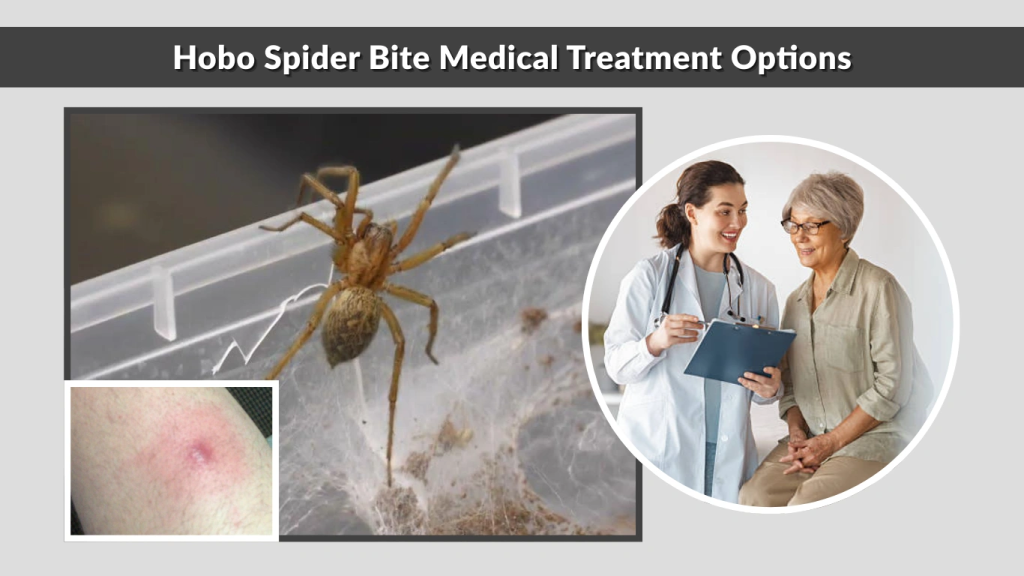
A hobo spider bite often begins as a small red spot or slightly raised area on the skin. Some people report a mild stinging or burning sensation at the time of the bite, while others may not notice it immediately. In many cases, the bite appears similar to a mosquito or flea bite.
Bite Progression Over Time
Over the next several hours, redness and swelling may increase around the bite area. Mild to moderate pain or tenderness can develop, along with itching or irritation. In some cases, a small blister may form at the center of the bite. The surrounding skin may feel warm to the touch, but severe pain is uncommon.
Difficulty in Confirmation
Identifying a hobo spider bite with certainty is difficult unless the spider is seen or captured at the time of the bite. Many skin lesions attributed to spider bites are later found to be bacterial infections, allergic reactions, or other dermatological conditions. Because of this, medical professionals often caution against self-diagnosis.
Hobo Spider Bite Symptoms
Local Symptoms
Most reported hobo spider bites cause localized symptoms, including redness, swelling, itching, and mild pain. These symptoms usually remain confined to the bite area and improve within a few days.
Systemic Symptoms
In some cases, individuals may experience general symptoms such as headache, fatigue, nausea, dizziness, or weakness. These symptoms are usually mild and temporary, resolving without medical treatment.
Myth vs. Reality: Necrotic Lesions
Early reports claimed that hobo spider bites caused necrotic wounds. Current research does not strongly support this. Many cases once attributed to hobo spiders were likely due to infections like MRSA or other medical conditions. While skin ulcers can occur, they are rare and often unrelated to the spider’s venom.
What to Do If You Are Bitten (First Aid)
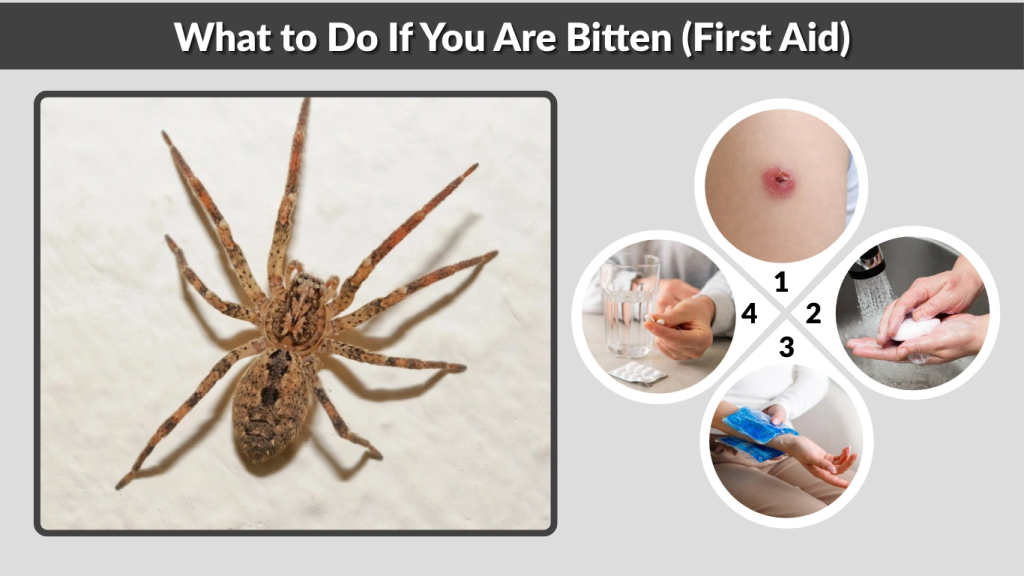
If you suspect a hobo spider bite, basic first aid can help reduce symptoms and prevent complications. Begin by gently washing the affected area with soap and clean water. This helps remove bacteria and reduces the risk of secondary infection.
Apply a cold compress or ice pack wrapped in a cloth to the bite for 10 to 15 minutes at a time. Cold therapy can help minimize swelling, redness, and discomfort. If the bite is on an arm or leg, elevating the limb may further reduce inflammation.
Over-the-counter pain relievers such as paracetamol or ibuprofen can help manage pain. Antihistamines may reduce itching and mild allergic reactions, while topical creams like hydrocortisone can soothe redness and irritation. Avoid scratching the bite, as broken skin increases the risk of infection.
What Not to Do
Do not cut, squeeze, or attempt to drain the bite area. Avoid applying heat, strong chemicals, or unverified home remedies. These actions can worsen irritation and delay healing.
Medical Treatment Options
When to Seek Medical Attention
Most hobo spider bites heal without medical intervention. However, you should seek medical care if symptoms worsen, pain becomes severe, or signs of infection develop. These include spreading redness, warmth, pus, fever, or increasing tenderness.
Medical attention is also recommended if systemic symptoms such as persistent nausea, dizziness, or weakness occur, or if the bite affects sensitive areas like the face, neck, or genitals. Individuals with compromised immune systems should seek care sooner.
Clinical Management
There is no specific antivenom for hobo spider bites. Treatment focuses on symptom management and monitoring. A healthcare provider may prescribe stronger antihistamines, anti-inflammatory medications, or topical treatments if symptoms are persistent.
Antibiotics are not routinely prescribed and are only used if a confirmed bacterial infection is present. If blistering or skin breakdown occurs, proper wound care and regular monitoring are important to promote healing and reduce the risk of scarring.
Recovery and Follow-Up
Most people recover fully within several days to a week. Lingering redness or sensitivity may last longer but typically resolves without long-term effects.
How Long Does a Hobo Spider Bite Last?
The duration of a hobo spider bite depends on the individual’s reaction and the severity of the bite. Mild bites may improve within 24 to 72 hours. Moderate symptoms can last up to one to two weeks. In rare cases involving blistering or infection, healing may take longer. Keeping the area clean and avoiding irritation can help speed recovery.
Prevention: Avoiding Hobo Spider Bites
Preventing hobo spider bites involves reducing contact with spiders and their habitats. Indoors, keep basements, garages, and storage areas clean and free of clutter. Sealing cracks in walls, windows, and foundations can limit spider entry.
Remove spider webs regularly, especially in corners and along baseboards. Outdoors, keep woodpiles away from the home and wear gloves when handling firewood, stored items, or garden materials. Shaking out shoes, clothing, and bedding before use can further reduce the risk of accidental bites.
Professional pest control may be helpful in homes with persistent spider problems.
FAQ
Are hobo spider bites dangerous?
Most hobo spider bites are not dangerous and cause only mild symptoms.
Can hobo spider bites cause necrosis?
Current evidence does not strongly support necrosis caused by hobo spider venom.
How can you tell a hobo spider bite from a brown recluse bite?
Brown recluse bites are rare in the Pacific Northwest and often cause more severe tissue damage.
Should you capture the spider?
If safe, capturing the spider may help with identification, but it is not necessary.