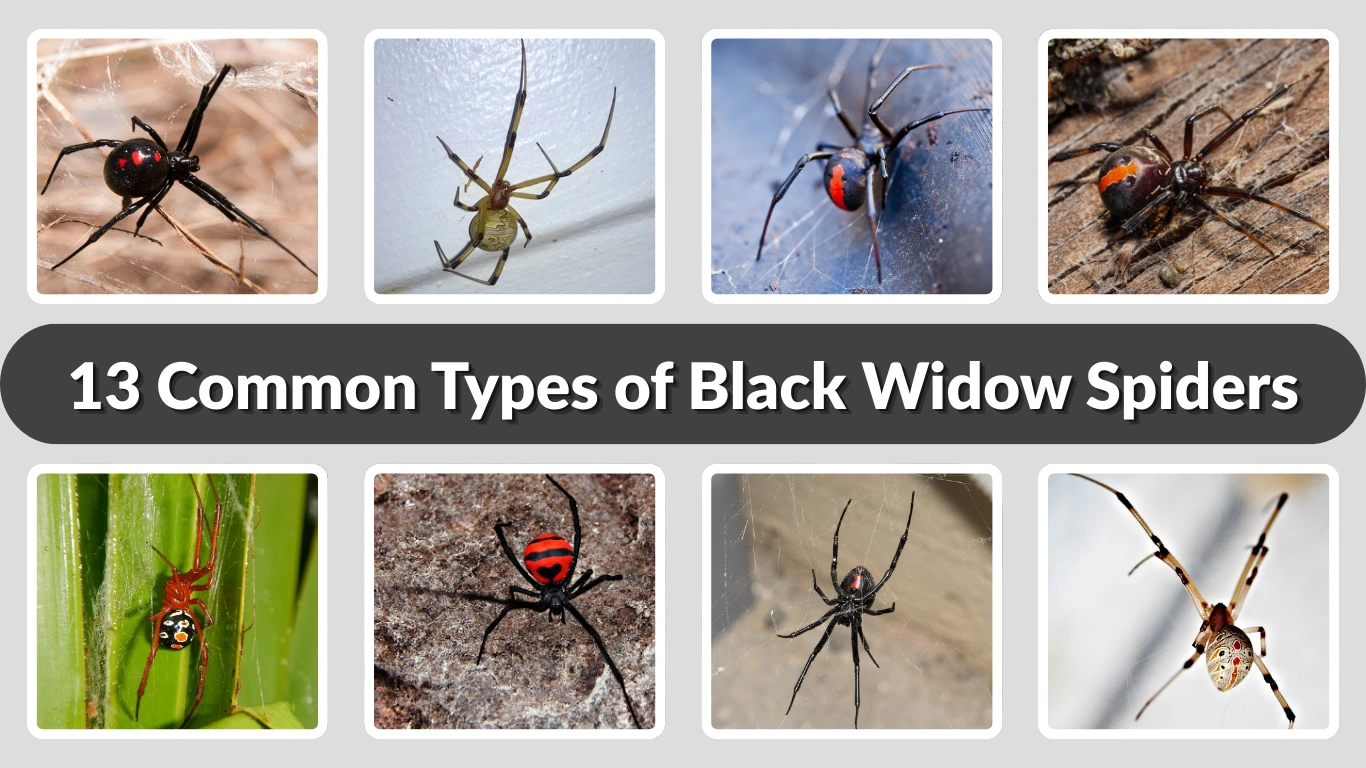
Black widow spiders are among the most recognizable arachnids in the world, known for their glossy bodies, distinctive red markings, and potent venom. While many people assume there is only one type, black widows include several unique species found across different continents and climates. Each species has its own appearance, habitat, and behavior patterns. This guide highlights 13 common types of black widow spiders, helping you identify and understand each one more clearly.
1. Southern Black Widow
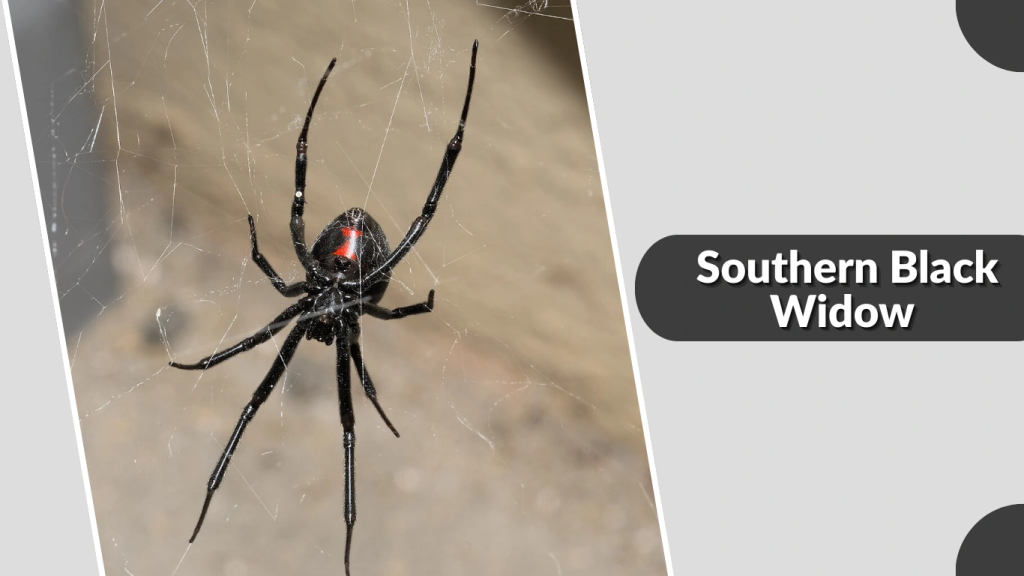
The Southern Black Widow (Latrodectus mactans) is one of the most recognizable widow spiders, known for its glossy black body and iconic red hourglass marking. It is widespread across North America and often found in dark, undisturbed areas around human structures.
Identification
- Shiny black, spherical abdomen
- Distinct red hourglass on underside of abdomen
- Females larger (8–13 mm); males smaller and lighter
- Long, slender legs
- Irregular, messy web structure
Habitat
The Southern Black Widow commonly inhabits warm, sheltered environments such as woodpiles, sheds, basements, garages, and debris piles. It prefers dry, undisturbed spaces where it can build webs close to the ground.
Behaviors
This species is typically shy and avoids confrontation, biting only when threatened. It creates irregular cobwebs and usually hangs upside down within them. Females remain close to their webs, while males wander during mating periods.
Lifecycle & Diet
The lifecycle includes egg, spiderling, juvenile, and adult stages. Females can live up to three years, while males survive only a few months. Their diet consists of insects such as flies, beetles, mosquitoes, grasshoppers, and other small arthropods, which they trap using sticky webs.
2. Western Black Widow
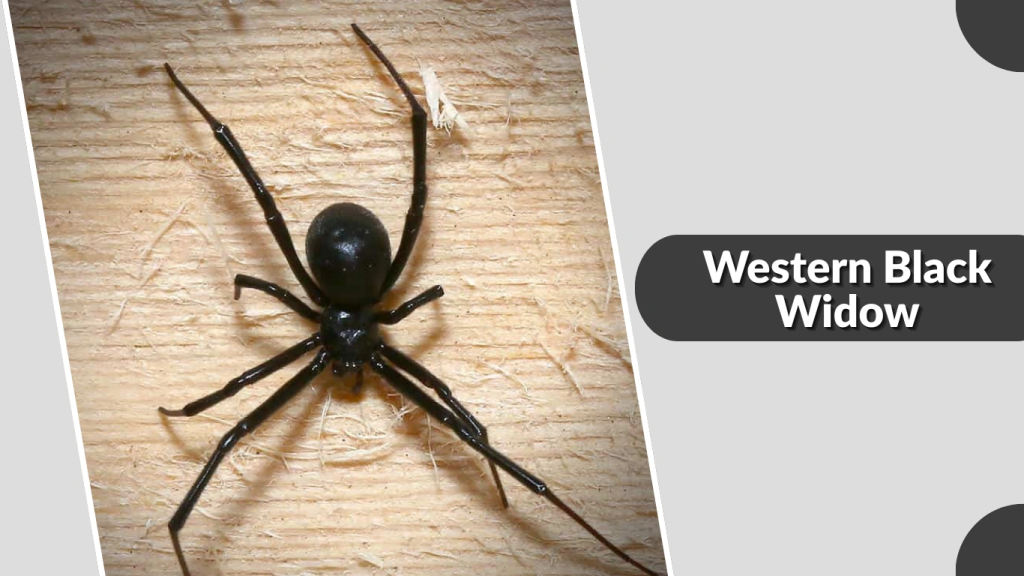
The Western Black Widow (Latrodectus hesperus) is a well-known widow species primarily found in the western regions of North America. It is closely related to the Southern and Northern Black Widows but is distinguished by subtle variations in color and pattern.
Identification
- Glossy black body with a red or orange hourglass on the abdomen
- Females larger (up to 13 mm); males smaller and lighter brown
- Slightly more elongated abdomen compared to other widow species
- Webs are messy, irregular, and usually near ground level
Habitat
The Western Black Widow prefers dry, sheltered environments such as garages, barns, rock piles, basements, and outdoor debris. It is often found in deserts, grasslands, and urban areas where it can safely build a stationary web.
Behaviors
This species is secretive and avoids confrontation, biting only if pressed or threatened. Females stay near their webs, while males roam during mating. They usually hang upside down in the center of their web, exposing the hourglass marking.
Lifecycle & Diet
The lifecycle moves from egg to spiderling to juvenile before reaching adulthood. Females live significantly longer than males, often up to three years. Their diet consists of insects such as beetles, ants, flies, crickets, and other small arthropods captured through their sticky, tangled webs.
3. Northern Black Widow
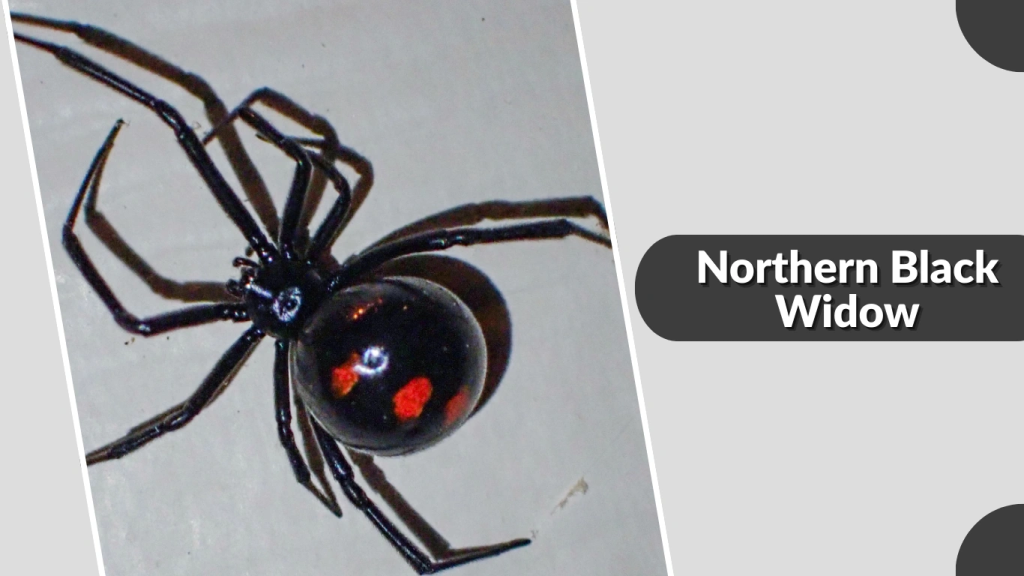
The Northern Black Widow (Latrodectus variolus) is commonly found in the northeastern and midwestern regions of North America. It is known for its segmented red markings and slightly different hourglass pattern compared to other widow species.
Identification
- Shiny black body with a broken or split red hourglass on the underside
- Red spots or stripes along the top of the abdomen in some individuals
- Females larger (9–13 mm); males smaller and brownish
- Irregular, tangled cobweb typically built close to ground level
Habitat
The Northern Black Widow prefers forests, woodpiles, stone walls, sheds, porches, and dark, undisturbed places. It commonly hides under logs, rocks, or debris in cooler climates compared to the Southern and Western varieties.
Behaviors
This species is shy and defensive rather than aggressive. It rarely bites unless cornered or pressed. Females stay inside their webs, while males wander in search of mates. They often hang upside down in their web, exposing the characteristic markings.
Lifecycle & Diet
The lifecycle includes egg, spiderling, juvenile, and adult stages. Females may live several years, while males live only a few months after maturity. Their diet includes insects like beetles, ants, mosquitoes, grasshoppers, and other small arthropods caught in their sticky, irregular webs.
4. Mediterranean Black Widow
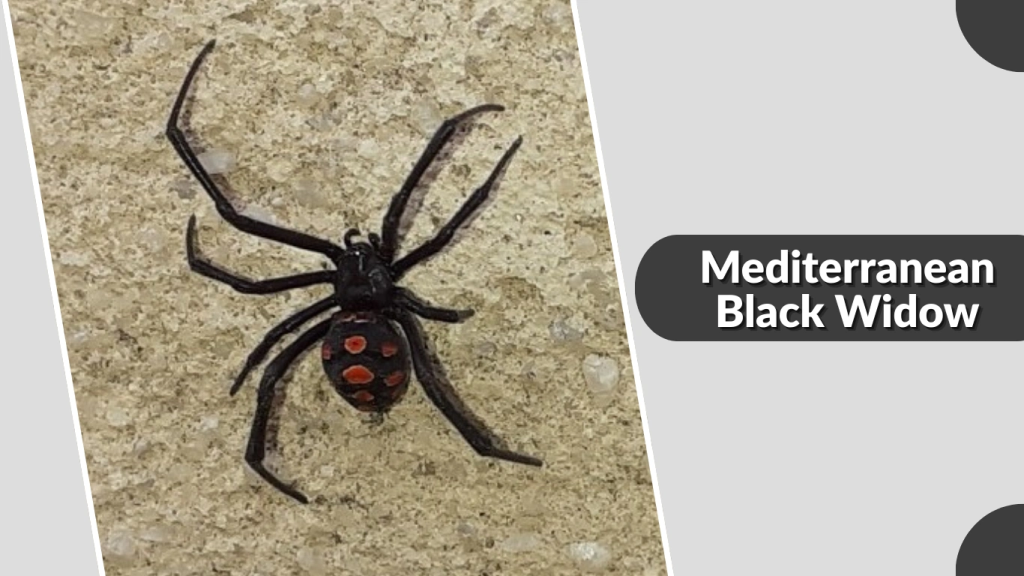
The Mediterranean Black Widow (Latrodectus tredecimguttatus) is native to southern Europe, North Africa, and parts of Asia. It is known for its striking red spots and potent venom, often making it one of the most recognizable widow species outside the Americas.
Identification
- Shiny black body with 13 distinct red or orange spots on the top of the abdomen
- Spots may appear merged or vary in brightness
- Females larger (up to 15 mm); males much smaller and lighter
- Web is irregular, sticky, and typically close to the ground
Habitat
This species thrives in warm climates and is commonly found in fields, farms, grasslands, stone walls, and abandoned structures. It prefers dry, sunny areas and often builds webs near rocks, shrubs, and ground-covering plants.
Behaviors
The Mediterranean Black Widow is generally shy but will defend itself if disturbed. It usually remains hidden within its web, emerging mainly at night. Females are territorial and seldom leave their webs, while males move around during mating season.
Lifecycle & Diet
The lifecycle consists of egg, spiderling, juvenile, and adult stages. Females can live up to several years, while males have shorter lifespans. Their diet includes grasshoppers, beetles, ants, moths, and other small arthropods, which they subdue using their strong venom and sticky webs.
5. Brown Widow
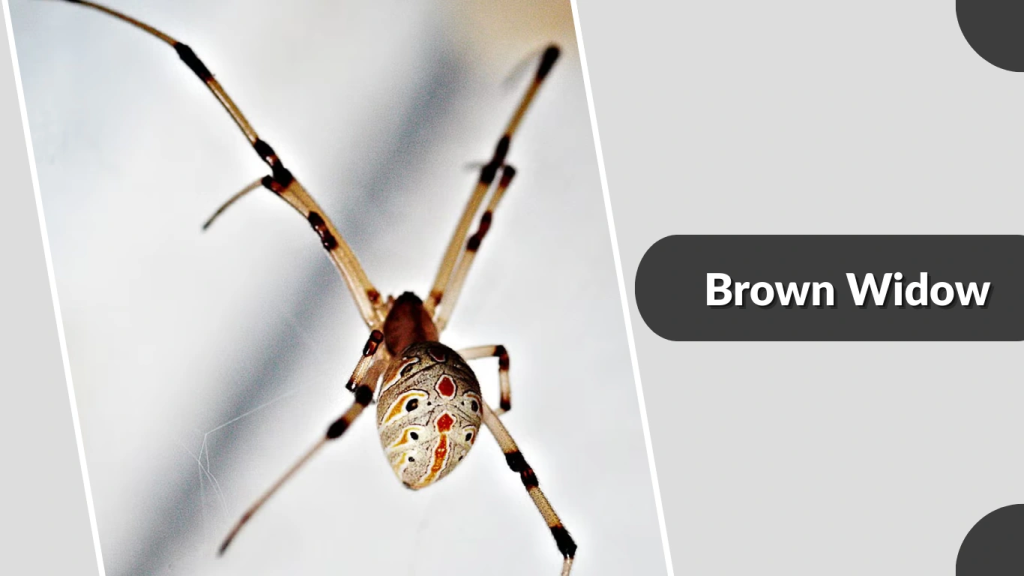
The Brown Widow (Latrodectus geometricus) is a close relative of the black widow but is lighter in color with distinct geometric patterns. Although venomous, it is generally considered less dangerous than the classic black widow species.
Identification
- Light brown, tan, or gray body with orange or yellow hourglass on the underside
- Spiky, geometric-patterned egg sacs (very distinctive)
- Abdomen may have dark stripes or mottled patterns
- Females around 7–10 mm; males smaller and lighter
- Builds messy, irregular webs in sheltered areas
Habitat
The Brown Widow adapts well to human environments and is often found around homes. Common hiding spots include outdoor furniture, fences, garbage cans, mailboxes, plant pots, and cracks around buildings. It prefers warm climates and thrives in tropical and subtropical regions.
Behaviors
This species is less aggressive than black widows and often retreats rather than confronts. Females rarely leave the web except to reposition or when disturbed. The Brown Widow is known for producing numerous egg sacs and reproducing rapidly.
Lifecycle & Diet
Its lifecycle progresses through egg, spiderling, juvenile, and adult stages. Females typically live 1–2 years, while males live much shorter lives. Their diet includes flies, mosquitoes, beetles, cockroaches, and other small insects captured in their sticky cobwebs.
6. Red Widow
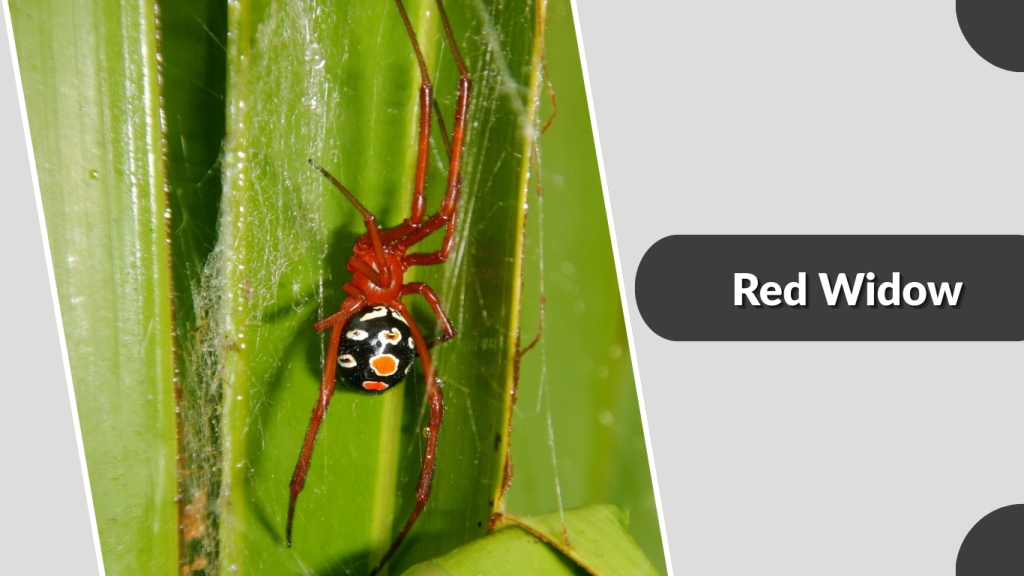
The Red Widow (Latrodectus bishopi) is a unique widow species native to Florida. It is easily recognized by its reddish body and striking coloration. Unlike other widows, it is more specialized in habitat preference and is rarely found outside sandy scrub environments.
Identification
- Bright red cephalothorax and legs
- Abdomen dark brown or black with yellow or red spots
- No hourglass marking on the underside (unlike most widows)
- Females around 10–12 mm; males smaller and lighter
- Creates tangled, irregular webs among shrubs and palmettos
Habitat
The Red Widow inhabits Florida’s sand pine scrub—a rare and threatened ecosystem. It builds webs inside palmetto leaves, shrubs, and other vegetation rather than near the ground or in man-made structures. This specialist habitat makes the species less commonly encountered.
Behaviors
This species is shy and avoids confrontation, biting only when directly threatened. Females stay concealed within their nest-like web structures, while males wander during mating season. The Red Widow rarely leaves its vegetation-based retreat.
Lifecycle & Diet
The lifecycle includes egg, spiderling, juvenile, and adult stages. Females may live more than a year in the wild, while males have much shorter lifespans. Their diet consists mainly of insects found in scrub habitats, such as beetles, grasshoppers, flies, and other small arthropods caught in their irregular webs.
7. South American Black Widow
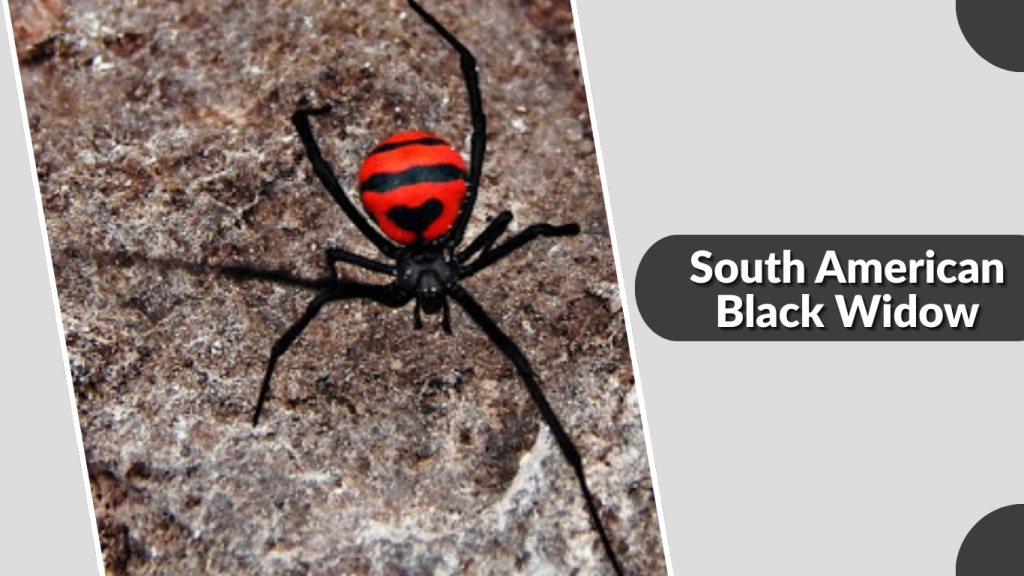
The South American Black Widow (Latrodectus curacaviensis) is a widespread widow species found across Central and South America. It is known for its distinctive markings and strong venom, similar to its North American relatives.
Identification
- Glossy black body with a bright red hourglass on the underside
- May have red spots or stripes on the top of the abdomen
- Females around 10–13 mm; males smaller and lighter
- Web is tangled, sticky, and typically built near ground level
Habitat
This widow prefers warm, humid environments and is commonly found in forests, grasslands, gardens, agricultural areas, woodpiles, and building crevices. It thrives in both rural and urban regions, often living close to human structures.
Behaviors
The South American Black Widow is generally secretive and avoids threats whenever possible. It usually stays hidden within its web and emerges mainly at night. Females rarely wander, while males search for mates during specific periods.
Lifecycle & Diet
Its lifecycle includes egg, spiderling, juvenile, and adult stages. Females may live for several years, while males survive only a few months after reaching maturity. The diet consists of insects such as ants, flies, beetles, crickets, and other small arthropods caught in its sticky web.
8. African Black Widow
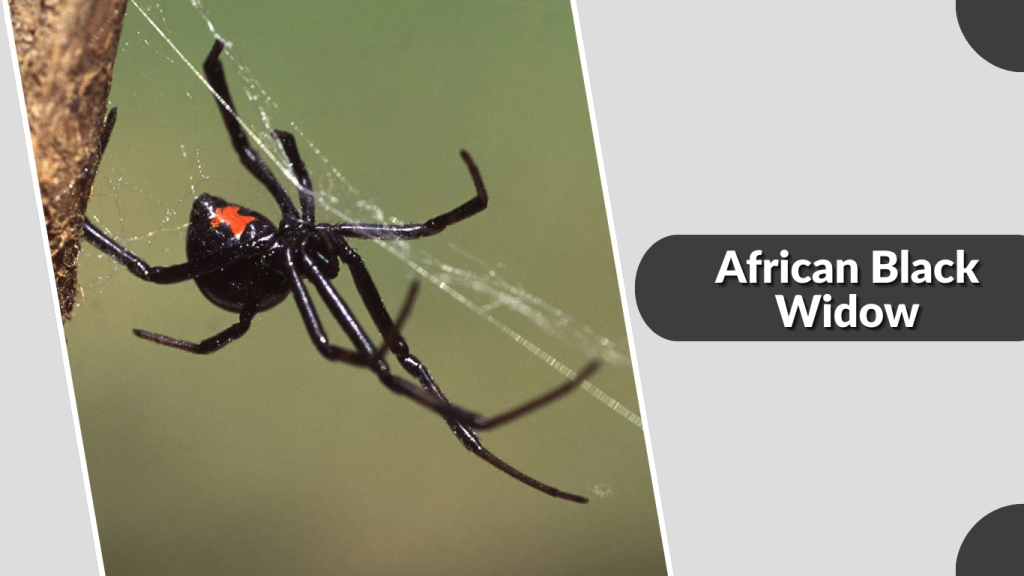
The African Black Widow (Latrodectus indistinctus) is native to southern Africa and is known for its shiny black appearance and potent venom. It is one of the more commonly encountered widow species on the African continent.
Identification
- Smooth, shiny black body with a red or orange hourglass on the underside
- Some individuals may have faint red dorsal spots
- Females around 10–15 mm; males much smaller and lighter
- Builds messy, ground-level cobwebs in sheltered spaces
Habitat
This species thrives in dry, warm environments typical of southern Africa. It is often found under rocks, logs, debris, woodpiles, sheds, and in vegetation. It also lives near human dwellings, especially in quiet, undisturbed areas.
Behaviors
The African Black Widow is shy and defensive rather than aggressive, biting only when pressed or threatened. Females stay near their webs, while males move around when searching for mates. They typically hang upside down in their web to display their warning markings.
Lifecycle & Diet
Its lifecycle includes the stages of egg, spiderling, juvenile, and adult. Females often live for several years, whereas males survive for only a short time after maturity. Their diet mainly consists of beetles, flies, ants, grasshoppers, and small arthropods trapped in their irregular webs.
9. Red-Marked Widow
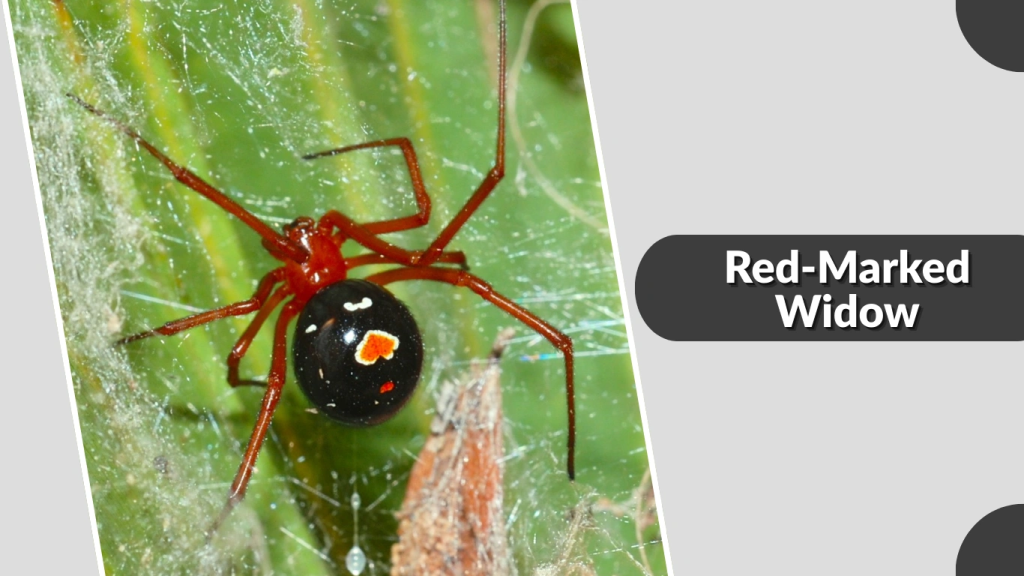
The Red-Marked Widow (Latrodectus renivulvatus) is a widow species native to parts of Africa. It is recognized by its distinctive red markings and is closely related to other African widow species, though encountered less frequently.
Identification
- Shiny black body with distinct red or reddish-orange markings
- Hourglass marking may be present but varies in shape
- Females typically 10–14 mm; males much smaller and brownish
- Irregular, sticky cobweb usually close to the ground
Habitat
The Red-Marked Widow inhabits warm, dry regions and is often found in shrublands, rocky areas, woodpiles, and under debris. It may also live near homes in undisturbed corners, cracks, and sheltered outdoor structures.
Behaviors
This species is reclusive and generally avoids human interaction. Females rarely leave their webs and will defend themselves only if threatened. Males travel to find mates and spend little time in any single location. The spider usually remains hidden during the day.
Lifecycle & Diet
Its lifecycle progresses from egg to spiderling, juvenile, and adult. Females can live multiple years, while males survive for just a few months after maturing. The diet includes insects such as beetles, flies, moths, and other small arthropods caught in its sticky, irregular web.
10. Katipo Spider
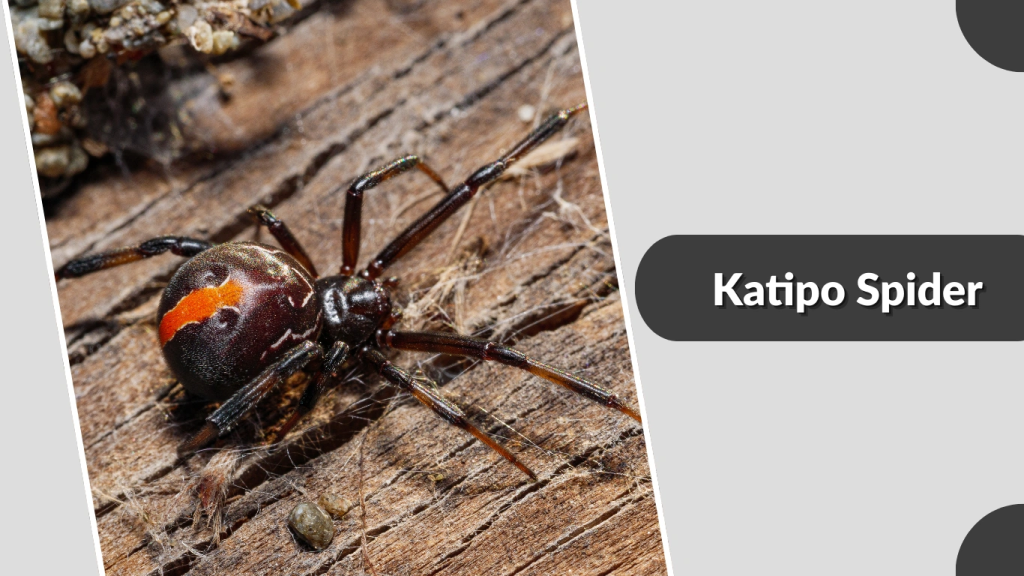
The Katipo Spider (Latrodectus katipo) is a rare widow species native to New Zealand. Known for its striking coloration, it is considered one of the country’s few venomous spiders and is currently threatened due to habitat loss.
Identification
- Black body with a distinct red or orange stripe running along the top of the abdomen
- No traditional hourglass marking on the underside
- Females measure around 8–10 mm; males are smaller and lighter
- Webs are sparse, irregular, and built in low vegetation or sand dunes
Habitat
The Katipo primarily inhabits coastal sand dunes, preferring areas with native grasses and driftwood. It relies on its natural dune ecosystem, making it sensitive to human interference and environmental changes.
Behaviors
This species is shy and avoids confrontation, biting only when trapped or threatened. Females stay hidden within their webs, while males move around during mating season. The Katipo is mostly active at night and remains concealed during daylight hours.
Lifecycle & Diet
The lifecycle includes egg, spiderling, juvenile, and adult stages. Females can live up to a few years, whereas males have shorter lifespans. Their diet consists mainly of small insects such as beetles, ants, and flies, captured using their sticky, irregular webs among dune vegetation.
11. Australian Redback Spider
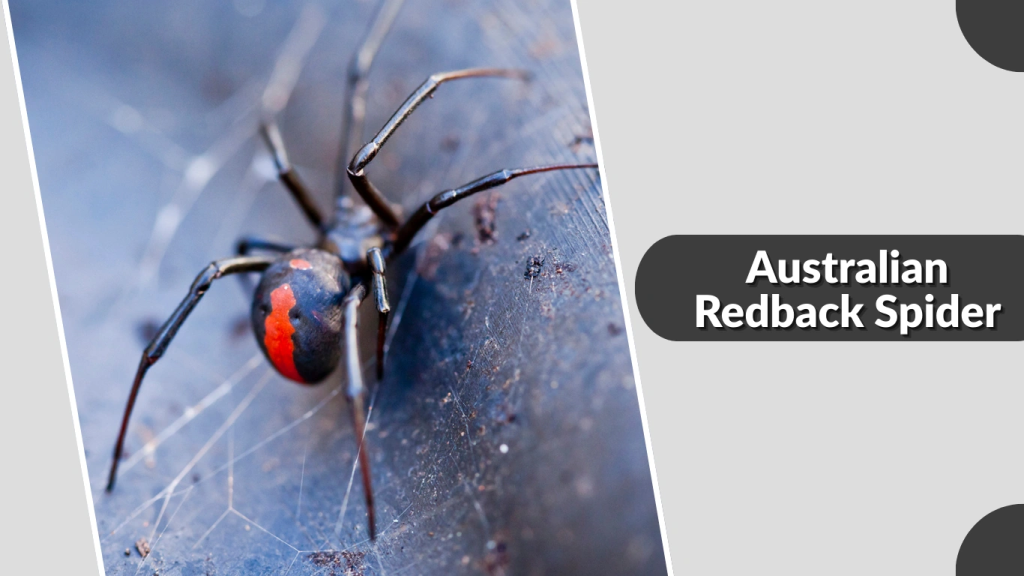
The Australian Redback Spider (Latrodectus hasselti) is one of the most famous widow species, native to Australia but now found in several parts of the world. It is easily recognized by its vivid red dorsal stripe and potent venom.
Identification
- Glossy black body with a bright red stripe on the top of the abdomen
- Underside often shows a red or orange hourglass
- Females around 10–14 mm; males much smaller and pale
- Builds messy, sticky cobwebs close to the ground or in sheltered corners
Habitat
The Redback thrives in warm, dry climates and is commonly found around homes, sheds, mailboxes, garden equipment, rock piles, and outdoor furniture. It adapts extremely well to human environments and often hides in undisturbed crevices.
Behaviors
This species is secretive and avoids confrontation. Females remain within their webs, tending to egg sacs and waiting for prey. Males wander during mating season and may be consumed afterward. Redbacks are mostly nocturnal and stay hidden during the day.
Lifecycle & Diet
The lifecycle includes egg, spiderling, juvenile, and adult stages. Females can live up to two to three years, while males survive only a few months. Their diet includes insects, small lizards, and other arthropods caught in their sticky webs, which they immobilize using powerful venom.
12. Banded-legged Black Widow
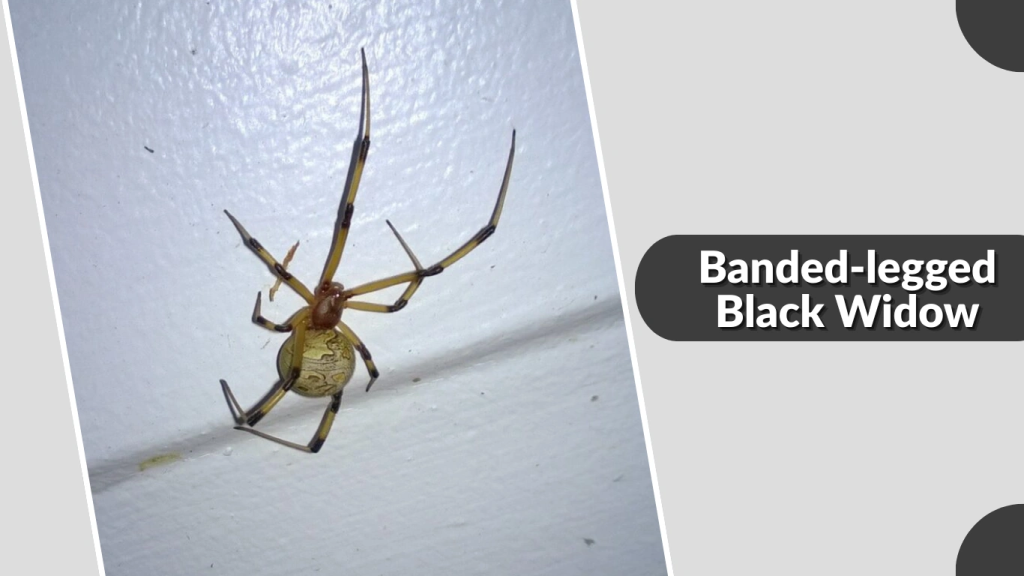
The Banded-legged Black Widow (Latrodectus cinctus) is an African widow species known for the faint banding on its legs and its dark, glossy body. Although venomous, it is generally reclusive and avoids human contact.
Identification
- Shiny black body with subtle light banding on the legs
- Hourglass marking on the underside may be red, orange, or faint
- Females typically 10–13 mm; males smaller and lighter
- Builds tangled, irregular webs near ground level or in sheltered spaces
Habitat
This species inhabits warm regions of Africa, often found in scrublands, under rocks, inside woodpiles, and in undisturbed corners of outdoor structures. It prefers dry, shaded environments where it can build a stable web.
Behaviors
The Banded-legged Black Widow is shy and tends to remain hidden within its web structure. It prefers solitude and rarely becomes aggressive unless directly threatened. Females remain stationary, while males travel during mating periods.
Lifecycle & Diet
Its lifecycle includes egg, spiderling, juvenile, and adult stages. Females may live several years, whereas males have shorter lifespans. The diet consists of insects such as beetles, ants, flies, and other small arthropods trapped in their sticky, disorganized webs.
13. Coral Widow
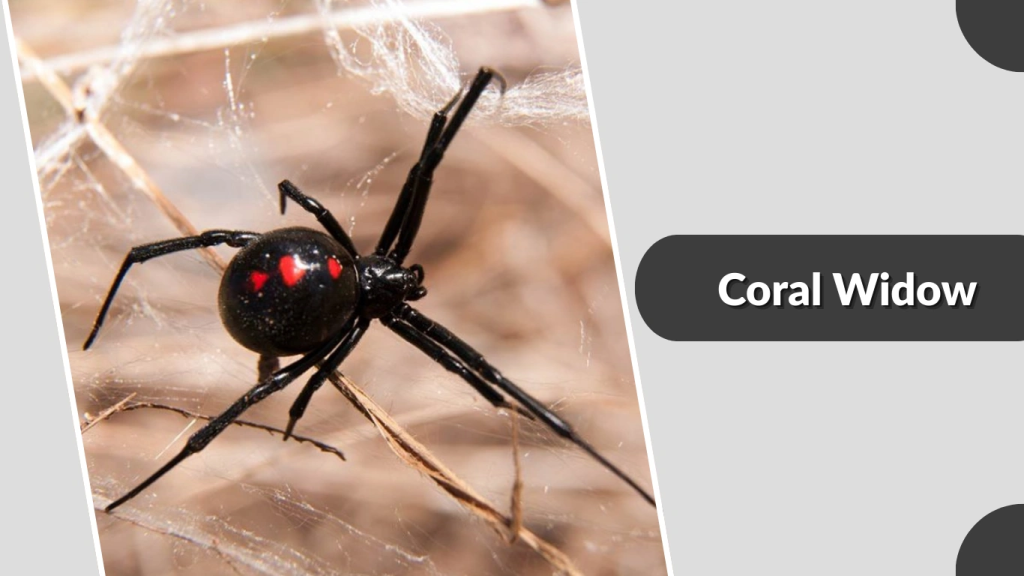
The Coral Widow (Latrodectus corallinus) is a South American widow species, recognized for its striking reddish or coral-colored markings. Though less commonly encountered than some other widows, it is notable for its distinct coloration and potent venom.
Identification
- Glossy black body with coral-red or orange markings on the abdomen
- Hourglass marking may appear faint or differently shaped
- Females around 9–12 mm; males smaller and lighter in color
- Webs are messy, sticky, and built close to the ground
Habitat
The Coral Widow is native to South America and thrives in warm, humid regions. It is often found in forests, grasslands, under logs, inside crevices, and occasionally near human structures in undisturbed areas.
Behaviors
This species is reclusive and typically avoids confrontation. Females stay within their webs, emerging mainly at night to catch prey. Males wander during mating season and remain short-lived after reaching adulthood.
Lifecycle & Diet
Its lifecycle progresses through egg, spiderling, juvenile, and adult stages. Females can live several years, whereas males survive only a few months. The Coral Widow feeds on insects such as flies, beetles, ants, and small arthropods that become trapped in its sticky, irregular webs.
FAQs
What do black widow spiders eat?
Black widow spiders mainly feed on insects such as flies, beetles, ants, mosquitoes, and grasshoppers. They capture prey using their sticky, irregular webs and inject venom to immobilize it before feeding.
Are black widow bites deadly to humans?
Black widow bites can be medically significant but are rarely fatal with proper treatment. Symptoms include pain, muscle cramps, sweating, and nausea. Most healthy adults recover fully with medical care.
Where are black widow spiders commonly found?
Black widows are found worldwide, especially in warm climates. They often hide in dark, sheltered areas such as woodpiles, sheds, garages, basements, debris piles, and vegetation.
How can you identify a black widow spider?
Most black widow species have glossy black bodies and distinctive red markings—often an hourglass shape on the abdomen’s underside. Their webs are messy and irregular, built close to the ground or in dark corners.
Do black widows show aggressive behavior?
No, black widows are generally shy and avoid confrontation. They typically bite only when threatened, pressed, or accidentally touched while hiding in their webs.