
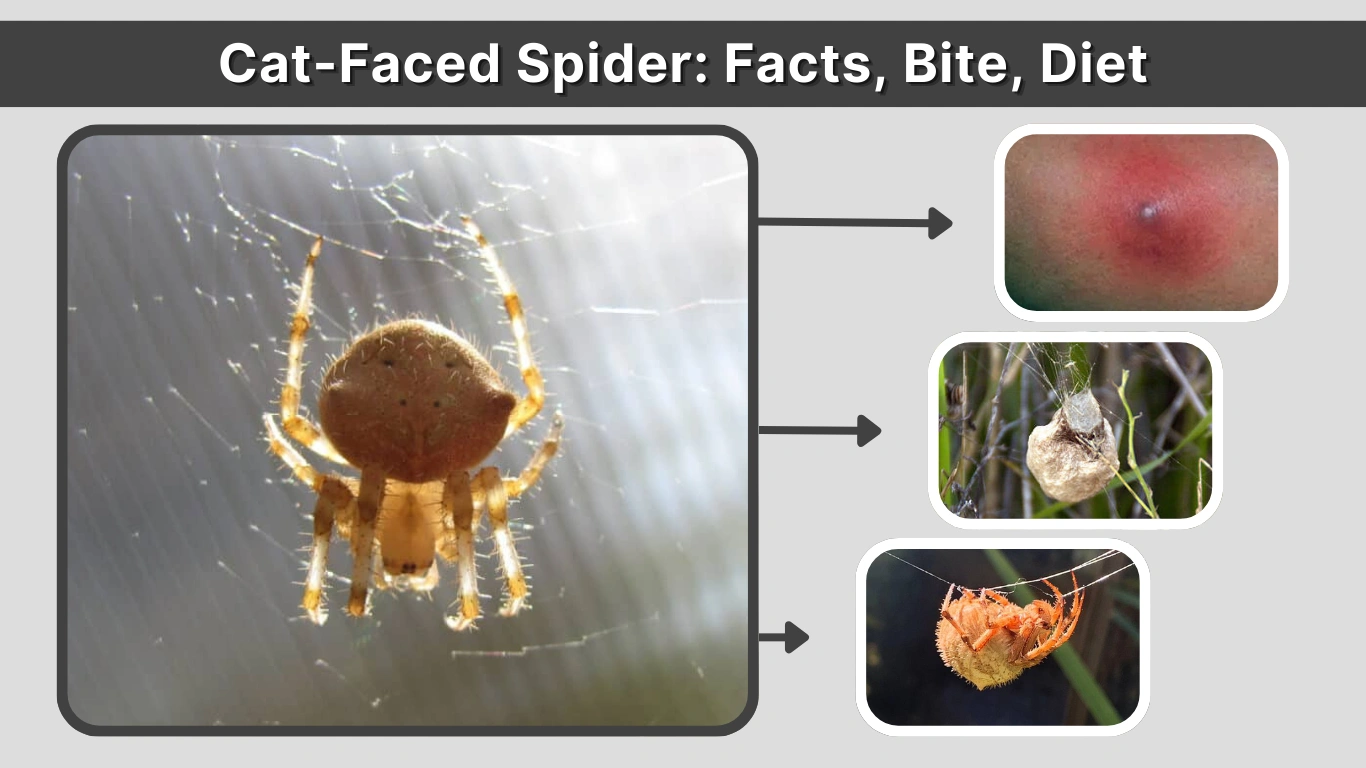
The cat-faced spider (Araneus gemmoides) is one of the most recognizable orb-weaving spiders in North America. Its unusual abdomen features two raised bumps that resemble a cat’s ears, giving it its memorable name. Commonly found in gardens, shrubs, and around homes in late summer and fall, this spider often attracts curiosity—and sometimes concern. In this guide, you’ll learn essential cat-faced spider facts, whether their bite is dangerous, what they eat, and how they fit into your local ecosystem.
What Is a Cat-Faced Spider?
Scientific Classification
The cat-faced spider belongs to the orb-weaver family, Araneidae. Its scientific name is Araneus gemmoides. Orb-weavers are known for spinning large, circular webs that are both strong and sticky. Like many garden spiders, the cat-faced spider plays an important ecological role by controlling insect populations.
Why Is It Called a Cat-Faced Spider?
The name “cat-faced spider” comes from its unique abdomen shape. Adult females have two prominent horn-like bumps on the upper part of their abdomen that resemble cat ears. Combined with subtle markings on the body, the spider can appear to have a “face,” especially when viewed from the front.
This distinctive feature makes it easier to identify compared to other orb-weavers. However, coloration can vary. Some individuals appear bright orange, while others are tan, brown, or even grayish.
Where Are They Found?
Cat-faced spiders are native to North America and are especially common in the western United States and Canada. They prefer:
- Gardens
- Shrubs and bushes
- Porch lights
- Window frames
- Fences and outdoor structures
They are most visible in late summer and early fall, when they reach full maturity and build large, noticeable webs. During the day, they often hide in nearby leaves or sheltered corners, becoming active at night to rebuild and maintain their webs.
Cat-Faced Spider Facts
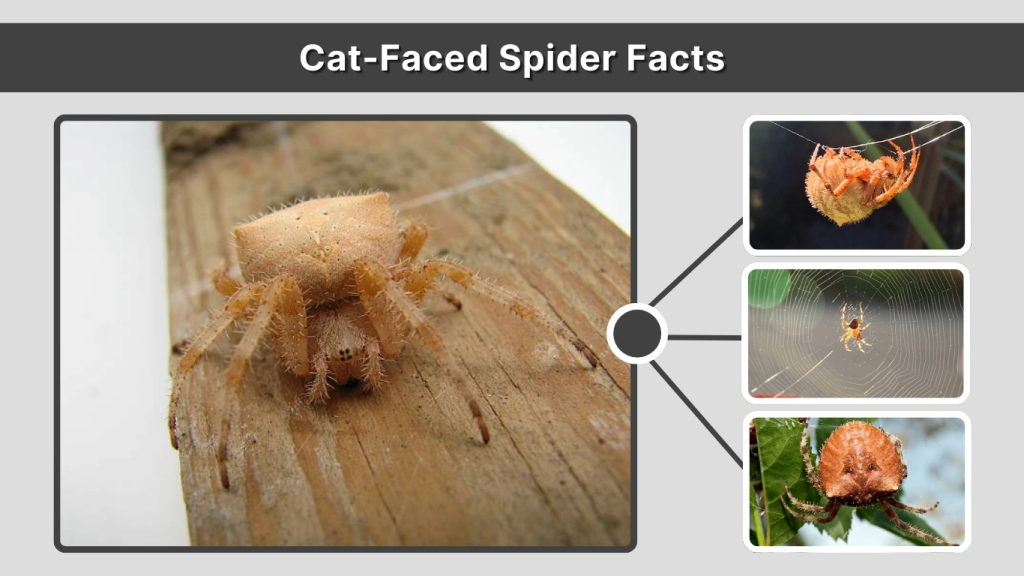
Here are some interesting cat-faced spider facts that make this species unique:
- Females are much larger than males. Females can grow up to 1 inch long when including their legs, while males are significantly smaller.
- They are nocturnal web builders. Most web construction happens at night.
- They rebuild webs frequently. Many orb-weavers consume and reconstruct parts of their web daily.
- They are not aggressive. These spiders prefer to retreat rather than confront threats.
- They are seasonal spiders. Most live for about one year.
- They are beneficial predators. Their diet consists mainly of flying insects that can be garden pests.
Because of their size and bright coloring, they can look intimidating. However, their behavior is generally calm and non-threatening.
Is a Cat-Faced Spider Bite Dangerous?
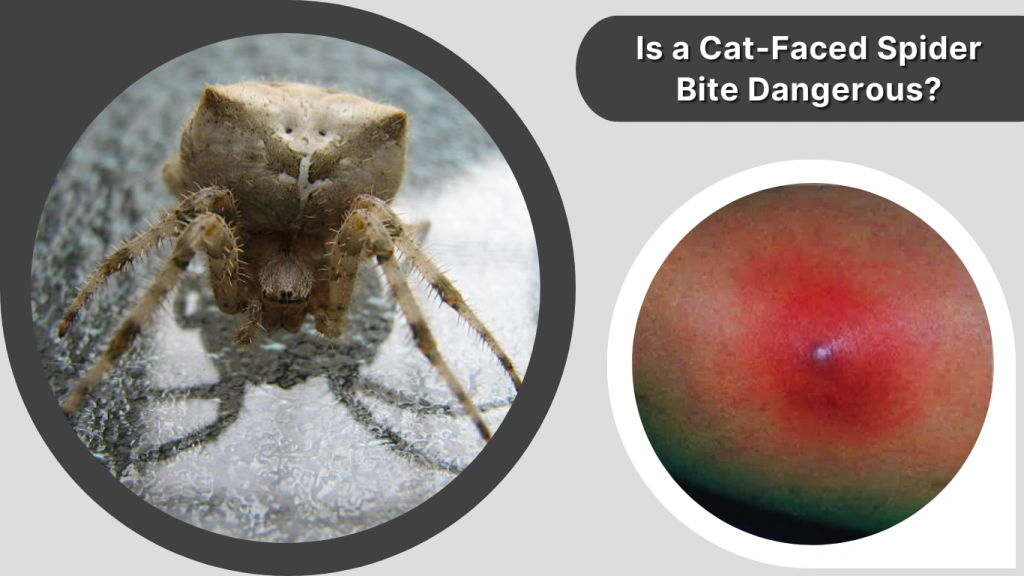
One of the most common concerns people have is whether a cat-faced spider bite is harmful.
Are Cat-Faced Spiders Venomous?
Like nearly all spiders, cat-faced spiders are venomous. However, their venom is designed to immobilize small insects—not harm humans. They are not considered medically significant spiders.
Bites are rare and typically occur only if the spider is accidentally pressed against the skin or handled roughly.
What Does a Cat-Faced Spider Bite Feel Like?
If a bite does occur, symptoms are usually mild. Most people experience:
- Minor redness
- Slight swelling
- Itching or irritation
- Mild discomfort
The sensation is often compared to a bee sting, though usually less painful. Serious reactions are extremely uncommon.
Treatment for a Cat-Faced Spider Bite
Basic first aid is usually enough:
- Wash the area with soap and water.
- Apply a cold compress to reduce swelling.
- Use an over-the-counter antihistamine or hydrocortisone cream if itching occurs.
Seek medical attention only if symptoms worsen or if an allergic reaction develops, which is rare.
Cat-Faced Spider Diet
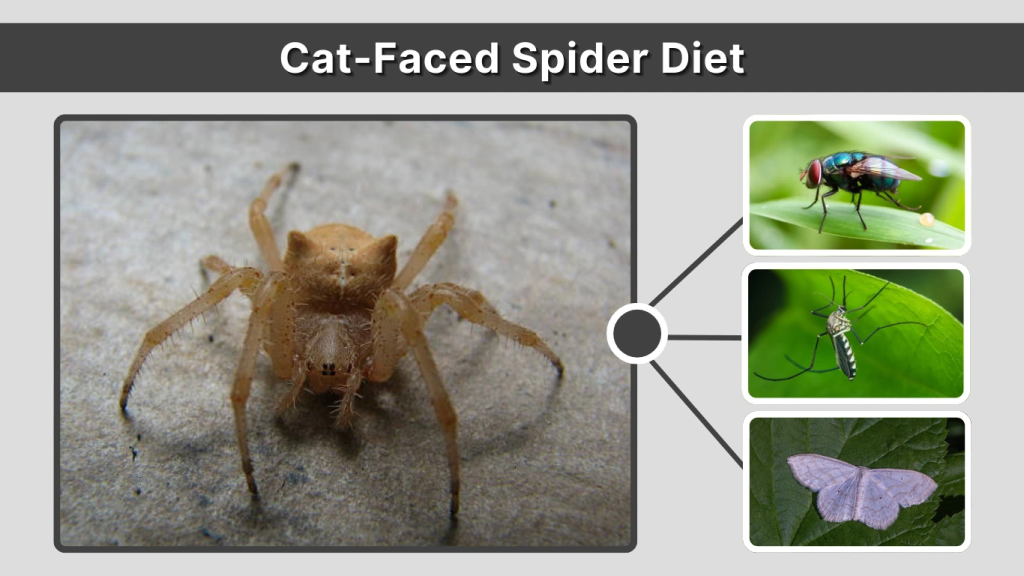
What Do Cat-Faced Spiders Eat?
The cat-faced spider diet primarily consists of flying insects. Common prey includes:
- Flies
- Mosquitoes
- Moths
- Beetles
- Small wasps
They rely heavily on their orb-shaped web to capture food. The sticky silk traps insects mid-flight, and the spider quickly moves in to subdue and wrap its prey.
How They Catch Their Prey
Cat-faced spiders build large circular webs that are both flexible and strong. When an insect hits the web, vibrations alert the spider. It then rushes toward the trapped prey, injects venom to immobilize it, and wraps it tightly in silk before feeding.
This hunting method makes them highly effective natural pest controllers.
How Long Do Cat-Faced Spiders Live?
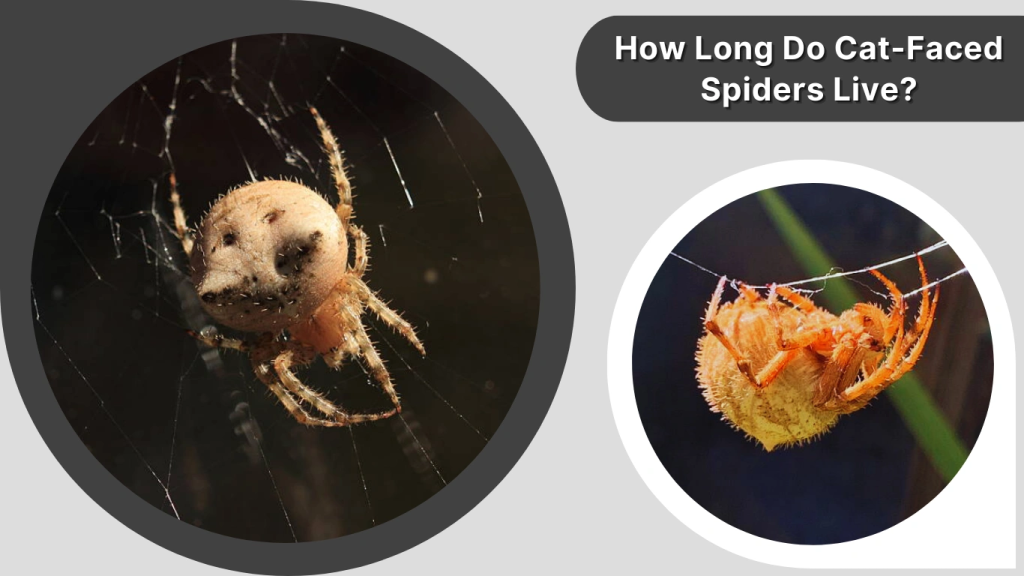
If you’ve noticed a large orb-weaver in your yard during late summer, you might wonder how long cat-faced spiders live.
The typical lifespan of a cat-faced spider is about one year. Like many orb-weavers, they follow a seasonal life cycle closely tied to temperature and weather conditions.
Most cat-faced spiders:
- Hatch in the spring
- Grow throughout the summer
- Reach maturity in late summer or early fall
- Lay eggs before dying after the first frost
Because they are seasonal, you’ll usually only see adult cat-faced spiders during the warmer months.
Differences Between Male and Female Lifespan
Female cat-faced spiders generally live slightly longer than males. Males mature earlier and spend much of their short adult lives searching for a mate. After mating, males often die relatively quickly.
Females, on the other hand, focus on building webs, feeding, and eventually producing egg sacs before colder temperatures arrive. Once they have laid their eggs, their life cycle comes to an end.
Cat-Faced Spider Egg Sac
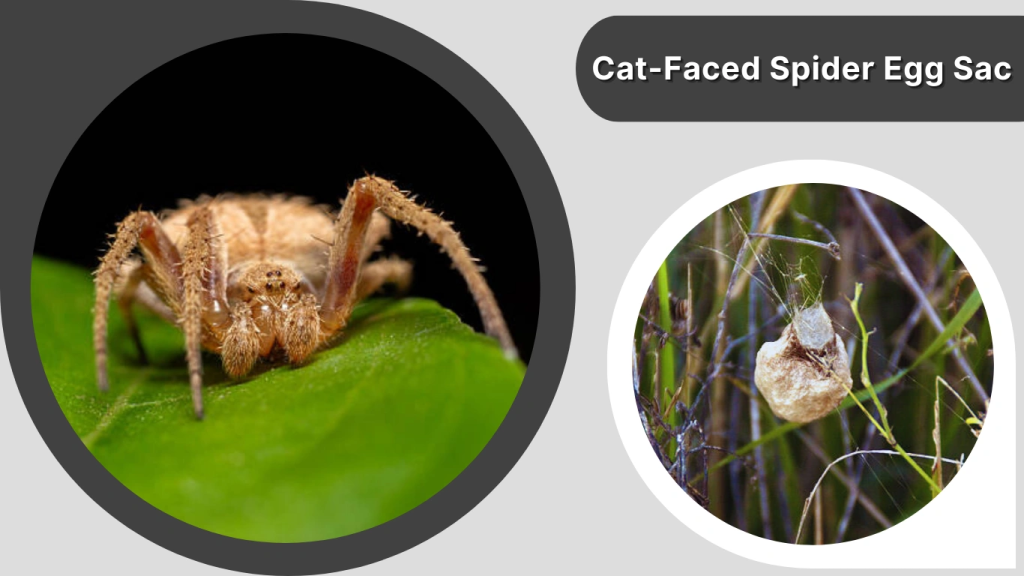
One of the most fascinating stages of the cat-faced spider’s life cycle involves its egg sac.
What Does the Egg Sac Look Like?
A cat-faced spider egg sac is typically:
- Round or slightly oval
- Tan or light brown in color
- Made of thick, papery silk
- About the size of a small marble
The silk casing protects the eggs from cold temperatures and predators during winter.
Where Do They Lay Egg Sacs?
Female cat-faced spiders carefully choose protected areas to place their egg sacs. Common locations include:
- Under leaves
- In tree bark crevices
- On fences
- Beneath eaves
- In sheltered corners of buildings
They often secure the sac close to where they built their web.
How Many Eggs Are Inside?
Each egg sac can contain several hundred eggs. The spiderlings remain inside the sac throughout winter, protected from harsh weather. When spring arrives and temperatures rise, the young spiders hatch and disperse to begin their own life cycle.
How to Identify a Cat-Faced Spider
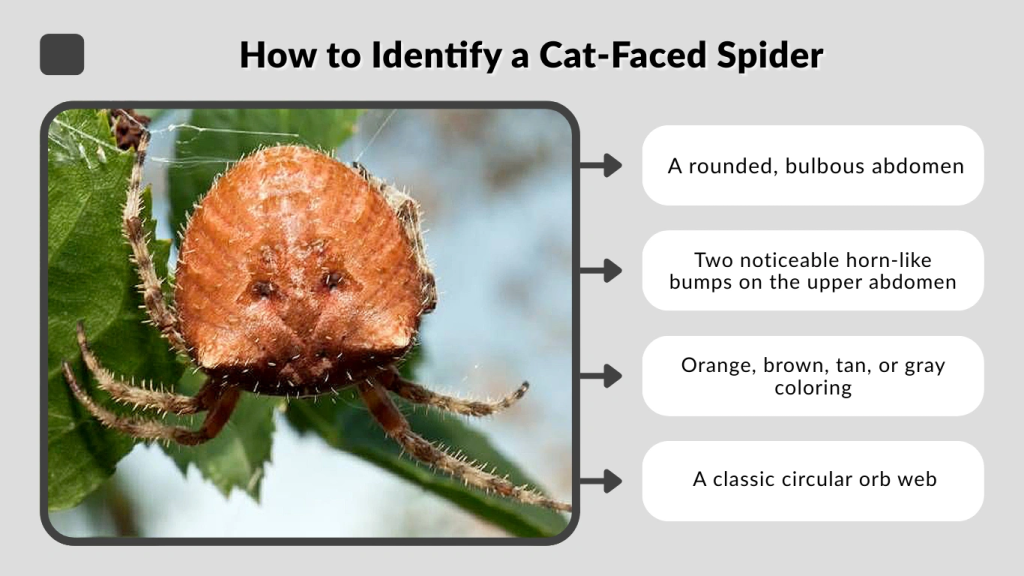
Correct identification is important, especially since many orb-weavers look similar.
Here are key features to look for:
- A rounded, bulbous abdomen
- Two noticeable horn-like bumps on the upper abdomen
- Orange, brown, tan, or gray coloring
- A classic circular orb web
- Larger female size compared to males
Females are easier to identify due to their prominent “cat ear” bumps. Males are smaller and less distinct but still share similar body patterns.
They are most often seen sitting in the center of their web at night. During the day, they usually hide nearby in a curled position.
Are Cat-Faced Spiders Good to Have Around?
Despite their somewhat intimidating appearance, cat-faced spiders are generally beneficial.
They provide natural pest control by reducing populations of:
- Mosquitoes
- Flies
- Moths
- Agricultural pests
They are non-aggressive and rarely bite humans. In most cases, they prefer to flee or drop from their web if disturbed.
For gardeners and homeowners, this makes them helpful allies rather than harmful intruders. If their web is in an inconvenient location, gently relocating the spider with a container is usually safer and more humane than killing it.
FAQs
Are cat-faced spiders poisonous to humans?
Cat-faced spiders are venomous, but their venom is mild and not dangerous to humans. They use venom to immobilize insects caught in their webs. Bites are rare and typically cause only minor redness, swelling, or irritation.
How painful is a cat-faced spider bite?
A cat-faced spider bite is usually mild and may feel similar to a small bee sting. Most people experience slight redness or itching that fades within a few hours or days. Severe reactions are extremely uncommon.
When do cat-faced spiders lay eggs?
Cat-faced spiders typically lay their eggs in early fall before temperatures drop. The egg sacs overwinter in protected locations, and spiderlings hatch in the spring when conditions become warmer.
Do cat-faced spiders come inside houses?
They prefer outdoor environments like gardens and shrubs. However, they may build webs near porch lights or windows where insects gather. Indoor sightings are uncommon and usually accidental.
How can I safely remove a cat-faced spider?
To remove one safely, gently place a container over the spider, slide a piece of cardboard underneath, and relocate it outdoors away from entryways. Avoid direct handling to reduce the chance of a defensive bite.
Conclusion
The cat-faced spider may look unusual, but it is a harmless and beneficial orb-weaver that plays an important role in controlling insect populations. With its distinctive horn-like bumps, seasonal life cycle, mild bite, and impressive web-building skills, this spider is more helpful than harmful. Understanding its diet, lifespan, and egg sac habits can ease concerns and encourage appreciation for this unique garden resident.