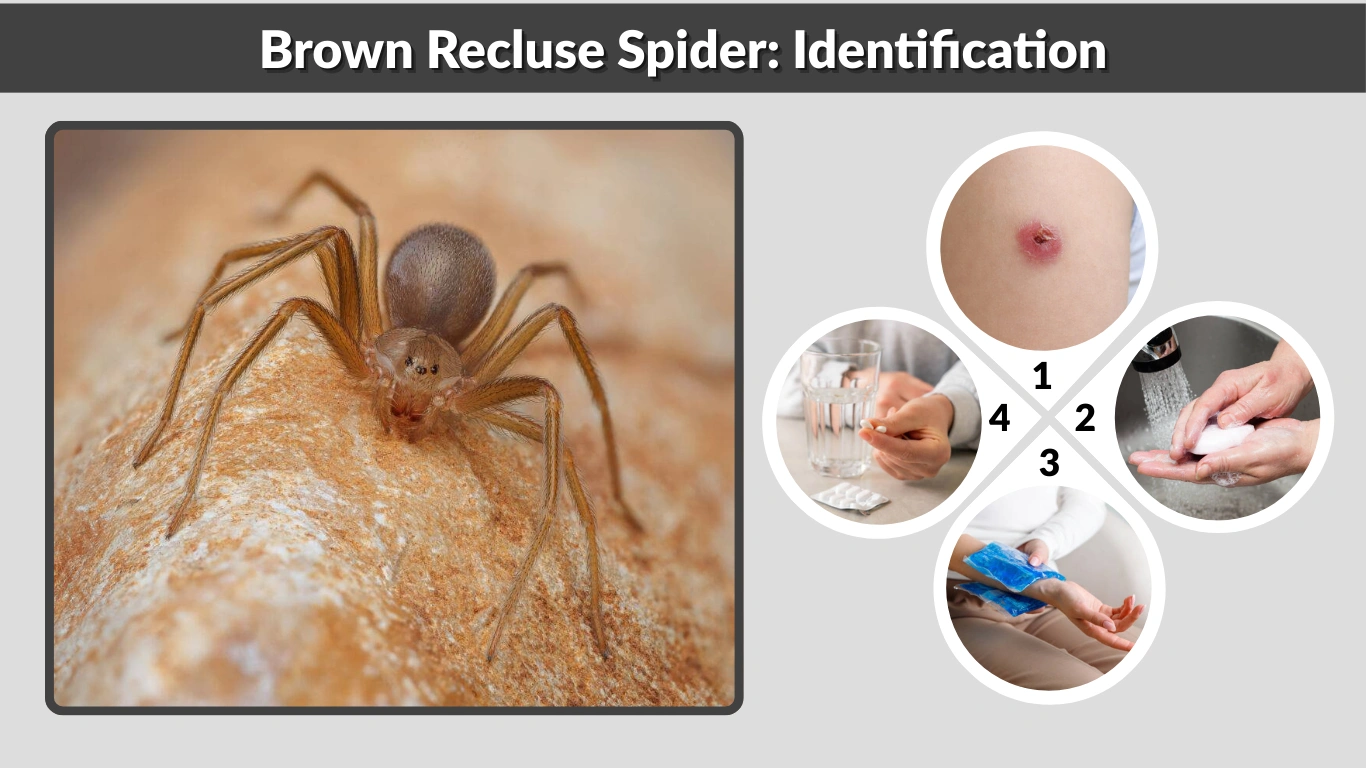
The brown recluse spider is one of the most feared spiders in North America, largely because of its venomous bite and the myths surrounding it. Although encounters are relatively rare, bites from a brown recluse spider can cause noticeable skin reactions and, in some cases, serious complications. Many people also confuse this spider with harmless species like the wolf spider, leading to unnecessary panic. Understanding how to identify a brown recluse spider, recognize the early signs of a bite, and know what symptoms to watch for can help you respond calmly and appropriately. This guide covers identification, bite appearance, symptoms, and key facts to separate myths from reality.
What Is a Brown Recluse Spider?
The brown recluse spider (Loxosceles reclusa) is a venomous spider native to parts of the United States. It gets its name from its shy, reclusive behavior, preferring dark, undisturbed places rather than open areas where humans are active. Unlike aggressive spiders, the brown recluse typically bites only when it feels trapped or threatened, such as when pressed against skin inside clothing or bedding.
Despite its dangerous reputation, the brown recluse spider is not naturally hostile. Most bites occur accidentally, and many spiders labeled as “brown recluses” are actually other harmless brown spiders. Proper identification is essential before assuming a spider or bite is truly from a brown recluse.
How to Identify a Brown Recluse Spider
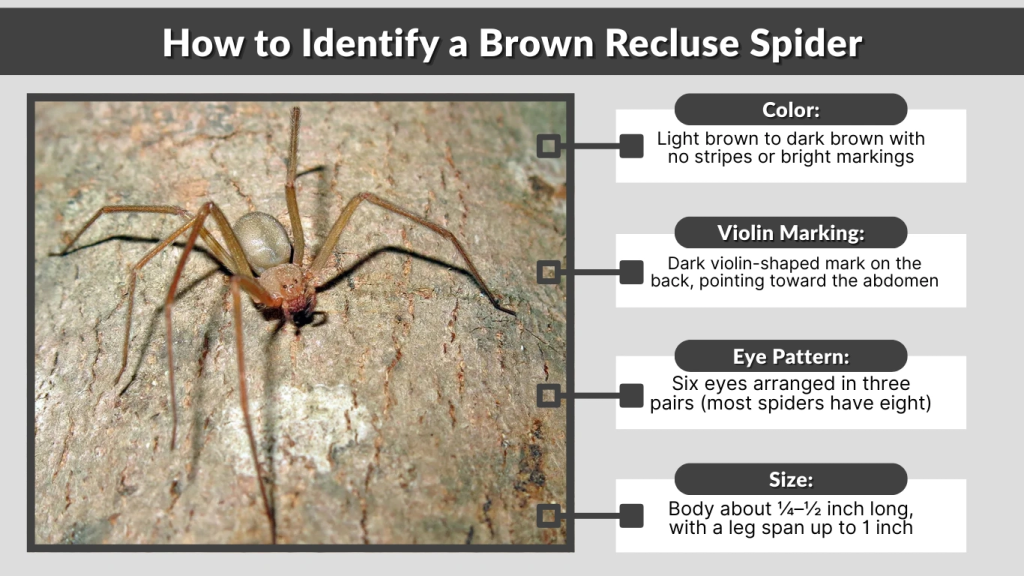
- Color: Light brown to dark brown with no stripes or bright markings
- Violin Marking: Dark violin-shaped mark on the back, pointing toward the abdomen
- Eye Pattern: Six eyes arranged in three pairs (most spiders have eight)
- Size: Body about ¼–½ inch long, with a leg span up to 1 inch
- Legs: Long, thin, and smooth without heavy hair or banding
- Behavior: Shy and reclusive, avoids light and open areas
- Location: Found in dark, dry places like closets, basements, attics, and storage boxes
Brown Recluse Spider vs Wolf Spider
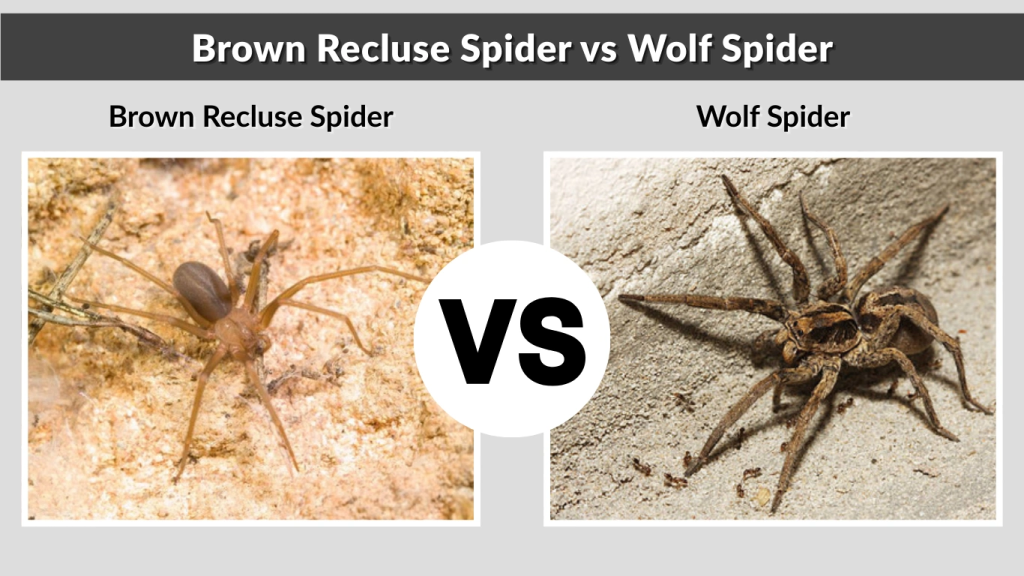
Key Differences Between Brown Recluse and Wolf Spider
The brown recluse spider and the wolf spider are often confused because both are brown and commonly found indoors. However, wolf spiders are generally larger, hairier, and more robust in appearance. Wolf spiders also have eight eyes arranged in three rows, unlike the six-eyed brown recluse.
Behavior is another major difference. Wolf spiders are fast-moving hunters and may be seen running across floors, while brown recluse spiders move slowly and avoid open spaces.
Which Spider Is More Dangerous?
Between the two, the brown recluse spider is considered more dangerous due to its venom, which can cause tissue damage in some bites. Wolf spider bites are usually harmless and result in mild irritation similar to a bee sting. Misidentifying a wolf spider as a brown recluse is common and often leads to unnecessary concern.
Brown Recluse Spider Bite Overview
Brown recluse spider bites are uncommon, even in areas where the spiders are present. Most bites occur when the spider is accidentally trapped against the skin, such as when putting on clothes, shoes, or rolling over in bed. In many cases, the bite may not be felt immediately, which is why people often do not realize they were bitten until symptoms appear hours later.
Not every brown recluse spider bite results in severe symptoms. Many bites remain mild and heal without medical treatment. However, understanding how a bite may develop is important for early detection and proper care.
What Does a Brown Recluse Spider Bite Look Like?
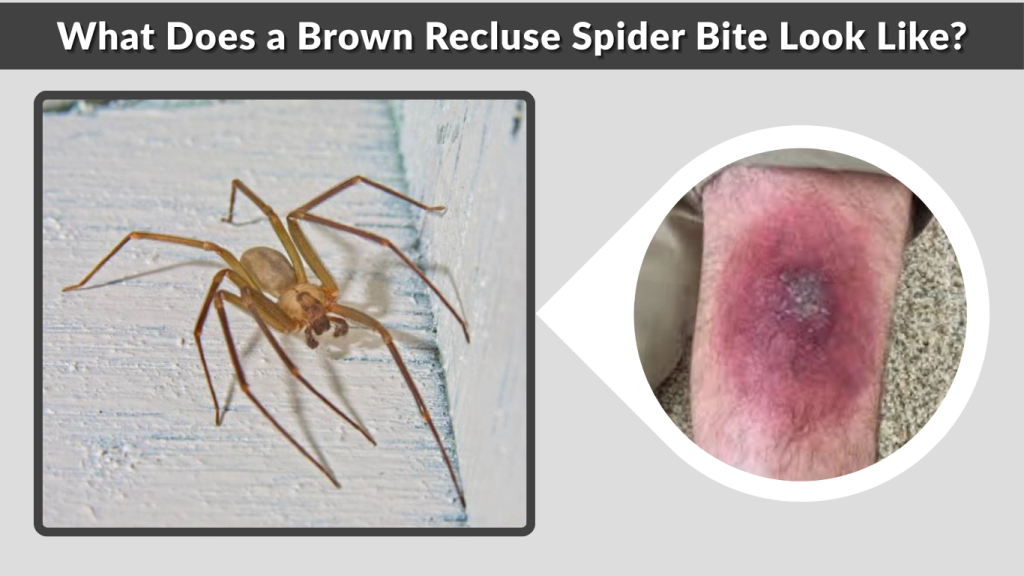
Beginning of a Brown Recluse Spider Bite
In the early stages, a brown recluse spider bite may look like a small red mark or slightly raised bump. Some people feel a mild stinging or burning sensation, while others feel nothing at all. Within a few hours, redness and swelling may increase, and the center of the bite can become pale or bluish. These early signs are often mistaken for insect bites or minor skin irritation.
Brown Recluse Spider Bite Stages
As a brown recluse spider bite progresses, it often develops in noticeable stages, though not every bite follows the same pattern. Within 24 hours, the bite area may become more painful, and a blister can form at the center. This blister may rupture, leaving an open sore. In moderate to severe cases, the surrounding skin can turn dark blue or purple due to reduced blood flow.
Over the next few days, some bites develop necrotic tissue, meaning the skin begins to die. This can result in an ulcer that slowly heals over several weeks. In milder cases, the bite stabilizes and improves without significant skin damage. Because these stages can resemble other skin conditions, medical evaluation is often needed for accurate diagnosis.
Brown Recluse Spider Bite Symptoms
Mild Symptoms
Many brown recluse spider bites cause only mild symptoms. These may include redness, swelling, itching, and a burning or tingling sensation around the bite area. Some people also experience localized pain that gradually increases during the first day. In these cases, symptoms often improve within a few days without long-term effects.
Severe Symptoms
In more serious cases, brown recluse spider bite symptoms can extend beyond the skin. Severe reactions may include intense pain, fever, chills, nausea, muscle aches, and fatigue. The bite site itself may show signs of tissue damage, such as darkened skin or a deep ulcer. Although rare, systemic reactions are more likely in children, older adults, or individuals with weakened immune systems.
Brown Recluse Spider Bite Pictures
Brown recluse spider bite pictures often show red, swollen skin with a dark or blistered center. As the bite progresses, images may reveal ulceration or tissue breakdown. However, pictures alone are not reliable for diagnosis, as many skin infections and insect bites can look similar. A healthcare professional should evaluate any bite that worsens or does not heal properly.
Brown Recluse Spider Bite Treatment
Immediate First Aid
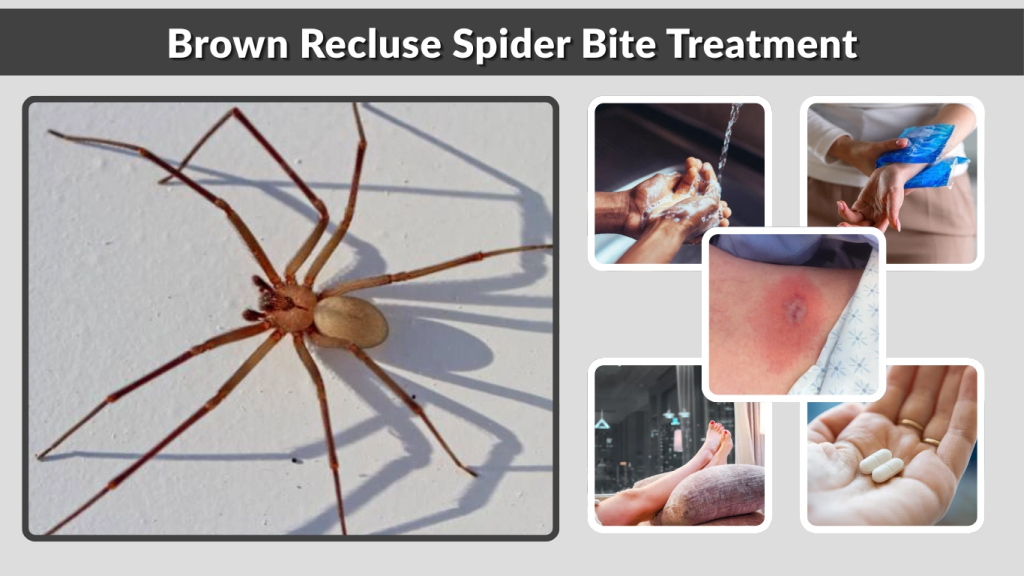
If you suspect a brown recluse spider bite, clean the area gently with soap and water as soon as possible. Applying a cold compress can help reduce swelling and slow the spread of venom. Keeping the affected area elevated may also minimize inflammation. Avoid scratching the bite, as this can increase the risk of infection.
Medical Treatment Options
Medical treatment depends on the severity of the bite. Mild cases may only require pain relief and basic wound care. If signs of infection develop, a doctor may prescribe antibiotics. In cases involving tissue damage, ongoing wound management and follow-up visits may be necessary. Severe reactions may require hospitalization, though this is uncommon.
What Not to Do
Do not attempt to cut, suck, or drain the bite. These methods are ineffective and can worsen tissue damage. Home remedies and unproven treatments should also be avoided. Early medical guidance is the safest approach if symptoms escalate.
Are Bites from Brown Recluse Spiders Dangerous?
Most bites from brown recluse spiders are not life-threatening, and many heal without complications. Serious outcomes are rare but can occur, particularly if the bite becomes infected or leads to extensive tissue damage. Prompt care and monitoring greatly reduce the risk of long-term effects. If symptoms worsen rapidly or systemic signs appear, medical attention should be sought immediately.
How to Prevent Brown Recluse Spider Bites
Preventing brown recluse spider bites starts with reducing their hiding places. Seal cracks and gaps in walls, and keep storage areas organized and clutter-free. Shake out clothing, shoes, and bedding before use, especially if stored for long periods. Wearing gloves when handling boxes or firewood can also reduce the risk of accidental bites.
FAQs
Are brown recluse spider bites deadly?
Fatalities from brown recluse spider bites are extremely rare. Most people recover fully with proper care.
How long does a brown recluse spider bite take to heal?
Healing time varies. Mild bites may heal within one to two weeks, while severe bites can take several weeks or longer.
Can a wolf spider bite look like a brown recluse bite?
Wolf spider bites usually cause mild redness and pain but do not lead to tissue damage, making them less severe than brown recluse bites.
Conclusion
The brown recluse spider is often misunderstood, but knowing how to identify it and recognize the signs of a bite can make a significant difference. While most bites are mild, some can develop into more serious skin reactions if left untreated. Understanding bite stages, symptoms, and proper treatment helps reduce fear and promotes timely care. By taking preventive measures and seeking medical advice when necessary, you can manage potential encounters safely and confidently.