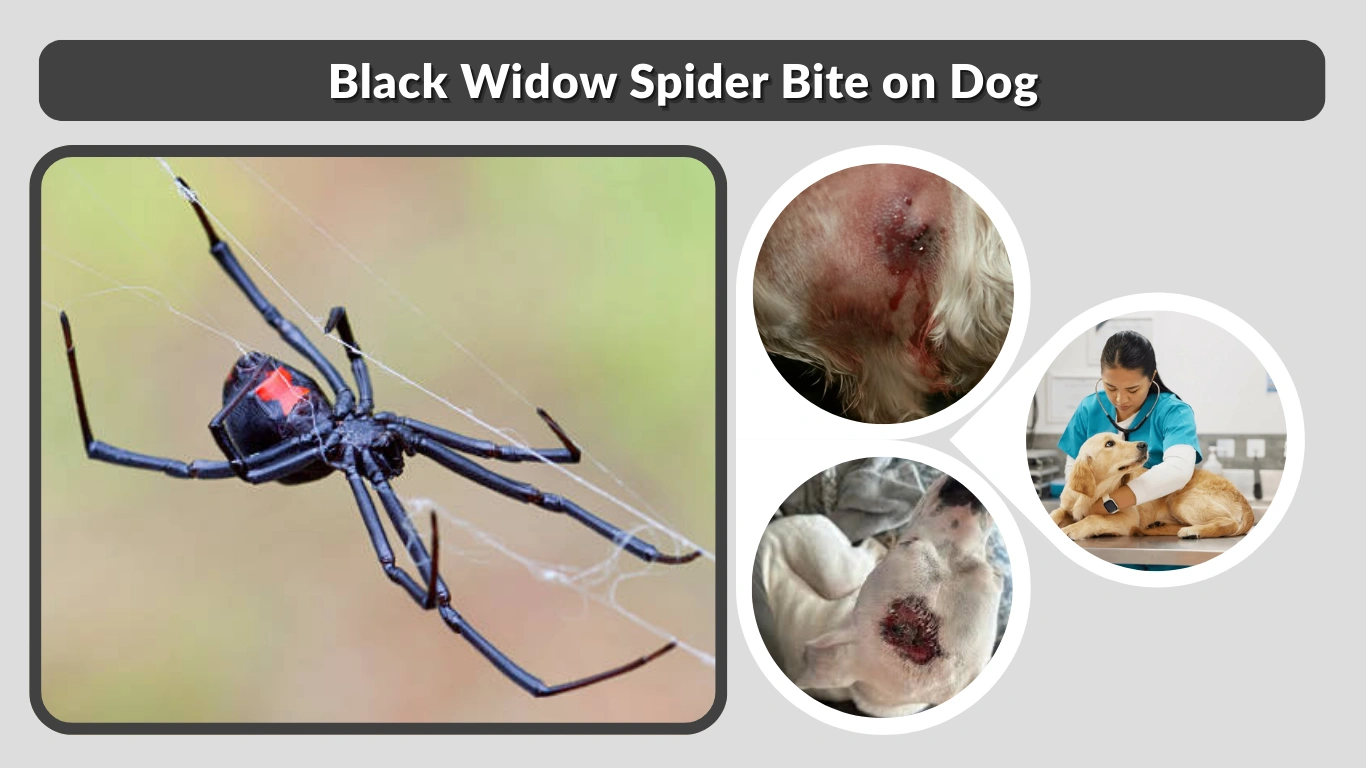
A black widow spider bite on a dog is a serious medical emergency that requires fast recognition and immediate veterinary care. While black widow encounters are relatively uncommon, their venom is among the most potent of any spider in North America. Dogs, especially small breeds and puppies, are more vulnerable to the effects of the neurotoxic venom. Understanding symptoms, treatment steps, and prevention can make a lifesaving difference for pet owners.
Identification
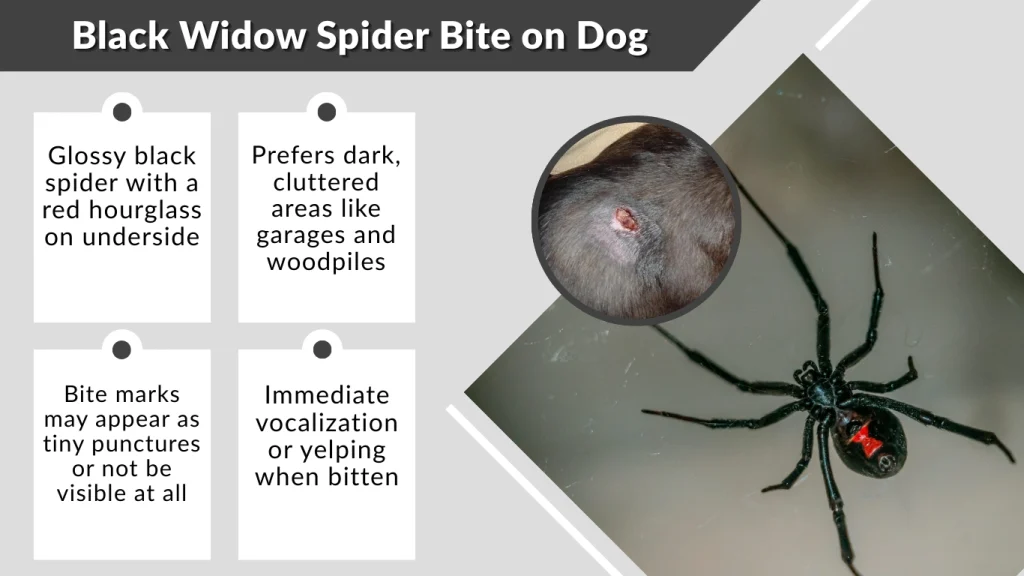
Pet owners often do not witness the bite, but understanding the spider and early signs can help:
- Glossy black spider with a red hourglass on underside
- Prefers dark, cluttered areas like garages and woodpiles
- Bite marks may appear as tiny punctures or not be visible at all
- Immediate vocalization or yelping when bitten
- Rapid onset of pain, shaking, or stiffness in affected limb
- Sudden behavioral changes such as hiding or agitation
These clues can help narrow down the possibility of a black widow bite even without seeing the spider.
What Is a Black Widow Spider?
Black widow spiders belong to the genus Latrodectus, known for their shiny black bodies and distinct red hourglass marking. They are typically found in low, sheltered areas such as sheds, outdoor dog houses, and beneath debris. Black widows prefer to stay hidden and will only bite when they feel threatened.
Their venom is highly neurotoxic, meaning it affects nerve transmission throughout the body. While the spiders are small and passive, their venom can cause rapid and intense symptoms in dogs. Understanding where black widows live and how they behave is essential for identifying risk areas around your home.
What Happens When a Dog Is Bitten?
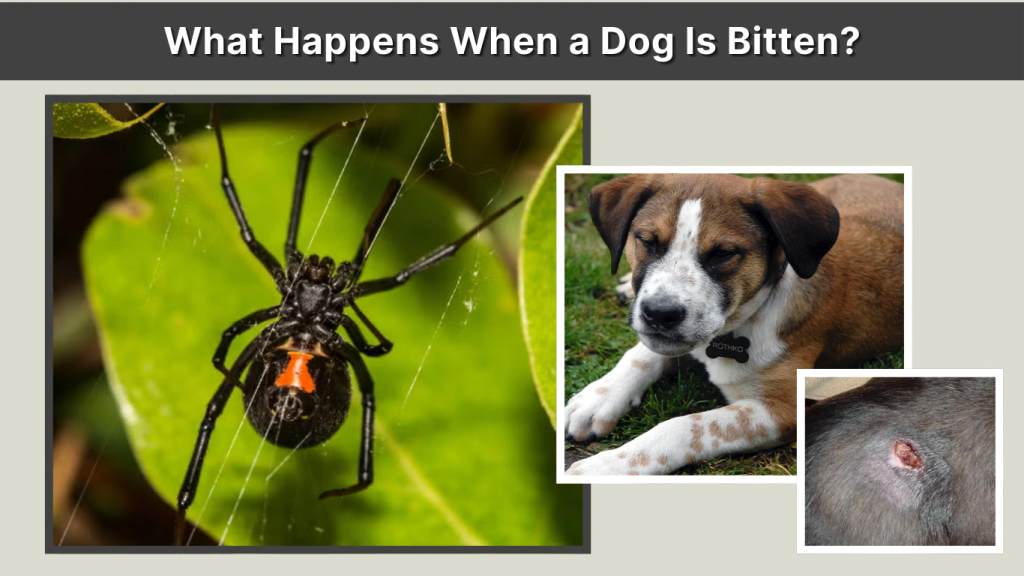
Once a dog is bitten, venom begins spreading quickly through the bloodstream, binding to nerve receptors and disrupting normal muscle and organ function. Dogs often react immediately with yelping or sudden pain, but symptoms can escalate dramatically within minutes to hours.
The neurotoxins trigger painful muscle contractions, restlessness, and hypersensitivity to touch. In small dogs, this progression can be even faster due to their size and lower body volume. Because the venom interferes with both voluntary and involuntary muscles, respiratory distress can develop if treatment is delayed.
The dog’s nervous system becomes overstimulated, leading to tremors, stiffness, or collapse. Without intervention, complications may affect the heart, lungs, and gastrointestinal system. Early veterinary care dramatically improves outcomes.
Symptoms of a Black Widow Bite in Dogs
Early symptoms may include localized pain at the bite site, stiffness, or sudden crying. Dogs may begin drooling excessively, pacing, or seeking unusual hiding spots. As venom circulates, muscles can tighten, causing a rigid abdomen that feels hard to the touch.
Progressive symptoms often include tremors, difficulty walking, facial swelling, or high-pitched vocalizations caused by increasing discomfort. Some dogs may vomit, experience rapid breathing, or show heightened anxiety. These signs typically worsen over the first several hours.
In severe cases, dogs may develop paralysis, respiratory distress, elevated heart rate, or seizures. Collapse can occur if the dog’s muscles become too rigid to function normally. These advanced symptoms require immediate emergency care. Even with treatment, symptoms can continue for 24–72 hours before improving.
When to Seek Emergency Vet Care
Dog owners should treat all suspected black widow bites as urgent. If your dog suddenly shows severe pain, stiffness, tremors, or unexplained drooling, immediate evaluation is critical. A veterinarian can provide antivenom or aggressive supportive therapy to counteract venom spread.
Critical red-flag symptoms include difficulty breathing, rigid muscles, extreme agitation, vomiting, or collapse. These signs indicate systemic envenomation and should never be monitored at home. Providing the vet with details—such as possible spider exposure or locations where the dog was exploring—helps accelerate diagnosis.
Diagnosis
Veterinarians diagnose black widow bites based on clinical symptoms, history, and response to treatment. Because bite marks are tiny and hard to locate under fur, diagnosis rarely relies on visual confirmation. Instead, vets observe neurological signs, muscle tension patterns, and changes in the dog’s vital signs.
In some cases, vets may perform bloodwork or imaging to rule out other emergencies like snake bites, poisoning, or trauma. Rapid symptom progression combined with exposure risk usually points toward a venomous spider bite. Early diagnosis improves the chances of faster, more effective treatment.
Treatment Options
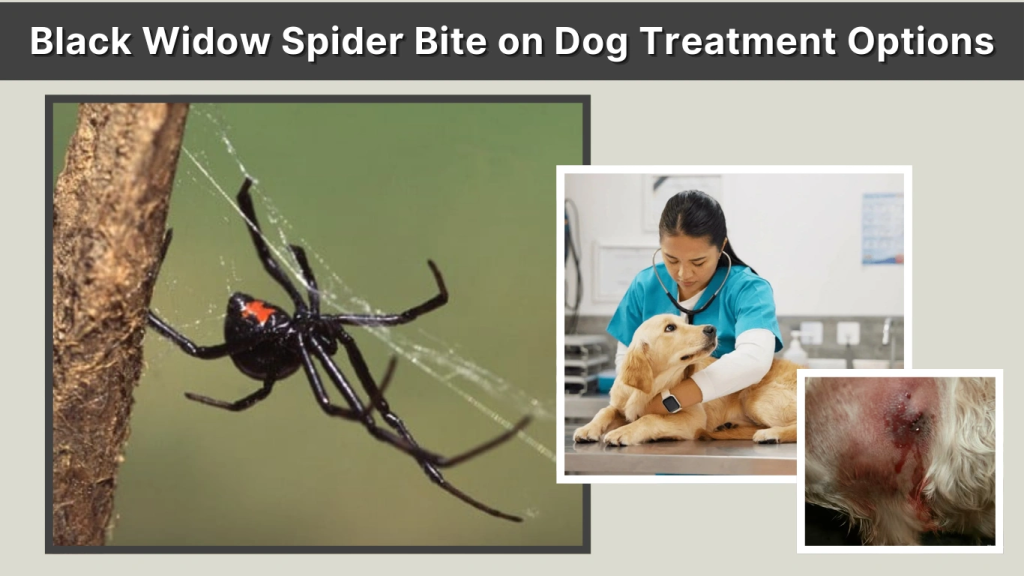
Treatment for a black widow spider bite in dogs depends on symptom severity. In moderate to severe cases, veterinarians may administer antivenom, which directly counteracts the neurotoxic effects. Antivenom works quickly but is usually reserved for dogs showing intense pain, tremors, or respiratory distress due to availability and cost.
Pain management is a major component of treatment. Vets often use opioid analgesics or strong pain-relieving medications to control the intense muscle cramps triggered by the venom. Muscle relaxants may also be given to calm spasms and improve mobility.
IV fluids help stabilize the dog’s heart rate, support circulation, and flush toxins through the system. In the most critical cases, hospitalization is required for continuous monitoring. With prompt and appropriate care, many dogs show improvement within 24–48 hours, though full recovery may take several days.
Home Care After Treatment
Once your dog is discharged from veterinary care, quiet rest is essential. Dogs recovering from black widow bites should avoid physical activity, jumping, or playing until the vet confirms the muscles have fully relaxed. This helps prevent spasms from returning.
Owners may be given medications to continue at home—typically muscle relaxants, pain relievers, or anti-anxiety drugs to reduce agitation. Monitoring your dog for any returning tremors, stiffness, or changes in breathing is important during the first 72 hours post-treatment.
Provide a calm, dimly lit resting area with minimal noise or stimulation. Some dogs may remain sensitive to touch or sound for several days due to the neurological effects of the venom. Consistency and gentle handling support quicker recovery.
Complications
Untreated black widow spider bites can lead to severe complications, particularly in small or elderly dogs. Possible outcomes include respiratory failure caused by paralysis of the chest muscles, dangerously high blood pressure, cardiac irregularities, or prolonged muscle rigidity.
In rare cases, organ systems may become stressed due to the venom’s widespread effects on the nervous system. Secondary complications such as dehydration, shock, or seizures can develop if care is delayed. Prompt veterinary treatment significantly lowers the risk of fatal outcomes.
Prevention Tips
Preventing a black widow spider bite begins with understanding where these spiders thrive. Keep garages, sheds, and storage areas free of clutter and sweep corners regularly. Dogs should avoid rummaging through firewood, debris piles, or dense outdoor materials where widows hide.
Additional prevention tips include:
- Seal gaps in dog kennels, outdoor crates, and fencing
- Shake out blankets, bedding, or dog toys kept outside
- Use pet-safe insect control products when recommended
- Keep grassy or brushy areas trimmed to reduce spider habitat
Awareness and routine inspection can dramatically reduce the likelihood of encounters.
Black Widow Bite vs. Brown Recluse Bite on Dogs
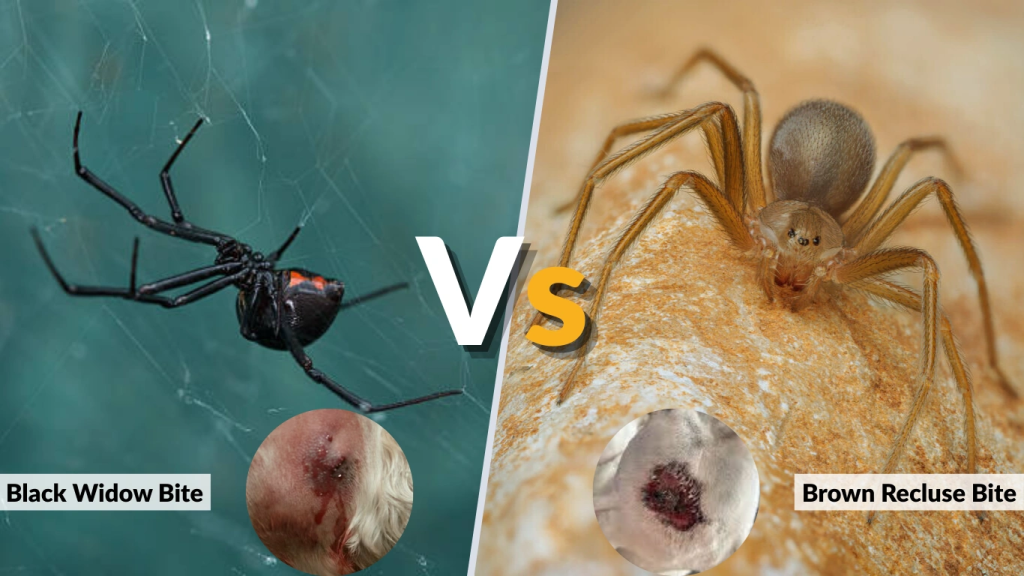
| Feature | Black Widow Bite | Brown Recluse Bite |
| Venom Type | Neurotoxic (affects nerves & muscles) | Necrotic (destroys tissue) |
| Pain Onset | Immediate, severe | Mild at first, worsens later |
| Symptoms | Muscle tremors, rigidity, drooling, agitation | Ulceration, skin death, swelling |
| Severity | High systemic danger | High localized tissue damage |
| Treatment | Antivenom + IV support | Wound care + antibiotics |
Are Black Widow Bites Fatal to Dogs?
With fast treatment, most dogs recover well. However, the bite can be fatal if left untreated—especially for small dogs, puppies, or those with pre-existing health issues. Black widow venom spreads rapidly, so early intervention is the best defense against severe complications or lasting harm.
FAQs
How do I know if my dog was bitten by a black widow?
Dogs typically show sudden pain, stiffness, agitation, or drooling. Visible bite marks may be hard to locate, so symptoms combined with exposure to dark, cluttered areas often indicate a black widow bite. Rapid progression of muscle tremors is a key sign.
Can a black widow bite kill a dog?
Yes, it can—especially in smaller dogs or if treatment is delayed. Fortunately, most dogs survive with quick veterinary intervention, antivenom when needed, and supportive care. The sooner the dog receives medical help, the better the outcome.
What should I do before getting to the vet?
Keep your dog calm, restrict movement, and avoid touching the painful area. Do not attempt to cut, suck, or ice the wound. Transport your dog immediately to the nearest veterinary clinic. If safe to do so, capture or identify the spider for confirmation.
How long does recovery take after a bite?
Many dogs begin improving within 24–48 hours after receiving treatment, though some may take several days to fully regain strength. Mild muscle sensitivity or fatigue can linger temporarily but typically resolves with rest and follow-up care.
Can dogs develop immunity to spider venom?
No—dogs do not build immunity to black widow venom, even after a previous bite. Each exposure carries serious risks, so prevention and rapid response remain essential for protecting your dog.