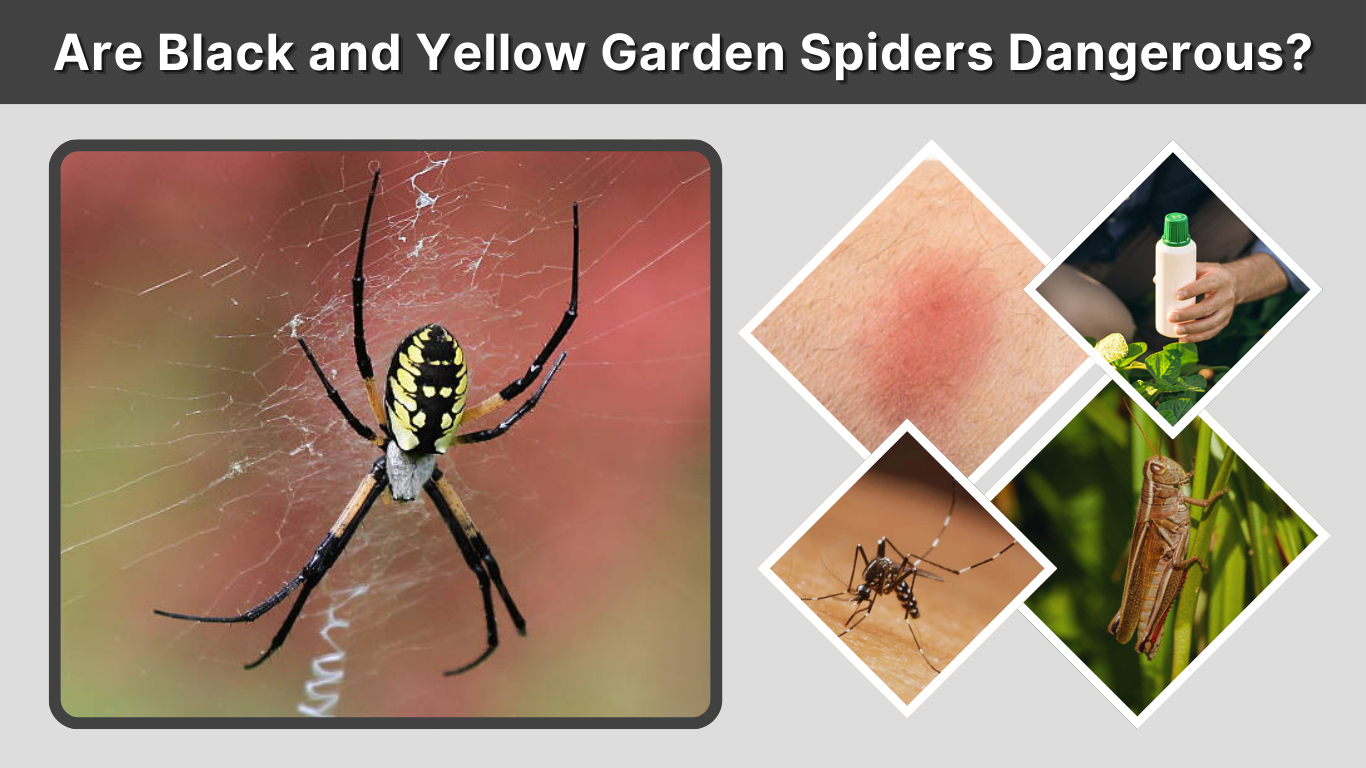
Black and yellow garden spiders are hard to miss—bold, brightly patterned, and often found in the center of large orb-shaped webs. Because of their striking appearance, many people worry they might be dangerous. In reality, these spiders play an important role in gardens and are far less threatening than they look. This article explains how dangerous they truly are, what to expect if you encounter one, and how to stay safe while living comfortably alongside them.
Are Black and Yellow Garden Spiders Dangerous?
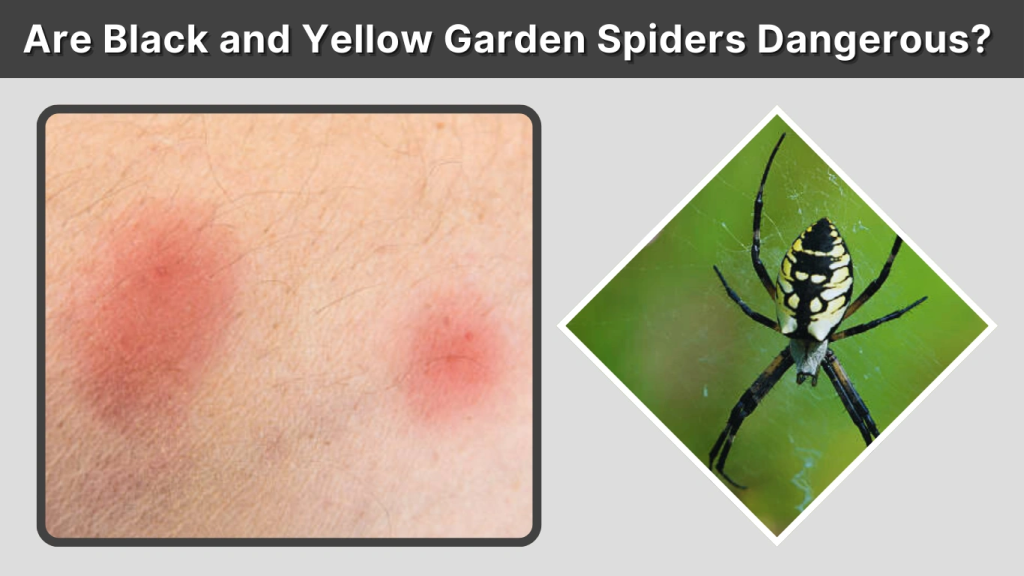
Black and yellow garden spiders are not considered dangerous to humans. Although they have venom like all spiders, theirs is very mild and used solely to subdue small insects—not large animals or people. They are highly non-aggressive, and bites are extremely rare, usually happening only when the spider is trapped against the skin or handled roughly. The bite, when it does occur, is typically no worse than a light bee sting. These spiders are also harmless to pets. In fact, they are beneficial garden predators that help control pests like flies, mosquitoes, and caterpillars.
Identification
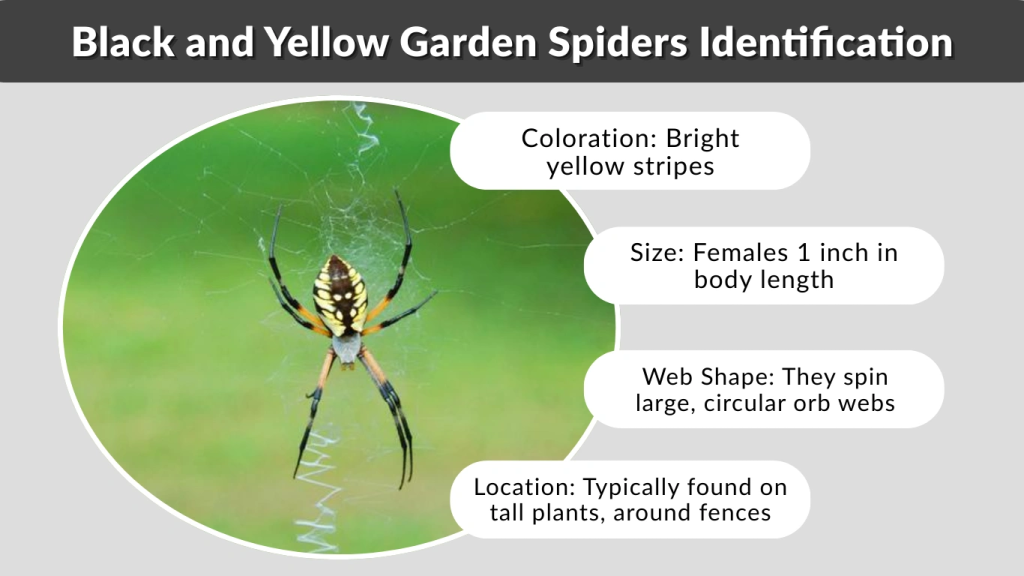
Recognizing a black and yellow garden spider is easy once you know the traits.
- Coloration: Bright yellow stripes or patches across a black abdomen.
- Size: Females are much larger, often reaching 1 inch in body length, while males are smaller and less colorful.
- Web Shape: They spin large, circular orb webs with a noticeable zig-zag pattern (called a stabilimentum) in the center.
- Location: Typically found on tall plants, around fences, or between bushes where they can anchor a wide web.
Their bold patterns are meant to intimidate predators, not people.
Where They Live
Black and yellow garden spiders—also known as Argiope aurantia—are common throughout North America. They prefer warm, sunny spaces where insects are abundant. You’ll often find them in:
- Gardens
- Meadows
- Tall grasses and bushes
- Edges of forests
- Near homes but usually outdoors
They rarely enter houses, as they thrive in open environments with plenty of flying insects.
Their Behavior
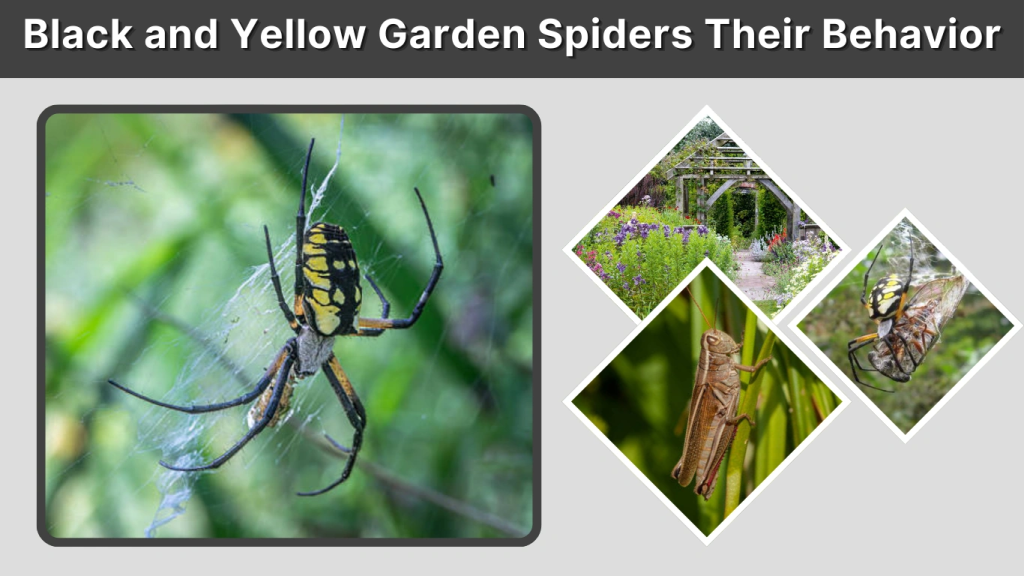
These spiders are known for their calm, predictable nature. Despite their intimidating size, they typically remain still in the center of their web. When disturbed, they prefer to vibrate the web, hide, or drop away instead of attacking. They rebuild portions of their web daily, often consuming the old silk and crafting fresh strands each morning. Their diet mainly consists of flies, bees, wasps, grasshoppers, and other garden pests.
Bite Facts
Bites from black and yellow garden spiders are extremely uncommon. A bite usually requires significant provocation such as being grabbed or pressed against skin. Symptoms may include mild redness, itching, or slight swelling. Severe reactions are rare but could occur in individuals allergic to spider venom or insect bites in general. The discomfort usually fades within a few hours.
How Dangerous Are They Really?
Despite their dramatic appearance, black and yellow garden spiders pose very little danger to people. Their venom is designed for tiny prey, not humans or pets. In most cases, their bite is less painful than that of a bee or ant. Children and pets can safely play in yards where these spiders live, as long as they avoid intentionally touching the webs. The spiders themselves prefer isolation and rarely leave their webs unless threatened. Overall, their risk level is extremely low, making them safe neighbors in outdoor spaces.
Benefits to Gardens and Humans
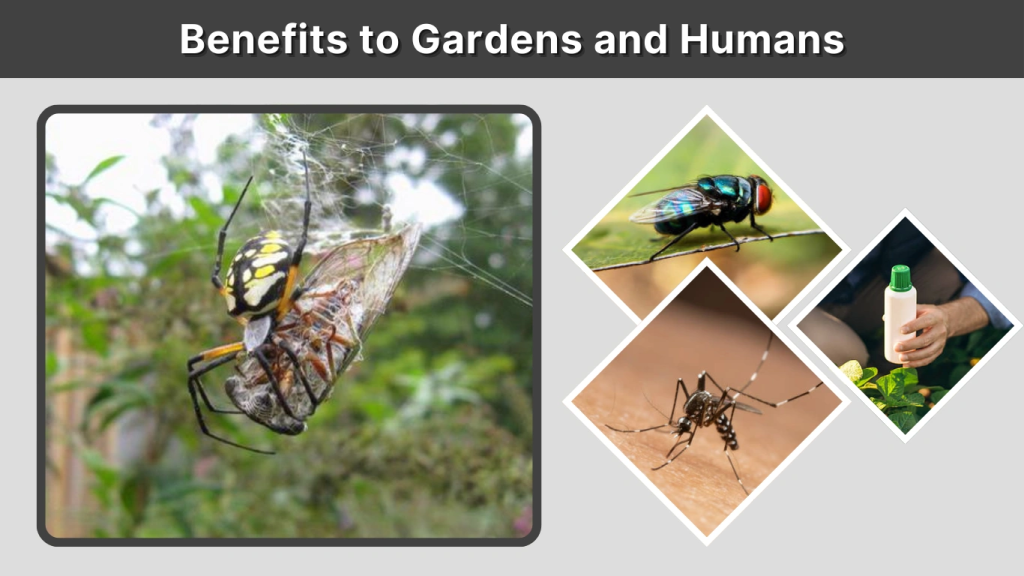
These spiders provide several valuable benefits:
- Natural Pest Control: They consume flies, mosquitoes, stink bugs, moths, and other destructive insects.
- Zero Chemical Use: Their presence reduces the need for pesticides.
- Ecosystem Balance: By controlling insect numbers, they help maintain a healthy garden environment.
- No Aggression Toward Humans: They don’t chase, jump at, or pursue people in any way.
For gardeners, a black and yellow garden spider is not a threat—it’s an ally.
Safety Tips
Even though they’re harmless, it’s smart to take simple precautions:
- Avoid touching their webs to prevent accidental bites.
- Wear gloves when gardening in areas with tall plants or dense shrubs.
- Relocate gently if one builds a web too close to walkways—use a stick to move the web frame without touching the spider.
- Leave them outside if you find one near your home; they rarely survive indoors due to lack of insects.
If bitten—though unlikely—clean the area and apply a cold compress. Seek medical help only if swelling becomes severe or allergic symptoms occur.
Common Misconceptions
Many people believe these spiders are poisonous or aggressive because of their size and bold colors. Others assume they frequently bite humans, confuse them with dangerous species, or think they enter homes looking for prey. None of this is true. They prefer outdoor habitats and tend to flee rather than attack. Their venom is not medically significant, and they pose no threat to household pets.
Quick Comparison Chart
| Feature | Black & Yellow Garden Spider | Harmful Spiders (e.g., Black Widow, Brown Recluse) |
| Aggression | Very low | Moderate to high when threatened |
| Venom Strength | Mild | Medically significant |
| Bite Risk | Rare | Occasional in close contact |
| Habitat | Gardens, fields, fences | Dark corners, clutter, sheds |
| Danger Level | Not dangerous | Potentially dangerous |
FAQ
Should I be worried if I see one near my home?
Not at all. These spiders prefer staying on their webs outdoors and rarely approach humans. As long as you don’t touch them or disturb the web, they pose no threat. They actually help keep insect populations under control around your home.
Can they bite through clothing?
No. Their fangs are too small to penetrate most fabric. Even light clothing provides enough protection to prevent accidental bites. Encounters almost always occur only when the spider is pressed directly against the skin.
Are they harmful to pets?
Pets are generally safe around these spiders. Dogs and cats usually ignore them, and even if a curious pet accidentally disturbs a web, the spider is likely to flee rather than bite. Their venom is not harmful to typical household animals.
Do they enter houses?
Very rarely. Black and yellow garden spiders prefer open, sunny areas with abundant insects. Indoor spaces don’t provide the environment they need. If one appears inside, it likely wandered in by mistake and won’t stay long.
How long do they live?
Most live for a single season—spring through fall. Females may lay an egg sac in late summer or early fall, producing hundreds of young. The babies overwinter in the sac and emerge the following spring to start the cycle again.