
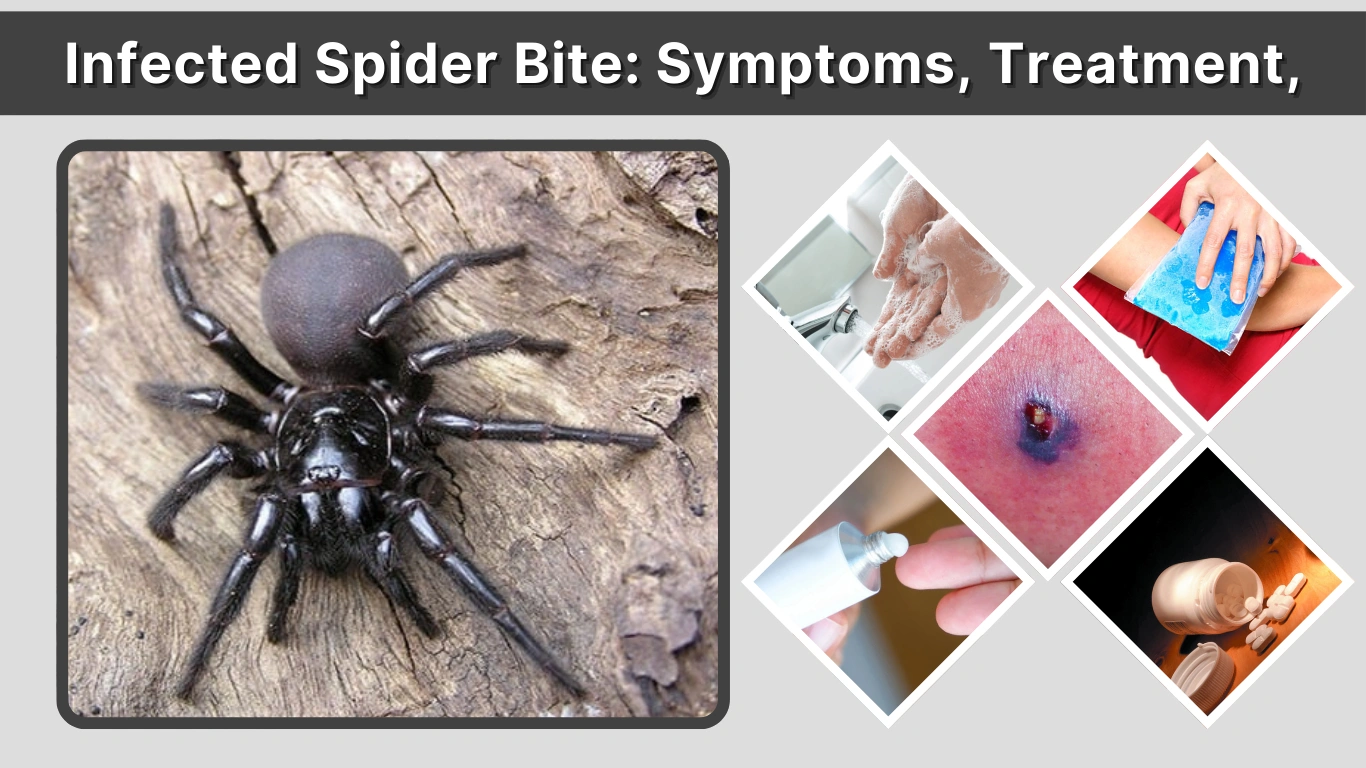
Spider bites are often harmless and heal on their own within a few days. However, in some cases, a spider bite can become infected, leading to increased pain, swelling, and other concerning symptoms. An infected spider bite usually occurs when bacteria enter the skin through the bite wound, often due to scratching, poor hygiene, or delayed care. While most infections are mild, ignoring the warning signs can result in serious complications. Understanding how to identify an infected spider bite, recognize early symptoms, and treat it properly can help prevent long-term issues and speed up recovery.
What Is an Infected Spider Bite?
An infected spider bite occurs when bacteria invade the skin at the site of the bite and begin to multiply. Unlike a normal spider bite, which may cause mild redness, itching, or swelling, an infected bite worsens over time instead of improving.
Most spider bites do not inject dangerous venom. Instead, the real problem often starts after the bite, when the skin barrier is broken. Bacteria such as Staphylococcus or Streptococcus can enter the wound, especially if the bite is scratched or not cleaned properly. This leads to inflammation, pus formation, and sometimes spreading infection.
How to Identify an Infected Spider Bite

Normal Spider Bite vs Infected Spider Bite
A normal spider bite typically appears as a small red bump that may itch or feel slightly sore. It usually improves within a few days without medical treatment. An infected spider bite, on the other hand, becomes more painful and swollen over time.
Key differences include increasing redness, warmth around the area, pus or fluid discharge, and tenderness that worsens instead of fading. The skin may also appear shiny, tight, or darker than the surrounding area.
Early Warning Signs
In the early stages of infection, symptoms may still seem mild but should not be ignored. Common early signs include persistent redness, swelling that does not go down, and warmth around the bite. Itching may turn into a throbbing or burning pain.
The area may feel firm to the touch, and movement near the bite can become uncomfortable. These symptoms usually appear within one to three days after the bite.
Advanced Infection Symptoms
As the infection progresses, more serious symptoms can develop. Pus or yellowish fluid may drain from the bite, indicating an abscess. Red streaks spreading outward from the bite can signal that the infection is moving through the lymphatic system.
Systemic symptoms such as fever, chills, fatigue, or body aches suggest the infection may be spreading and requires medical attention. At this stage, home treatment alone is often not sufficient.
Common Causes of Spider Bite Infections

One of the most common causes of infection is scratching the bite. Scratching breaks the skin further, making it easier for bacteria to enter. Poor wound hygiene, such as failing to clean the bite or covering it with dirty bandages, also increases infection risk.
Delayed treatment is another factor. Many people ignore spider bites, assuming they will heal naturally. While this is often true, untreated wounds can worsen, especially in individuals with weakened immune systems, diabetes, or poor circulation.
Spiders Commonly Associated With Infected Bites

Brown Recluse Spider
Brown recluse spider bites are known for causing tissue damage. The venom can create an open sore, which increases the risk of bacterial infection if not treated properly. These bites may worsen over several days and require close monitoring.
Black Widow Spider
Black widow bites usually cause muscle pain and cramping rather than severe skin damage. However, secondary infection can still occur if the bite site is scratched or neglected.
Non-Venomous House Spiders
Many infected spider bites are actually caused by common house spiders. These bites are rarely dangerous on their own, but poor wound care can easily lead to infection.
Infected Spider Bite Treatment Options

Immediate First Aid Care
As soon as a spider bite is noticed, the area should be washed gently with soap and clean water. This helps remove surface bacteria and reduces the chance of infection. A cold compress can be applied to reduce swelling and pain.
Avoid scratching the bite, even if it itches. Scratching significantly increases the risk of infection and delays healing.
Home Treatment for Mild Infections
If the infection is mild and symptoms are not worsening, home care may help control the infection. Applying a warm compress for 10–15 minutes several times a day can improve blood flow and support healing. The bite should be kept clean and dry, with a fresh bandage applied daily if needed.
Over-the-counter pain relievers such as ibuprofen or acetaminophen may reduce pain and inflammation. Topical antibiotic ointments can also be used unless irritation occurs. The bite should be closely monitored, and any increase in redness, pain, or swelling should be taken seriously.
Medical Treatment for Severe Infections
When an infected spider bite becomes severe, medical treatment is often necessary. A doctor may prescribe oral or topical antibiotics to control bacterial growth. In cases where an abscess forms, the wound may need to be drained under sterile conditions.
If the patient has not had a tetanus shot within the recommended timeframe, a booster may be given. Severe infections or systemic symptoms such as fever may require more aggressive treatment and follow-up care.
When to See a Doctor for an Infected Spider Bite

Medical attention should be sought if symptoms worsen after 48 hours or if the bite continues to spread. Increasing redness, severe pain, or swelling that extends beyond the bite area are signs that professional care is needed.
A doctor should also be consulted if fever, chills, or red streaks develop, as these may indicate the infection is spreading. Bites located on the face, near joints, or in sensitive areas should be evaluated promptly. Individuals with weakened immune systems should not delay medical care.
Infected Spider Bite Healing Stages
Healing typically occurs in stages. The first stage involves inflammation, where redness and swelling are present. Once treatment begins, the infection control stage follows, during which pain and discharge gradually decrease.
The final stage is skin repair. New skin forms over the wound, and discoloration slowly fades. In some cases, mild scarring may remain, especially if the infection was severe or treatment was delayed. Healing time can range from a few days to several weeks depending on the severity of the infection.
Potential Complications if Left Untreated
Leaving an infected spider bite untreated can lead to serious complications. One common complication is cellulitis, a bacterial skin infection that spreads rapidly. Abscess formation is another risk, requiring surgical drainage.
In rare cases, bacteria can enter the bloodstream, leading to systemic infection. While this is uncommon, it highlights the importance of early care and proper treatment.
How to Prevent Spider Bite Infections
Preventing infection starts with proper bite care. Cleaning the area immediately and avoiding scratching are essential steps. Keeping fingernails short and clean can also reduce bacterial transfer.
Reducing spider exposure at home by sealing cracks, removing clutter, and using screens on windows can help prevent bites. When outdoors, wearing long sleeves and gloves in areas where spiders may be present lowers the risk further.
FAQs
How can I tell if a spider bite is infected?
An infected spider bite usually becomes more painful over time instead of improving. Common signs include increasing redness, swelling, warmth, pus or fluid drainage, and tenderness. Fever, red streaks, or worsening symptoms after 48 hours may also indicate infection and should not be ignored.
What does an infected spider bite look like?
An infected spider bite often appears red, swollen, and inflamed. The skin may look shiny or tight, and pus or yellow discharge may be present. In some cases, the area darkens or develops a blister, especially if the infection is progressing.
How long does it take for an infected spider bite to heal?
Mild infections may heal within one to two weeks with proper cleaning and care. More severe infections can take several weeks, especially if antibiotics or drainage are required. Healing time depends on infection severity, location, and how quickly treatment begins.
Can an infected spider bite heal on its own?
Very mild infections may improve with good hygiene and monitoring, but many infected spider bites require medical treatment. If symptoms worsen, spread, or include fever or pus, professional care is necessary to prevent complications.
When should I worry about a spider bite infection?
You should be concerned if redness spreads, pain increases, pus forms, or fever develops. Bites near the face, joints, or genitals, or symptoms lasting longer than two days, should be evaluated by a doctor as soon as possible.
Conclusion
An infected spider bite can be uncomfortable and concerning, but most cases are treatable with early care and attention. Recognizing symptoms early, practicing proper wound hygiene, and knowing when to seek medical help are key to preventing complications. While many spider bites heal without issue, infections should never be ignored. With timely treatment, recovery is usually straightforward and complete.
