
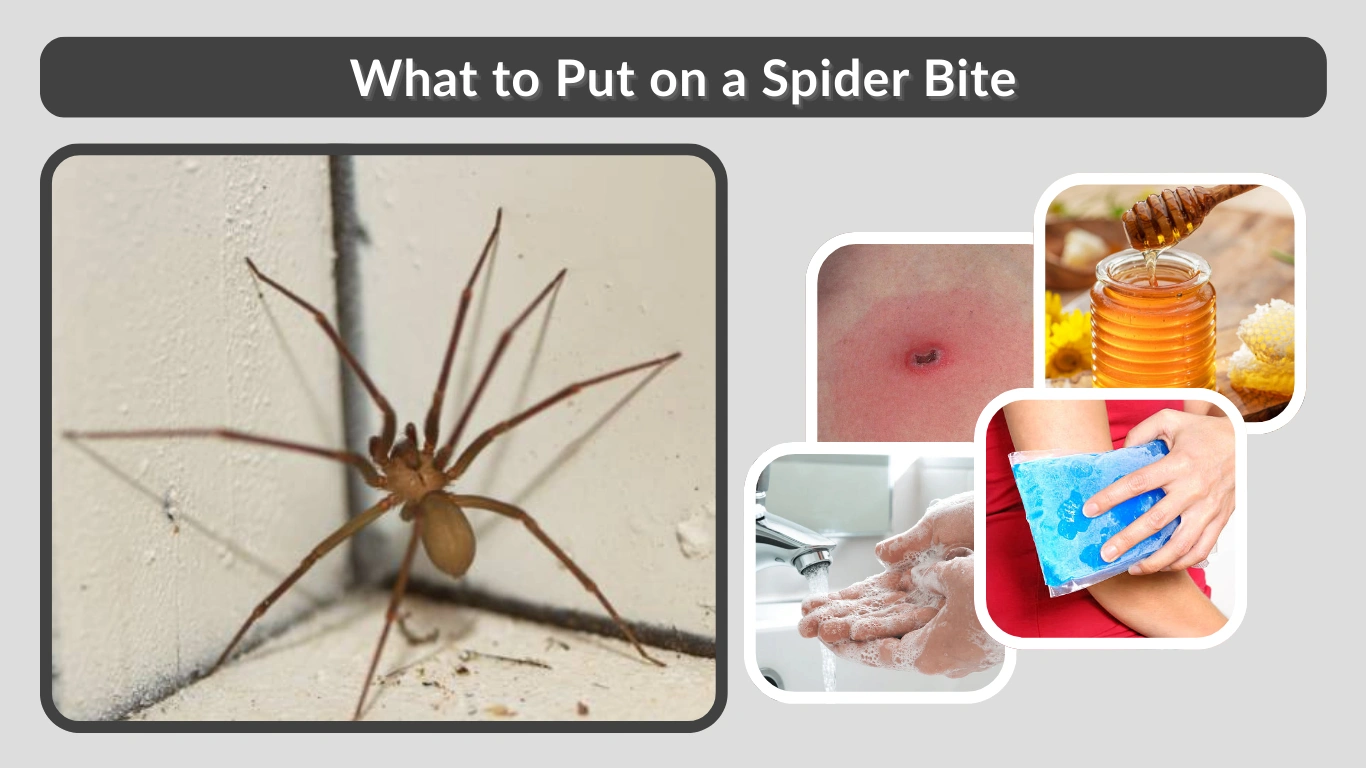
Spider bites can be uncomfortable and sometimes alarming, especially when redness, itching, or swelling appears suddenly. The good news is that most spider bites are harmless and can be treated easily at home with simple remedies and over-the-counter products. Knowing what to put on a spider bite right away can help reduce pain, prevent infection, and speed up healing. This article explains how to recognize a spider bite, what to apply immediately, and which home remedies actually work so you can treat the bite safely and effectively.
What Does a Spider Bite Look Like?

Spider bites often look similar to bites from other insects, which makes them easy to misidentify. In many cases, a spider bite appears as a small red bump that may be itchy or slightly painful. Some bites develop mild swelling, warmth, or tenderness around the affected area.
Unlike mosquito bites, spider bites may have two small puncture marks where the spider’s fangs pierced the skin, though these marks are not always visible. The bite area may feel firm to the touch and can become more irritated over time if scratched.
Mild vs Serious Spider Bite Symptoms
Most spider bites cause mild symptoms that improve within a few days. These include localized redness, itching, slight swelling, and minor discomfort. Mild bites typically respond well to basic home care and do not require medical treatment.
More serious spider bites are less common but can cause increasing pain, muscle cramps, blistering, or skin discoloration. In rare cases, symptoms such as fever, nausea, or spreading redness may occur. Recognizing whether a bite is mild or severe is important when deciding what to put on a spider bite and when to seek medical help.
What to Put on a Spider Bite Immediately

Taking quick action after noticing a spider bite can make a big difference in how fast it heals. Immediate care focuses on cleaning the area, reducing swelling, and relieving discomfort.
Wash the Area with Soap and Water
The first thing to put on a spider bite is plain soap and water. Gently washing the area helps remove bacteria, venom residue, and dirt that could lead to infection. Use mild soap and lukewarm water, and avoid scrubbing too hard, as this can irritate the skin further. After washing, pat the area dry with a clean towel.
Apply a Cold Compress or Ice Pack
A cold compress is one of the most effective ways to reduce swelling and pain from a spider bite. Wrap an ice pack or a bag of frozen vegetables in a cloth and apply it to the bite for 10 to 15 minutes at a time. Cold therapy helps constrict blood vessels, which can limit inflammation and numb itching or pain. This can be repeated several times a day as needed.
Home Remedies for Spider Bites That Actually Work

For mild spider bites, home remedies can be very effective at easing symptoms. These natural options are easy to find and gentle on the skin when used correctly.
Baking Soda Paste
Baking soda is commonly used to relieve itching from insect bites, including spider bites. To make a paste, mix baking soda with a small amount of water until it forms a thick consistency. Apply the paste directly to the bite and leave it on for 10 to 15 minutes before rinsing it off. Baking soda may help neutralize irritants and reduce itching and redness.
Aloe Vera Gel
Aloe vera is well known for its soothing and anti-inflammatory properties. Applying pure aloe vera gel to a spider bite can help calm irritated skin, reduce swelling, and promote healing. Use fresh aloe from a plant or a store-bought gel without added fragrances or alcohol. Aloe vera can be applied several times a day for ongoing relief.
Honey
Honey has natural antibacterial properties, making it a helpful option for preventing infection in minor spider bites. Applying a small amount of raw honey to the bite can help keep the area clean while also soothing the skin. Covering the area lightly with a bandage can prevent the honey from rubbing off and keep contaminants away.
Over-the-Counter Treatments for Spider Bites
While home remedies work well for mild spider bites, over-the-counter treatments can provide stronger and longer-lasting relief, especially when itching or swelling persists. These products are widely available at pharmacies and are easy to use when applied correctly.
Hydrocortisone Cream
Hydrocortisone cream is one of the most commonly recommended treatments for spider bites. It helps reduce inflammation, redness, and itching by calming the skin’s immune response. Apply a thin layer of hydrocortisone cream to the bite one to three times a day, following the instructions on the package. Avoid using it on broken skin unless directed by a healthcare professional.
Antihistamine Creams or Oral Antihistamines
Antihistamines help counteract allergic reactions that cause itching and swelling. Topical antihistamine creams can be applied directly to the spider bite to reduce discomfort. In cases of more widespread itching or swelling, an oral antihistamine may be helpful. These medications can reduce the body’s histamine response and provide relief for several hours.
Antibiotic Ointments
If a spider bite becomes scratched or develops a small open area, an antibiotic ointment may help prevent infection. Apply a thin layer to the affected area and cover it with a clean bandage if needed. However, antibiotic ointments should not be used unnecessarily, as overuse can irritate the skin or contribute to resistance.
What Not to Put on a Spider Bite

Knowing what to avoid is just as important as knowing what to apply. Some common remedies and habits can actually make a spider bite worse.
Scratching or Picking the Bite
Scratching a spider bite can break the skin, allowing bacteria to enter and cause infection. It also increases inflammation and can lead to scarring. If itching is intense, use cold compresses or anti-itch creams instead of scratching.
Undiluted Essential Oils or Harsh Chemicals
Essential oils such as tea tree, eucalyptus, or peppermint are sometimes recommended online, but applying them undiluted can burn or irritate the skin. Harsh household chemicals or strong home remedies should never be used on a spider bite, as they can delay healing and increase discomfort.
How Long Does a Spider Bite Take to Heal?
Most spider bites heal within a few days to a week, depending on the individual and the type of bite. Mild bites often improve noticeably within 24 to 48 hours when treated properly. Redness and itching gradually fade as the skin heals.
Signs Your Spider Bite Is Healing Normally
A spider bite that is healing properly will show reduced swelling, less redness, and decreased itching or pain. The skin may return to its normal color, and any scab that forms should fall off naturally without leaving a scar.
Signs of Infection or Complications
Signs of infection include increasing redness, warmth, swelling, pus, or pain around the bite. Fever or red streaks spreading from the area are also warning signs. If these symptoms appear, medical attention may be necessary.
When to See a Doctor for a Spider Bite

Although most spider bites can be treated at home, certain situations require medical care.
Possible Black Widow or Brown Recluse Bites
Bites from venomous spiders such as black widows or brown recluses can cause more serious symptoms. Severe pain, muscle cramps, blistering, or darkening of the skin around the bite may indicate a venomous bite. These cases should be evaluated by a healthcare professional as soon as possible.
High-Risk Individuals
Children, older adults, pregnant individuals, and people with weakened immune systems may be more vulnerable to complications from spider bites. Medical advice is recommended if symptoms worsen or do not improve within a few days.
How to Prevent Spider Bites in the Future
Preventing spider bites starts with reducing exposure and maintaining a clean environment.
Reducing Spiders Indoors
Keeping living spaces clean and clutter-free can reduce places where spiders hide. Sealing cracks, using screens, and regularly vacuuming corners and storage areas can help keep spiders out of the home.
Personal Protection Tips
When spending time outdoors or in storage areas, wearing long sleeves, gloves, and closed shoes can reduce the risk of bites. Checking bedding, clothing, and shoes before use is also a simple but effective preventive step.
FAQs
What is the fastest way to relieve spider bite itching?
Applying a cold compress followed by an anti-itch cream or aloe vera gel is often the fastest way to reduce itching and swelling.
Can I put toothpaste on a spider bite?
Toothpaste is not recommended, as it can irritate the skin and does not provide reliable relief.
Are spider bites dangerous?
Most spider bites are harmless and heal on their own, but bites from certain venomous spiders can be serious and require medical attention.
How can I tell if a spider bite is infected?
Signs of infection include increased redness, warmth, swelling, pus, and worsening pain. Fever may also occur.
Do spider bites leave scars?
Most spider bites do not leave scars if they are not scratched or infected and are allowed to heal properly.
Conclusion
Knowing what to put on a spider bite can help relieve discomfort, prevent infection, and promote faster healing. Simple steps such as washing the area, applying cold compresses, and using proven home or over-the-counter treatments are usually enough for mild bites. By avoiding harmful remedies and recognizing when medical care is needed, most spider bites can be managed safely and effectively at home.
