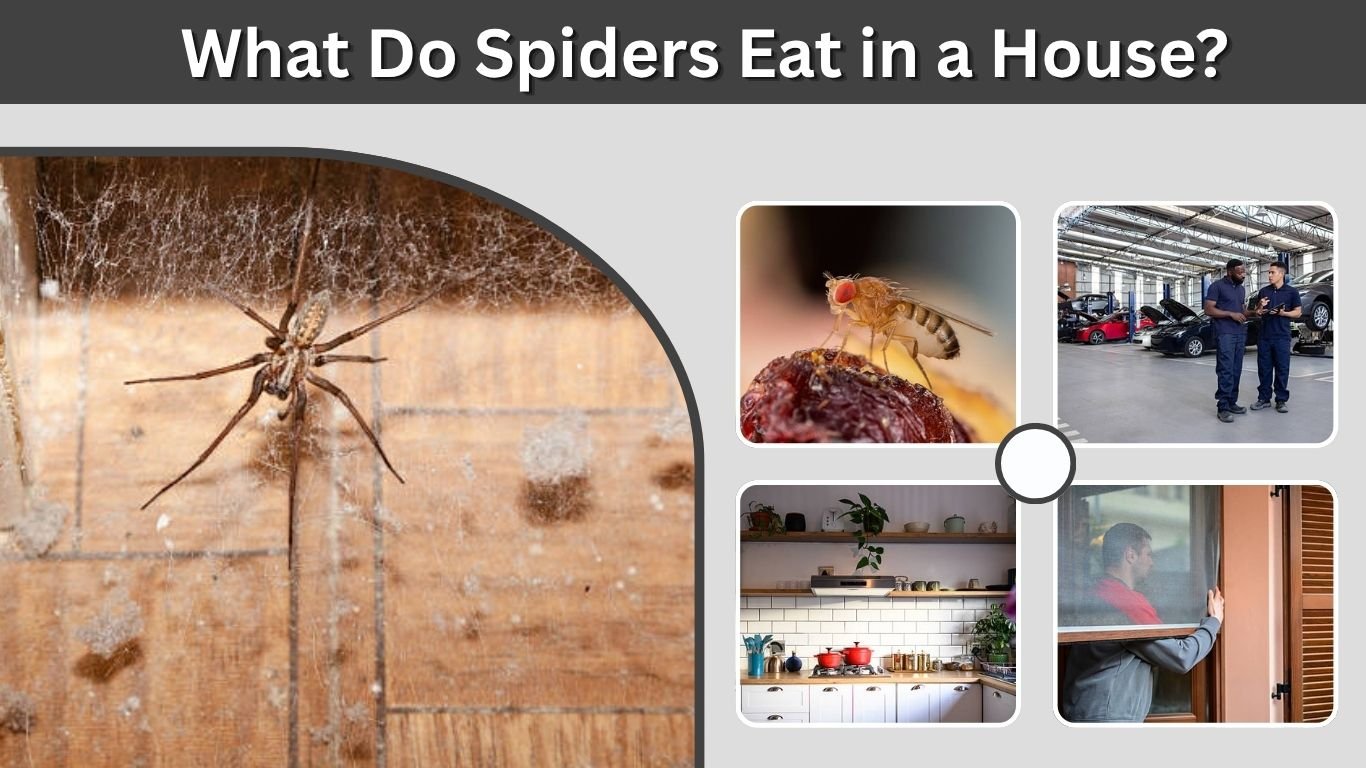
Spiders are common visitors in homes, often appearing in corners, basements, bathrooms, and behind furniture. But what do spiders eat in a house, especially when there are few visible insects? Most house spiders survive by hunting small pests such as flies, mosquitoes, moths, ants, and silverfish. Some catch insects in webs, while others actively search for food. Their feeding habits depend on the spider species and available prey. Understanding what house spiders eat can help explain why they live indoors and how they survive throughout the year.
What Do Spiders Eat Inside a House?
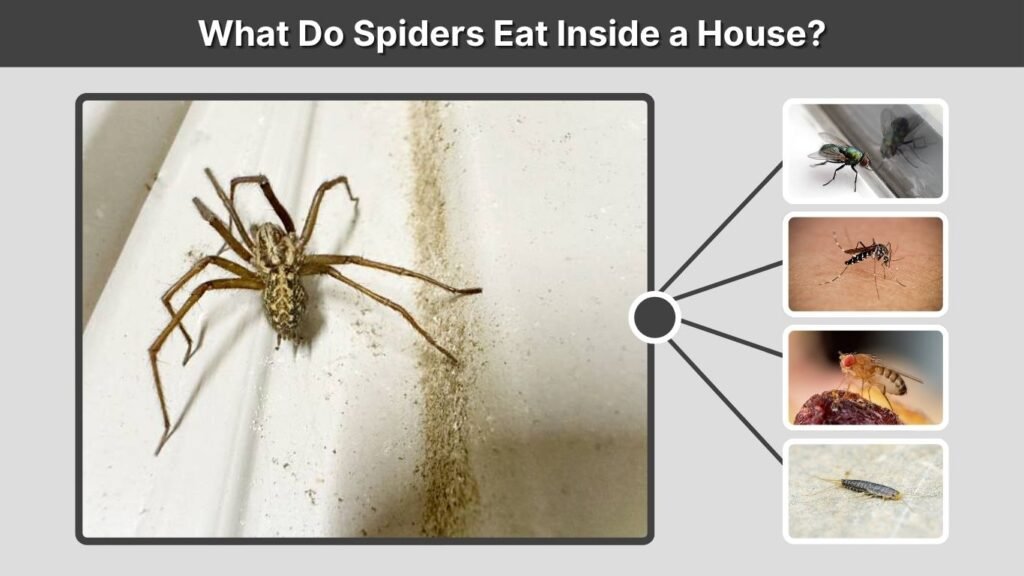
House spiders primarily feed on small insects and other arthropods living inside buildings. Their diet depends on the spider’s size, hunting technique, and the insects available in different rooms. Some species specialize in capturing flying insects, while others hunt creatures crawling along floors or walls. Indoor spiders are generally opportunistic predators that consume suitable prey whenever they encounter it.
Common Foods House Spiders Eat
Most house spiders eat a variety of small household pests, including:
- Houseflies: Common prey for web-building spiders near windows.
- Mosquitoes: Flying mosquitoes sometimes become trapped in spider webs.
- Fruit flies: Small spiders can capture these tiny insects around kitchens.
- Moths: Many indoor spiders catch moths attracted to artificial lighting.
- Ants: Certain hunting spiders feed on ants wandering through buildings.
- Silverfish: Ground-hunting spiders occasionally capture these fast-moving insects.
- Cockroach nymphs: Some larger house spiders can overpower young cockroaches.
- Other spiders: Certain species hunt smaller spiders living in the same building.
The University of Delaware Cooperative Extension identifies mosquitoes, flies, termites, and other spiders among the prey captured by American house spiders.
Do All House Spiders Eat the Same Food?
Not every house spider eats identical prey. Smaller spiders commonly hunt tiny insects, while larger species can capture bigger arthropods.
For example, cellar spiders often catch small flying insects and other spiders. Jumping spiders actively hunt flies and other suitable prey using their excellent eyesight.
The available food supply influences their diet more than a fixed preference for a particular insect.
How Do Spiders Catch Food Inside a House?
Spiders use different hunting methods to capture insects indoors. Some build webs and wait for prey to become entangled, while others move around searching for food. Their hunting techniques are adapted to their natural behavior and preferred environments. Regardless of how they catch prey, most spiders consume liquid nutrients from the animals they capture.
Web-Building Spiders
Web-building spiders construct silk traps in relatively undisturbed locations. Their webs often appear around ceiling corners, windows, storage spaces, and basements.
When an insect becomes trapped, vibrations alert the spider to its presence. The spider approaches and immobilizes the prey, sometimes wrapping it in silk.
Common house spiders and cellar spiders frequently use webs to capture food without actively chasing insects.
Hunting Spiders
Not all spiders depend on webs for catching food. Wolf spiders, jumping spiders, and some sac spiders actively search for prey.
Jumping spiders rely on sharp vision and rapid movements, while wolf spiders use their sensory abilities and speed to locate suitable insects.
These spiders may hunt along floors, walls, windowsills, and furniture.
How House Spiders Eat Their Prey
After capturing prey, spiders generally use digestive enzymes to break down its tissues.
They then draw the liquefied nutrients into their digestive systems.
Unlike humans, spiders cannot chew solid food into small pieces. Their specialized feeding mechanism allows them to extract nourishment from captured insects.
Where Do House Spiders Find Their Food?
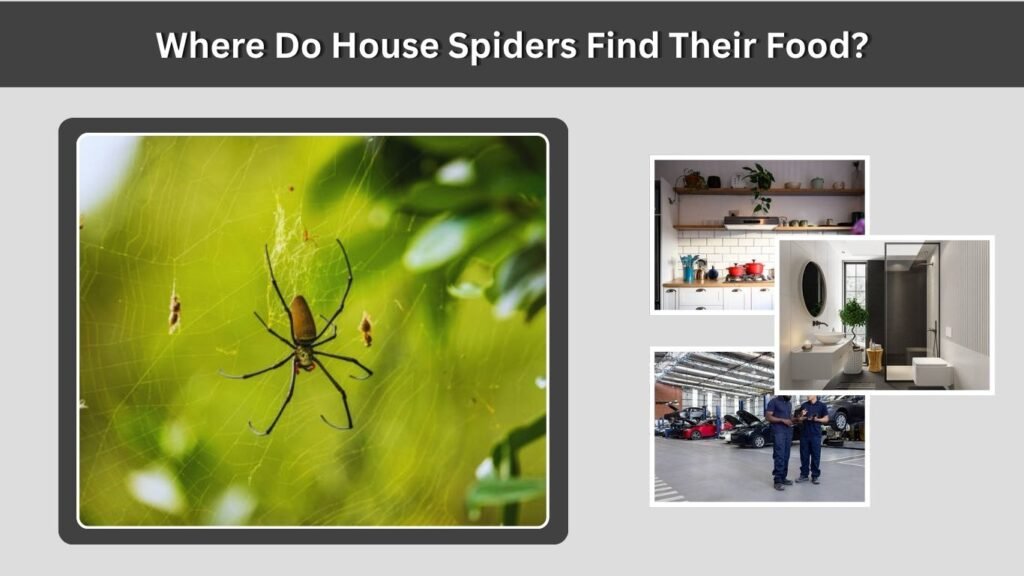
House spiders settle in locations where they can find food and suitable shelter. Insects frequently enter buildings through open doors, windows, cracks, and ventilation gaps. Other pests may already be breeding indoors. Spiders take advantage of these available food sources, often remaining in areas where prey encounters are relatively frequent.
Common Indoor Feeding Locations
- Kitchen: Small flies, ants, and other insects may attract hunting spiders.
- Bathroom: Moisture-loving insects can provide occasional prey.
- Basement: Dark, sheltered areas support spiders and various arthropods.
- Windows: Flying insects frequently gather near natural or artificial light.
- Garage: Spiders may encounter moths, flies, beetles, and crawling insects.
Why Spiders Stay Near Windows and Lights
Artificial lighting attracts many flying insects, especially moths and small flies.
Spiders sometimes establish webs near windows or illuminated areas because these locations increase their chances of catching prey.
Cornell University’s Integrated Pest Management program notes that flying insects attracted to light can also attract web-building spiders.
What Do House Spiders Eat When There Are No Bugs?
When insects become scarce, house spiders may struggle to find food. However, they do not necessarily starve immediately. Many spiders can tolerate extended periods without eating, particularly when environmental conditions reduce their energy requirements. Their survival depends on species, age, physical condition, temperature, and water availability.
Can House Spiders Survive Without Food?
Yes, many house spiders can survive for weeks without eating, while some species may survive considerably longer under favorable conditions.
Spiders use energy relatively slowly compared with many warm-blooded animals.
When food becomes limited, they may reduce their activity and remain in sheltered areas until another meal becomes available.
Do Spiders Leave Houses Without Insects?
Some hunting spiders may move into different rooms or eventually leave a building while searching for food.
Web-building spiders often remain near established webs, particularly when their surroundings provide shelter.
However, spiders cannot survive indefinitely without nourishment. A house with very few insects may support fewer spiders over time.
What Do Spiders Eat in the House in Winter?
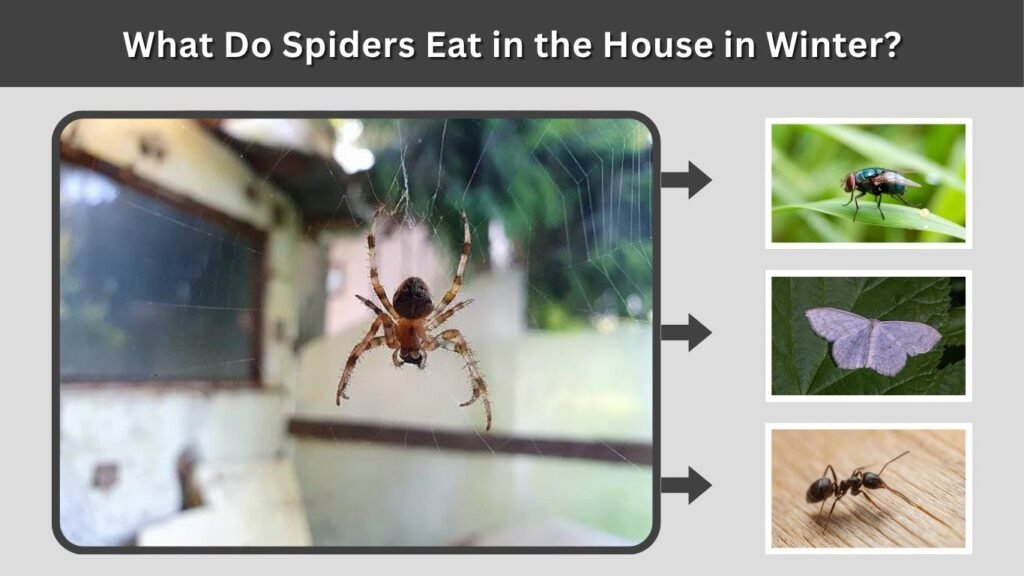
During winter, insects become less active in many regions, reducing the available food supply for spiders. Indoor environments can provide stable temperatures and protected hiding places. Some spider species continue hunting throughout colder months, while others become less active and conserve energy until conditions improve.
Winter Food Sources for Indoor Spiders
House spiders may continue eating small flies, moths, ants, and other insects that remain active inside heated buildings.
Spiders living in basements or storage rooms may encounter insects sheltering in those environments.
Their feeding frequency often decreases when prey becomes scarce.
How House Spiders Survive Winter
Some spiders remain active inside warm buildings, while others enter periods of reduced activity.
They may hide in cracks, sheltered corners, wall spaces, or other protected locations.
The University of Minnesota Extension explains that certain web-building spiders can survive and reproduce indoors.
Do House Spiders Eat Human Food?
House spiders generally do not eat ordinary human foods such as bread, rice, fruit, or cooked meals. Most species depend on animal prey because their feeding structures and digestive processes are adapted to extracting nutrients from captured organisms. However, human food can indirectly attract spiders by bringing insects into a home.
Can Spiders Eat Bread, Rice, or Sugar?
Typical house spiders do not rely on bread, rice, or sugar for nourishment.
Food crumbs and spills may attract ants, cockroaches, or flies, which can subsequently become spider prey.
Therefore, spiders appearing near stored food are generally interested in the insects nearby rather than the human food itself.
What Do House Spiders Drink?
Spiders obtain moisture from their prey and may also drink water droplets.
Bathrooms, kitchens, and damp areas can provide occasional access to moisture.
However, the presence of a spider in a bathroom does not necessarily mean it entered the room specifically to drink water.
Are House Spiders Helpful for Controlling Insects?
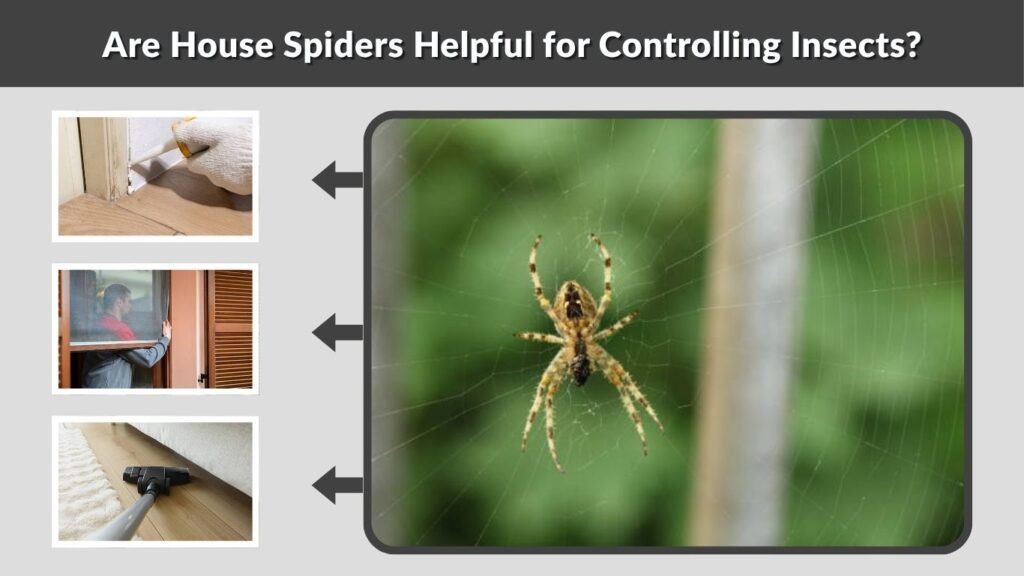
House spiders can be beneficial because they consume various small household pests. Although they cannot eliminate serious infestations by themselves, they contribute to natural insect population control. Their presence may indicate that suitable prey is available indoors, especially when spiders repeatedly appear in the same areas.
Benefits of House Spiders
House spiders can help reduce certain flying and crawling insect populations.
Some catch mosquitoes and flies, while others capture moths, ants, and other arthropods.
University of California’s Integrated Pest Management program recognizes spiders as beneficial predators of nuisance insects.
How to Reduce Food Sources That Attract Spiders
If you want fewer spiders indoors, reducing insects and preventing entry are useful approaches.
- Seal cracks and gaps around doors and windows.
- Install or repair window screens.
- Keep food containers properly sealed.
- Remove garbage regularly to discourage flies.
- Repair leaks and reduce excessive indoor moisture.
- Vacuum corners and remove unused webs.
- Reduce unnecessary exterior lighting that attracts flying insects.
Reducing accessible prey makes indoor environments less favorable for spiders over time.
FAQs
1. What Do Spiders Eat in Your House at Night?
Many spiders hunt at night, capturing flies, moths, mosquitoes, and small crawling insects. Nocturnal hunting behavior varies depending on the spider species.
2. Do House Spiders Eat Cockroaches?
Yes, certain spiders can eat small cockroaches or cockroach nymphs. However, spiders are not a reliable solution for controlling a cockroach infestation.
3. Do House Spiders Eat Dead Insects?
Some spiders may feed on recently dead insects, but many prefer live prey. Hunting behavior often depends on detecting insect movement or web vibrations.
4. How Often Do House Spiders Need to Eat?
House spiders do not necessarily eat every day. Feeding frequency depends on species, prey size, temperature, and energy requirements.
5. Do House Spiders Eat Bed Bugs?
Some spiders may capture bed bugs when they encounter them. However, they do not provide effective bed bug control, and professional pest management may be necessary for an infestation.
