
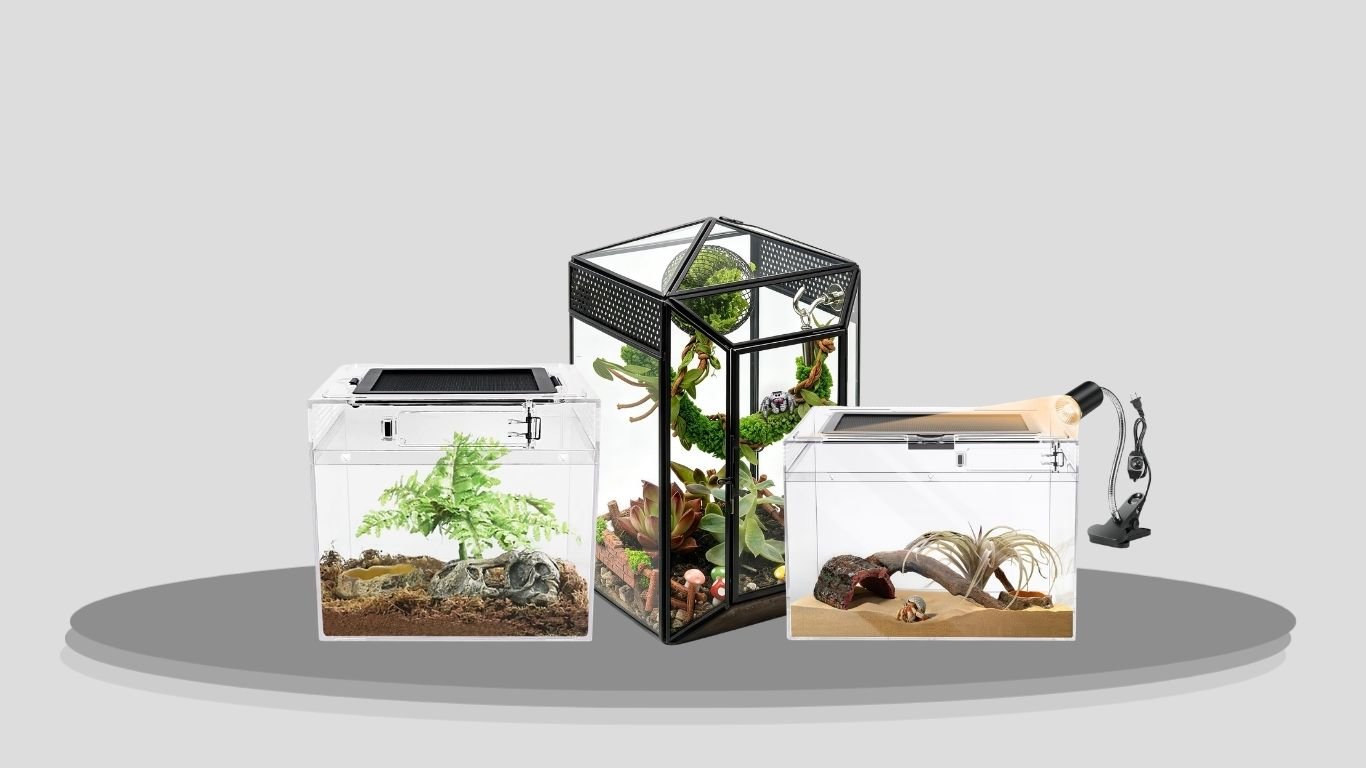
Setting up a comfortable home for a tarantula is much easier when you start with the right equipment. The best tarantula starter kits can include a secure enclosure, proper ventilation, hides, feeding tools, substrate space, and other useful accessories for daily care. Whether you are keeping your first tarantula or upgrading an existing habitat, choosing a well-designed kit can help maintain safety, cleanliness, and suitable living conditions. Below, we review nine tarantula starter kits that offer practical features for beginner and experienced keepers.
1. AZV Tarantula Transparent Terrarium Starter Kit
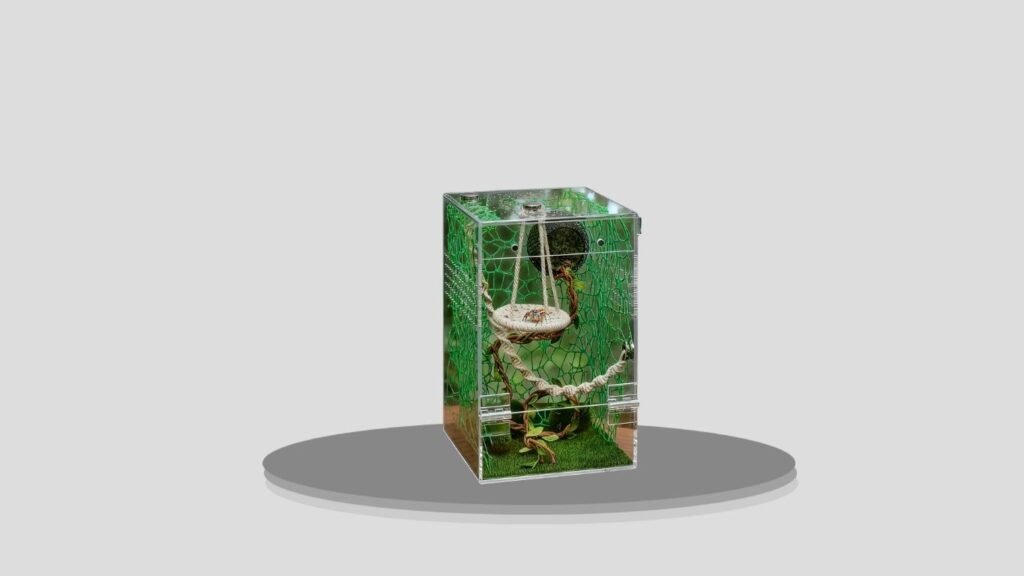
The AZV Tarantula Transparent Terrarium is a practical habitat option for keepers who want excellent visibility, secure housing, and an enclosure that is easy to arrange. Its clear construction makes daily observation simple while providing enough interior space for substrate, hides, water dishes, and decorative elements. For beginners, the straightforward design helps make the first tarantula setup less complicated.
Key Features
- Transparent enclosure for clear viewing
- Multiple ventilation openings for airflow
- Secure design intended to reduce escape risk
- Space for substrate, hides, and feeding areas
- Easy-access opening for routine maintenance
- Suitable for tarantulas, jumping spiders, and similar invertebrates
Why It Works Well for First-Time Tarantula Keepers
One of the biggest advantages of this enclosure is its simplicity. New keepers do not necessarily need an elaborate habitat filled with complicated equipment. They need a secure container with good ventilation, appropriate floor space, and enough room to create a species-appropriate environment.
The transparent walls also make it easier to observe feeding behavior, webbing, burrowing, and general activity without constantly opening the enclosure. This can reduce unnecessary disturbance, which is particularly useful for tarantulas that prefer a relatively quiet environment.
Ventilation, Visibility, and Everyday Maintenance
Air circulation is an important consideration in tarantula housing. The ventilation openings help prevent the enclosure from becoming excessively stagnant when the habitat is appropriately maintained.
Its clear walls are equally useful during routine checks. Uneaten prey, leftover molts, water levels, and substrate condition can be inspected quickly. The accessible enclosure design should also make spot cleaning and feeding more convenient.
For terrestrial species, keepers can add deeper substrate and a ground-level hide. For smaller arboreal species, additional climbing materials and appropriate vertical structure may be needed.
Overall Setup Value
The AZV enclosure offers a strong balance between visibility, usability, and straightforward habitat preparation. It is especially appealing to someone who wants to assemble a clean-looking tarantula habitat without starting with an oversized tank.
With appropriate substrate, a secure hide, water dish, and species-specific furnishings, it can form the foundation of an effective beginner setup. Its uncomplicated design also leaves plenty of room for customization as the keeper gains more experience.
2. Reptile Growth PC Terrarium Set
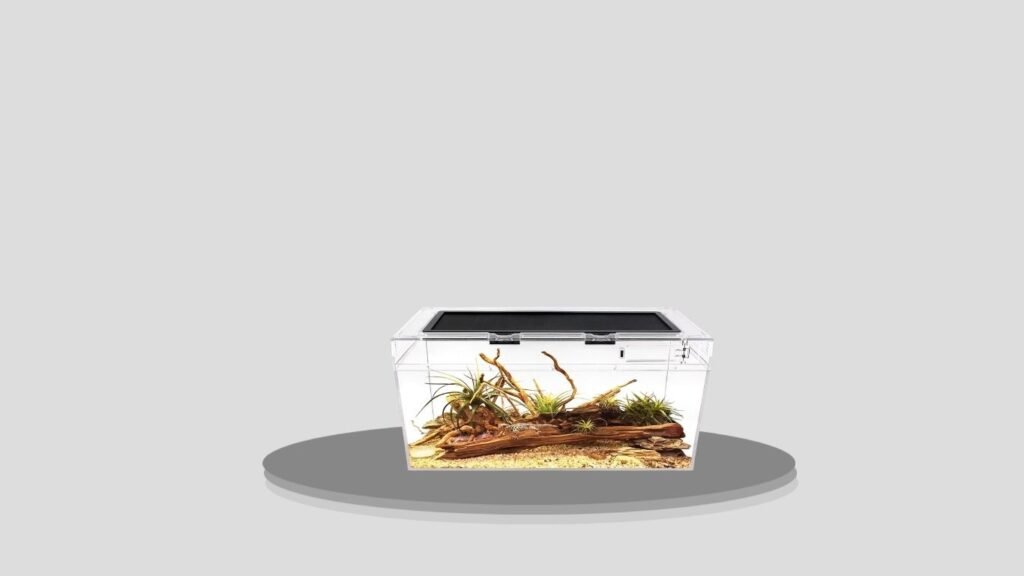
The Reptile Growth PC Terrarium Set provides a relatively spacious enclosure that can be adapted for tarantulas and several other small exotic animals. Its elongated design offers useful floor area for arranging substrate, cork bark, hides, and feeding zones. Keepers who prefer a larger enclosure that allows more freedom when designing the habitat may find this model especially practical.
Key Features
- Clear PC construction for easy observation
- Spacious interior for habitat customization
- Ventilation openings to support airflow
- Room for hides and naturalistic decorations
- Easy-clean enclosure surfaces
- Versatile design for different small exotic pets
Best for Creating a More Complete Tarantula Habitat
This enclosure stands out because it gives keepers more freedom to design the interior instead of simply placing a tarantula inside a small container. A generous footprint can accommodate several inches of substrate, a cork-bark hide, artificial foliage, and a water dish without making the enclosure feel overcrowded.
That flexibility can be particularly helpful for terrestrial tarantulas that spend much of their time walking, burrowing, or remaining near their retreat.
A thoughtfully arranged enclosure also makes observing natural behaviors more enjoyable while giving the animal multiple areas where it can settle.
Practical Design for Feeding and Cleaning
Transparent walls allow the keeper to inspect the tarantula without unnecessary handling. This is useful because tarantulas generally benefit from minimal disturbance.
Routine maintenance can also be more manageable when there is enough room to work around the animal. Food remains can be removed, the water dish can be accessed, and small areas of substrate can be spot-cleaned without completely rearranging the habitat.
Proper ventilation remains important, especially when moisture is being maintained for species that prefer slightly more humid conditions.
Overall Setup Value
The Reptile Growth PC Terrarium Set is a versatile choice for someone who wants more control over enclosure layout. Rather than functioning only as a basic container, it provides enough interior room to create a more organized and visually attractive habitat.
Its size may be particularly useful for juvenile or appropriately sized adult tarantulas, depending on the species. Once furnished with suitable substrate depth and a secure retreat, it can become a practical long-term enclosure rather than simply a temporary starter habitat.
3. Reptile Growth Mini PC Terrarium Starter Kit
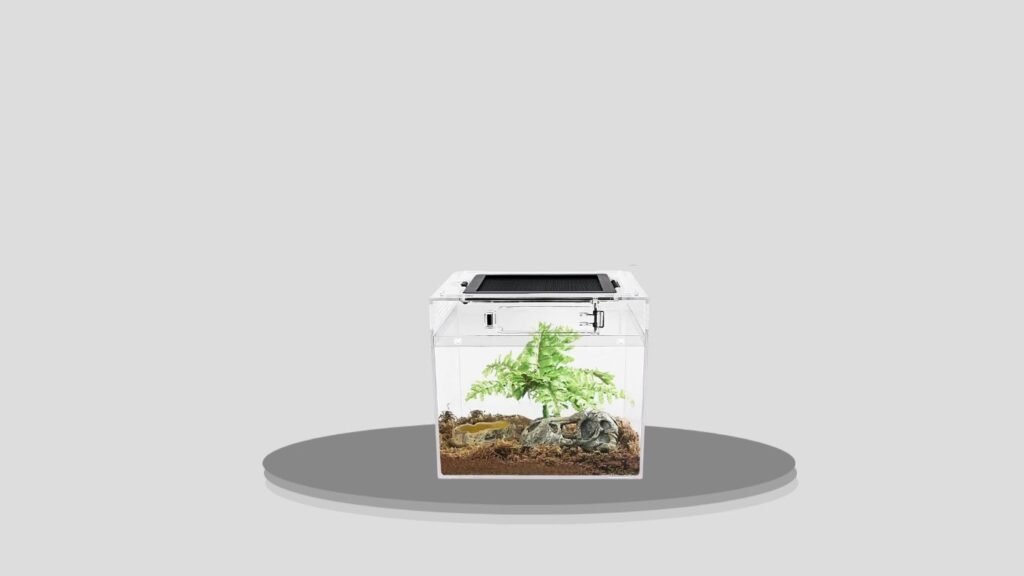
The Reptile Growth Mini PC Terrarium is a compact option designed for smaller exotic pets and invertebrates. Its manageable size makes it especially convenient for keepers who have limited shelf space or who are housing a juvenile tarantula. The transparent construction provides excellent viewing while still allowing the interior to be customized with substrate, hides, and basic habitat accessories.
Key Features
- Compact footprint for small spaces
- Clear PC walls for visibility
- Ventilation openings for airflow
- Suitable space for substrate and a hide
- Lightweight and easy to reposition
- Useful for juvenile tarantulas and small invertebrates
Why the Compact Size Can Be an Advantage
A larger enclosure is not always better, particularly for very small tarantulas. Juveniles can sometimes be easier to monitor in a more compact habitat because prey, water, and the animal itself are easier to locate.
The smaller footprint also allows keepers to maintain an organized setup without using excessive substrate or decorations. A suitable hide can be positioned along one side while leaving enough open space for feeding.
For people beginning with a juvenile tarantula, this simplicity can make routine care more approachable.
Observation and Routine Care
The clear enclosure allows easy visual checks before opening the habitat. Keepers can observe whether prey has been eaten, whether the tarantula has started webbing, or whether it may be preparing to molt.
Compact enclosures are also generally straightforward to spot-clean. Because there is less interior area, leftover feeder insects and debris are easier to identify.
Care should still be taken to provide the correct substrate depth. Terrestrial tarantulas should not have excessive climbing height because falls can potentially injure them. The interior should therefore be configured according to the species rather than simply filled with decorations.
Overall Setup Value
This mini terrarium works best for someone looking for an uncomplicated, space-efficient starter habitat. Its transparent construction, manageable dimensions, and flexible interior provide the essential foundation needed for a small tarantula setup.
It may also serve well as a grow-out enclosure before a tarantula is transferred into a larger adult habitat. For keepers managing several juvenile specimens, the compact dimensions can make organizing multiple enclosures easier while still maintaining good visibility.
4. Zilla Tropical Vertical Habitat Starter Kit
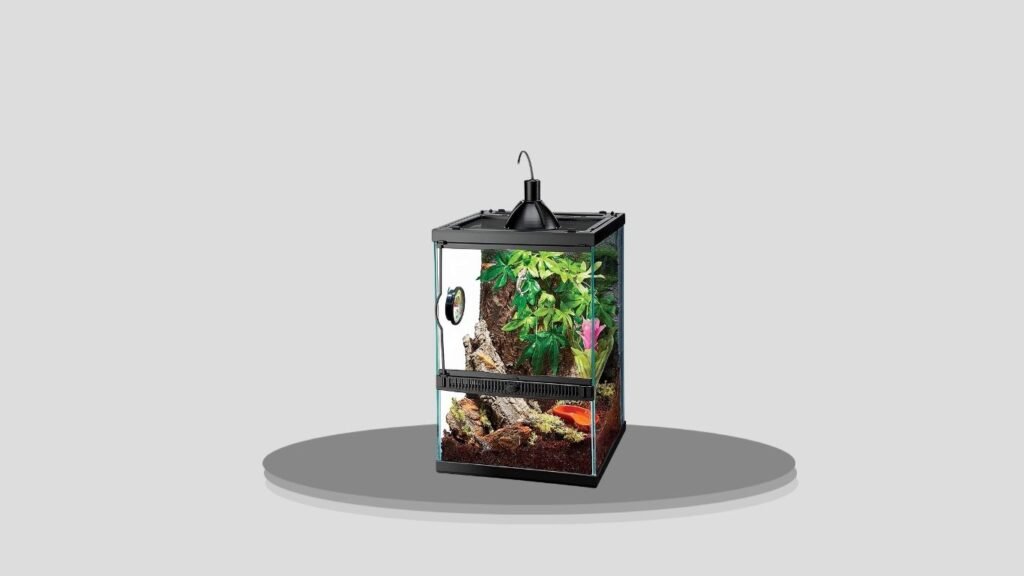
The Zilla Tropical Vertical Habitat Starter Kit offers a taller enclosure format designed primarily for animals that benefit from vertical space. For suitable arboreal tarantula species, this design provides more opportunity for climbing, web construction, and elevated retreats. Its glass construction also creates an attractive display while offering enough interior room to build a more naturalistic habitat.
Key Features
- Vertical enclosure layout
- Clear glass construction
- Front-access design for easier maintenance
- Space for cork bark and climbing structures
- Suitable for creating tropical-style habitats
- Useful for arboreal tarantulas and other climbing species
Best Suited to Arboreal Tarantula Setups
The major advantage of this enclosure is vertical space. Arboreal tarantulas naturally make greater use of upright structures than terrestrial species, so a tall habitat can provide more suitable opportunities for climbing and retreat construction.
A vertical slab of cork bark can be positioned against the rear or side wall, creating an elevated hiding location. Artificial or suitable live plants can also help add cover while giving the enclosure a more natural appearance.
Because tarantula species have different housing requirements, this vertical format is better matched to arboreal species rather than heavy-bodied terrestrial tarantulas.
Habitat Access and Display Quality
Front access can make routine feeding and water changes easier because the keeper does not always need to work from directly above the animal. This can be helpful with arboreal tarantulas that frequently establish retreats near the upper areas of their enclosure.
Glass walls also provide excellent viewing and give the finished habitat a clean, display-oriented appearance. With cork bark, foliage, substrate, and thoughtful positioning, the enclosure can become an attractive focal point.
Ventilation and moisture should still be adjusted according to the particular tarantula species rather than assuming every tropical species requires constantly wet conditions.
Overall Setup Value
The Zilla Tropical Vertical Habitat is a more specialized option than a standard terrestrial enclosure, but that specialization is exactly what can make it appealing. Keepers planning to house an appropriate arboreal species gain useful vertical room and flexibility for creating elevated hides.
Its display-friendly construction also suits people who want their tarantula enclosure to look more like a finished terrarium than a simple storage-style habitat. Properly furnished, it can provide both functionality and an impressive presentation.
5. Clioran Jumping Spider and Tarantula Enclosure
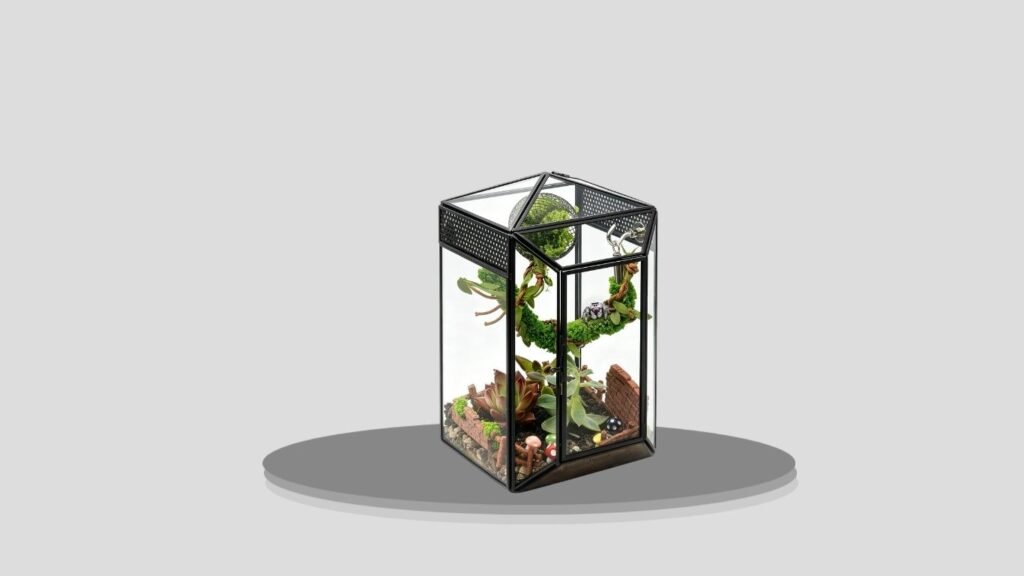
The Clioran enclosure combines compact dimensions with a clear terrarium-style design that can accommodate small tarantulas and other invertebrates. It offers enough room for basic habitat furnishings while keeping the animal easy to observe. For keepers who appreciate a decorative desktop enclosure rather than a plain container, this model offers a visually appealing foundation for a carefully arranged starter setup.
Key Features
- Clear enclosure for unobstructed viewing
- Compact desktop-friendly design
- Ventilation openings for air exchange
- Space for substrate, hides, and décor
- Secure housing for small invertebrates
- Suitable for tarantulas, jumping spiders, and similar pets
Best for a Compact Display Setup
The Clioran enclosure is particularly attractive for keepers who want their tarantula habitat to fit neatly on a shelf, desk, or dedicated invertebrate display area.
Its transparent design allows the enclosure itself to remain visually unobtrusive, placing more attention on the tarantula and the interior decoration. Cork bark, moss used appropriately, artificial plants, and natural-looking substrate can create a surprisingly attractive habitat within a relatively small footprint.
The size is better suited to appropriately sized specimens rather than simply assuming every adult tarantula will fit comfortably.
Everyday Care and Observation
Clear walls make regular observation convenient. Feeding responses, webbing, substrate movement, and molting preparation can often be noticed without opening the enclosure.
This is especially useful for keepers who prefer a hands-off approach. Tarantulas generally do not require frequent physical interaction, so an enclosure that provides good visibility can make ownership more enjoyable without encouraging unnecessary disturbance.
Ventilation openings support air exchange, while the compact interior should make spot cleaning relatively simple. The habitat can also be adapted by changing substrate depth and hide placement according to the tarantula’s lifestyle.
Overall Setup Value
The Clioran enclosure offers a good combination of compact size, visual presentation, and practical everyday access. It works particularly well for someone building a smaller tarantula habitat where space efficiency matters.
Its flexibility is another advantage. The enclosure can be kept minimal for easy maintenance or decorated more extensively for a naturalistic appearance. When matched with an appropriately sized tarantula and furnished according to its species requirements, it provides a clean and functional foundation for a beginner-friendly setup.
6. BINANO Reptile Tank Starter Kit
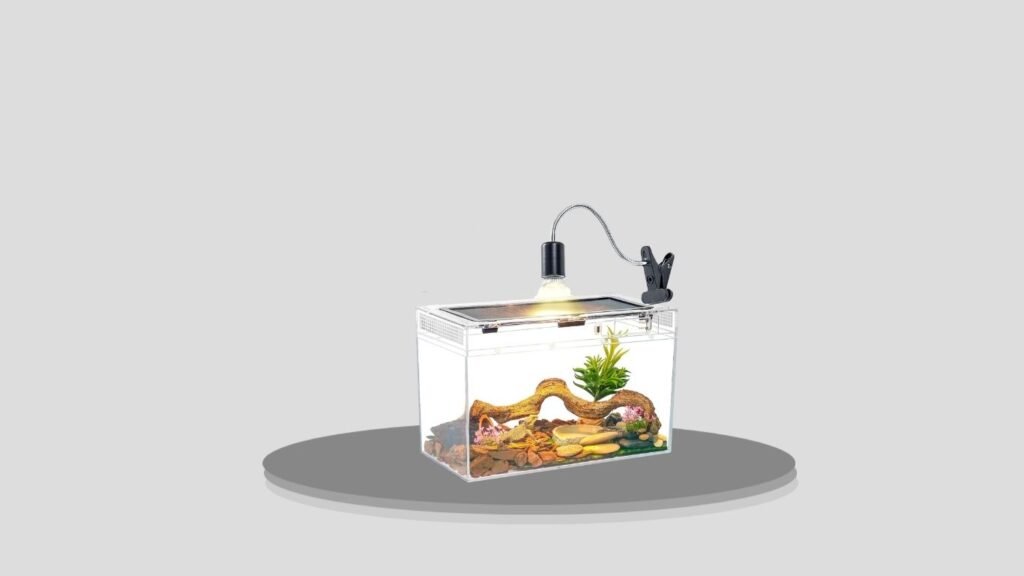
The BINANO Reptile Tank Starter Kit offers a more complete approach for beginners who prefer receiving several useful habitat accessories together rather than assembling every component separately. Its enclosure provides space for substrate, a hide, feeding tools, and basic décor. Although originally designed for different small exotic pets, it can be adapted into a practical tarantula habitat when configured according to the species being housed.
Key Features
- Clear enclosure for easy observation
- Includes several useful habitat accessories
- Space for substrate and a secure hide
- Feeding and maintenance tools included
- Ventilation designed to encourage airflow
- Suitable for creating a customized invertebrate setup
Why It Is Useful for Beginners
The biggest appeal of this kit is convenience. New tarantula keepers often discover that the enclosure itself is only one part of the setup. Tweezers, hides, feeding equipment, décor, and maintenance tools may also be needed.
Having several accessories available from the beginning can simplify the setup process. The enclosure can be customized with an appropriate depth of substrate, a water dish, and a retreat while the included tools can assist with feeding and routine maintenance.
However, not every accessory included in a general reptile kit will necessarily be required for a tarantula. The habitat should always be adjusted according to the specific species rather than using every supplied item automatically.
Practicality for Feeding and Maintenance
Feeding tarantulas becomes easier when long tweezers or similar tools are available for positioning prey or removing uneaten food. These accessories can reduce the need to place hands deep inside the enclosure.
The clear walls are also useful for checking water levels, substrate condition, webbing, and activity. Routine cleaning can usually be handled with spot cleaning rather than frequent complete substrate replacement.
For terrestrial tarantulas, reducing excessive open height is important. A deeper substrate layer can create a safer floor-to-lid distance while also allowing burrowing behavior.
Overall Setup Value
The BINANO kit is a practical choice for someone who wants an enclosure accompanied by useful maintenance accessories. It provides a convenient starting point while still allowing plenty of customization.
Its greatest value comes from flexibility. Keepers can use the components that suit their tarantula and leave out equipment that is unnecessary. With correct substrate depth, ventilation, a hide, and reliable access to water, this kit can be converted into a functional beginner-friendly tarantula habitat.
7. HELIME Polycarbonate Terrarium Starter Kit
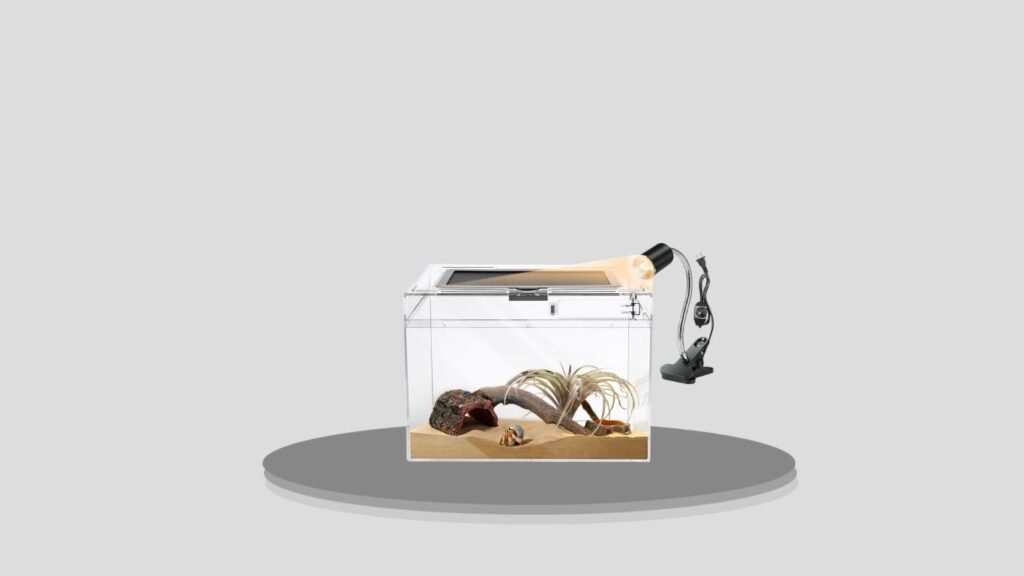
The HELIME Polycarbonate Terrarium Starter Kit combines a clear enclosure with several accessories intended to make small exotic-animal housing easier to organize. Its transparent walls provide good visibility, while the compact design works well for shelves, desks, or dedicated invertebrate areas. For tarantula keepers, it offers a flexible foundation that can be modified with appropriate substrate, hides, and moisture levels.
Key Features
- Clear polycarbonate enclosure
- Escape-resistant housing design
- Multiple ventilation areas
- Includes useful habitat accessories
- Compact and lightweight construction
- Easy visibility for daily observation
Best for a Simple All-in-One Setup
Beginners often prefer kits that eliminate some of the guesswork involved in collecting equipment separately. The HELIME kit provides an enclosure along with accessories that can help establish the basic habitat.
The clear polycarbonate construction is particularly convenient for observation. Keepers can see where the tarantula is positioned, whether prey remains inside the enclosure, and whether the animal has begun creating webbing or a burrow.
Because polycarbonate is lightweight, the enclosure can also be repositioned more easily than many glass terrariums.
Airflow, Security, and Daily Care
Ventilation is one of the most important aspects of an invertebrate enclosure. Adequate airflow helps prevent the environment from becoming excessively stagnant, especially when moisture is present in the substrate.
The secure construction is equally important because tarantulas can fit through surprisingly small openings. Any doors, lids, or feeding openings should therefore remain firmly closed after maintenance.
The clear walls help reduce unnecessary opening of the enclosure because much of the animal’s condition can be checked visually. Water changes and spot cleaning can then be performed only when needed.
Overall Setup Value
The HELIME kit provides a useful combination of visibility, portability, and simple habitat organization. It is especially appealing for beginners who want a compact enclosure without sacrificing the ability to monitor their tarantula easily.
Once adapted with species-appropriate substrate depth and a suitable retreat, the enclosure can provide a clean and manageable environment. Its lightweight format also makes it practical for keepers who maintain several smaller invertebrate habitats.
8. AZV Escape-Proof Multi-Vent Terrarium Kit
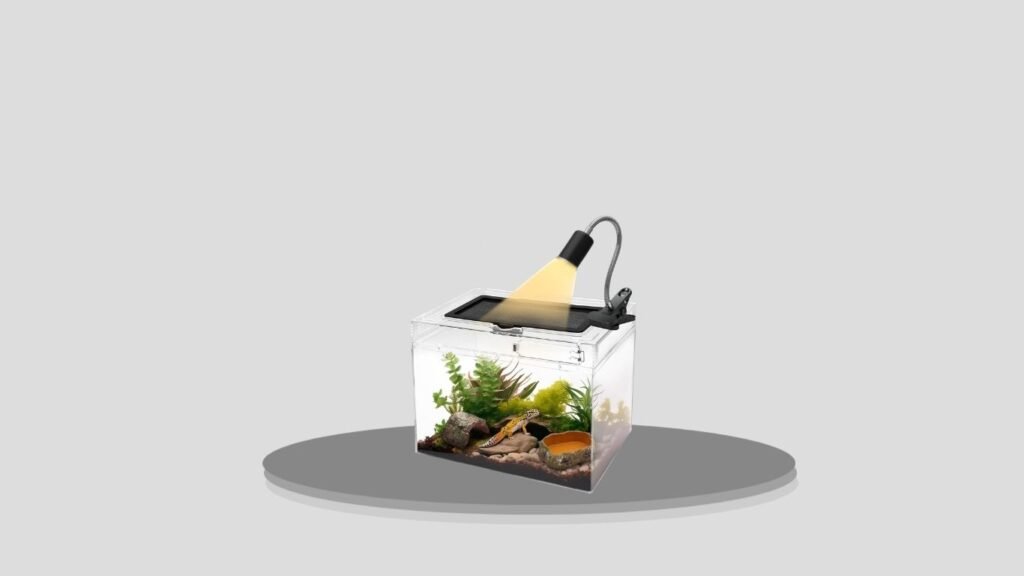
The AZV Escape-Proof Multi-Vent Terrarium is designed around two features that matter greatly in tarantula keeping: security and airflow. Its clear construction allows easy observation, while multiple ventilation points help support air exchange throughout the habitat. The enclosure can be customized with substrate, cork bark, hides, and a water dish, making it a versatile option for a well-organized starter setup.
Key Features
- Escape-resistant enclosure design
- Multiple ventilation openings
- Clear walls for convenient monitoring
- Easy-access construction for maintenance
- Space for substrate and interior furnishings
- Suitable for several small invertebrate species
Why Security and Ventilation Stand Out
Tarantulas generally do not require complicated equipment, but they do need an enclosure that closes securely. An unexpected opening or loose-fitting lid can quickly become a problem, particularly with faster-moving species.
The AZV design focuses on helping keep the animal contained while still allowing airflow. Multiple ventilation openings can be especially helpful when creating a habitat where moderate substrate moisture needs to be balanced with adequate air circulation.
The transparent walls make it possible to check the animal without repeatedly opening the enclosure, further reducing opportunities for escape.
Easy-Care Design for Routine Maintenance
Routine tarantula maintenance is usually simple. A water dish needs to be cleaned and refilled, uneaten prey should be removed, and contaminated areas of substrate can be spot-cleaned.
A clear enclosure makes these tasks easier because problems can often be identified before opening the habitat. The accessible design also allows tools such as feeding tongs to reach necessary areas without completely disturbing the interior arrangement.
Keepers can customize substrate depth according to whether the tarantula is terrestrial, fossorial, or better suited to another enclosure style.
Overall Setup Value
The AZV Multi-Vent Terrarium provides the essential characteristics many keepers prioritize: visibility, airflow, security, and easy maintenance.
It works particularly well for someone who prefers a straightforward enclosure rather than a complicated decorative system. Adding the proper substrate, hide, water source, and limited natural-looking décor can quickly turn it into an attractive habitat.
For beginners, its simple structure also makes it easier to understand what the tarantula actually needs instead of relying on unnecessary equipment.
9. Terrarium Container Tarantula Enclosure Vivarium
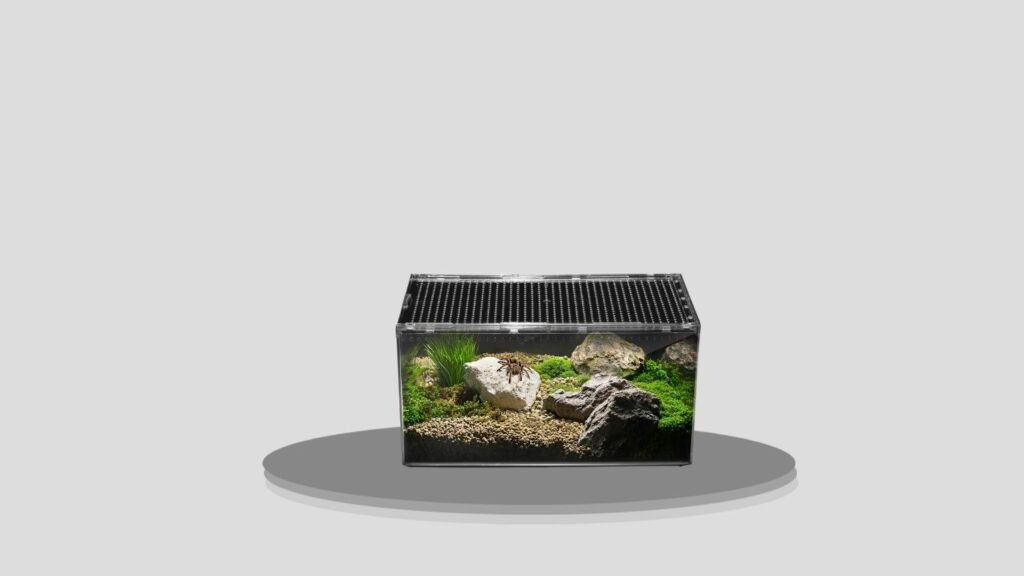
The Terrarium Container Tarantula Enclosure provides a straightforward habitat solution for keepers who want a transparent, easy-to-arrange home for their spider. Its interior can accommodate essential furnishings such as substrate, cork bark, a hide, and a small water dish. The uncluttered design makes it particularly useful for beginners who want to focus on proper husbandry instead of complicated equipment.
Key Features
- Transparent terrarium-style enclosure
- Designed for small reptiles and invertebrates
- Ventilation openings for air exchange
- Space for substrate and hiding areas
- Easy viewing from multiple angles
- Adaptable interior layout
Best for a Customizable Beginner Habitat
One of the strongest advantages of a simple enclosure is that the keeper decides exactly how the interior should be arranged.
For a terrestrial tarantula, a substantial substrate layer can be added along with cork bark positioned as a starter burrow. Arboreal species require a different configuration with greater vertical structure, so enclosure dimensions should always be matched carefully to the tarantula.
The transparent walls allow the finished habitat to remain visually appealing while keeping the animal easy to observe.
Practical Housing and Everyday Observation
Daily care generally does not require constant interference with the tarantula. Instead, keepers can observe whether water is available, whether food has been consumed, and whether the animal is showing normal behavior.
The transparent enclosure supports this low-disturbance approach. When cleaning becomes necessary, feeding tongs or similar tools can be used to remove prey remains and other debris.
A simple habitat can also make it easier to recognize changes such as increased webbing, sealed burrows, or reduced feeding that may occur around molting periods.
Overall Setup Value
This terrarium is a versatile option for keepers who want to create their own habitat rather than depend on a heavily preconfigured kit. The basic enclosure provides the foundation, while the keeper can select substrate, hides, and decorations suited to the specific tarantula.
Its clean appearance also works well for display purposes. When the enclosure size and interior arrangement are appropriate for the species, it can provide a functional and attractive home that remains manageable even for a first-time keeper.
FAQs
1. What Should a Tarantula Starter Kit Include?
A practical tarantula starter setup should include a secure enclosure with adequate ventilation, suitable substrate, a hide, and a shallow water dish. Feeding tongs can also be useful for removing uneaten prey and performing maintenance. The exact setup depends on whether the tarantula is terrestrial, fossorial, or arboreal.
2. Are Tarantula Starter Kits Good for Beginners?
Yes, a starter kit can simplify the initial setup because several useful items may already be included. However, beginners should check each component carefully. Kits marketed for reptiles or multiple exotic species may contain equipment that tarantulas do not require. The habitat should always be customized around the particular species.
3. How Large Should a Tarantula Enclosure Be?
Enclosure size depends on the tarantula’s body size, leg span, age, and lifestyle. Terrestrial species generally benefit more from usable floor space than excessive height, while arboreal species need additional vertical room. Juveniles are often easier to feed and monitor in appropriately sized smaller enclosures.
4. Do Tarantulas Need Heat Lamps in Their Starter Kit?
Most commonly kept tarantulas do not need a dedicated heat lamp when the room is maintained at a suitable temperature. Strong overhead heating can create dangerously hot or dry conditions inside a small enclosure. Husbandry requirements vary by species, so temperature recommendations should be checked before adding supplemental heating.
5. What Is the Most Important Feature of a Tarantula Enclosure?
Security and appropriate ventilation are among the most important features. The enclosure should close firmly enough to prevent escape while allowing sufficient air exchange. After that, correct substrate depth, a secure retreat, access to water, and appropriate dimensions help create a safe and practical environment for the tarantula.
