
Step Into the Hidden World of Spiders
Seen a spider and not sure what it is? SpiderAdv helps you quickly identify species using easy features like size, color, and web type. Get accurate information so you know whether it’s harmless or something to be cautious about.
Our Blog Contact Us

Spider Identification Guide
- Size: Small to large depending on species.
- Body: Two main parts, rounded abdomen and front section.
- Legs: Eight long, jointed legs.
- Eyes: Usually 6–8 eyes in different patterns.
- Color: Brown, black, gray, or patterned.
- Web: Some build webs, others hunt.
- Habitat: Found indoors, gardens, and natural areas.
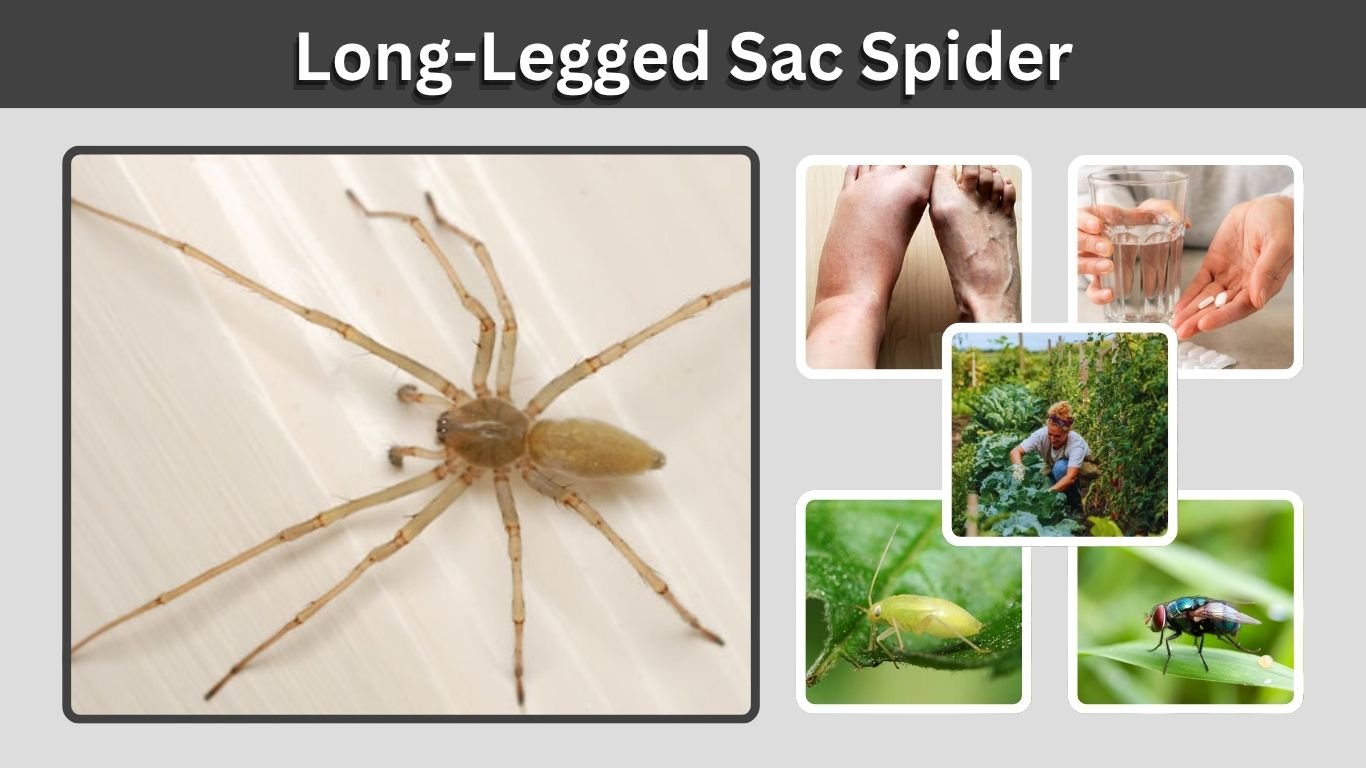
Long-Legged Sac Spider: Bite, Size and Control
August 26, 2026
The long-legged sac spider is a small, pale hunting spider commonly found on walls, ceilings, vegetation, and inside buildings. Known scientifically as Cheiracanthium mildei, it
Read more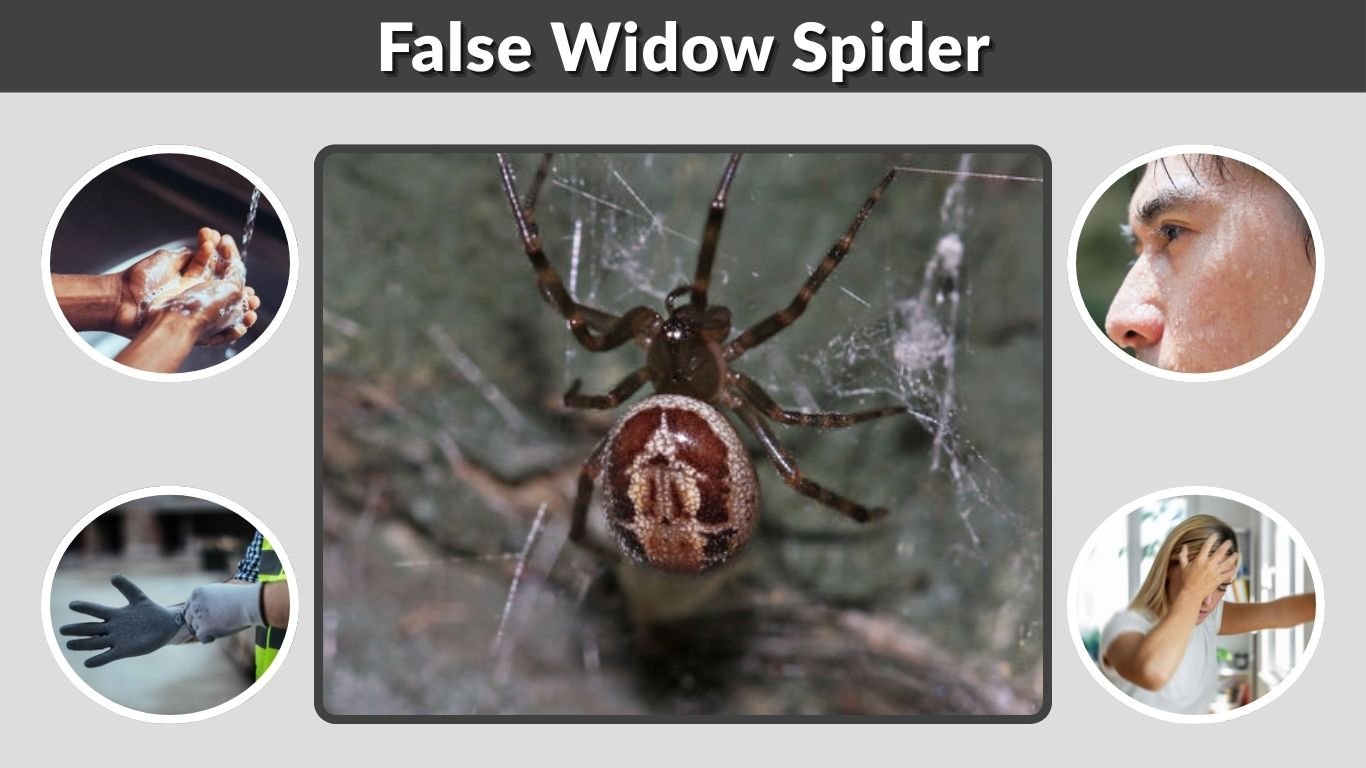
False Widow Spider: Identification, Bites and Control
August 26, 2026
False widow spiders are dark, glossy cobweb spiders in the genus Steatoda that resemble true black widows but usually cause less serious bites. Several species
Read more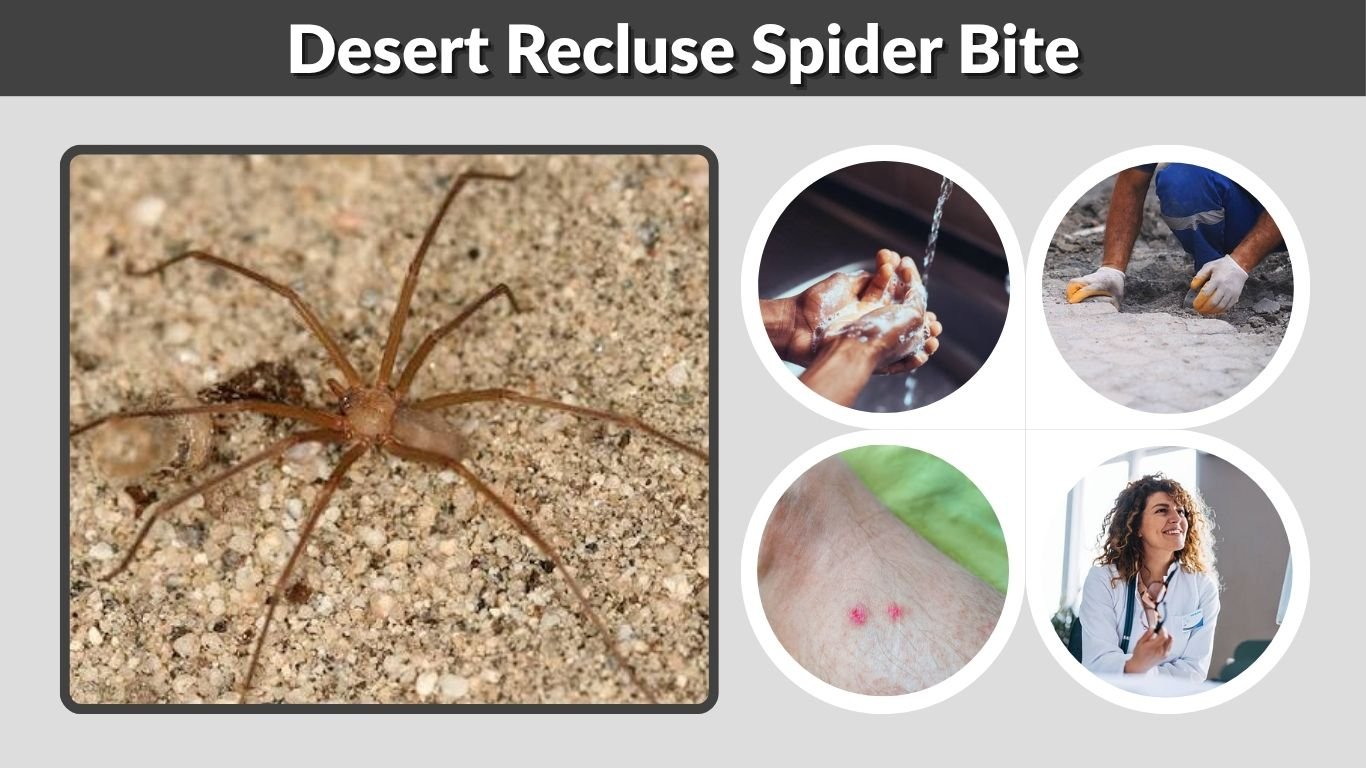
Desert Recluse Spider Bite: Symptoms and Treatment
August 26, 2026
A desert recluse spider bite may cause pain, swelling, blistering, and—in a small minority of cases—skin tissue damage or systemic illness. The desert recluse, Loxosceles
Read more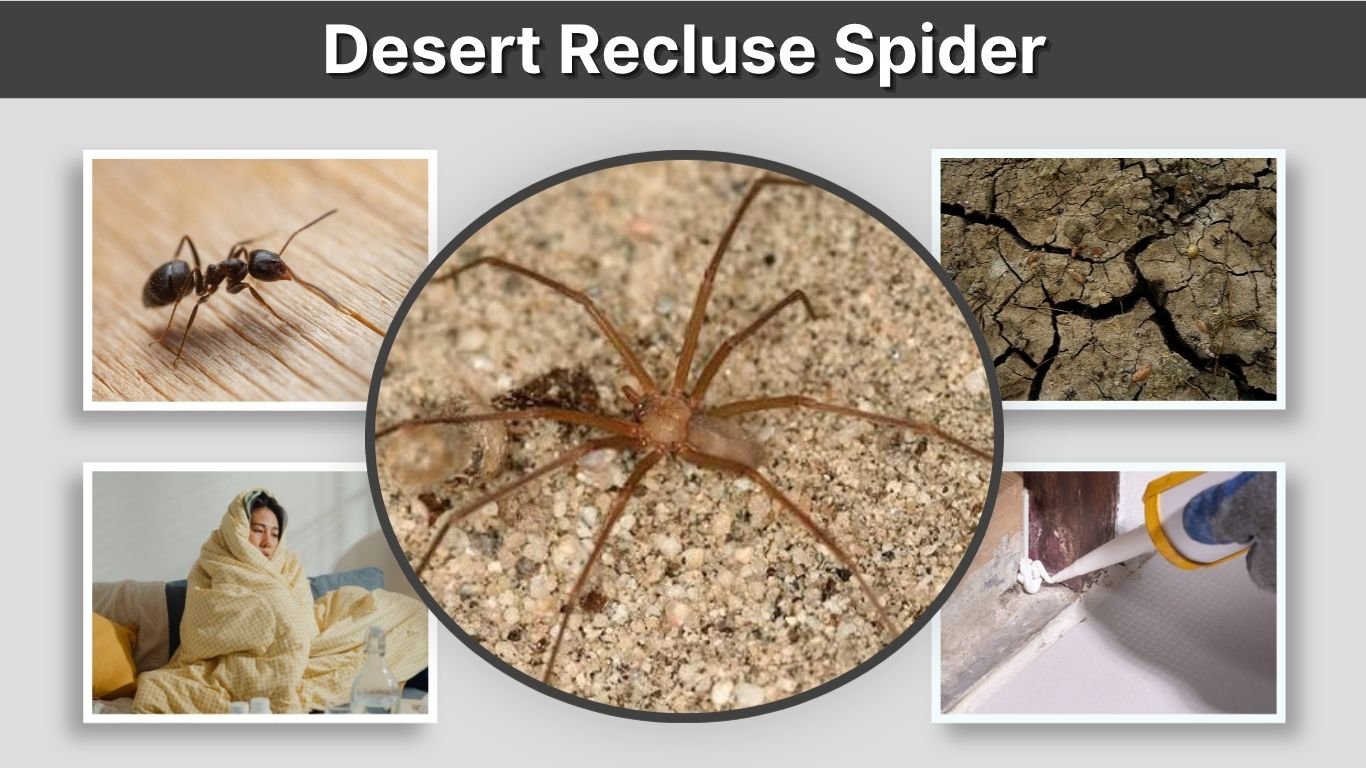
Desert Recluse Spider: Bite, Size and Identification
August 25, 2026
The desert recluse is a venomous spider native to arid areas of the southwestern United States and northwestern Mexico. Scientifically named Loxosceles deserta, it resembles
Read more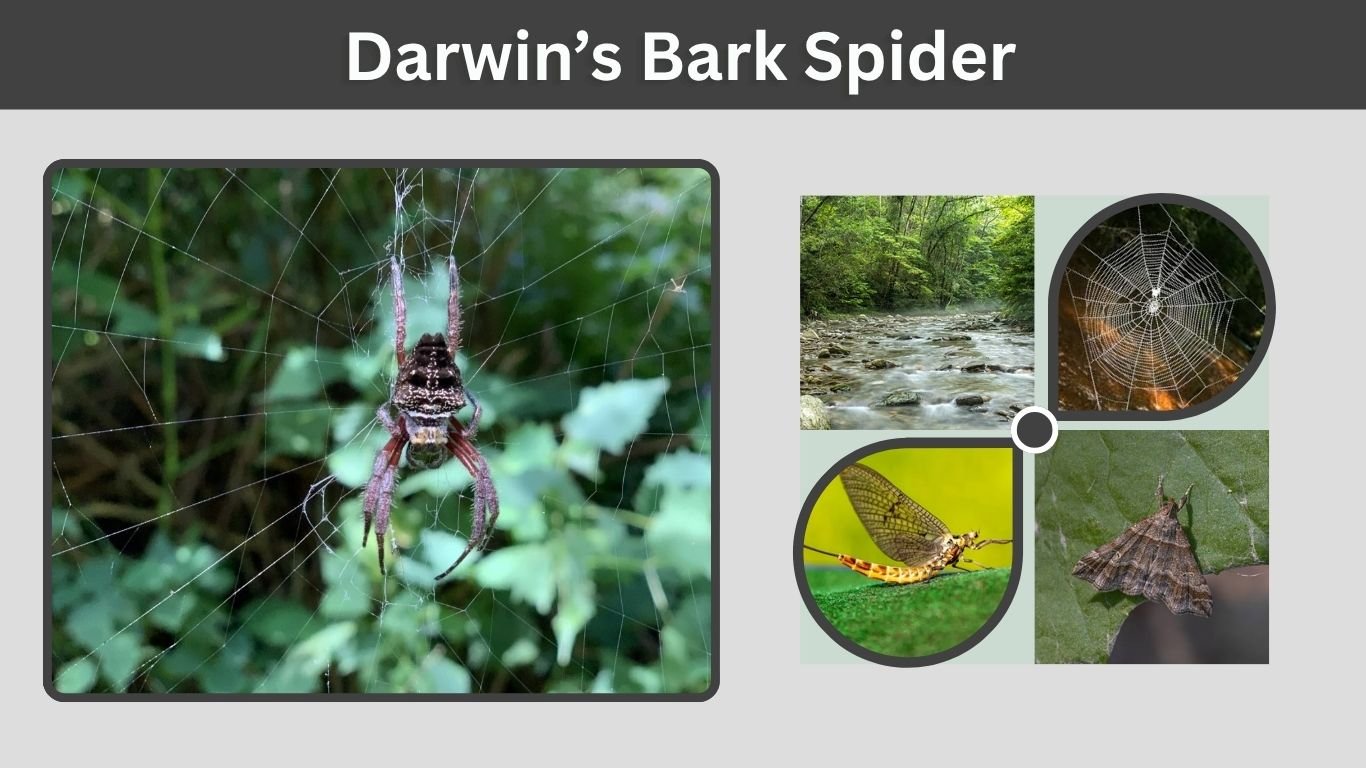
Darwin’s Bark Spider: Web, Silk, Size and Facts
August 25, 2026
Darwin’s bark spider is a remarkable orb-weaver from Madagascar that constructs enormous webs across rivers, streams, and lakes. Scientifically named Caerostris darwini, it produces exceptionally
Read more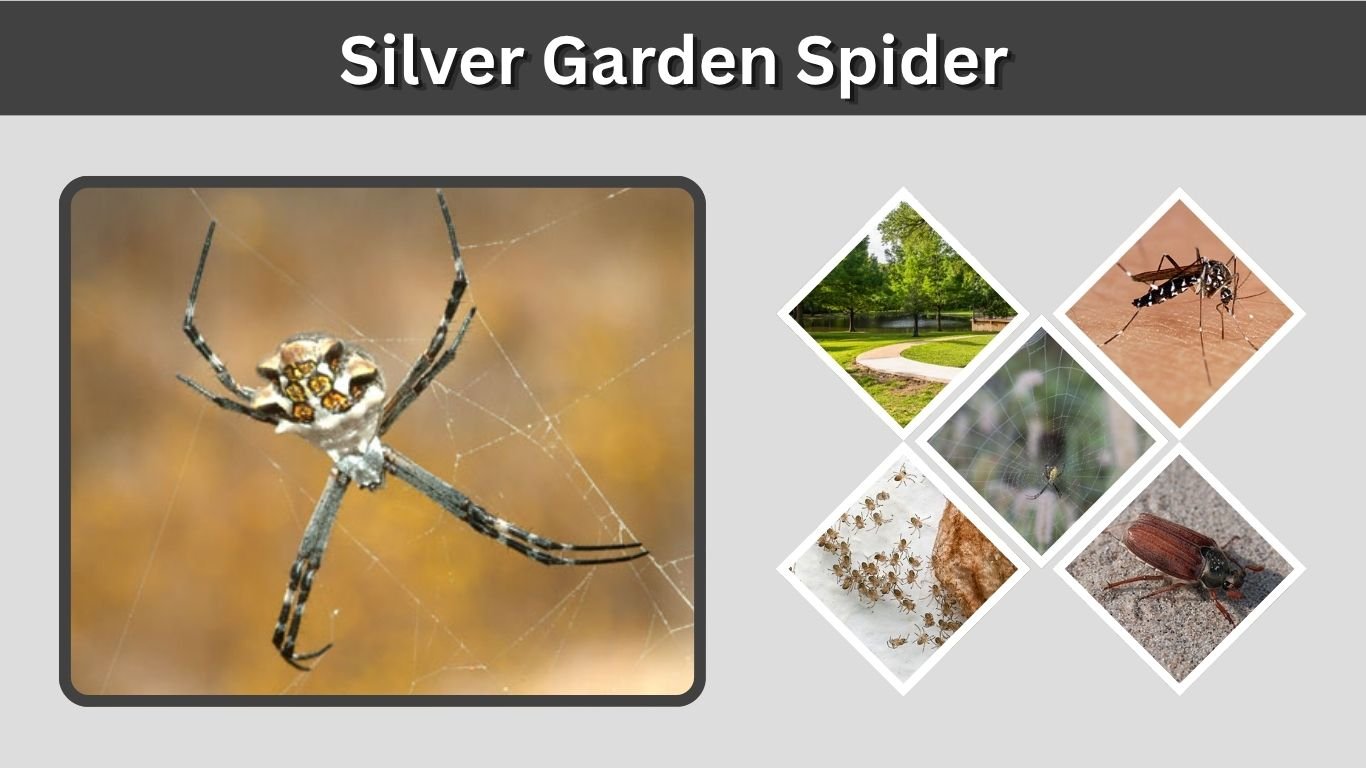
Silver Garden Spider: Identification, Bite and Facts
August 25, 2026
The silver garden spider is an eye-catching orb-weaver recognized by its metallic body, long banded legs, and decorative silk web. Its scientific name is Argiope
Read more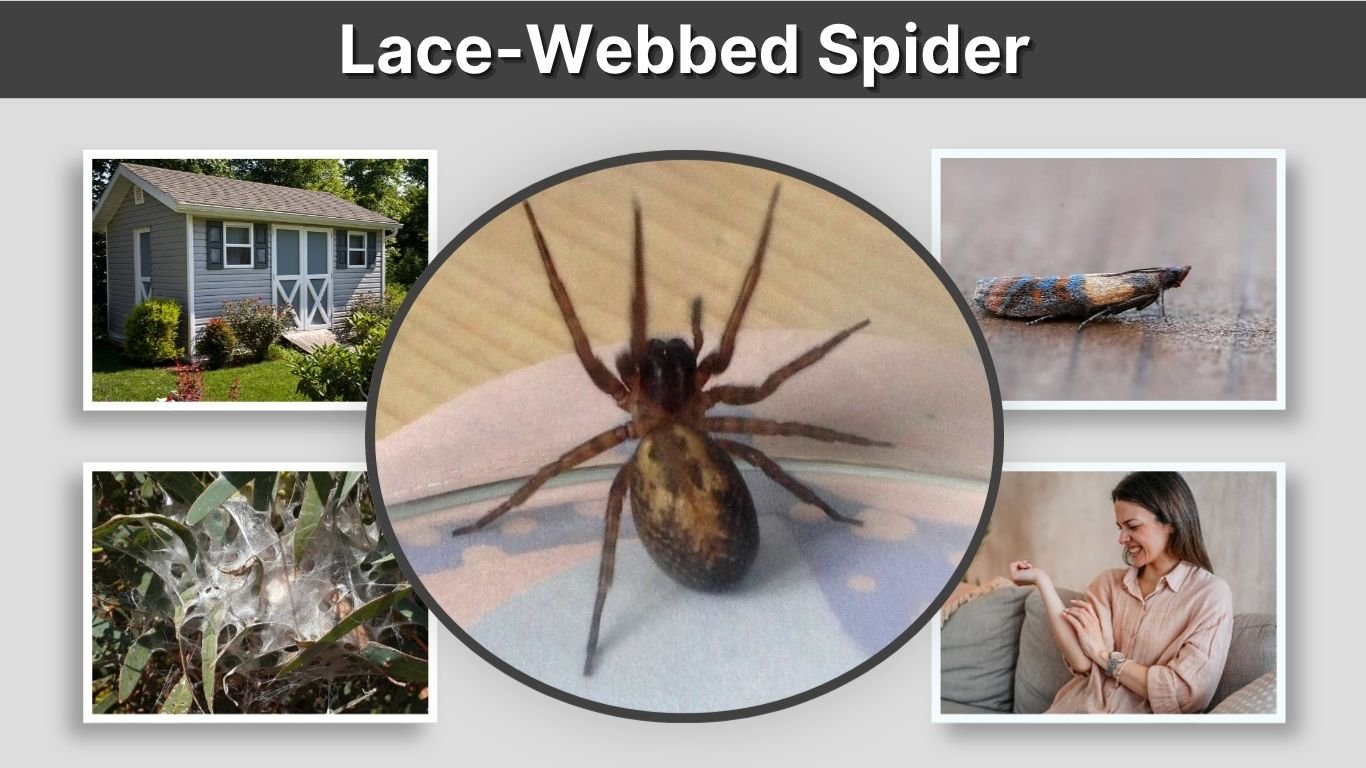
Lace-Webbed Spider: Bite, Web, Habitat & Identification
August 24, 2026
The lace-webbed spider is a dark, medium-sized spider commonly found around homes, gardens, walls, sheds, and woodland in the UK and parts of Europe. These
Read more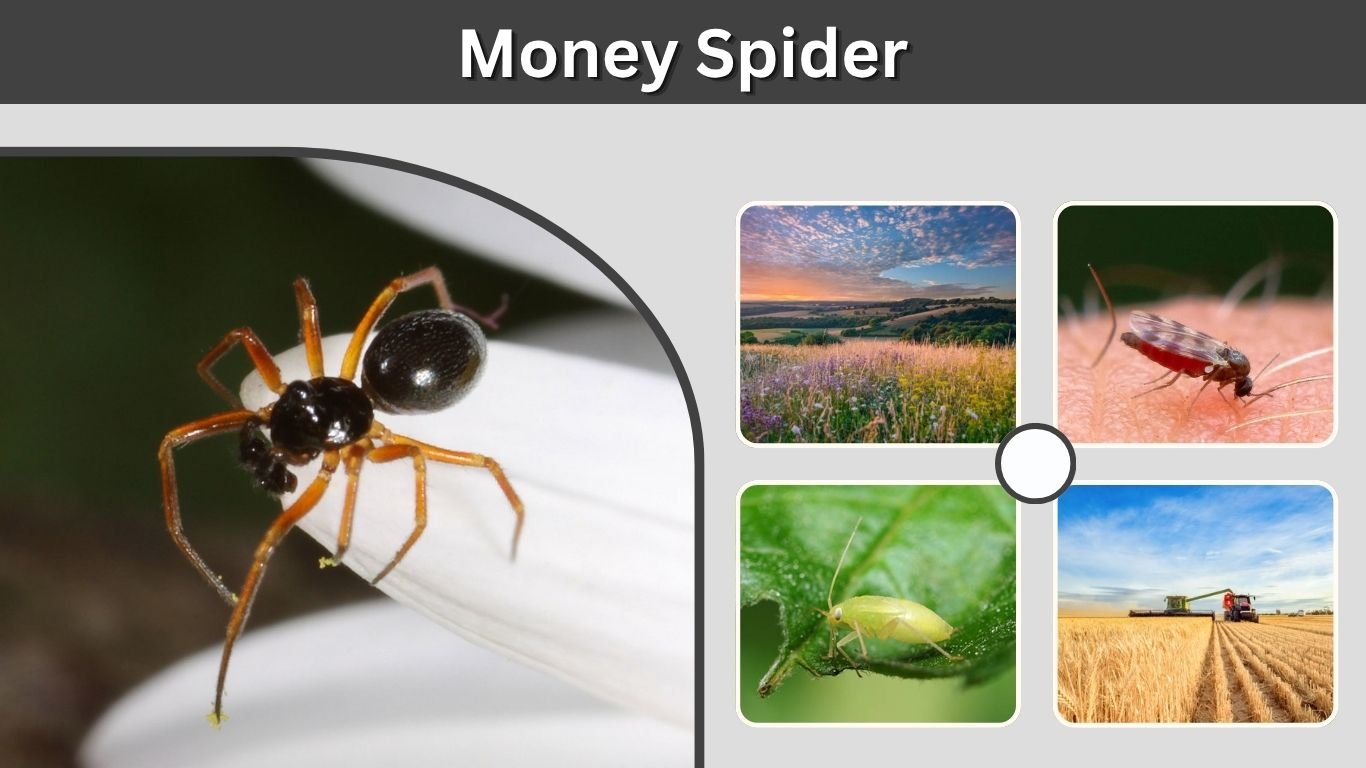
Money Spider: Size, Bite, Web, Habitat & Good Luck Facts
August 24, 2026
The money spider is a tiny spider best known in Britain and Ireland, where the name commonly refers to members of the family Linyphiidae. These
Read more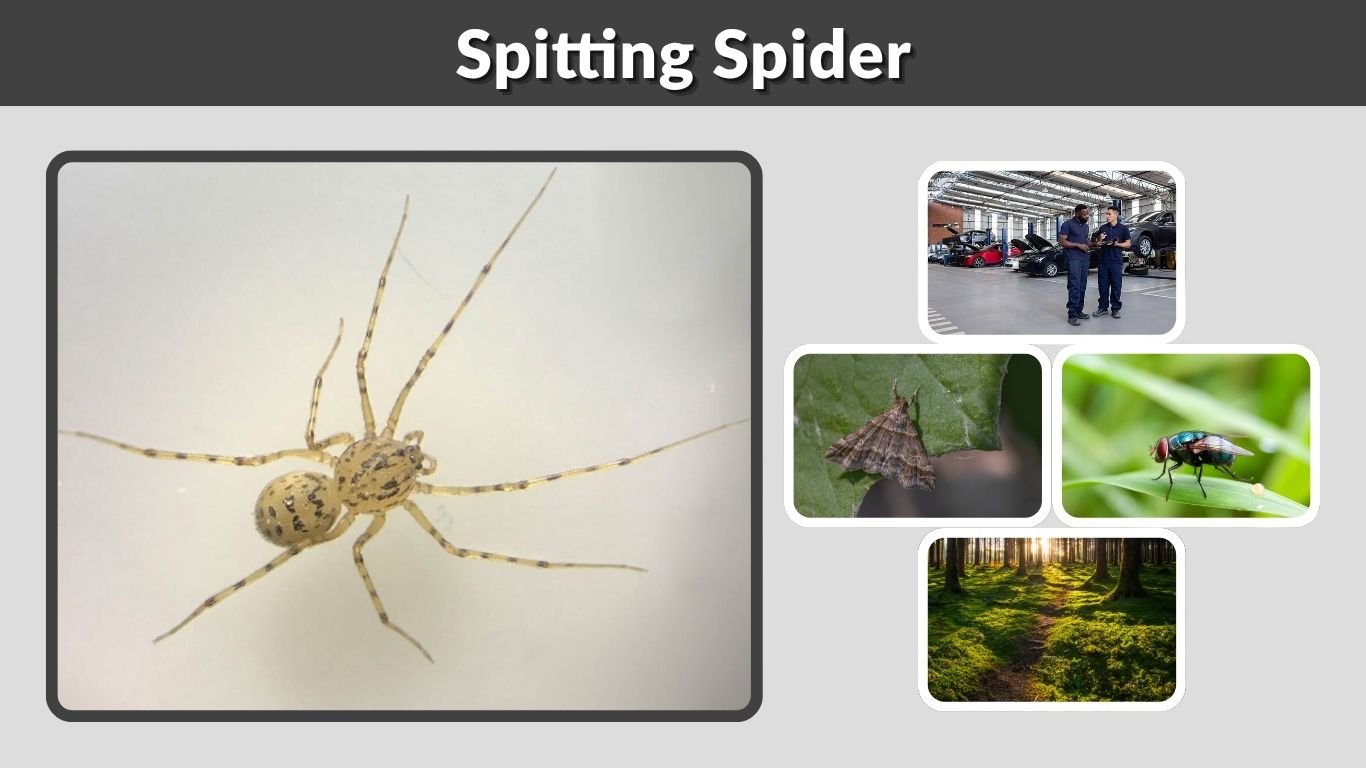
Spitting Spider: Identification, Bite, Habitat, Diet & Facts
August 24, 2026
The spitting spider is a small, slow-moving spider famous for an unusual hunting technique: it sprays a sticky mixture of silk and venom over prey
Read more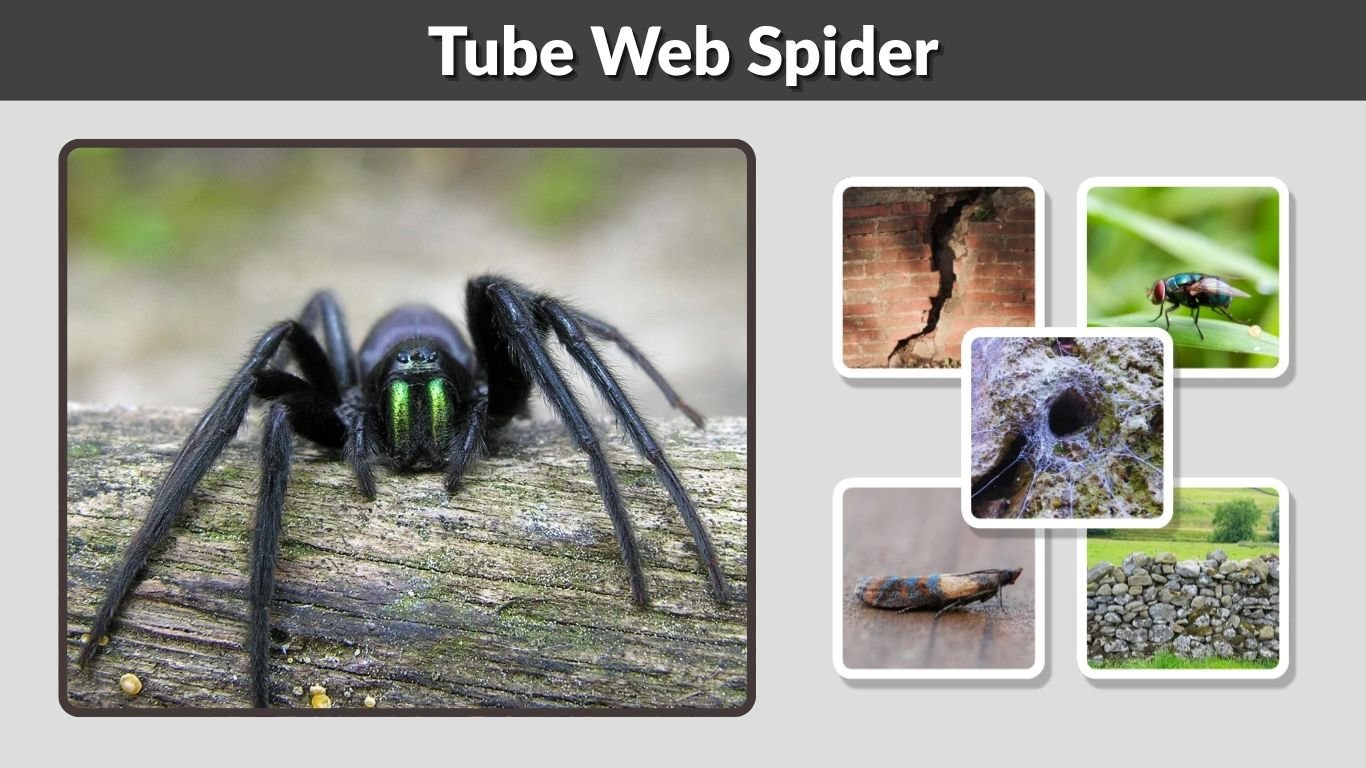
Tube Web Spider: Bite, Size, Web, Habitat and Facts
August 23, 2026
The tube web spider is a distinctive arachnid known for building a silk-lined tubular retreat inside cracks, walls, tree bark, and other sheltered spaces. One
Read more